
Choosing the Best Online Trading App in Nigeria
📈 Discover how to choose the best online trading app in Nigeria! Learn about key features, security, and platforms for a smooth trading experience.
Edited By
Isabella Foster
Forex trading in Nigeria has surged in popularity as more individuals seek to grow their wealth beyond traditional investments. However, navigating the forex market requires the right tools, and a reliable forex trading app ranks high among them. With many options available, choosing an app that fits Nigerian traders' specific needs can be tricky.
Unlike other markets, Nigerian forex traders face unique challenges such as currency volatility, regulatory concerns, and occasional internet instability. Therefore, an effective app should not only offer a user-friendly interface but also support local currency denomination (₦), facilitate seamless deposits and withdrawals, and comply with Nigerian financial regulations.
Security stands out as a top priority. Look for apps that use two-factor authentication (2FA) and have clear policies on protecting personal and financial data. Apps connected with well-regulated brokers registered by bodies like the Securities and Exchange Commission (SEC) Nigeria help reduce the risk of scams.
Performance matters too. Efficient servers and fast execution speeds ensure you don’t miss out on trading opportunities amid Nigeria’s often unstable internet connections. Features such as offline charts and low data usage modes can make a big difference.
A good forex app should offer real-time market data, accessible technical analysis tools, and multiple currency pairs especially major ones like USD/NGN, EUR/USD, and GBP/USD. For beginners, educational resources built within the app are a plus, helping them grasp market basics and trading strategies without leaving the platform.
Local payment integration is another key factor. Nigerian traders benefit when apps support payment methods like bank transfers, USSD payments, or popular fintech platforms such as Paystack and Flutterwave. This streamlines funding your account and withdrawing earnings without unnecessary delays.
When picking a forex trading app, balance usability, security, and local relevance. The right app won’t just execute trades; it will empower you to trade smarter in Nigeria’s dynamic market.
To sum up, consider these crucial points before installation:
Security and regulatory compliance
User interface suited for mobile and desktop use
Support for Nigerian Naira and local payment channels
Real-time market data and analysis tools
Performance stability despite internet challenges
Educational resources and customer support tailored for Nigerian users
Picking the right forex app is the first step towards consistent trading success in Nigeria. Being deliberate about your choice helps prevent costly mistakes and improves your chances of thriving in the local forex scene.
Understanding forex trading apps is vital for any Nigerian trader aiming to navigate the volatile currency market successfully. These apps put the global forex market at your fingertips, allowing quick access to currency pairs, real-time rates, and trading execution. Given Nigeria's unique financial landscape—characterised by naira fluctuations, limited power supply, and spotty internet—choosing the right app is more than a matter of convenience. It influences your ability to respond swiftly to market moves and safely manage your investments.
A forex trading app is a software platform that enables users to trade currencies from their mobile devices or tablets. It provides essential market data, trading tools, and order execution functions. For instance, apps like MetaTrader 4 and MetaTrader 5 offer professional-grade charting and analysis, while platforms like OANDA and IG provide user-friendly interfaces that cater to both beginners and pros. These apps connect to forex brokers, acting as a bridge between you and the international currency markets.
Most apps also feature live price feeds for popular pairs like USD/NGN, EUR/USD, and GBP/USD, alongside options for setting stop-loss orders and take-profit points, allowing you to control risk actively. Beyond trading, many apps include educational resources and demo accounts, which let you test strategies without risking real funds—a vital feature for anyone still building confidence.
In Nigeria, forex trading apps operate under additional layers of complexity. Local regulations, especially around foreign exchange, impact how these apps process deposits and withdrawals. For example, brokers authorized by the Securities and Exchange Commission (SEC) in Nigeria are more trustworthy, as they comply with local laws designed to protect traders.
With the Central Bank of Nigeria (CBN) setting policies that influence naira liquidity and exchange rates, apps that provide live updates on these variables give Nigerian traders an edge. Payment methods also vary; apps catering to Nigerian traders might support local options like bank transfers through GTBank, Paystack, or Flutterwave, making funding your account easier than relying on international cards alone.
Moreover, forex apps in Nigeria must contend with challenges like irregular power supply and unreliable internet. Those apps optimised to function effectively on low bandwidth or offer offline tools for analysis stand out. They help traders stay connected and informed, even during power outages or network disruptions—a common occurrence in many parts of the country.
Choosing the right forex trading app can mean the difference between seizing a market opportunity and missing out due to technical hitches common in Nigeria. Understanding these apps' functionality and peculiarity in the Nigerian context sets the foundation for successful trading.
With this solid grasp, you’re better placed to explore key features, compare platforms, and avoid common pitfalls in Nigeria’s forex trading scene.
A clean, intuitive user interface is essential. Nigerian traders often operate in fast-paced environments; a cluttered or complex app can slow decision-making. For example, apps like Binance and MT5 offer straightforward dashboards and quick access to charts and orders. Look for apps that allow easy navigation between currency pairs and provide customisable layouts. Faster trade executions and simple order placement reduce chances of missing key market moves, especially when using mobile data that may vary in speed.
Protecting your funds and personal details should be a top priority. Opt for apps that employ strong encryption and two-factor authentication (2FA). For instance, IG and Plus500 have solid security records and comply with international standards. Avoid apps lacking clear privacy policies or with poor user reviews on security. Remember, Nigerian traders face risks not just from market volatility but also potential cyber fraud, so ensure your app provides timely alerts for unusual login activities.

Good forex apps offer tools that help you analyse market trends and make informed decisions. Look for features such as real-time charts, economic calendars relevant to Nigerian and global markets, and indicators like moving averages or RSI. Apps like MetaTrader 4 support custom indicators and automated trading, useful for managing complex strategies. Also, local news feeds integrated within the app can alert you to events affecting the naira or global currencies.
Given the challenges in naira exchange rates and cross-border transactions, an app that supports multiple payment methods is invaluable. Your forex app should allow deposits and withdrawals via Nigerian banks, use of USSD codes, or fintech wallets like OPay and PalmPay. Support for local currency (₦) alongside major currencies ($, €, £) helps reduce conversion hassles. For example, apps linked to local banks provide faster funds access compared to those requiring international wire transfers.
Choosing a forex trading app is not just about flashy features but practical functionalities that work seamlessly within Nigeria’s financial and technological realities.
Prioritising these features helps traders avoid common pitfalls and enhances their ability to spot and act on opportunities in the forex market.
Choosing the right forex trading app depends heavily on what's popular and trusted within the Nigerian trading community. Popular apps usually have a built reputation for reliability, user-friendly features, and responsive customer support tailored to Nigerian traders’ needs. Understanding these platforms helps traders avoid pitfalls and focus on apps that match local market realities.
Nigeria hosts a mix of local and international forex trading apps. Local apps like Chaka and Risevest provide seamless integration with Nigerian banks and support naira deposits and withdrawals, which is a big plus given the naira’s volatility and FX restrictions. These platforms also understand Nigerian users' needs better — offering USSD access for low-data environments and local customer service teams.
International apps such as MetaTrader 4/5, IQ Option, and eToro are admired for their robust features, wide range of currency pairs, and advanced analytics tools. However, some international platforms may require third-party payment solutions for funding Nigerian accounts, which could add complexity or extra fees. You will want to check if these platforms allow direct naira transactions or rely on USD/EUR, as this affects your overall costs and convenience.
Apps that cater specifically to Nigerian traders often provide customised features like support for multiple Nigerian payment gateways (e.g., Paystack, Flutterwave), local language options, and educational content addressing the challenges Nigerian traders face, like exchange rate fluctuation or regulatory shifts. For example, some apps alert users to CBN policy changes that could impact forex liquidity or trading volume.
Regulatory compliance with Nigerian authorities like the Securities and Exchange Commission (SEC) is critical. Reliable forex trading apps ensure they operate under recognised licenses or partnerships with local brokers regulated by the SEC. This compliance protects traders against fraud and offers legal recourse in case of disputes.
Nigerian traders should verify that an app follows anti-money laundering (AML) rules, employ Know Your Customer (KYC) procedures, and have data protection measures compliant with Nigeria’s data protection regulation. Apps lacking these can expose users to scams or unauthorised fund movements, which is unfortunately common in unregulated corners of the market.
Always confirm regulatory compliance before funding your account to safeguard your investment and information.
Costs can vary widely across forex trading apps, so it’s practical to compare fees before settling on one. Essential fees include:
Spread: The difference between buying and selling prices; lower spreads mean lower trading costs.
Commission: Some apps charge a commission per trade, others operate on spreads alone.
Deposit and Withdrawal Fees: Local apps often offer free or low-cost naira deposits, but international platforms might charge extra for currency conversion or third-party payment processing.
Inactivity Fees: Some apps penalise dormant accounts.
For instance, Chaka charges zero commission but has a slightly wider spread, whereas MetaTrader 4 may offer tighter spreads but with commissions for some account types. Be mindful of withdrawal charges too; heavy fees for naira withdrawals can eat into your profits.
In summary, the best forex trading app for Nigerian traders balances cost, regulatory trust, and features designed with local realities in mind. Popularity among Nigerian traders often signals these qualities but always do your due diligence before committing funds.
Trading forex via mobile apps in Nigeria offers accessibility, but it also presents specific hurdles traders must navigate for success. Understanding local obstacles—like currency volatility, power issues, and scams—is vital to avoid losses and operate confidently.
Naira volatility directly impacts forex trading profits for Nigerian traders. For instance, when the Central Bank of Nigeria (CBN) adjusts exchange rates or imposes forex restrictions, the value of naira against foreign currencies can shift quickly. This affects your margin and potential gains, especially if you hold open positions during turbulent periods.
Traders should regularly monitor the official CBN exchange rate alongside the parallel market rate because discrepancies can cause unexpected slippage on transactions. Using apps that provide real-time price alerts or automatic stop-loss orders helps manage risk during intense naira swings. Also, diversifying forex pairs, including majors like USD/EUR alongside naira-related pairs, can reduce exposure to local currency shocks.
Unstable power supply and inconsistent internet connectivity remain common problems in Nigeria. A sudden generator failure or network dropout can disrupt trading sessions, risking missed opportunities or unintended trades.
To safeguard against this, traders should:
Use reliable power backup sources—such as inverters or portable power banks—to keep devices running during outages.
Opt for mobile data plans from networks with the best coverage in their area; MTN and Airtel often outperform others outside major cities.
Place trades when connectivity is strongest, often in early mornings or late evenings.
Practice patience during ember months when infrastructure strain tends to peak.
Forex scams remain a serious threat as fraudulent apps often disguise themselves as legit trading platforms. These fake apps may promise guaranteed returns or show unbelievable profits to lure unsuspecting traders.
Key warning signs include:
Platforms lacking registration with Nigerian regulators like the Securities and Exchange Commission (SEC) Nigeria.
Absence of verifiable reviews or excessive commission charges.
Pressure tactics urging quick deposits or referrals.
Always choose apps with clear regulatory compliance and user feedback on trusted Nigerian financial forums or fintech communities. Confirm credentials before funding your account. Regularly updating your app and using strong passwords also limit fraud risks.
Safety and awareness go hand in hand. As a Nigerian trader, being proactive about these challenges protects your capital and builds lasting forex success.
Navigating these issues requires a mix of preparation, reliable tools, and vigilance. By tackling naira fluctuations, power and connectivity problems, and steering clear of scams, you set a solid foundation to trade forex smartly within Nigeria’s unique environment.
Success in forex trading, especially through mobile apps, demands more than just picking the right platform. Nigerian traders face unique challenges like market volatility, power outages, and fluctuating exchange rates. So, honing a clear strategy and smart habits is critical for real gains. Below are practical tips tailored to help you navigate forex trading apps efficiently.
Crafting a trading strategy is the backbone of consistent success. It means knowing your risk tolerance, setting clear goals, and sticking to tested methods rather than chasing quick wins. For example, some Nigerian traders use a mix of technical analysis—for spotting entry and exit points—and fundamental analysis—such as tracking CBN's monetary policy moves.
A well-built strategy might involve daily limits on how much you're willing to lose or profit targets before closing a trade. Consider also the timeframes you prefer: short-term trading often demands quick decision-making and tight stop-loss, whereas long-term trading requires patience and trend analysis.
Maintaining discipline in following your strategy prevents emotional trading, which often leads to losses. Keeping a trading journal on your app can help you review past decisions, understanding what works and what doesn’t in Nigerian market conditions.
Demo accounts let you test your strategies without risking real money. Many forex apps available to Nigerians offer this feature, allowing you to trade with virtual funds using real market data.
Practising on a demo account helps you familiarise with app functionalities, order placements, and chart tools. For instance, before placing ₦100,000 or more on a live trade, trying your plan over several weeks on demo mode can highlight potential pitfalls.
Besides, it aids in learning how to handle volatility typical of the naira exchange rate against major currencies like the dollar or euro. Many times, this local volatility can shake beginners, but trialing on demos builds the resilience needed.
Forex markets are influenced by local economic factors like the CBN’s exchange policies and global events such as US Federal Reserve decisions. Successful traders keep an eye on both.
Using apps that provide live news feeds, economic calendars, and real-time charts allows Nigerian traders to react promptly. For instance, if the CBN announces a change in the monetary policy rate, it can impact the naira-dollar pair swiftly.
Besides global headlines, track local news affecting Nigeria’s economy—like fuel subsidy changes or political developments—which impact forex liquidity and currency stability.
Staying updated with both local and international factors sharpens your trading decisions. Ignoring either side could mean missing crucial market shifts that affect your trades.
By combining a sound strategy with demo practice and sharp market awareness, Nigerian traders can make the most of forex trading apps despite the hurdles. These tips don't guarantee instant riches but build a foundation for disciplined and informed trading in Nigeria’s vibrant market.
📈 Discover how to choose the best online trading app in Nigeria! Learn about key features, security, and platforms for a smooth trading experience.
📱 Discover how to choose the best Forex signal app for Nigerian traders! Get tips on features, accuracy, and top apps to boost your currency trading success. 💹
Discover key benefits of forex trading for Nigerian investors🇳🇬: market access, liquidity, profit chances, and smart portfolio diversification!💹
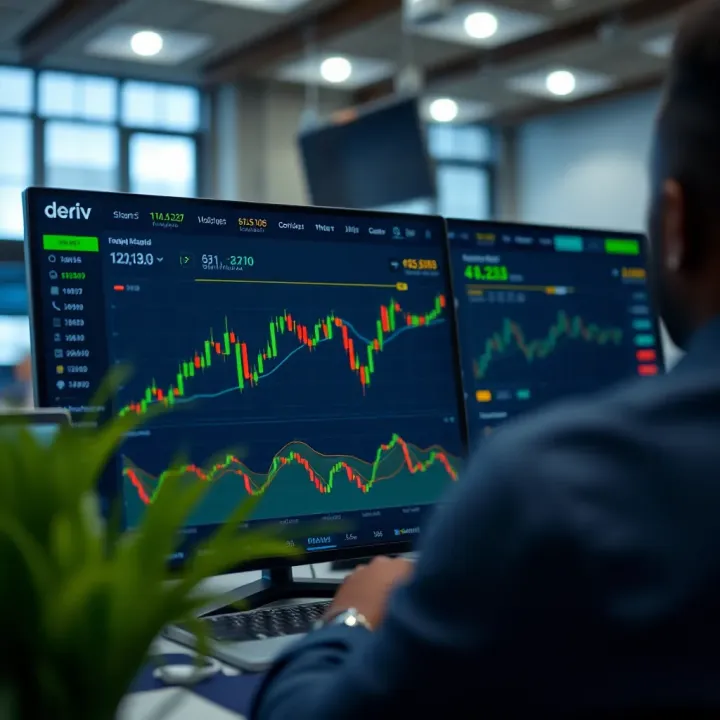
Explore app.deriv.com for online trading 👨💻. Learn how to start, explore features, manage your account, and trade safely with tips for Nigerian users 🇳🇬.
Based on 6 reviews