

Tesla Share Price Explained for Nigerian Investors
📈 Discover how Tesla's share price affects Nigerian investors. Explore financial trends, global impacts, risks, and how it stacks up against top tech stocks in Nigeria.
Edited By
Thomas Green
Pocket brokers are reshaping how Nigerians invest by making stock trading accessible through mobile technology. Unlike traditional brokers, which often require physical visits to offices and extensive paperwork, pocket brokers offer convenience and speed directly from your smartphone.
These brokers operate primarily via mobile apps or USSD codes, allowing users to buy and sell stocks, monitor portfolios, and access market data anytime and anywhere. For example, platforms like Trove and Risevest have made it easier for Nigerians to start with small amounts, break into the capital market, and diversify their investments with practical ease.
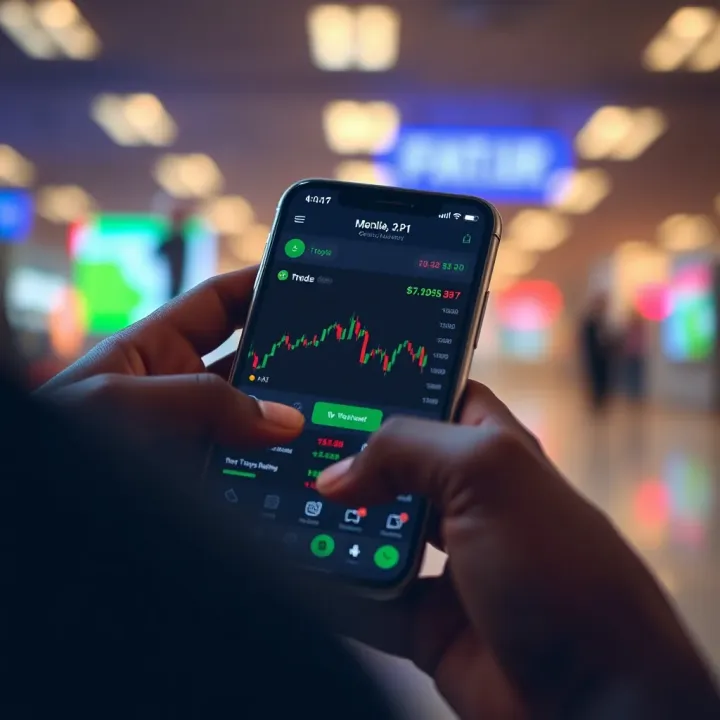
One key advantage of pocket brokers is affordability. Traditional brokerage firms often charge high fees and set minimum investments that can discourage many retail investors. Pocket brokers usually lower these entry barriers, sometimes requiring as little as ₦5,000 to open an account and execute trades.
Mobile trading platforms enable investors to react quickly to market movements, which is vital given Nigeria's often volatile equity market influenced by local economic and political events.
Because these services rely heavily on technology, they integrate real-time data and straightforward user interfaces to cater to a wide range of investors—from first-timers to seasoned traders. This development aligns with Nigeria’s growing smartphone penetration and improved internet access, which now reach over 50 per cent of the population.
That said, pocket brokers also come with challenges. Users must be mindful of security concerns and ensure they transact only on verified platforms. They should also understand the regulatory environment overseen by the Securities and Exchange Commission (SEC) Nigeria, which enforces rules protecting investors.
To make the best of pocket brokerage, investors should:
Verify broker licenses with SEC Nigeria
Start with manageable investment sizes to understand the platform
Pay close attention to costs like commission and platform fees
Use strong passwords and two-factor authentication
By grasping these aspects, Nigerian investors can confidently navigate pocket brokers as a tool for portfolio growth and financial inclusion.
Pocket brokers have reshaped how Nigerians invest by providing a mobile-driven platform that simplifies access to the stock market. Instead of visiting a physical office or relying on traditional brokers, investors can now execute trades using their smartphones anytime and anywhere in Nigeria. This shift empowers retail investors who might not have had the means or time to engage with the market before.
These platforms prioritise mobile technology as their primary channel for service delivery. For example, rather than having a large network of branches, pocket brokers operate through mobile apps designed for ease of use on both Android and iOS devices. This focus on mobile-first solutions addresses a key challenge in Nigeria, where many users depend on smartphones for internet access more than desktops or laptops.
By centring their services around mobile phones, pocket brokers eliminate the usual barriers of geography and office hours. Whether you are in Lagos waiting for danfo, in a rural area with stable internet, or even abroad, you can open an account, check live stock prices, and place orders directly from your device.
A practical hallmark of pocket brokers is their simple, intuitive interface tailored to both beginners and experienced traders. Navigating through stock listings, market charts, and transaction history is straightforward, with well-labelled buttons and clear instructions. Platforms often include features like watchlists, price alerts, and educational tips integrated right within the app.
For instance, a user can tap a stock symbol to see its latest price movement, dividend history, and related news all on one screen without complicated menus. This user-centric design reduces the intimidation factor of stock trading and encourages more Nigerians to participate actively.
Accessibility is at the core of pocket brokers’ appeal. They allow everyday Nigerians—students, market traders, civil servants—to invest with as little as ₦1,000, amounts previously considered too small for traditional brokers. Moreover, since everything occurs on the app, there is no need to travel long distances to a brokerage office or get tangled in paperwork.
This convenience lets investors manage their portfolios during breaks, commutes on okada, or while waiting at the mama put. Such flexibility is especially valuable in Nigeria’s fast-paced lifestyle, where time and ease of action count.
Once registered, investors can search for shares they want to buy or sell and place orders directly through the app. The platforms typically offer both market orders—buy or sell immediately at current prices—and limit orders, where trades execute only if the price hits a specific level.
Imagine an investor spots a discounted share on the Nigerian Exchange (NGX) and wants to buy at ₦300, but current price is ₦320. They set a limit order for ₦300, and the app automatically executes the purchase when the price matches this target. This kind of automation helps users stay on top of market movements without checking constantly.
After placing an order, the successful execution depends on matching with a counterparty willing to trade at the stated price. Pocket brokers communicate directly with the central securities settlement system to ensure swift clearing and settlement of transactions, typically completed within two working days (T+2).
This means if you bought shares today, by the third day, they will reflect in your portfolio and funds will be deducted from your wallet. The quick settlement offers transparency and confidence, crucial for retail investors putting their hard-earned naira into the market.
Pocket broker platforms integrate seamlessly with NGX’s electronic trading and settlement infrastructure. They connect through licensed broker-dealer organisations that serve as intermediaries authorised by the Securities and Exchange Commission (SEC) Nigeria.
This link-up ensures compliance with regulatory standards such as Know Your Customer (KYC) requirements and investor protection rules. It also allows investors to access live market data and transact in real time, just like traditional brokers but without extra steps or delays.
Mobile-first innovations have lowered the entry barriers to Nigeria’s stock market, turning smartphones into powerful tools for wealth creation even for those outside Abuja or Lagos.
By offering accessible, user-friendly, and integrated trading experiences, pocket brokers are making stock market participation a practical reality for a wider Nigerian audience.
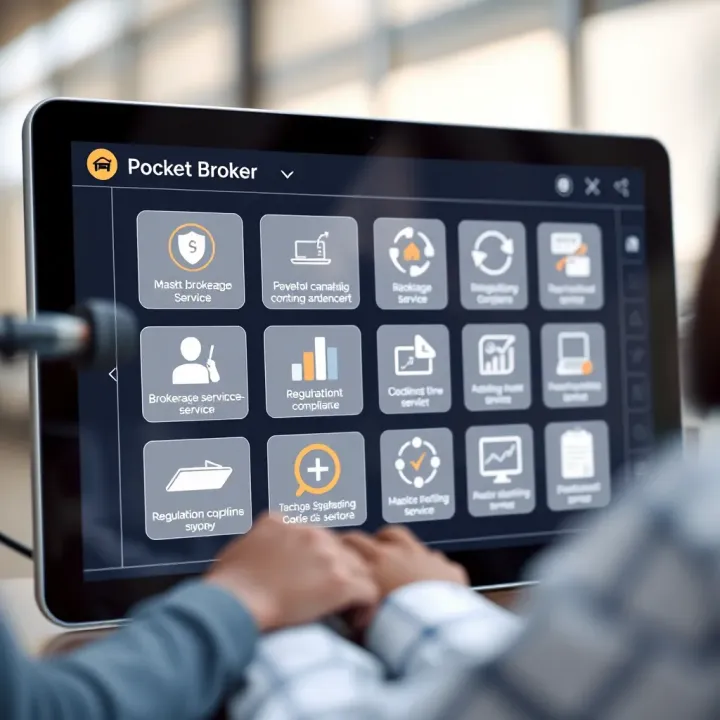
Pocket brokers have reshaped the way Nigerians access the stock market by offering several clear advantages, especially for retail investors who might find traditional brokerage firms less accommodating. Their benefits range from cost savings to improved access and real-time information, making them a practical choice for anyone serious about investing in Nigeria’s equities.
Reduced Brokerage Fees and Charges: One major draw is the lower cost structure. Unlike traditional brokers who may charge hefty commissions and administrative fees, pocket brokers often offer reduced charges thanks to their digital setup. For instance, an investor using a pocket broker app might pay a flat fee or a smaller percentage per trade, saving hundreds or even thousands of naira over time. This makes investing more affordable for small-scale investors who cannot afford large upfront costs.
Saving on Physical Office Visits: Physical visits to brokerage offices can be a hassle and cost money, especially for those living outside major cities. Pocket brokers eliminate this need by allowing users to open accounts and place orders entirely online—no need to trek across town, buy transport tickets, or waste time in queues. For rural investors, or those with busy schedules, this convenience means they can stay active in the market without additional logistical burdens.
Impact on Retail Investor Inclusion: Pocket brokers empower a new wave of retail investors who were previously sidelined by the complexities and costs of conventional brokerage. By stripping away barriers like minimum deposit requirements and complicated paperwork, these platforms encourage everyday Nigerians to participate in the stock market. This inclusion can lead to more diversified market activity and broadened ownership of Nigerian companies.
Trading from Any Location in Nigeria: The beauty of pocket brokers lies in their mobile-first nature. Whether you are in Lagos, Kano, or deep in the Niger Delta, you can trade stocks easily from your phone, provided you have internet access. This breaks down geographical restrictions, making the stock market truly national and accessible beyond major urban centres.
Access to Live Price Feeds and Alerts: Pocket brokers provide users with immediate updates about stock prices and market movements. Investors can receive push notifications on price changes, dividends, or market news, keeping them well informed for timely decisions. For example, someone watching Nigerian banking stocks can react quickly if the CBN announces policy changes affecting interest rates.
Educational Resources and Investment Insights: Many pocket broker platforms offer educational materials tailored to Nigerian investors, helping beginners understand market terms, strategies, and risks. This support equips users to make smarter choices rather than guessing blindly. Some apps also include expert analysis or personalised recommendations, which guide investors through volatile market conditions.
By combining cost efficiency, accessibility, and real-time intelligence, pocket brokers have opened new doors for Nigerian investors, making stock trading practical and potentially rewarding even for those with limited capital or experience.
This shift is particularly noticeable in the growing number of young Nigerians now trading equities comfortably from their mobile devices during their daily commute or small breaks at work. Such trends indicate that pocket brokers continue to reshape Nigeria’s investment culture in meaningful ways.
Pocket brokers and traditional brokerage firms operate quite differently, affecting how investors engage with the stock market. Understanding these differences is essential for Nigerian investors looking for the most suitable platform for their trading needs. The choice impacts everything from cost-efficiency and convenience to the level of personal service received.
Traditional brokers in Nigeria typically have physical branches where clients visit to open accounts, receive advice, or execute trades. These branches offer face-to-face interaction, which some investors find reassuring, especially those who prefer personal service or have limited digital literacy. However, visiting branches can be time-consuming and, in busy urban areas like Lagos or Abuja, often means battling traffic and waiting in queues.
In contrast, pocket brokers operate almost entirely through digital platforms, mainly mobile apps. This removes the need for physical visits, letting investors trade from anywhere—even in remote areas—as long as they have internet access. For example, apps like Trove and Bamboo allow Nigerians outside major cities to participate in the stock market without stepping into a branch, making investing much more accessible.
Despite lacking physical offices, pocket brokers maintain customer support teams accessible through chatbots, emails, or calls. While this support is often less personalised compared to traditional advisors, it offers quicker response times on general queries and technical issues.
Traditional brokers often provide personalised advisory services, ranging from investment recommendations to portfolio management. This can benefit clients who seek guidance, although these services might come at extra costs. For instance, retail investors who want a hands-on approach may still prefer a traditional firm that offers face-to-face meetings with investment officers.
Pocket brokers leverage real-time data feeds and immediate order execution via their apps. This feature benefits traders who make decisions based on live market movements, such as day traders or those reacting quickly to market news. Real-time trading helps mitigate delays common with physical processes in traditional firms, where order execution might lag due to manual handling.
Traditional brokers may offer real-time trading but often require trade instructions relayed through calls or emails, introducing delays. Consequently, pocket brokers can offer better responsiveness, which is crucial when market prices can change quickly within seconds.
Opening an account with a pocket broker typically involves a straightforward digital KYC (Know Your Customer) process. Users can scan their National Identification Number (NIN), upload necessary documents, and get verified within minutes.
Traditional brokers may require physical document submission and in-person verification, extending the time before trading can begin. Simplified digital onboarding through pocket brokers lowers barriers, especially for busy Nigerians or youths eager to start investing without visiting a branch.
Pocket brokers generally offer lower brokerage fees due to reduced overhead costs. Many boast transparent pricing models, clearly showing commissions and related charges within the app, helping investors understand costs upfront.
Traditional brokerage firms may have higher fees to cover branch operations and advisory services, sometimes including hidden charges like account maintenance fees. For example, a retail investor might face higher cumulative costs trading through a traditional firm, especially for small transactions.
Lower fees and minimum deposit requirements from pocket brokers open the market to small-scale investors. Someone with as little as ₦5,000 can start trading easily on a pocket broker app, whereas traditional brokers might require higher initial deposits and charge minimum commissions that eat into small investments.
This inclusivity encourages wider participation from everyday Nigerians, many of whom are wary of high costs or complexity associated with old-school brokers. Thus, pocket brokers have reshaped the retail investment landscape by lowering financial and procedural barriers.
Pocket brokers transform stock trading in Nigeria by blending affordability, speed, and ease, contrasting sharply with the traditional brokerage model's structured but often less accessible approach.
Understanding these differences helps Nigerian investors pick platforms that fit their lifestyle, risk appetite, and financial goals, making the stock market more reachable for many.
Understanding the regulatory framework and security measures behind pocket brokers is vital for Nigerian investors aiming to trade confidently. These considerations protect investors from fraud, ensure fair market practices, and safeguard sensitive data on digital platforms.
Pocket brokers must obtain a licence from the Securities and Exchange Commission (SEC) Nigeria before offering services. This licensing ensures they meet specific operational, ethical, and financial standards. For example, a pocket broker like Chaka secures SEC approval to operate legally and transparently, proving its compliance with Nigerian capital market laws.
Regulatory oversight also enforces investor protection mechanisms. SEC mandates pocket brokers to implement clear disclosure policies, maintain client funds in segregated accounts, and submit to regular audits. These steps reduce risks for retail investors and help resolve disputes effectively. An investor can thus trade with assurance that their ₦100,000 investment, say, is separated from the broker’s operational funds, reducing chances of misuse.
Protecting personal and financial information is central to maintaining trust in pocket broker apps. Users input sensitive data like Bank Verification Number (BVN), account details, and passwords. Strong encryption protocols should be standard to prevent unauthorised access. For instance, OPay employs end-to-end encryption, keeping users’ data confidential while transactions are processed.
Cybersecurity threats, however, remain a concern. Common risks include phishing scams, fake apps, and man-in-the-middle attacks. Nigerian investors should guard against these by:
Downloading apps only from official stores like Google Play or Apple App Store
Using two-factor authentication (2FA) where available
Avoiding public Wi-Fi when trading or logging into accounts
By exercising these precautions, investors minimise the chance of falling victim to cybercrime, which can lead to financial loss or identity theft.
Investing through pocket brokers offers convenience but comes with responsibility. Ensuring your chosen platform complies with SEC regulations and prioritises security can safeguard your investments and personal information in Nigeria’s growing digital market.
Selecting the right pocket broker is essential for Nigerian investors aiming to trade stocks efficiently via mobile platforms. Since these brokers vary widely in features and services, knowing what to look out for safeguards your investment and enhances your trading experience. This section breaks down practical factors to consider, steps to get started, and tips to trade smartly with pocket brokers.
A smooth, intuitive app makes trading less of a headache, especially for beginners. Look for pocket broker platforms designed with clean menus, clear navigation, and minimal technical jargon. For example, a simple dashboard showing your portfolio alongside buy/sell options speeds up decision-making, which is invaluable when markets move fast. Apps that crash or delay at peak times can cost you dearly, so test usability before committing.
Costs differ across pocket brokers, affecting your net gains. Some charge flat fees per trade, others take a percentage of the trade value, while a few sneak in additional charges for withdrawals or account inactivity. Always review the fee schedule carefully and compare it with your expected trade volume. A broker that shows all fees upfront, without hidden extras, builds trust. For instance, paying 0.3% per transaction may be cheaper than a ₦500 flat fee if you trade small amounts frequently.
When technical glitches or trading questions arise, responsive customer support is vital. Check if the broker offers multi-channel support—like phone, chat, or email—and how quickly they handle complaints. Efficient service can save time and reduce stress, especially for novice traders. For example, a 24/7 chat feature is valuable if you trade outside regular Nigerian business hours.
Opening an account usually requires your Bank Verification Number (BVN), valid identification, and some personal details. Many platforms now allow fully digital onboarding, eliminating the need for physical paperwork. The usual steps include downloading the app, submitting your identification documents, and verifying your bank account. This process typically takes a few hours to a day. The ease and speed of onboarding help you start trading sooner with less hassle.
Once your account is set, fund it through bank transfer, USSD codes, or mobile money services. Confirm the minimum deposit requirement, which could be as low as ₦5,000 on some brokers. Before placing orders, familiarise yourself with how to navigate the app to buy or sell shares. Many brokers offer demo accounts or tutorial guides to practise without risking real money.
Trading stock involves risks. Set daily or weekly loss limits to protect your capital and avoid emotional decisions. Use stop-loss orders where available to automatically sell shares if prices fall sharply. For example, if you buy a share at ₦100, a stop-loss at ₦90 limits losses if the price drops suddenly. This disciplined approach is particularly helpful in Nigeria’s often volatile market.
Most pocket broker apps provide market news, graphs, and company reports. Regularly check these tools to inform your decisions rather than trading blindly. For instance, monitoring a company’s earnings report or recent Nigerian Stock Exchange (NGX) announcements can give you an edge.
Stay updated with economic events, government policy changes, or local developments that impact the stock market. Subscribing to alerts or newsletters from sources like NGX helps you spot opportunities or risks early. Being informed allows you to react timely and make smarter trades.
Choosing the right pocket broker and using it effectively can significantly enhance trading success for Nigerian investors. Prioritise user-friendly platforms, clear fees, and strong support, then adopt disciplined trading strategies to navigate the market confidently.
📈 Discover how Tesla's share price affects Nigerian investors. Explore financial trends, global impacts, risks, and how it stacks up against top tech stocks in Nigeria.
📈 Discover how Nigerian investors can use copytrading to follow experts, understand the risks and benefits, and start smart investing today. 🇳🇬💼

📈 Master TradingView in Nigeria with this detailed guide! Learn to use charts, access real-time market data, and join a vibrant trading community today.
📱Get step-by-step help to sign in to Quotex, manage your account, and secure your trades. Perfect for Nigerian traders ready to navigate digital markets safely and smartly.
Based on 13 reviews