

Understanding Copytrading for Nigerian Investors
📈 Discover how Nigerian investors can use copytrading to follow experts, understand the risks and benefits, and start smart investing today. 🇳🇬💼
Edited By
Emily Thompson
Tesla's share price often grabs headlines worldwide, but its significance for Nigerian investors deserves practical attention. Understanding what drives Tesla's stock value can help you make informed decisions in a market where global tech firms increasingly intersect with Nigeria's growing investment landscape.
Tesla operates in the electric vehicle (EV) sector and renewable energy, areas gaining momentum even in Nigeria, where power challenges highlight the importance of sustainable solutions. However, its share price is not just about technology; it reacts strongly to several factors: company earnings, market sentiment, global economic shifts, and policy changes, especially in the US and China.
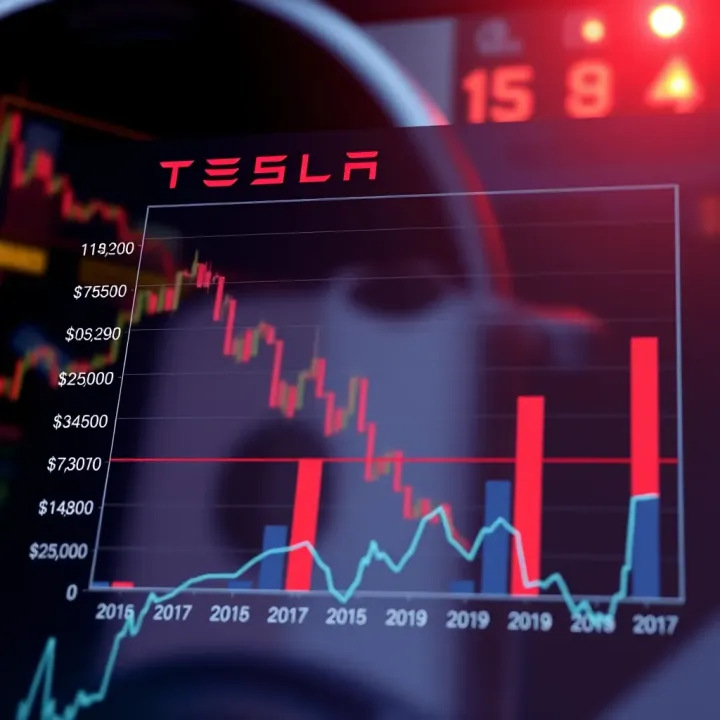
For Nigerian traders and investors, Tesla's stock represents a chance to diversify portfolios beyond local equities and the usual multinational companies. Yet, this comes with currency risk, since Tesla is traded in US dollars on the NASDAQ. Fluctuations in the naira dollar exchange rate can significantly affect returns. Moreover, fees and access limitations from Nigerian brokers sometimes complicate direct foreign stock investment.
Tesla’s share price volatility means Nigerian investors must balance potential high returns against risks like global policy shifts and currency swings.
Being aware of Tesla’s recent performance helps. In the past three years, Tesla shares have swung sharply due to production targets, innovation announcements, and Elon Musk’s public statements. This kind of volatility, while exciting, requires a steady strategy rather than reactionary trades.
Here are key points Nigerian investors should keep in mind:
Market Drivers: Tesla’s earnings reports, regulatory changes in EV markets, and battery tech breakthroughs impact share price.
Global Influences: US interest rates, Chinese automotive policies, and crude oil price shifts can indirectly affect Tesla’s stock.
Investment Channels: Access via Nigerian-friendly platforms such as Bamboo, Chaka, or Trove allows fractional investing in Tesla shares.
Risk Factors: Exchange rate risk, geopolitical tension, and company-specific unpredictability demand caution.
In sum, Tesla’s stock offers an intriguing yet complex option for Nigerians looking to extend investments beyond local boundaries. Knowledge of the financial, political, and technological factors shaping Tesla’s share price will guide better investment outcomes.
This article will break down these influences, comparing Tesla to other tech stocks accessible in Nigeria's market, helping you understand the practical implications for your portfolio.
Understanding Tesla’s share price is crucial for anyone considering investing in this automotive and tech giant, especially Nigerian investors who access global markets remotely. This section provides a firm grasp of how Tesla’s stock has performed over time and how its price moves recently, setting the foundation to make informed investment decisions.
Tesla’s rise from a niche electric vehicle maker to a top global company has been marked by dramatic share price growth. From barely breaking into the public market in 2010 at around $17 per share, Tesla’s price skyrocketed, hitting over $1,000 in early 2021, reflecting investor confidence in its innovation and expansion. For example, Tesla’s breakthrough in battery technology and aggressive scaling of production plants like Gigafactories pushed its valuation faster than many legacy carmakers could match. These historical trends show how innovation and market anticipation can influence a company’s stock value over the long term.
However, potential investors should note that Tesla’s share price has also been through sharp corrections. The market had to digest rapid growth while evaluating profitability and Tesla’s ability to meet deliveries amid supply chain hurdles. Such fluctuations are part of the stock’s lifecycle, showing both opportunity and risk.
In recent times, Tesla’s share price has witnessed notable volatility, often responding to quarterly results, CEO Elon Musk’s announcements, and broader tech stock trends. For instance, Tesla’s shares slid in mid-2023 following concerns about slowing deliveries and rising competition from other electric vehicle startups and established automakers. News about interest rate hikes by the US Federal Reserve also led to periods where tech stocks, including Tesla, faced selling pressure as investors rebalanced portfolios.
For Nigerian investors, recognising this pattern is key. The stock market can reflect sentiments quite quickly, and Tesla’s price reacts not just to company fundamentals but also to global economic factors. Investors should watch key events like earnings calls and regulatory changes, as these often trigger price movement. Also, Tesla’s stock trading on the NASDAQ means foreign exchange rates between the US dollar and the Nigerian naira can impact local returns, adding another layer to consider.
Insight: Tesla's share price history shows a mix of rapid growth and sharp corrections — learning these patterns helps Nigerian investors gauge entry points and possible risks when trading this stock abroad.
By understanding Tesla’s historical performance and its latest market behaviour, Nigerian investors can better time their trades, weigh potential returns against risks, and align their strategies with global developments. This overview sets the stage for deeper analysis of Tesla’s value drivers and investment implications tailored to the Nigerian context.
Understanding what influences Tesla’s stock value helps Nigerian investors make informed decisions. Tesla’s share price doesn’t move randomly; it reflects real-world factors like its finances, innovation strength, and competitive environment. Each of these elements offers clues about the company’s potential and risks.
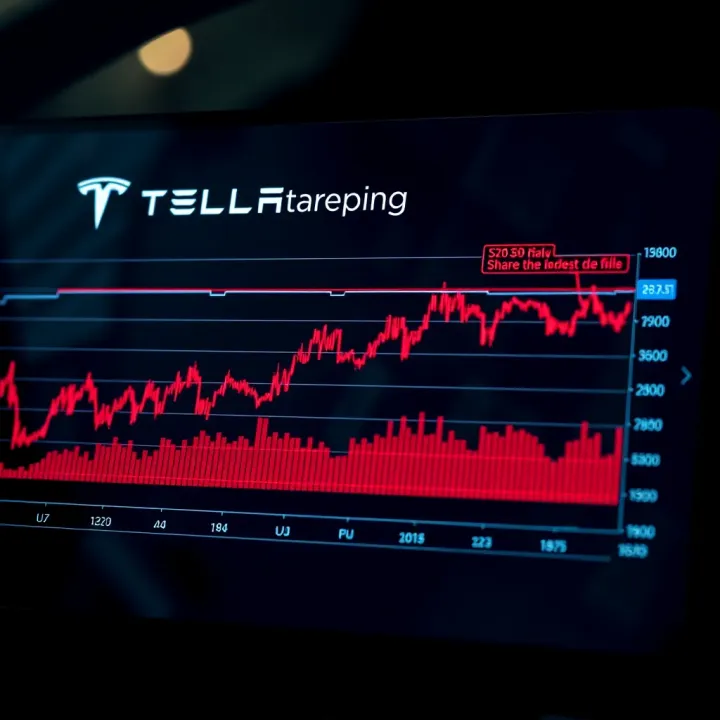
Tesla’s financial health directly affects its share price. Profits, revenue growth, cash flow, and debt levels provide a snapshot of business stability and growth prospects. For example, Tesla reported a net income of nearly $1.6 billion in 2023, showing it can generate solid profits despite economic challenges. Investors should check quarterly earnings to track if Tesla sustains profitability or faces increased costs, especially considering inflationary pressures common in global markets.
Strong cash flow ensures Tesla can fund new projects without excessive borrowing. However, debt levels matter too; too much debt can hurt confidence, especially if earnings falter. This financial footing often reassures investors, encouraging them to buy or hold shares.
Tesla is as much a tech company as it is an automaker. Their innovations in battery technology, autonomous driving software, and energy solutions continually reshape market expectations. Introducing the Tesla Cybertruck or expanding production of the Model Y can drive investor excitement. For Nigerian investors, recognising how innovation opens new revenue streams is essential, especially as Tesla ventures into solar energy and battery storage.
No company can depend on current products alone; ongoing innovation helps Tesla keep ahead. Success stories like their Full Self-Driving (FSD) software updates boost share price by promising future earnings tied to technology sales and maintenance.
Tesla does not operate in a vacuum. The global shift towards electric vehicles (EVs) means new competitors arise from both established carmakers (Volkswagen, Ford) and emerging startups. For instance, Chinese EV makers like NIO and BYD increasingly grab market share, forcing Tesla to respond.
Also, raw material costs for batteries—like lithium and cobalt—fluctuate with demand, affecting Tesla’s pricing and profit margins. Investors should monitor these industry trends alongside policy changes favouring green transport in markets like Europe and the US.
Tesla’s stock reflects more than just its sales;
For the Nigerian investor, understanding these key drivers helps judge whether Tesla remains an attractive long-term investment or if local alternatives might offer better potential in the shifting tech and transport landscape.
Global events play a significant role in shaping Tesla’s share price, and Nigerian investors must keep this in mind when navigating the stock market. Unlike purely local stocks, Tesla operates on a global scale, making it vulnerable to international developments that can influence its valuation abruptly. Understanding these events helps investors anticipate market shifts and manage risks better.
Geopolitical tensions between major economies, such as the ongoing trade disputes between the United States and China, directly affect Tesla. Since Tesla manufactures vehicles in both countries and relies heavily on international markets for sales, tariff impositions or diplomatic strains can restrict supply chains or reduce demand. For example, when the US imposed tariffs on some Chinese imports, Tesla’s production costs and pricing strategies came under pressure. Nigerian investors should watch developments like sanctions, trade agreements, or conflicts that might disrupt Tesla's access to key markets.
Tesla’s production depends on materials like lithium, cobalt, and nickel used in batteries. Shortages or price hikes in these commodities often occur due to mining disruptions, export restrictions, or rising global demand. Recently, supply constraints from major producers in places like the Democratic Republic of Congo or Chile have pushed prices up, impacting Tesla’s cost structure. Additionally, COVID-19 shutdowns caused delays in component deliveries, affecting output. Nigerian investors must note that whenever raw material prices rise, Tesla’s profit margins could shrink, leading to share price volatility.
Changes in environmental regulations, especially those promoting electric vehicles (EVs) or banning fossil-fuel cars, generally bolster Tesla’s market value. Government incentives in Europe or the US lower the effective price of EVs, boosting Tesla’s sales and investor confidence. On the flip side, stricter export controls on technology or tighter safety requirements might increase operational costs. Recently, the EU’s move to tighten battery recycling standards has raised concerns over increased expenses for manufacturers. Nigerian investors should monitor how policies in Tesla’s primary markets could affect growth prospects and financial returns.
Global developments may appear distant, but for an international player like Tesla, they hold real consequences. Staying informed can help investors in Nigeria make smarter decisions amid the company’s share price swings.
Understanding these global factors provides Nigerian investors a broader perspective — it’s not only corporate earnings or local stock sentiment that drives Tesla’s shares, but also complex international currents. By recognising how geopolitical shifts, resource scarcity, and regulatory changes interplay, investors can better gauge risks and opportunities when adding Tesla shares to their portfolios.
Tesla shares have attracted global attention, and Nigerian investors are no exception. Understanding how to invest in this American electric vehicle giant can open new opportunities, but there are key points Nigerian investors must consider before diving in.
Buying Tesla shares directly from Nigeria requires navigating foreign stock markets, as Tesla is listed on the Nasdaq in the United States. Nigerian investors typically access these shares through online brokerage platforms specializing in overseas stock trading. Examples include platforms like Chaka, Trove, and Bamboo, which provide access to US stocks with comparatively low fees.
To get started, you’ll need to create an account, complete identity verification (often requiring your National Identification Number, NIN), and fund your account in US dollars. Currency exchange remains a practical concern — exchanging naira for dollars at a favourable rate ensures better purchasing power. Transaction costs, forex fees, and transfer limits must be factored in before investing.
Tesla’s shares are known for volatility, often reacting sharply to company news, Elon Musk's statements, or regulatory changes. Nigerian investors should prepare for price swings, which might be unsettling if you’re used to the relative stability of local equities like Dangote Cement or Nestlé Nigeria.
Moreover, dollar exchange rate fluctuations add another layer of risk. For instance, if the naira weakens against the dollar after you buy Tesla shares, your investment value in naira terms can rise even if the stock remains flat in dollars — but the reverse is also true.
Regulatory hurdles specific to Nigerian investors include tax implications on dividends and capital gains. Understanding how the Federal Inland Revenue Service (FIRS) handles foreign investments is crucial to avoid surprises. Also, be cautious of scams promising high returns from US stocks.
It helps to compare Tesla’s growth and risks with Nigerian tech companies and other global stocks. While Tesla represents a high-growth tech and auto innovation giant, Nigerian tech startups often operate in different sectors like fintech (Paystack, Flutterwave) or logistics (Kobo360).
Investing in Tesla provides exposure to the electric vehicle revolution and renewable energy trends, which are still nascent in Nigeria. However, local tech stocks might offer more familiarity and direct involvement in the Nigerian market dynamics.
On the global stage, Tesla competes with giants like Apple and Google in tech, or BYD and NIO in electric vehicles. For Nigerian investors balancing their portfolio, blending Tesla with local equities and broader tech stocks can help balance return potential and risk.
Investing in Tesla from Nigeria is doable but demands clear attention to platform choice, forex risk, and tax treatments. Weighing global opportunities against local realities will help you make informed decisions.
By understanding these factors, Nigerian investors can approach Tesla shares with confidence and a strategy tailored to their financial goals and risk appetite.
Understanding the outlook for Tesla’s share price helps investors anticipate market movements and make smarter decisions. For Nigerian investors, particularly those dabbling in US stocks through platforms like Trove or Chaka, this outlook provides insight into risk management and profit opportunities aligned with global trends.
Many financial analysts view Tesla’s share price as tied closely to its production targets and market expansion plans. For example, projections often hinge on Tesla's ability to ramp up Model Y output at its Shanghai Gigafactory, a key driver for meeting global demand. Analysts also pay attention to Tesla’s energy storage and solar divisions, which could become significant revenue streams beyond vehicle sales.
On top of that, market expectations respond heavily to Tesla’s quarterly earnings reports. A slight deviation from forecasts—whether in vehicle delivery numbers or gross margins—can cause notable stock swings. For Nigerian investors, following these updates via financial news from Bloomberg, CNBC, or Nigerian financial portals offers timely cues for trading.
Experts often forecast Tesla’s price-to-earnings (P/E) ratio will align more with traditional automakers should the company stabilise its profitability and production. This signals a potential moderation in Tesla's stock volatility, creating a more predictable trading environment.
Tesla faces challenges that may shake the share price in the near term. Among them is the global semiconductor shortage, which could hamper production volumes. Nigeria’s investors should also watch macroeconomic factors like rising US interest rates, which typically pressure high-growth tech stocks including Tesla.
Trade tensions, especially between the US and China, remain a wild card. Any major disruption could delay Tesla’s expansion plans or increase costs, impacting profitability.
Still, there are clear opportunities. Tesla’s announcement of breakthroughs in battery technology, such as the 4680 cells, could slash costs and improve vehicle ranges, attracting more buyers.
Besides product innovation, Tesla’s ventures into autonomous driving software and energy solutions represent additional revenue streams that could boost the share price.
For Nigerian investors, keeping an eye on both global supply chain issues and Tesla’s technological advances is critical. It shapes not only stock behaviour but also timing for buy or sell decisions.
In summary, the near future for Tesla’s share price holds a blend of risks and potentials. Staying updated on these dynamics ensures Nigerian traders avoid surprises and capitalise on favourable trends while managing exposure effectively.
📈 Discover how Nigerian investors can use copytrading to follow experts, understand the risks and benefits, and start smart investing today. 🇳🇬💼
📈 Master TradingView in Nigeria with this detailed guide! Learn to use charts, access real-time market data, and join a vibrant trading community today.

📈 Explore Bitcoin Cash (BCH) price trends, expert insights, and key factors shaping its future. A must-read guide for Nigerian investors seeking informed crypto decisions.

📈 Dive into detailed XRP price prediction and analysis for Nigerian investors. Understand trends, tech, market factors, and expert insights to make smart decisions.
Based on 13 reviews