
Choosing the Best Online Trading App in Nigeria
📈 Discover how to choose the best online trading app in Nigeria! Learn about key features, security, and platforms for a smooth trading experience.
Edited By
Oliver Thompson
Navigating the online trading space in Nigeria has become a bit like choosing the right pair of shoes — it’s got to fit your style, comfort, and the roads you plan to walk on. With so many trading platforms popping up, each promising smooth sailing and big gains, things can get messy fast.
This guide cuts through the noise to help you ask the right questions and make choices that suit your trading goals and risk appetite. From understanding platform features to sizing up fees and security measures, we’ll break down the essentials without fluff.
Picking a trading platform isn’t just about flashy tools or zero commission. It’s about trust, usability, and knowing you’re backed up by proper regulation.
Whether you’re just starting or eyeing a smarter move, the goal here is simple: empower you with clear info to trade wisely in Nigeria’s financial arena.
Picking the right online trading platform in Nigeria isn’t just about flashy ads or promises of quick profits. A good platform works like a trusty toolbox: it should have the right gear for your needs, be easy to handle, and keep your assets safe. When you're trading stocks, forex, or commodities, having the right features and security measures in place can make or break your experience.
The practical benefit? A reliable platform can help you act swiftly when markets move, understand your options better, and protect your hard-earned money from hackers or scams. For example, a user-friendly interface means you won't have to wrestle with complicated menus just to place a trade. Meanwhile, access to different asset classes lets you diversify without hopping between different brokers. And real-time market data keeps you plugged into the market’s pulse so you can make informed decisions.
Companies like Trove and Bamboo have made strides in Nigeria by offering intuitive trading experiences combined with solid security, showing how good platforms can balance ease and safety. Knowing what makes a trading platform stand out helps you avoid costly mistakes and trade confidently.
Nothing kills momentum faster than a platform that's difficult to navigate. A user-friendly interface means the design is clear and intuitive — buttons are where you'd expect them, and important info is easy to find. For traders in Nigeria, who might be juggling other commitments, having a straightforward layout boosts efficiency. Platforms like Chaka have nailed this, allowing users to jump from checking portfolios to executing trades without breaking a sweat. Plus, a clean interface means less chance of accidentally hitting the wrong button at a critical moment.
Diversification is a key strategy to managing risk, so it’s important your platform offers a wide range of assets. Nigerian traders should look for platforms that provide access not just to local stocks, but also to international shares, forex, commodities, and even cryptocurrencies. For example, Bamboo lets users buy shares on the Nigerian Exchange as well as the US market, giving investors options to spread their bets. Having variety right there in one place saves you the hassle of opening multiple accounts and worrying about currency conversions.
Markets can swing swiftly — a single tweet or breaking news can cause prices to jump or drop within seconds. That’s why real-time market data is a non-negotiable for any serious trader. Without up-to-date prices, you risk making decisions based on stale information, which can lead to losses or missed opportunities. Platforms like Trove offer live price updates and charts so you always know where the market stands. For Nigerians trading across time zones or amid volatile markets, immediate data feeds can be the difference between profit and regret.
Trading platforms handle a heap of sensitive data — from personal identification details to bank account info and trading habits. Protecting this data from breaches or leaks is vital. Look for platforms that use encryption methods such as SSL (Secure Sockets Layer) to make sure your info travels safely across the internet. Failure here can expose your details to cybercriminals, leading to identity theft or unauthorized transactions. A good trading platform treats data privacy as sacred.
Beyond just keeping your data safe, account security means preventing unauthorized access. Features like two-factor authentication (2FA), biometric login (fingerprint or face recognition), and regular security audits offer extra layers of defense. For example, while some Nigerian platforms only require a password, better ones like Bamboo add 2FA, requiring you to verify through your phone or email before logging in. This extra step might seem small but can stop hackers cold.
Trading in Nigeria or internationally demands trust. That trust comes easier when the platform operates under clear regulations and oversight. The Nigerian Securities and Exchange Commission (SEC) supervises local brokers, ensuring they meet legal standards and practice fairness. Using a regulated platform means there are rules making sure your funds are segregated from company money and that dispute resolution processes are in place if things go sideways. Always check that your chosen platform is licensed by SEC or relevant authorities before committing your capital.
In the end, a platform that’s easy to use, feature-rich, and secure lets traders focus on smart decisions rather than tech headaches or worries about safety. By knowing what to look for, you can avoid common pitfalls and build your trading journey on a solid foundation.
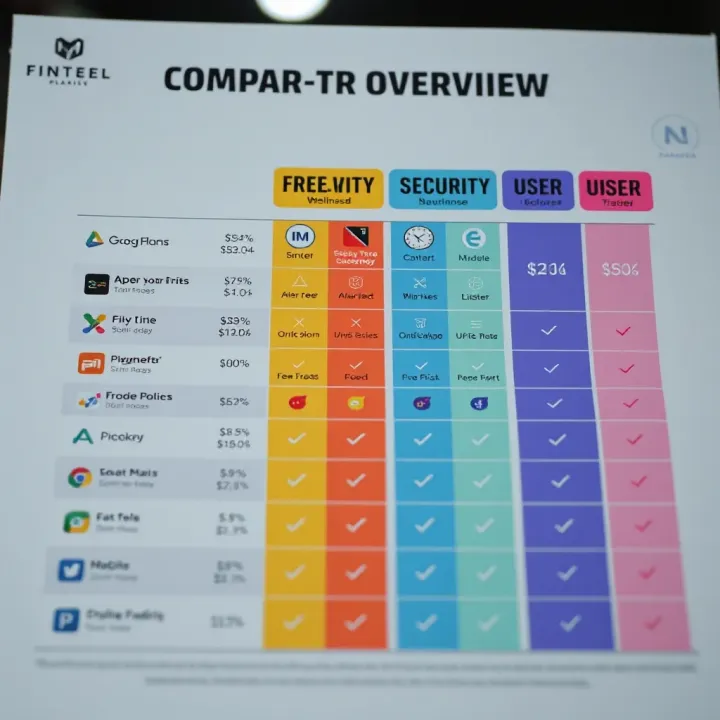
Picking the right trading platform is like choosing the right tool for a job — it can make all the difference between a smooth experience and a frustrating one. In Nigeria, with the range of platforms out there, it's important to compare them carefully so you don't end up stuck with something clunky or expensive. By looking at what each platform offers, you can find one that fits your style, whether you're a casual investor or a day trader hunting for quick moves.
Local platforms like Chaka, Risevest, and Bamboo have grown popular because they understand the Nigerian market nuances, such as local payment methods and regulatory needs. These platforms often support NGN deposits directly through bank transfers or mobile money services like Paga. They also tend to offer access to Nigerian stocks alongside international markets, which is great if you want to diversify without hopping between providers.
One key benefit is customer support in local languages and a better grasp of local compliance rules, helping traders avoid common pitfalls. For instance, Bamboo lets Nigerians invest in US stocks with minimal fuss, capitalizing on local payment options like GTBank transfers.
On the flip side, big international platforms like eToro, Interactive Brokers, or AvaTrade serve Nigerian traders wanting a wider range of assets — think Forex, commodities, or thousands of global stocks. These platforms have advanced tools and often better liquidity but might require workarounds for funding, such as Wire transfers or international credit cards.
While these platforms offer more features and sometimes lower spreads due to higher volume, Nigerians need to be wary of higher withdrawal fees or slower processing times. Still, if you're hunting for specific markets like cryptocurrencies or futures that local platforms rarely offer, this is where you might look.
Trading on the go is a must nowadays, so how well a platform’s app performs can make or break your experience. Most popular Nigerian platforms provide slick apps with real-time prices and easy trade execution. For example, Chaka's app is appreciated for its user-friendly design and stability, which is crucial for quick reactions during volatile market hours.
International platforms also include mobile apps, but some might be less optimized for Nigerian network conditions, causing delays or crashes. Always test demo versions or read user reviews about the app's responsiveness before committing.
Understanding fees saves you from nasty surprises. It's a big part of why comparing platforms upfront matters.
This is the straightforward fee for every trade you place. Some platforms like Bamboo offer zero-commission trades on certain stocks, while others might charge a percentage per trade or a flat rate.
If you trade frequently, commissions can pile up quickly. Always check the rate structure; for example, Risevest charges a fixed fee per transaction, which may benefit larger trades but hinder smaller ones.
Spreads—the difference between buy and sell prices—are another hidden cost. Brokers might mark these up subtly. In Forex and CFDs trading, spreads can vary during high volatility or low liquidity periods. Platforms like AvaTrade advertise tight spreads but might widen them during news events.
Make sure to compare advertised spreads with real user experiences. Sometimes a platform with slightly higher commissions but lower spreads comes out cheaper overall.
Watch out for extra charges such as withdrawal fees, inactivity fees, or currency conversion costs. Many Nigerian traders find surprises here. For example, if you fund your account in NGN but your trades settle in USD, currency conversion fees sneak in.
Some platforms might charge you for withdrawing your funds to a local bank, which can eat into your profits. Always inquire upfront about these fees and factor them into your cost calculations.
Before you dive in, list all the potential fees and compare them in a spreadsheet. It’s the best way to see the real cost difference between platforms.
Taking time to compare options means your money and effort don't go to waste chasing a platform that suits neither your trading goals nor your budget. With these points in mind, picking the right platform becomes less about guesswork and more about clear, informed choices.
User experience and platform usability play a big role when picking an online trading platform, especially for Nigerian traders who often juggle busy schedules and varying levels of tech-savviness. A platform that’s clunky or confusing can cause frustrations or even costly mistakes. Beyond just looks, usability affects how quickly you can react to market changes, place orders, and track investments.
For newbies testing the waters, demo accounts are a lifesaver. These free practice environments let you trade with fake money but real-time data, helping you understand the platform without risking capital. Many platforms like Remitano and Trove offer these demos alongside easy-to-follow tutorials, which break down complex trading concepts into bite-size lessons. Starting with this foundation reduces the guesswork and boosts confidence before diving into live trading.
Nobody wants to navigate a maze just to buy or sell stocks. Simple order placement is crucial — think quick buttons, clear instructions, and minimal steps from logging in to confirming your trade. Nigerian traders often value platforms that let them execute trades swiftly, especially during volatile market hours. For example, platforms like Bamboo provide a clean interface where buying a stock takes two or three taps, making it much harder to miss a timely buy or sell opportunity.
For those who like to dig deeper, sharp and responsive charting tools are non-negotiable. These visual graphs let traders spot trends, price movements, and historical data patterns. Platforms with customizable charts, like TD Ameritrade or even local brokers integrating TradingView charts, allow users to apply different time frames, overlays, and drawing tools. This hands-on visual support helps traders time their entries and exits precisely.
These are formulas and statistical measures, like moving averages or RSI (Relative Strength Index), that analyze price data to flag potential market movements. Experienced Nigerian traders look for platforms that include a solid range of these indicators, letting them test strategies and spot momentum or reversal signals. Good platforms integrate indicators right on charts for seamless analysis, which saves time and avoids flipping between apps or websites.
Automated trading might sound fancy, but it simply means letting the platform execute trades based on preset rules — like buying a stock if it drops below a certain price. For Nigerians who can’t stare at screens all day, this can be a real asset. Some platforms offer bots or scripts you can customize so they trade on your behalf, reducing emotional decision-making and ensuring discipline. While not every trader jumps on this tech, advanced tools in apps like Ubuy Nigeria make this option easy to explore for those ready to give it a shot.
Good user experience isn't just a luxury; for traders, it directly impacts how effectively they manage their investments. Whether you're just starting or have years of trading under your belt, a platform that fits your skill level and workflow can make all the difference.
Choosing the right online trading platform in Nigeria isn't just about flashy features or low fees. One critical aspect that often gets overlooked is the regulatory and legal framework that governs these platforms. Regulations protect traders from fraud, ensure transparency, and set standards for fair trading. Without this framework, investors would be walking blind, risking their hard-earned money with little recourse.
Nigerian financial regulations play a big role in shaping how online trading platforms operate locally. At the heart of this system is the Securities and Exchange Commission (SEC), the primary body responsible for overseeing and regulating capital markets in Nigeria.
The SEC’s job is to make sure trading platforms follow the law and protect investors. It issues licenses for online brokers and ensures these platforms meet standards like capital requirements, operational transparency, and fair dealing practices. For example, platforms like Meritrade and Chaka have SEC approval, giving Nigerian traders a layer of trust that their investments are safeguarded against shady practices.
When a platform is SEC-regulated, it means your funds and data are subject to strict rules, making it harder for fraudsters to operate. So, always check whether the platform is licensed by the SEC before signing up.
Compliance means following all the rules set by regulators, and Nigerian trading platforms have to tick several boxes. This includes maintaining sufficient capital reserves, submitting regular financial reports, and enforcing anti-money laundering (AML) policies.
Platforms must also implement Know Your Customer (KYC) procedures, verifying traders’ identities to reduce risks of fraud and enhance security. For traders, this translates into a safer environment where your personal info and investments are safeguarded.
Regulation doesn’t just ask platforms to color inside the lines; it actively protects investors through specific mechanisms that are worth knowing.
One key protection is client fund segregation. Essentially, this means the platform has to keep traders’ money separate from its own operating funds. So, if the platform runs into financial troubles or bankruptcy, there’s a clear distinction that helps ensure your money isn’t caught up in company debts.
For instance, if you deposit ₦50,000 into a platform like Trove, those funds should be held in a separate account, untouchable by the company’s creditors. This setup minimizes the risk of losing your capital due to issues unrelated to your trading.
Even well-regulated platforms can run into disputes with clients. The good news is Nigerian regulations require clear dispute resolution processes, giving investors a way to settle conflicts without jumping through hoops.
This could involve mediation or arbitration supervised by the SEC or other financial bodies. Knowing that there’s a structured system for handling complaints gives traders confidence they have some protection if things go sideways—like if a withdrawal is delayed without reason or an unauthorized trade happens.
Understanding the regulatory environment is more than a box-ticking exercise—it's about ensuring your trading journey has a safety net. Check for SEC registration, ask about fund segregation policies, and know how to resolve disputes before committing your money to any platform.
By staying informed about these legal and regulatory aspects, Nigerian traders can better navigate the market, avoid pitfalls, and choose platforms that prioritize safety and fairness.
When dealing with online trading, getting your money in and out smoothly is just as important as making smart trades. In Nigeria, the choice of funding and withdrawal methods can make or break your trading experience. Not only do these options affect convenience but also the safety and speed of managing funds, especially given the local banking landscape and regulatory environment.
Traders need to look out for payment methods that are widely accepted, fast, and secure. For example, delays in withdrawing profits or deposits can throw off buying opportunities and affect cash flow management. Furthermore, understanding the fees and potential hiccups with each method helps you avoid lost money or unexpected charges. Let’s take a closer look at the popular ways Nigerians fund their trading accounts and withdraw earnings.
Bank transfers remain the bread and butter for funding trading accounts in Nigeria. Most trading platforms support transfers directly from Nigerian banks, which traders find reliable and familiar. The obvious advantage is its widespread acceptance and connection to local currencies, preventing conversion hassles.
However, bank transfers can sometimes be slow—it’s not unusual for funds to take 24 to 48 hours to reflect, especially if it’s an inter-bank or international transfer. Platforms like GTBank and Zenith Bank are common gatekeepers here since they handle a bulk of Nigerian online transactions. When using bank transfers, make sure to confirm the exact bank details and verify the platform's account to avoid errors or fraud.
Mobile money has taken Nigeria by storm, with services like Paga and OPay making it easy for even those without bank accounts to trade online. This option shines in its speed and accessibility, letting traders deposit funds right from their mobile phones with just a few taps.
One standout benefit here is the near-instant transaction times and no need to queue at banks. If you’re trading on the go, mobile money is a solid choice. Watch out, though, as some platforms limit the transaction size or charge slightly higher fees for mobile money deposits.
E-wallets such as Flutterwave and Paystack are another convenient option, bridging various payment methods including cards, bank transfers, and mobile money. They are popular on Nigerian online trading platforms due to their flexible payment options and relatively quick processing.
Using e-wallets means you can top up your trading account instantly from multiple sources without repeatedly entering your bank details. This adds a layer of security and speed. Some platforms also offer cashback or bonuses on deposits made via e-wallets, which can be a nice perk.
Processing times for withdrawals vary widely between platforms and payment methods. For Nigerian traders, waiting even a day or two can be frustrating, especially in a market that moves fast.
Bank withdrawals usually take longer—up to 3 business days in some cases. Mobile money and e-wallet withdrawals tend to be quicker, sometimes clearing within hours. Traders should review the platform’s withdrawal policy carefully to understand turnaround times and possibly keep track of typical delays during weekends or public holidays.
Nothing irks traders more than hidden withdrawal fees eating into their profits. It’s essential to clarify upfront what charges apply. Some platforms offer free deposits but slap a fee on withdrawals, while others charge a percentage of the transaction.
Here’s what to watch for:
Fixed withdrawal fees that apply regardless of amount
Percentage-based charges on larger withdrawals
Fees from intermediary banks in international transactions
For example, a platform might say withdrawals are free, but the bank involved charges Naira 500 per transfer. Knowing these details helps traders anticipate costs and plan withdrawals accordingly.
Always factor in funding and withdrawal logistics when choosing a trading platform. Smooth, affordable access to your funds is key to staying nimble in Nigeria’s lively trading environment.
In summary, Nigerian traders should prioritize platforms offering several payment options, reasonable fees, and quick withdrawal processes. Whether you prefer bank transfers, mobile money, or e-wallets, understanding each method’s nuances can save you headaches and help keep your trading account topped and ready.
In Nigeria, the rise of smartphones has transformed how people engage with financial markets. Mobile trading and app functionality aren’t just convenient extras; they’re becoming essential for any serious trader. The ability to access your trading platform anytime and anywhere can tip the scales between seizing a market opportunity or missing out altogether. In this section, we’ll break down why mobile access matters and what features you should expect from a top-notch trading app.
Let’s face it: Nigerians are always on the move. Whether commuting in Lagos traffic or taking a break at a local café, having the freedom to trade on your phone means you don’t have to be glued to your computer. Mobile trading allows you to respond to market changes instantly. For instance, if you spot a sudden dip in the Nigerian Stock Exchange (NSE) shares you follow, you can execute a buy or sell order straight from your smartphone without delay.
A real-life example is the usage of the GTBank mobile app, which many traders rely on to quickly fund their trading accounts or check balances before making trades. When your platform’s mobile app supports stable trading on the go, it cuts the risk of missing timely price movements and keeps you in the game.
Nobody has the time to stare at charts all day, and this is where push notifications come in handy. The right app will send you timely alerts about price changes, market news, or order fills. Imagine getting an instant notification that your stop-loss order was triggered, or a heads-up about a new IPO on the NSE — this keeps you in control without constant monitoring.
Using apps that provide customizable notifications helps you tailor alerts to your trading style, so you’re not bombarded with irrelevant updates. This feature ensures you stay informed and can act fast, which is worth its weight in gold during volatile trading periods.
An app that freezes or crashes when you try to place a crucial trade can cost you dearly. It’s important to opt for trading platforms with apps that have proven performance records on popular devices like Samsung Galaxy, Infinix, and Tecno phones common in Nigeria.
Apps like EFG Hermes’ markez platform offer smooth, swift trade execution even on average mobile data speeds, which is a big plus given the variability in internet quality across Nigeria. Look for apps that require minimal loading times and function well without constant internet drops — this ensures you don’t face downtime at critical moments.
A cluttered or confusing app can complicate even the simplest trade. The best trading apps are intuitively designed for both beginners and experienced traders. This means clear navigation menus, readable charts, easy order placement buttons, and straightforward portfolio overviews.
For example, the Bamboo app presents an uncluttered dashboard and simple transaction flows, which appeals to Nigerian traders who prefer a no-nonsense approach. A clean, attractive user interface reduces mistakes like putting in the wrong order type or asset and makes your overall trading experience far less stressful.
Mobile trading platforms in Nigeria should balance quick accessibility with reliable technology and user-friendly designs to meet the needs of diverse traders—from rookies to seasoned pros.
In summary, when picking an online trading platform, don’t overlook mobile trading capabilities. Ensure the app supports fast and reliable trade execution, customizable alerts, and a clean interface to empower your trading activities wherever you are.
When picking an online trading platform in Nigeria, the quality of customer support and the availability of educational resources can often make or break your experience. Good support ensures you won’t be left hanging if issues pop up, while educational tools help sharpen your skills and make smarter decisions over time. Together, they provide a strong safety net and growth path for both newbies and seasoned traders.
A reliable trading platform offers multiple ways to reach support—think phone calls, live chat, email, and sometimes a dedicated WhatsApp contact. For instance, platforms like Chaka and Trove provide WhatsApp support, popular in Nigeria, so traders can quickly get answers without needing a fancy setup. Having different channels means you can pick what suits you best, whether you’re in a rush or need detailed help.
Speed matters when your investment decisions are on the line. Platforms that respond within minutes to chats or calls rather than hours can save you from missing trade windows or solving frustrating glitches. For example, some platforms boast an average response time of under 10 minutes during trading hours, which is critical when markets move fast. Quick handling of issues also builds trust—no one likes waiting days for a fix on a blocked withdrawal or technical snarl.
Webinars are like live classrooms where experts guide traders through strategies, market analysis, and platform navigation. For instance, platforms such as Bamboo often host weekly sessions focused on Nigerian market trends or how to interpret stock charts. These interactive sessions let traders ask questions in real-time, which can clear up confusing concepts far faster than reading articles alone.
Comprehensive guides and tutorials are a lifeline, especially for beginners learning the ropes. Platforms like Chaka and Cowrywise provide clear-written content explaining everything from opening accounts, placing orders, to managing risk. Good articles break down jargon and provide step-by-step instructions, so you don’t feel like you’re decoding a secret language.
Community forums offer a space where traders share experiences, trade tips, and insights about the Nigerian market. Engaging in platforms’ forums or third-party groups like those on Reddit or Nairaland can give you real-world viewpoints beyond official tutorials. Peer advice sometimes highlights pitfalls or clever hacks that official docs miss, making it a handy resource for finesse and perspective.
Having solid customer support alongside a well-stocked educational toolkit helps Nigerian traders not just trade but trade smartly and safely. It’s about being supported every step and learning continuously to keep pace with changing markets.
Navigating the world of online trading in Nigeria comes with its fair share of hurdles and potential pitfalls. It's essential to understand these risks not just to avoid losses, but to trade smartly and securely. From the unpredictability of the market to the lurking danger of dishonest platforms, being aware is half the battle won.
Market swings can be wild, especially in emerging markets like Nigeria’s. Prices may spike or drop dramatically within minutes due to news, economic changes, or investor sentiment. This volatility means your investments can quickly lose value if you’re not careful.
Understanding risk levels means grasping how much you’re willing to lose versus what you aim to gain. For example, investing all your funds in a single stock like Dangote Cement without considering broader market risks could backfire during economic downturns.
Using stop-loss orders is a practical way to guard against big losses. This tool lets you set a price point that automatically sells your asset if the price falls too far. For example, if you buy shares at ₦200 each, setting a stop loss at ₦180 ensures that if the stock dips below that, it sells, limiting your losses.
Stop-loss orders help take emotion out of trading decisions and keep losses manageable. But remember, in extremely volatile markets, prices might skip your stop loss due to gaps, so it’s not a foolproof shield.
The internet in Nigeria is filled with both legitimate online trading platforms and some bad actors looking to make a quick buck. Recognizing the warning signs can save you bundles of trouble.
Red flags to watch for include promises of guaranteed returns or unusually high profits with little explanation. A legitimate platform won’t claim you’ll get rich overnight. Also, pay attention to the quality of the platform’s website and user reviews. Platforms asking for upfront fees before account setup or those lacking proper contact information should raise eyebrows.
Verifying platform legitimacy means checking their registration status with bodies like the Nigerian Securities and Exchange Commission (SEC). A legit broker must follow SEC regulations and offer transparency regarding fees and operations. You can cross-check licensed entities on official SEC publications or verified financial service listings.
Never rush into signing up without verifying the platform’s credentials. Even a quick call to their customer service can reveal a lot about their professionalism.
By keeping an eye on these risks and challenges, you'll stand a better chance of making sound decisions and steering clear of costly mistakes in Nigeria's online trading scene.
Diving into online trading can feel like stepping into a bustling marketplace without a map. But getting started is easier than most think, provided you understand the basic steps and requirements. In Nigeria, the process involves setting up your account securely, complying with regulations, and learning how to place your first trade confidently.
Before you can actually buy or sell assets, you need to sign up with an online trading platform. This step is straightforward but essential for security and regulatory purposes.
Required documentation usually includes a valid government-issued ID, such as a Nigerian National ID card, driver's license, or International Passport. Platforms like Chaka or Trove will also ask for proof of address, such as a recent utility bill or bank statement, to confirm your residence. These documents help the platform verify your identity and prevent fraud. Missing or unclear documents will delay your approval, so double-check scans and photos before uploading.
KYC procedures, or Know Your Customer processes, are a legal requirement designed to protect you and the platform from illegal activities like money laundering. During KYC, the platform confirms your identity using the documents you provide and may also request a selfie or a short video call for live verification. For instance, platforms regulated by the Nigerian SEC insist on strict KYC checks to ensure compliance. Completing these procedures responsibly is vital, as it not only guarantees your account's security but also ensures you can trade without future interruptions.
Once your account is verified, the next big step is placing your first trade. It's where all your preparation meets real action.
Selecting assets means choosing what you want to buy or sell. Nigerian traders often start with familiar options like Nigerian stocks listed on the Nigerian Stock Exchange or popular commodities like oil and gold. Some platforms also offer foreign stocks like Apple or Tesla through fractional share trading. Your choice depends on your investment goals and market knowledge. For example, a beginner might pick blue-chip stocks like MTN Nigeria for safer entry.
Executing orders involves specifying the quantity and price at which you want to buy or sell the asset. Most platforms offer different order types such as market orders, which buy or sell immediately at current prices, and limit orders, which execute only if the price hits your target. Nigerian platforms like Bamboo provide a simple interface to execute these orders on both mobile and desktop. Make sure you understand how each order works to avoid unintended trades.
Starting to trade can seem intimidating, but each step—from signing up to executing your first order—is designed to put control in your hands. Good platforms guide you through these stages, so take your time and trade smart.
Getting started is a mix of following legal steps and understanding basic trading mechanics. With these clear guidelines, Nigerian traders can avoid common pitfalls and kick off their trading experience on the right foot.
📈 Discover how to choose the best online trading app in Nigeria! Learn about key features, security, and platforms for a smooth trading experience.

🔍 Discover how Nigerian investors can pick the right copy trading platform. Learn to assess features, manage risks, and follow regulations wisely. 📈

Explore Deriv for online trading in Nigeria 🇳🇬. Learn about account setup, trading options, payment methods, and tips to trade smartly while managing risks.
Discover Deriv's trading platform, features, account types, and regulatory status. Perfect for Nigerian traders exploring online trading 📈🇳🇬
Based on 11 reviews