

Best Trading Platforms in Nigeria: A Practical Guide
Find the best trading platform in Nigeria! Explore security, costs, types, and regulations to pick the perfect fit for your trading style 📊🇳🇬
Edited By
Oliver Thompson
Forex trading, simply put, is the buying and selling of currencies on the foreign exchange market. For Nigerians looking to grow their money or diversify investments, forex trading offers opportunities but also carries serious risks.
The forex market operates 24 hours a day, five days a week, making it flexible for traders to participate at times that suit their schedules. Unlike stocks, forex involves currency pairs, such as the US dollar against the Nigerian naira (USD/NGN), where you speculate on the value changes between them.
Understanding forex basics is not just about knowing how to trade, but also how to manage risks and identify realistic profits.
Many beginners jump in without grasping key concepts like leverage, spreads, and margin. Leverage lets you control larger amounts of money with a small deposit but can amplify losses if the market moves against you. For example, a leverage of 50:1 means ₦10,000 can control ₦500,000 worth of currency. While this might sound appealing, a small market swing can wipe out your investment if you're careless.
Choosing a reputable broker regulated either internationally or recognised by Nigerian financial authorities.
Practising with demo accounts that mimic real trading without risking actual funds.
Setting clear limits on how much you're willing to lose, especially given Nigeria’s naira volatility.
Many Nigerians fall into common traps like following ‘hot tips’ from social media or risking large sums to chase quick profits during ember months when spending habits generally rise.
Being well-informed and disciplined pays off. Besides local banks and brokers, fintech platforms like OPay and Flutterwave offer accessible ways to fund forex accounts securely. Still, you must verify all regulatory credentials before trading.
This article will unpack the essentials, including how to choose currency pairs, use basic analysis tools, and avoid pitfalls that beginners face commonly in Nigeria. Whether you're an investor or a trader, the goal is to equip you with the knowledge to trade forex confidently and with care.
Grasping the basics of forex trading is essential before diving into Nigeria's currency market. This knowledge helps you avoid costly mistakes and makes it easier to spot genuine opportunities. For example, understanding how exchange rates move can prevent you from buying dollars when the naira is likely to weaken further.
Foreign exchange, or forex, simply means swapping one currency for another. It's a global market where currencies from different countries are bought and sold. Every time you exchange naira for dollars or pounds, you're participating in forex, even if it's just at your local bureau de change.
Major currencies traded globally include the US dollar (USD), euro (EUR), British pound (GBP), Japanese yen (JPY), and the Swiss franc (CHF). The US dollar often plays a central role because many commodities and international trades use it, making it a key player in forex markets worldwide.
Currency pairs show the value of one currency against another. For instance, in the pair USD/NGN, the first currency (USD) is the base, and the second (NGN) is the quote currency. The price tells you how much naira you need to buy one dollar. This system helps traders speculate or hedge on currency movements.
Nigerians see forex trading as an avenue to access international markets easily and earn from currency fluctuations. For example, businesses involved in import-export might use forex trading to manage risks related to naira volatility. Individuals also try to profit from short-term currency movements, especially when naira weakens against major currencies.
Forex trading offers an additional income source apart from traditional jobs. Some Nigerians engage in it part-time, hoping to supplement their earnings. Given the country’s high inflation and unstable exchange rates, forex trading can sometimes protect wealth better than saving naira in a local bank.
Compared with other investments like stocks or real estate, forex trading requires less starting capital and offers more flexibility. However, it also comes with higher risks and demands quick decision-making skills. While shares or property may grow slowly, forex can provide fast returns, but only if traders understand the market and manage risks properly.
Understanding these fundamentals sets the stage for successful forex trading and helps Nigerians navigate the complex world of currency markets with confidence.
Understanding the basics of forex trading is key for any Nigerian trader aiming to navigate the market confidently. Grasping essential concepts such as currency pairs, quotes, leverage, and margin is not just theoretical—it directly influences how you make decisions and manage risks when trading in the volatile forex market.
In forex trading, currencies are always traded in pairs, like USD/NGN or EUR/USD. The first currency in the pair is the base currency, while the second is the quote currency. This setup tells you how much of the quote currency you need to buy one unit of the base currency. For example, if the USD/NGN pair is quoted at ₦460, this means you’ll need ₦460 to buy 1 US dollar.
Forex quotes come in two prices: the bid and the ask. The bid price is what the market will pay to buy the base currency, while the ask price is what it costs to sell it. If the bid for USD/NGN is ₦459 and the ask is ₦461, this means you can sell dollars for ₦459 or buy them for ₦461.
The difference between these two prices is called the spread, which is effectively how brokers earn money. A tighter spread is better for traders because it reduces your cost of entry and exit. For instance, if a broker charges a 2 naira spread on USD/NGN trading, it means you start with a ₦2 difference to overcome before making any profit.
Leverage lets you control a larger trade amount with a smaller deposit. If a broker offers 50:1 leverage, putting down ₦1,000 can control up to ₦50,000 worth of currency. This can boost profits but also magnifies losses—so it demands caution.
When you open a leveraged position, you must maintain a margin, which is a portion of your account balance set aside as collateral. If the market moves against you and your losses approach this margin, the broker may issue a margin call requiring you to add more funds or close your position. In Nigeria, with naira volatility and economic swings, margin calls can happen quickly.
High leverage exposes you to significant risk. For example, a small adverse movement of just 2% on a ₦50,000 position can wipe out your initial ₦1,000 margin, effectively losing your entire deposit. Many beginner Nigerian traders fall into this trap, risking more than their accounts can handle, especially when relying on borrowed funds or trying to recover losses quickly.
Managing leverage carefully and understanding margin requirements are vital to avoid sudden wipeouts and protect your capital.
Mastering these fundamental forex concepts helps you trade deliberately, knowing the practical effects of each decision. This foundation supports better strategies, smarter risk management, and ultimately steadier growth in your trading journey.
Starting forex trading in Nigeria requires careful planning and an understanding of the local market dynamics. This step is vital because it determines the security of your investment and your potential success. Practical knowledge of selecting trustworthy brokers, opening the right accounts, and managing funding methods ensures traders avoid common pitfalls early on.
Regulatory considerations and broker licensing are essential for safe trading. Nigerian traders should prioritise brokers licensed by recognised authorities like the Nigerian Securities and Exchange Commission (SEC) or international regulators such as the Financial Conduct Authority (FCA) in the UK. This licensing guarantees that the broker follows strict guidelines protecting your funds and personal data. For example, dealing with an unregulated broker may expose you to risks like unfair trading practices or delays in withdrawal.
Evaluating broker fees and trading platforms is another critical factor. Brokers charge various fees — spreads, commissions, and overnight swap costs. Some brokers may offer low spreads but higher commissions, so look closely to find what suits your trading style and budget. Also, the trading platform should be reliable, user-friendly, and compatible with your devices. Popular platforms like MetaTrader 4 and MetaTrader 5 are widely used in Nigeria due to their robust features and support in local trading communities.
Customer support and local payment options play a practical role in your trading experience. A responsive customer service team, preferably available during Nigerian business hours, helps resolve technical or account issues fast. Moreover, brokers offering payment methods tailored to Nigerians, such as bank transfers from local banks, USSD payments, or popular e-wallets like OPay and PalmPay, make funding smoother and faster. This reduces delays that might affect trading positions.
Account types available to Nigerians typically include standard accounts, mini accounts, and Islamic (swap-free) accounts. Standard accounts are suited for experienced traders with larger capital, while mini accounts cater to beginners with smaller funds, sometimes as little as $50. Islamic accounts respect religious principles by avoiding overnight interest, which could be important for Nigerian Muslim traders.
Methods to deposit and withdraw funds vary by broker, but common options include bank transfers, credit/debit cards, and online payment platforms like Paystack and Flutterwave. These channels usually support naira transactions, helping Nigerians avoid high exchange conversions. It’s crucial to understand withdrawal processes: brokers should process withdrawals quickly and without unnecessary hurdles, preventing your capital from being locked down.
Using naira and managing exchange rates is a practical concern affecting your net profits. Since forex trades happen in dollars or euros mostly, naira’s fluctuating value can impact your real returns. Some brokers allow direct deposits and withdrawals in naira, reducing forex conversion exposure. Still, you must watch the exchange rate closely, especially during periods of high volatility or CBN policy changes, to decide the best time to fund or cash out your trading account.
Starting forex trading in Nigeria involves more than opening an account; proper broker choice and efficient fund management can dramatically influence your trading journey's success and safety.
By considering these factors, you set a solid foundation to join the forex market confidently and avoid common local hurdles.
Building practical trading skills is key for any Nigerian newbie eager to succeed in forex trading. Theory alone won't cut it; hands-on experience sharpens your judgement and helps you grasp market behaviour better. For instance, practising with a demo account lets you make decisions without risking your hard-earned ₦, while learning how to manage risk protects your capital when you move to live trading.
Practising on a demo account is essential because it simulates live market conditions without any financial loss. It lets you familiarise yourself with price movements, test different strategies, and understand platform functions at your own pace. For example, a new trader in Lagos can play around with currency pairs like USD/NGN or EUR/USD on a demo account before committing real cash.
Several brokers accessible in Nigeria offer demo accounts free of charge, including names like Olymp Trade, FXTM, and Alpari. These platforms provide user-friendly interfaces and allow you to try out their mobile apps or desktop versions. Having access to these tools is vital to building your confidence.
Tracking your progress is just as important as practising. Keeping a trading journal where you note your wins, losses, and reasons behind your trades helps identify patterns. For instance, you may realise you’re impulsive during volatile sessions, prompting you to adjust your approach. This reflective practice sharpens your decision-making over time.
Simple trend-following is a solid starting point. It involves identifying the overall direction of a currency pair—whether it's rising or falling—and placing trades aligned with that movement. For example, if the Nigerian naira is strengthening against the dollar due to positive economic news, a trend-following trader would consider buying NGN/USD rather than betting against it.
Risk management keeps your trading afloat over the long term. This means never risking more than a small percentage of your trading capital on a single trade—usually 1–2%. By doing so, even several losses won’t wipe out your account. Many Nigerian traders err by over-leveraging, leading to quick losses.
Setting stop-loss and take-profit levels guards your trades automatically. A stop-loss closes your position if the market moves against you beyond a set point, limiting potential losses. Meanwhile, a take-profit locks in gains when prices reach your target. For example, if you buy USD/NGN at ₦460 and expect it to rise to ₦465, set your take-profit there. At the same time, a stop-loss might be set at ₦458 to cap losses in a downturn.
Successful trading combines skill, strategy, and discipline. Developing these practical skills gradually reduces errors and increases your chances of turning forex trading into a steady income source.
Avoiding common pitfalls is critical for success in forex trading, especially for beginners in Nigeria. Many newcomers dive into trading without a solid strategy or awareness of typical traps, which can lead to heavy losses. Understanding these mistakes helps you stay ahead, protect your capital, and develop a disciplined trading mindset.
How emotions affect decision-making
Emotions like fear and greed often cloud a trader’s judgment. For example, after a losing trade, a beginner might panic and close positions prematurely or double down recklessly to recover losses. Such emotional reactions disrupt logical decision-making, increasing the chances of poor trades and quick losses. Consistently pacing your trading and controlling impulses is vital to prevent costly errors.
Recognising overtrading tendencies
Overtrading usually happens when a trader makes too many trades in a short period without a clear plan, often chasing quick profits. This behaviour burns through funds due to transaction costs and ill-considered risks. Nigerian traders sometimes fall into overtrading due to impatience or following hot tips from unreliable social media sources. Spotting this tendency means watching trade frequency relative to your strategy and correcting course when emotions take charge.
Maintaining discipline and patience
Successful forex trading requires sticking to your trading plan regardless of market noise or sudden moves. Experienced traders know it’s better to wait for ideal setups than jump into trades out of boredom or impatience. Taking time to analyse charts, set stop-loss orders, and respect risk limits protects your account. Remember, patience is especially valuable during volatile periods, common in the naira-dollar market, where sudden swings tempt rash decisions.
Following international economic events
Forex markets react sharply to global economic data like US Federal Reserve rate decisions, Brexit developments, or oil price changes. Nigerian traders who ignore such news risk being blindsided by sudden price volatility, especially since the naira is strongly influenced by crude oil prices and foreign capital flows. Keeping an eye on economic calendars and international headlines can help anticipate market trends and manage trades more effectively.
Using technical and fundamental analysis
Relying solely on gut feel or random tips can be dangerous. Technical analysis involves reading patterns, indicators, and price charts to predict moves, while fundamental analysis looks at economic indicators, political events, and central bank policies. Nigerian beginners benefit from combining both approaches — for instance, spotting a downtrend in the dollar-naira pair via moving averages while also tracking CBN’s monetary policy announcements. This improves trade accuracy and timing.
Impact of local Nigerian economic developments
Local factors like inflation rate shifts, fuel subsidy changes, or foreign exchange policy updates sent by the Central Bank of Nigeria significantly affect forex prices. Traders who overlook these internal developments often miss major market moves. For example, when the CBN adjusts the official exchange rate or restricts dollar sales, it can cause sharp reactions in the black market and affect forex brokers’ rates. Staying informed on Nigeria’s economic news helps you adjust your trades and protect your funds.
Avoiding emotional decisions and staying tuned to global and local market developments increase the chances of trading success. Discipline and constant learning are your best tools in handling the unpredictable forex market.
Watch your emotional triggers—don’t let fear or greed drive your trades
Trade within your plan and avoid chasing the market
Follow both international and Nigerian economic news closely
Combine technical and fundamental analysis for better decisions
Growing your forex trading skills in Nigeria means practising patience and discipline while staying well-informed. These efforts safeguard your naira and set you on the path to consistent trading profits.
Access to quality resources and effective trading tools is a key advantage for Nigerian forex traders. These elements help deepen understanding, improve trading decisions, and manage risks better. Without reliable tools or good educational platforms, beginners may struggle to navigate the complex forex landscape or fall prey to common pitfalls. Hence, knowing where to find trustworthy information and smart trading aids is just as vital as understanding forex basics.
Local forex learning platforms focus on Nigeria-specific market conditions, regulatory environment, and practical trading challenges Nigerians face. Platforms such as Investopedia Nigeria or online courses from Nigerian fintech firms provide tailored content that captures local currency dynamics, payment options, and regional economic events. This local angle not only clarifies general forex concepts but also prepares traders for daily realities like naira volatility and exchange rate fluctuations.
International resources widen the scope by offering deeper analytics, advanced strategies, and global economic insights. Websites like BabyPips, DailyFX, and Forex Factory offer free courses, videos, and forums that are useful for learners at all levels. Nigerian traders benefit from these as they bring perspective on how major currencies interact with global markets, helping to avoid guesses based solely on local factors.
Community forums and mentorship programmes provide ongoing support and shared learning. Nigerian forex traders often join WhatsApp groups, Telegram channels, or Facebook communities dedicated to trading discussions. Experienced traders offer mentorship, which allows beginners to ask questions in real-time and receive feedback on their strategies. This kind of peer support fosters discipline and resilience, both crucial for long-term success.
Charting software and indicators are practical necessities for analysing price movements and spotting trading opportunities. Tools like MetaTrader 4 or TradingView are popular among Nigerian traders due to their user-friendly interfaces and comprehensive range of technical indicators such as Moving Averages and RSI (Relative Strength Index). Leveraging these tools helps traders time entries and exits, reducing losses and maximising profits.
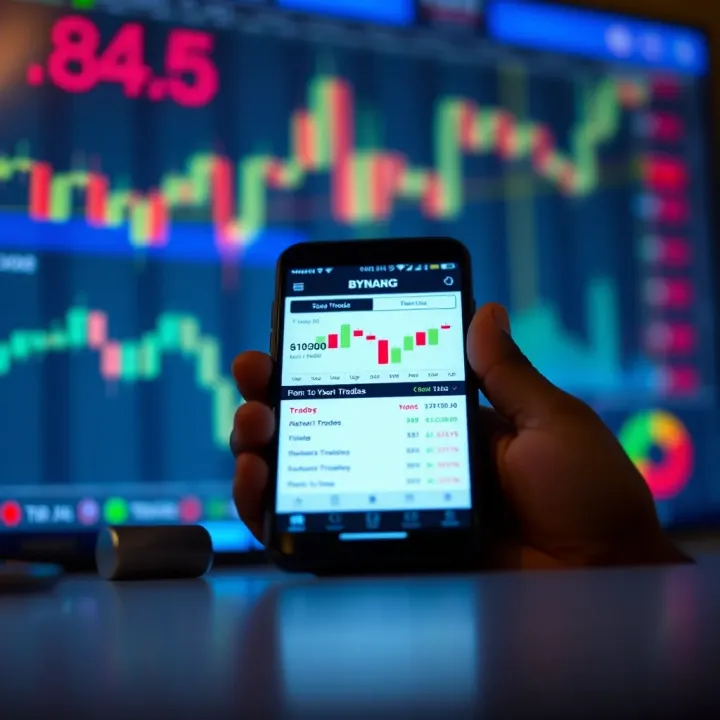
Mobile trading apps tailored to Nigerians provide flexibility and convenience, essential given challenges such as unreliable power supply and traffic congestion. Apps like OPay, Kuda, and FXTM allow users to trade, deposit, and withdraw funds directly from their phones. They also support local payment methods, including bank transfers and USSD payments, making trading accessible beyond Lagos or Abuja.
News aggregators and market calendars consolidate relevant information from various sources to keep traders informed about economic events affecting currency values. Applications like Investing.com and Forex Factory display live updates on Central Bank announcements, inflation reports, and geopolitical news. Being aware of such events enables Nigerian traders to anticipate market volatility and adjust their strategies promptly.
Using the right combination of educational resources and trading tools enables Nigerian forex traders to make smarter decisions, navigate market risks, and improve their chances of sustainable profits.
Find the best trading platform in Nigeria! Explore security, costs, types, and regulations to pick the perfect fit for your trading style 📊🇳🇬
Discover key benefits of forex trading for Nigerian investors🇳🇬: market access, liquidity, profit chances, and smart portfolio diversification!💹
Find the best trading app in Nigeria 🇳🇬 Explore features, fees, security, usability & local rules for stocks, forex, and crypto trading 📱💹
📱 Dive into binary trading apps! Learn how Nigerian traders can pick the right app, spot risks, use smart strategies, and understand legal steps.
Based on 14 reviews