
Benefits of Forex Trading for Nigerian Traders
Discover key benefits of forex trading for Nigerian investors🇳🇬: market access, liquidity, profit chances, and smart portfolio diversification!💹
Edited By
David Reynolds
Forex trading operates 24 hours, but not all hours offer the same opportunities. For Nigerian traders, understanding global forex trading sessions is essential to picking the best times to buy or sell currencies. The forex market is divided into four major sessions: Sydney, Tokyo, London, and New York, each reflecting significant financial hubs around the world.
Nigeria, on West Africa Time (WAT, UTC+1), has specific overlaps with these sessions, affecting market volatility and liquidity. For example, the London session runs roughly from 8 am to 4 pm WAT, offering a peak window since London is a key forex centre. Similarly, the New York session overlaps with London between 1 pm and 4 pm WAT, often creating the highest activity period for currency pairs like USD/EUR and USD/GBP.
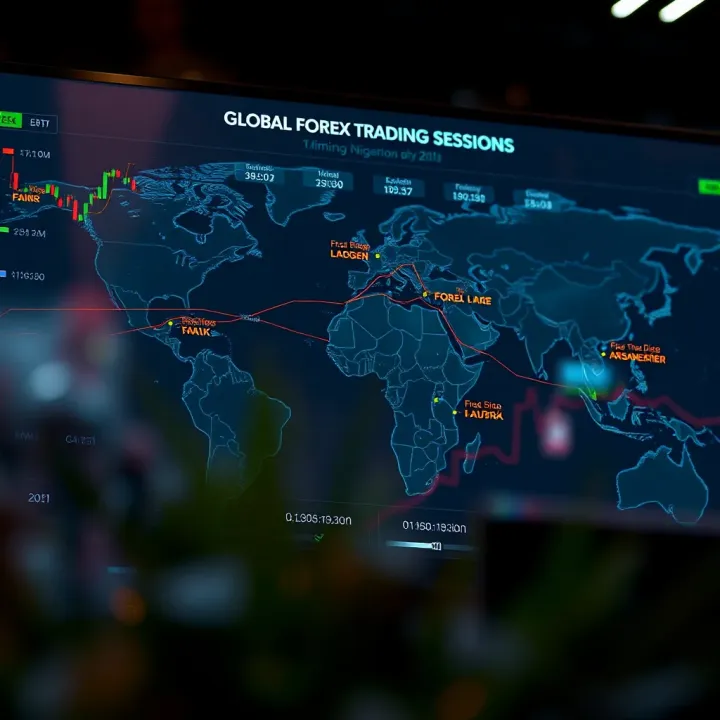
The periods when trading sessions overlap generally produce better price movements, giving Nigerian traders a chance to capitalise on tighter spreads and increased volume.
Here’s a quick breakdown of the sessions in Nigerian local time:
Sydney session: 8 pm to 5 am WAT
Tokyo session: 12 am to 9 am WAT
London session: 8 am to 5 pm WAT
New York session: 1 pm to 10 pm WAT
Many Nigerian traders choose to focus on the London and New York sessions due to their high liquidity and frequent price swings. You don’t have to trade round the clock—timing your trades during these hours can mean smoother execution and better chances of profit.
Aside from timings, traders should consider local factors like internet reliability and power supply. For instance, some Nigerians prefer trading during daytime hours not just because of market activity, but also due to better electricity availability and internet speeds compared to late-night sessions.
Understanding the rhythm of these forex sessions helps Nigerian traders plan their strategies, avoid low-activity periods that can trap them in unfavourable positions, and ultimately maximise their ₦ returns in the forex market.
Grasping forex trading sessions helps Nigerian traders understand when and where market activities peak. Knowing these sessions means you can plan your trades around periods of higher liquidity and volatility, which boosts your chances of successful deals. For example, if you're trading USD/NGN pairs, being aware of when the London or New York sessions are active can pinpoint moments when the price movements are more pronounced.
Forex trading sessions refer to specific time blocks during the 24-hour forex market when trading is most active within certain global financial centres. These sessions mark operating hours for major banks and trading hubs worldwide. The purpose is to organise the continuous forex market into manageable chunks so traders can align their activities with the busiest times for particular currency pairs.
For Nigerian traders, understanding these sessions helps avoid trading during periods of low activity, reducing exposure to poor liquidity and erratic price swings. It also allows them to jump on market movements when demand and supply intensify.
The global forex market operates round-the-clock because currency trading happens in financial centres across different time zones. Once the Asian markets close, European ones open, followed by those in North America. Each session overlaps with others to varying degrees, contributing to fluctuating market conditions.
Nigerian traders should view these sessions as distinct windows of opportunity, where certain currency pairs gain momentum depending on the geographic focus. For instance, naira pairs influenced by the US dollar or euro will react differently during the New York or London sessions.
The Asian session starts around 12 midnight to 9 am West Africa Time (WAT). Tokyo and Hong Kong are the key players here, with trading volumes lower than their Western counterparts but steady. The session is crucial for currencies like the Japanese yen (JPY) and the Chinese yuan (CNY).
For Nigerian traders, this session may present lower volatility but clearer trends in Asian currency pairs. Trading during these hours suits those preferring gradual moves over wild swings. It is also a good time to prepare for the more active London session that follows.
From 8 am to 5 pm WAT, the London session comes alive as Europe's financial capitals join the market. London accounts for about 30% of global forex turnover, making this period highly liquid. Currencies like the euro (EUR), British pound (GBP), and Swiss franc (CHF) tend to exhibit meaningful activity.
This session overlaps partly with the Asian close and later the New York open, creating peaks in trading action. Nigerian traders keen on EUR/USD or GBP/USD pairs focus on this period since it often provides clear price trends and breakouts worth capitalising on.
Starting at 1 pm and running until 10 pm WAT, the New York session is notable for USD-driven activity. Given the dollar’s status as the world's primary reserve currency, many currency pairs see heightened volatility during this time. The combination of US economic releases, Federal Reserve announcements, and high trading volumes makes it a vital market phase.
For traders in Nigeria, this session is key for monitoring news impacting the naira’s dollar value. Sudden shifts during these hours can create opportunities or risks that require quick reaction. The overlap with London session for about four hours creates the day’s most liquid trading environment.
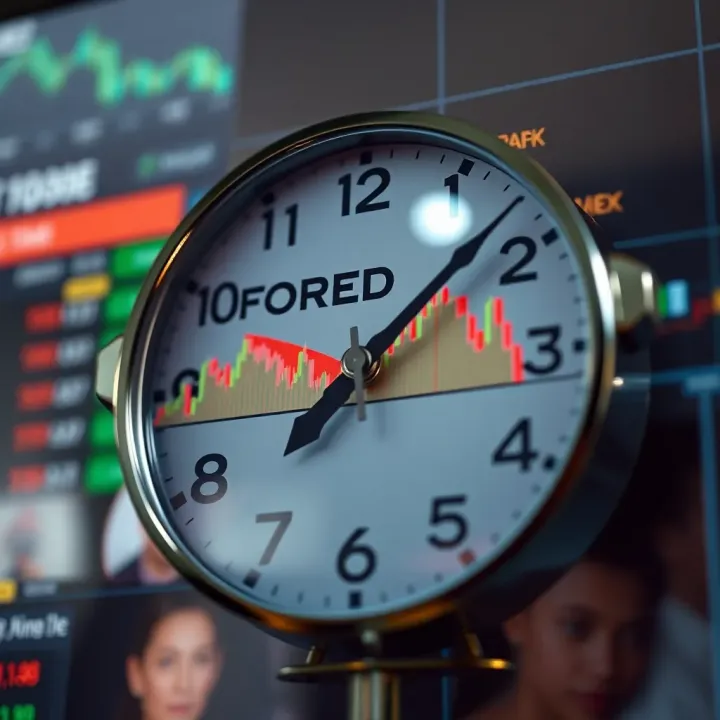
Understanding these sessions and their specific features lets Nigerian forex traders position themselves better, enabling informed decisions that reflect global market rhythms.
Knowing the timing of forex trading sessions is key for Nigerian traders wanting to make the most of their trading strategy. The global forex market runs 24 hours, split into distinct sessions based on major financial hubs. Since Nigeria operates on West Africa Time (WAT), understanding how these sessions fit into local time helps traders plan when to trade for better liquidity and volatility.
West Africa Time (WAT) is one hour ahead of Coordinated Universal Time (UTC+1). Unlike countries following daylight saving time, Nigeria stays on WAT year-round, which simplifies timing conversions for forex sessions. Keeping track of WAT allows local traders to align their activity with global market hours without confusion caused by clock changes.
Forex sessions start in Asia with the Tokyo market opening at 12:00 am WAT and closing around 9:00 am WAT. The European session, centred on London, runs from 8:00 am to 5:00 pm WAT. Then the North American session, led by New York, opens at 1:00 pm and closes at 10:00 pm WAT. This local time conversion is crucial: for example, a trader in Lagos wanting to trade during the London session peak would prepare to start around 8:00 am.
When two sessions overlap, trading volume and liquidity usually rise. The London-New York overlap from 1:00 pm to 5:00 pm WAT is particularly active, offering Nigerian traders more opportunities to enter and exit positions without big price gaps. High liquidity during this window generally results in tighter spreads and better trade execution.
On the flip side, overlapping periods can mean more volatile markets. This can be an advantage for experienced traders ready to capitalise on fast price movements, but risky for beginners. For instance, unexpected economic announcements from either London or New York during the overlap can spike volatility sharply. Recognising these dynamics enables Nigerian traders to plan risk management strategies around the session overlaps.
Most successful traders in Nigeria calibrate their schedules to focus on these overlaps, especially the London-New York session, to catch heightened market activity and profit from the swings.
Understanding the forex session timing relative to Nigerian local time equips traders with a practical advantage, helping them avoid trading during quiet hours with low liquidity and instead target windows rich in opportunity and market action.
Knowing the best forex trading hours is a must for any Nigerian trader aiming to maximise profits and reduce risks. The global forex market operates 24 hours, but liquidity and volatility vary across sessions, with some periods offering better opportunities. Understanding these timeframes in relation to Nigerian time helps traders position themselves strategically, especially given local challenges like power supply and internet reliability.
The London-New York session overlap is generally considered the peak trading period. For Nigerians, this occurs roughly between 2 pm and 6 pm West Africa Time (WAT). During these hours, both markets are active, creating heightened liquidity and volatility. This means tighter spreads and more significant price swings, which seasoned traders can exploit for better entry and exit points.
For instance, major economic releases like the US Non-Farm Payrolls or the Bank of England decisions often happen during this overlap, triggering substantial market movements. Nigerian traders who time their sessions around this period gain access to high-volume markets conducive to scalping or day trading strategies.
Though the Asian session—from around 12 am to 9 am WAT—is generally quieter than the London or New York sessions, it still presents valuable chances. The Tokyo market, in particular, has considerable influence over currencies like the Japanese yen and Australian dollar. Nigerian traders interested in these pairs can find favourable volatility and trends during this time.
Trading during the Asian session suits those who prefer less frenetic market action, allowing for more measured decisions. While liquidity might be lower compared to the London or New York sessions, it also means sometimes less noise and clearer patterns for swing traders or those employing trend-following strategies.
One key local factor is the inconsistency of power supply. Nigerian traders must plan their trading around periods when they have reliable electricity or backup power (like generators or inverters). Interruptions can lead to missed trades or delayed decisions, which can be costly in fast-moving forex markets.
Similarly, internet stability matters greatly. A slow or dropped connection during critical market hours can cause execution delays or prevent timely access to market data. Traders often opt for data backups or multiple service providers to lessen downtime. Choosing to trade during peak forex hours within times of confirmed power availability enhances success chances.
Most Nigerian forex traders balance trading with a day job or other responsibilities. The London-New York overlap conveniently falls within typical post-work hours, making it accessible without disturbing daily routines. On the other hand, the Asian session requires early hours, which may not fit everyone’s lifestyle.
Effective scheduling means selecting trading sessions that align with personal energy levels and commitments. For example, a trader working regular office hours might focus on late afternoon trades, while someone freelancing or with flexible timing could exploit quieter Asian hours. Planning trading activities around these practicalities prevents burnout and improves consistency.
Choosing the right forex trading hours in Nigeria combines market understanding with local realities. By syncing global session peaks with Nigerian conditions, traders position themselves for smarter, more profitable decisions.
Trading forex in Nigeria demands more than just knowledge of currency pairs; it requires smart scheduling and risk management aligned with global market hours and local realities. Understanding session timing helps Nigerian traders make better decisions, optimise trading activity, and reduce unnecessary losses.
Since the forex market operates 24/5, Nigerian traders must pick sessions that suit their daily schedule and energy levels. For instance, the London session runs from 8 am to 4 pm WAT, coinciding with typical Nigerian work hours. If you're juggling a day job, early mornings during the Asian session (2 am to 11 am WAT) might be best for brief trades. Similarly, the New York session (1 pm to 10 pm WAT) overlaps with post-work hours, allowing more focused trading.
Tailoring your trading sessions avoids burnout and helps maintain discipline. If you're a Lagos-based trader, starting with the overlap between London and New York sessions (1 pm to 4 pm WAT) offers higher market liquidity and better price movement, making your trades more effective without needing full-day attention.
Forex markets develop trends with the opening and closing of major sessions. Tracking specific sessions helps spot emerging trends early. For example, if a currency pair shows strong movement during the London session and continues gaining momentum when New York opens, that's a potential trend worth riding.
Nigerian traders can use session timing to prepare for key economic announcements. Many important data releases come out during the European and US sessions, causing spikes in volatility. Watching these sessions closely can give you early signals, which is helpful for planned entries or exits. This approach requires active monitoring but can significantly improve trade timing.
Each session has its own market temperament. The London-New York overlap is known for high volatility and liquidity, creating opportunities but also risks from sudden price swings. Conversely, the Asian session tends to be quieter, which might suit conservative traders or those with smaller accounts.
Understanding these differences helps Nigerian traders match their risk appetite to the session. If you cannot handle rapid price changes, trading during lower volatility periods like the Asian session might be better. However, if your strategy aims for quick gains, focusing on the London-New York overlap is preferable but demands strict risk management.
Periods outside main sessions often suffer low liquidity, leading to unpredictable price gaps and slippage. Nigerian traders should avoid placing large trades during these times as spreads widen, increasing transaction costs.
When low liquidity is unavoidable, employing tighter stop-loss orders and smaller trade sizes can limit losses. Also, using technical indicators less sensitive to noise helps reduce false signals. For example, while the Pacific session has comparatively low activity, scalpers in Nigeria might apply range-bound strategies with caution until the market wakes up.
Timing is everything in forex trading. Matching your schedule and risk tolerance with session dynamics not only improves your chances but also safeguards your capital in Nigeria’s unique trading environment.
Grasping how global and local factors influence forex markets is vital for Nigerian traders. Since forex trading involves currency pairs affected by worldwide developments, understanding these local and international elements helps traders make informed decisions, avoid unnecessary risks, and spot emerging opportunities. For instance, a sharp shift in CBN's foreign exchange policy can quickly ripple through the naira's value, affecting trade positions.
Economic releases such as US non-farm payrolls, European Central Bank (ECB) interest rate decisions, or Bank of Japan policy announcements often dictate forex session intensity. These events typically coincide with major sessions like London or New York. Nigerian traders need to keep track of the timing and expected outcomes of these releases because markets tend to react sharply, creating opportunities to profit or risk losing heavily if unprepared.
Global economic news serves as a catalyst for sudden price swings across currency pairs. For example, an unexpected US jobs report can jar the dollar-naira pair during the New York session, influencing intraday trends. By being aware of these timings, Nigerian traders can avoid periods of excessive volatility or strategically position themselves to benefit when the markets move dramatically.
Central Bank of Nigeria (CBN) policies play a significant role in shaping forex market conditions locally. Measures such as changes in official exchange rates, import restrictions, or currency controls have direct impact on liquidity and pricing. For instance, the CBN’s recent decision to limit access to forex for certain import categories altered market behaviour immediately, tightening liquidity and driving up the naira’s parallel market rate.
The naira’s exchange rate itself strongly influences market sentiment. Sharp devaluations or fluctuations often trigger risk-off behaviour among Nigerian traders, who may hesitate to take positions amid uncertain currency stability. Conversely, any stabilisation linked to government interventions or improved oil prices tends to boost confidence, encouraging more active trading. Recognising these dynamics helps Nigerian traders adjust their strategies, manage exposure, and seize advantageous moments in the forex market.
Understanding both global news and Nigerian-specific factors is not just useful but necessary. It empowers traders to navigate the forex market with greater confidence, minimising surprises and maximising potential returns, especially given Nigeria’s unique economic environment and regulatory framework.
Discover key benefits of forex trading for Nigerian investors🇳🇬: market access, liquidity, profit chances, and smart portfolio diversification!💹

📈 Learn the exact London trading session hours in Nigeria 🌍 Understand time zone shifts to time your forex trades well for better liquidity and market moves.
Discover how Nigerian traders can pick the best global trading platform 🌍 with insights on fees, security, features, and local regulations for smoother trades 📈.
🔍 Explore how automated trading systems work in Nigeria’s market, with benefits, risks, and tips for investors to improve trading efficiency and decisions.
Based on 14 reviews