
Best Trading Platforms for Nigerian Traders
Discover how Nigerian traders can pick the best global trading platform 🌍 with insights on fees, security, features, and local regulations for smoother trades 📈.
Edited By
Sophie Bennett
Trust Wallet has become a go-to tool for many Nigerians looking to manage and grow their cryptocurrency holdings securely. Unlike traditional wallets, Trust Wallet allows you to control your private keys directly on your device. It supports a wide range of cryptocurrencies, including BNB (Binance Coin), Ethereum, and various tokens on Binance Smart Chain, making it versatile for different trading and investment preferences.
Before you start using Trust Wallet, funding it correctly is essential. This involves either buying crypto directly within the app or transferring coins from other platforms. For Nigerians, this process needs attention to local payment methods, currency exchange rates, and security measures.
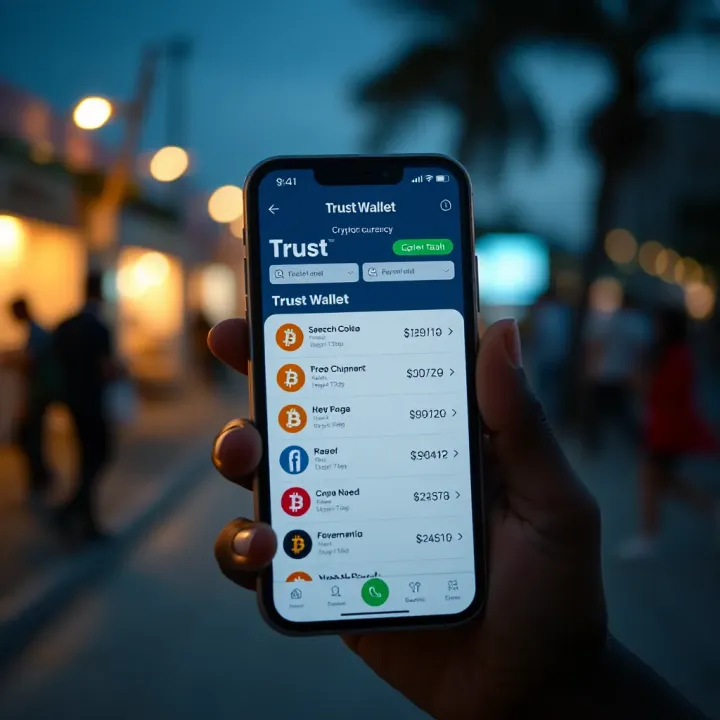
Funding your wallet safely means understanding where your funds come from and the channels through which you add value to your assets.
Most Nigerians rely on Nigerian banks, USSD codes, and fintech platforms like Paystack, Flutterwave, or OPay to fund their crypto transactions. These platforms bridge the gap between fiat currency (₦) and cryptocurrencies, allowing users to convert Naira to crypto with relative ease. Additionally, peer-to-peer exchanges remain popular, but they demand caution to avoid scams.
When funding Trust Wallet via transfers:
Use established Nigerian crypto exchanges like BuyCoins or Quidax to buy crypto with Naira, then send it to your Trust Wallet address.
Always double-check wallet addresses; a small error can lead to permanent loss.
Confirm transaction fees and expected processing times, as these affect how quickly your wallet reflects new funds.
In-app purchases of cryptocurrencies may not always be fully optimised for Nigerian payment channels, so Nigerians mostly use external exchanges or trusted platforms that accept local payment options.
The next sections will cover step-by-step guides on buying crypto with Naira, transferring from other wallets, and safety tips tailored for Nigerian traders and investors. Understanding these will ensure your Trust Wallet funding process is both smooth and secure, setting a solid foundation for your crypto activities.
Trust Wallet serves as a secure gateway for managing your cryptocurrencies without relying on a central authority. For Nigerian traders and investors, grasping its function is key to effectively handling digital assets in a market that's rapidly evolving. The wallet acts as a bridge between blockchain networks and users, allowing direct control of private keys and funds.
At its core, Trust Wallet is a decentralised mobile wallet app designed to store cryptocurrencies safely. Unlike custodial wallets provided by exchanges, Trust Wallet gives you full ownership of your private keys, meaning only you can access your funds. When you open the app, it generates a unique seed phrase—a set of 12 or 24 words—that is your master key to recovering your wallet.
Once set up, you can send, receive, and manage a variety of cryptocurrencies directly on your smartphone. Trust Wallet communicates with blockchain networks through nodes, verifying transactions and updating balances without intermediaries. For example, if you buy Bitcoin on a Nigerian exchange like Bundle, you can transfer it to your Trust Wallet to keep it in your personal control.
Trust Wallet supports thousands of cryptocurrencies across multiple blockchains. This includes major ones like Bitcoin (BTC), Ethereum (ETH), and Binance Coin (BNB), as well as thousands of tokens adhering to standards such as ERC-20, BEP-2, and BEP-20. This breadth allows Nigerian users to hold assets ranging from stablecoins like USDT and BUSD to popular DeFi tokens.
For instance, a trader interested in the emerging DeFi space can safely store tokens like PancakeSwap (CAKE) or Venus (XVS) directly in Trust Wallet without requiring separate apps. The cross-chain support means you can easily manage NFTs or participate in token sales, provided the asset is compatible with supported networks.
Understanding how Trust Wallet functions and what it supports equips you to make informed decisions on funding, transferring, and safeguarding your crypto assets within the Nigerian market context.
This foundational knowledge sets the stage for exploring practical ways to fund your wallet using Nigerian-friendly methods, ensuring your crypto journey starts on solid ground.
Funding your Trust Wallet is the immediate step after setting it up. Without adding funds, the wallet remains just a digital container with no practical use. Knowing the available ways to add funds ensures you can quickly start transacting or investing in cryptocurrencies. These methods vary in speed, cost, and convenience depending on whether you're using Nigerian or international platforms.
Trust Wallet has a built-in feature allowing users to buy cryptocurrencies without leaving the app. This method is especially handy for Nigerians who want a quick and straightforward way to fund their wallets without navigating third-party exchanges. Using this feature, you can purchase popular cryptos like Bitcoin or Binance Coin (BNB) with your debit card or bank transfer linked to Nigerian banks. The app partners with certain service providers to facilitate these purchases, but the transaction fees may be higher than on specialised exchanges.
One advantage of buying directly in Trust Wallet is speed. Once payment clears, the crypto tokens reflect almost immediately in your wallet. However, Nigerians should carefully check transaction fees and currency conversion rates, as these can add to the total cost. Daily spending limits may also apply depending on the payment method.
When you already have cryptocurrency on an exchange or another wallet, moving those funds to Trust Wallet is another reliable option.
Nigerian exchanges such as Bundle and BuyCoins have grown popular for their ease of use and local payment options. These platforms allow Nigerians to buy crypto using bank transfers or USSD codes directly linked to their wallets. Once you buy crypto like Bitcoin or Ethereum, you can transfer it to Trust Wallet by copying your wallet address and initiating a send transaction from the exchange.
This method gives you better control over fees and timing compared to buying inside Trust Wallet. Plus, Bundle and BuyCoins charge much lower fees for deposits and withdrawals. For example, you might buy ₦50,000 worth of Bitcoin on Bundle and then move it to Trust Wallet for trading or storing long-term.
Some Nigerian traders and investors use international exchanges like Binance or Coinbase where the range of cryptocurrencies and liquidity is greater. If you already hold crypto on these platforms, moving funds to Trust Wallet requires you to provide your wallet address to the exchange’s withdrawal section.
International transfers typically take longer and may attract network fees, depending on the blockchain network used. However, they allow you to tap into diverse cryptocurrencies not always available on Nigerian exchanges. Note that exchanging ₦ to crypto on these platforms might involve converting to USD or stablecoins first before withdrawal.
Always double-check your Trust Wallet address before making transfers, especially from international platforms, to avoid loss of funds.
Knowing the best way to fund your Trust Wallet depends on your urgency, acceptable fees, and available payment methods. Nigerian exchanges suit quick local funding with minimal hassle, while direct Trust Wallet purchases offer speed at a premium. For wider crypto variety, international transfers remain useful but with some added steps and costs.
When funding Trust Wallet, Nigerian users face unique challenges that call for practical, localised solutions. Unlike some countries where bank cards and international transfers work seamlessly, Nigerians often deal with fluctuating exchange rates, limited access to international payment methods, and occasional restrictions on cross-border transactions. Therefore, funding options tailored specifically to Nigerian realities ensure smoother, more reliable access to cryptocurrencies.
Bank transfers remain one of the most straightforward ways for Nigerians to load funds for crypto purchases. Major Nigerian banks like GTBank, Zenith Bank, and First Bank support transfer services that connect users to fintech platforms or crypto exchanges. What makes bank transfers attractive is their wide accessibility; practically everyone with a bank account can make a local transfer without incurring hefty fees.
USSD codes serve as a handy alternative, especially for those without smartphones or steady internet access. For instance, dialing *737# on MTN or similar codes on other networks lets users check wallets, buy airtime, or initiate payments that eventually fund their crypto wallets indirectly through linked exchanges such as BuyCoins or Bundle. These codes add convenience by eliminating the need for apps or internet, making crypto funding accessible even in rural areas.
Fintech platforms such as Paystack, Flutterwave, and OPay have changed the way Nigerians pay and receive money online. These services integrate smoothly with Nigerian bank accounts and mobile money wallets, offering quick payments and easy conversions from naira (₦) to cryptocurrencies. For example, Paystack powers Nigerian businesses to accept payments online, and you can use such platforms within exchanges that feed into Trust Wallet.
OPay combines mobile banking, payments, and airtime recharge, making it versatile for crypto enthusiasts. Flutterwave, meanwhile, connects Nigerian merchants to global customers and provides payment infrastructure that supports local currencies. Using these fintech channels helps users avoid reliance on credit cards or foreign wallets, which sometimes attract delays and higher charges.
Funding Trust Wallet through naira-based methods ensures you sidestep international currency conversions and the unpredictability of forex markets. Many Nigerian crypto exchanges and wallets have integrated naira deposits via bank transfer, USSD, and mobile money, offering instant funding at local rates.
For practical illustration, some Nigerian platforms allow you to fund your wallet directly with ₦50,000 or less, using your BVN-verified bank account or mobile wallet for smooth transfers. This localisation reduces friction and keeps costs predictable — essential in a market where forex availability can be unstable. Plus, it lowers barriers for everyday users looking to join cryptocurrency markets without complex international steps.
Tailoring funding options to Nigeria’s specific financial environment makes cryptocurrency more accessible, safer, and more affordable for the growing investor community.
Carefully choosing the right funding method lets you top up your Trust Wallet with confidence and efficiency, ready to trade, invest, or pay with crypto practically anywhere.
Funding your Trust Wallet securely is vital to protecting your hard-earned money from fraud and errors. Crypto transactions are irreversible, so one wrong move can cost you dearly. Nigerian traders, investors, and brokers must take simple yet effective precautions to avoid falling victim to scams, fake platforms, or lost funds. This section highlights critical safety steps to follow before and during wallet funding.
Scammers frequently target crypto users through fraudulent websites, fake apps, and social media ads promising lucrative returns. Nigerians have reported cases where supposed exchanges or funding platforms demanded upfront fees or access to personal data without delivering any crypto. Always verify the legitimacy of a platform before transferring funds.
To spot fake platforms, check for:
Poor website design or spelling errors
Unofficial app stores instead of trusted sources like Google Play or Apple App Store
Requests for private keys or secret phrases — no genuine service should ask for these
No verifiable business information or customer support contacts
It’s better to rely on well-known Nigerian crypto exchanges like Bundle or BuyCoins, or global names such as Binance. Additionally, refrain from clicking unknown links on WhatsApp, Telegram, or Instagram, as these often lead to phishing sites.
Remember, if an opportunity sounds too good to be true, it probably is.
Crypto addresses are long strings of letters and numbers. A small mistake, like copying the wrong character, can send your funds to the wrong wallet—possibly unrecoverably. Always double-check every detail before confirming a transaction.
Here are practical tips:
Copy and Paste: Instead of typing wallet addresses manually, always copy and paste them. Beware of hidden spaces or invisible characters that might sneak in.
Verify the Address Length: Ethereum and Binance Smart Chain wallets typically have 42 characters starting with ‘0x’. Confirm that the address matches the expected format.
Send a Small Test Amount: Before transferring large sums, send a tiny amount (like ₦500 or equivalent in crypto) to make sure the address is correct.
Confirm the Network: Sending Bitcoin over Ethereum network or vice versa results in lost funds. Always confirm you’re using the correct blockchain network supported by Trust Wallet.
These steps save you the headache of tracing lost transactions, which rarely happen in Nigeria’s crypto space due to the irreversible nature of blockchain.
By following these tips, you’ll boost your confidence when funding your Trust Wallet and reduce exposure to common pitfalls experienced by Nigerian crypto users. Staying vigilant protects your assets and helps you navigate the crypto world safer every day.
Managing your cryptocurrency effectively after funding your Trust Wallet is essential to safeguard your investments and optimise your crypto activities. Once you’ve added funds, knowing how to monitor your wallet balance and transactions ensures you stay on top of your portfolio. At the same time, understanding how to send crypto and use it for payments allows you to make the most of your digital assets in practical ways.
Regularly checking your wallet balance is the first step in managing your crypto holdings. Trust Wallet offers a straightforward interface where you can see real-time updates of your various cryptocurrency balances. This visibility allows you to track how much of each coin or token you hold, including minor tokens that Nigerians often use for DeFi or NFT purposes.
Besides the balance, reviewing your transaction history helps identify all incoming and outgoing funds. For example, if you bought some Binance Coin (BNB) from a platform like Bundle and transferred it, you’ll see the transaction timestamp, amounts, and status in Trust Wallet. This record is especially useful to verify that transactions completed successfully and helps resolve any disputes or errors swiftly.
Trust Wallet also gives details on transaction costs, normally paid as gas fees, which Nigerian users must monitor due to fluctuating network charges. By keeping an eye on these fees, you can plan transactions for times when costs are lower, saving your hard-earned ₦.
Once your wallet is funded and balanced checked, you can confidently send cryptocurrency to others or use it for payments. Trust Wallet supports sending crypto effortlessly via wallet addresses or QR codes, making it suitable for paying merchants or sending funds to friends securely.
To send crypto, simply select the asset from your wallet, input the recipient’s address, specify the amount, and confirm the transaction. For Nigerian users, this is useful when paying for services abroad, settling online purchases, or transferring funds to family members who also use Trust Wallet or compatible wallets.
Keep in mind to double-check the recipient’s address exactly to avoid sending tokens to the wrong destination, which in crypto is irreversible. Additionally, some Nigerians use Trust Wallet to participate in token sales or DeFi platforms, where sending the right token with correct memo or tag information is critical.
Trades and payments via Trust Wallet can integrate with platforms like PancakeSwap or BakerySwap on Binance Smart Chain, expanding your crypto utility beyond just holding assets. For instance, swapping ₦-pegged stablecoins for another token directly inside the wallet reduces the need to return to a centralised exchange.
Effective management of your crypto after funding Trust Wallet offers both control and convenience. It ensures you avoid costly mistakes, stay updated with your portfolio, and unlock real-world uses for your digital currency.
In sum, regularly monitor your balances and transactions, be cautious with sending addresses, and explore payment options within Trust Wallet’s ecosystem to maximise your crypto experience in Nigeria.
Discover how Nigerian traders can pick the best global trading platform 🌍 with insights on fees, security, features, and local regulations for smoother trades 📈.

Looking to pick the right broker in Nigeria? 📊 Learn about broker types, fees, regulation, and top tips to choose confidently and trade smart.
🔑Step-by-step guide for Nigerian traders on Videforex login, fixing common issues, securing accounts, and managing profile settings effectively.
Explore binary trade basics and risks 📉, Nigerian legal tips ⚖️, and smart strategies 💡 to trade confidently and safely in Nigeria’s market.
Based on 12 reviews