

Investment Funding Guide for Nigerian Entrepreneurs
💼 Learn how Nigerian entrepreneurs can access various investment funds 💰, navigate funding challenges and manage money smartly for lasting business growth 🇳🇬.
Edited By
Matthew Collins
Instant funding has become a vital part of the Nigerian financial ecosystem. Simply put, it means getting money into your account or digital wallet quickly — often within seconds. This immediacy is reshaping how traders, investors, and businesses operate, especially in a country where speed can determine success.
Traditional bank transfers in Nigeria can take hours or even days, largely due to manual processing or banking system delays. Instant funding eliminates those waiting times, enabling funds to appear right when you need them. For example, a trader using a platform like Paystack or Flutterwave can receive payments instantly from customers without waiting for multiple business days.

Mobile money services such as OPay, PalmPay, and Kuda are also key players. They allow users to transfer funds instantly between wallets or bank accounts using USSD codes or smartphone apps, even without internet access. This broad accessibility helps many Nigerians across urban and rural areas alike.
Instant funding isn't just about convenience — it’s a tool that can improve cash flow, reduce transaction risks, and enhance financial planning.
Here are some common methods of instant funding in Nigeria:
Digital wallets and apps: Platforms like OPay, PalmPay, and Kuda provide instant credit to user wallets, usable immediately for payments or transfers.
Card payments and POS terminals: Merchants get instant confirmation of payments via debit or credit cards.
Bank USSD services: Many banks offer real-time transfers using codes such as *894# (GTBank) for immediate funds movement.
Third-party payment processors: Paystack and Flutterwave help businesses accept payments live, crediting accounts without delay.
That said, instant funding has its challenges. Network downtime, system outages, and regulatory restrictions can slow processes temporarily. Also, fraud risks rise when money flows too freely without proper checks. Nigerian banks and fintech companies invest heavily in security upgrades to safeguard users.
Overall, instant funding is driving quicker transactions, reducing barriers between payers and receivers, and fostering a more dynamic market. For Nigerian investors and traders, understanding how it works equips you to take advantage of faster liquidity and sharper investment moves.
Instant funding refers to the immediate crediting of money into a user's account or platform, allowing access to funds without delay. This has become essential in Nigeria’s fast-paced economy where waiting hours or even minutes to receive payments can disrupt daily activities, especially for traders, businesses, and investors. Imagine a retailer at a busy market needing to restock stock while sales continue; instant funding ensures their cash flow is uninterrupted, enabling smooth operations.
At its core, instant funding means money moves from one account or wallet to another nearly instantly. Unlike traditional bank transfers that might take hours or days depending on interbank systems or clearance procedures, instant funding leverages technology to remove these delays. For example, when you pay for a service using a mobile app like OPay or make a POS payment, the vendor sees the money right away. This speed is crucial not just for convenience but also for trust and efficiency in transactions.
The typical process starts when a sender initiates a transaction through a digital platform or bank app. The system instantly verifies the sender’s balance and transaction details. Once confirmed, it immediately pushes the fund into the recipient’s account, updating their balance within seconds. Behind the scenes, this relies on interconnected payment networks and real-time settlement systems. Unlike older methods where payments were batch-processed overnight, instant funding uses continuous processing to avoid bottlenecks.
For instance, a small business owner in Lagos can transfer ₦50,000 via USSD to a supplier and see the money credited instantly, enabling immediate purchasing without worrying about delays.
Banks and payment platforms serve as the backbone for instant funding. Nigerian banks have upgraded their infrastructures to support systems like the Nigeria Instant Payment (NIP) which enables real-time transfers across participating banks. Likewise, fintech companies such as Paystack, Flutterwave, and Kuda have integrated these bank systems to provide seamless instant payment experiences.
These platforms act as facilitators by linking various wallets, bank accounts, and payment channels. They also provide additional layers of security and compliance to prevent fraud. For traders and investors, this means faster fund access, greater flexibility in handling finances, and improved ability to respond to market or operational needs quickly.
Instant funding bridges the gap between payment initiation and fund availability, eliminating waiting times that once slowed Nigerian commerce.
By understanding how instant funding operates, you can make smarter financial moves, knowing exactly when and how your money will be available without hassles or surprises.
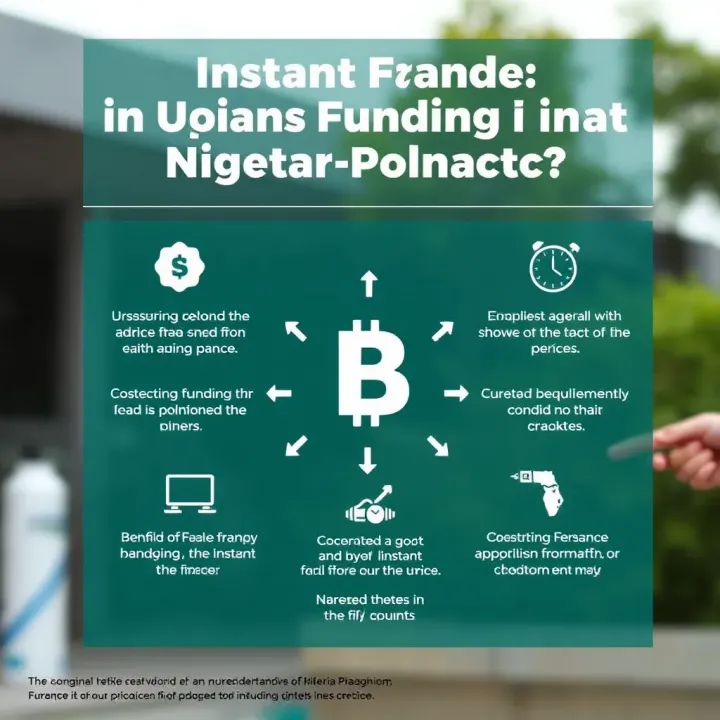
Instant funding in Nigeria relies heavily on various transfer and payment methods tailored to the local financial ecosystem. These methods play a vital role in ensuring funds move quickly and securely from senders to receivers, from individuals to businesses. Understanding these methods helps traders, investors, and financial analysts appreciate the infrastructure supporting Nigeria’s fast-paced economy.
Mobile money and USSD (Unstructured Supplementary Service Data) systems are deeply embedded in Nigeria’s payment culture, especially in rural and semi-urban areas where internet access might be limited. USSD services allow users to perform financial transactions using simple codes on any mobile phone without needing a smartphone or internet connection. For example, dialing *244# with MTN or *737 with Airtel lets users transfer money, check balances, or buy airtime instantly.
These systems are popular because they are accessible to millions, including those without bank accounts. Mobile money platforms from telecom providers enable wallet-to-wallet transfers, making instant funding possible even without a traditional bank. This convenience supports informal traders and micro-businesses who rely on quick cash flow to keep operations running.
Fintech platforms have disrupted traditional banking with their innovative instant funding solutions. Companies like OPay, Kuda, Paystack, and Flutterwave offer digital wallets, payment gateways, and instant transfer services tailored for Nigeria’s market. OPay, for example, integrates wallet services, utility payments, and P2P transfers, making it a one-stop shop for millions.
Kuda Bank focuses on a mobile-first banking experience that allows instant funding through app-based transfers, often without traditional bank charges. Paystack and Flutterwave, meanwhile, serve mainly businesses by providing payment processing and instant settlements, critical for e-commerce platforms and SMEs needing fast cash flow to restock or pay vendors. These platforms improve liquidity and help traders manage transactions securely and quickly without the lengthy delays common in older banking systems.
Despite the rise of digital wallets, traditional bank transfers remain crucial. Instant interbank transfers via Nigeria’s Interswitch or NIBSS Instant Payment (NIP) systems allow funds to be moved real-time between accounts in different banks. This is significant for business transactions involving large sums or requiring regulatory compliance.
POS (Point of Sale) terminals also facilitate instant funding in a more tangible way. When a customer pays via POS at markets, boutiques, or mama put joints, the merchant's account is credited immediately, even if cash is not exchanged. Commercial banks like GTBank, Zenith, and Access Bank provide POS services, helping bridge cashless payments with instant fund availability for retail traders and everyday commerce.
Instant funding methods combine accessibility and speed, shaping Nigeria’s financial ecosystem by connecting traditional banking with fintech innovations and creating a more inclusive economy for all players.
Instant funding has transformed financial transactions in Nigeria, offering distinct benefits for both individuals and businesses. Its swift access to funds reshapes how money moves, improving efficiency, cash flow, and supporting emerging sectors. Understanding these advantages helps traders and financial analysts appreciate the role of instant funding in today's economy.
The foremost benefit is speed. Instant funding lets individuals receive money within seconds, unlike traditional transfers that may take hours or days. For instance, a Lagos-based trader can quickly replenish stock supplies using instant transfers from digital wallets like OPay or Kuda without waiting for bank clearing cycles. Businesses also save time on cash management, avoiding delays that could disrupt operations. Besides speed, convenience plays a key role: users can fund accounts or pay suppliers using smartphones or USSD codes anytime, anywhere, removing the need to visit banks or use physical cash.
Instant funding supports better cash flow management, especially for small and medium enterprises (SMEs). For example, a food vendor in Abuja can receive daily deposits from online food delivery platforms instantly, allowing timely restocking and wage payments. This immediate access to money enables more accurate budgeting and financial planning. Rather than juggling delayed payments or uncertain receipts, business owners can forecast expenses and revenues with greater confidence. For traders and investors, this means improved liquidity and the ability to react promptly to market changes or seize new investment opportunities.
Nigeria's informal economy and e-commerce sector heavily depend on instant funding. Many informal sellers, such as mama puts and artisans, use mobile money platforms to receive payments instantly from customers or middlemen. This immediacy fosters trust and expands market reach since buyers feel secure that payments process without unnecessary hold-ups. Online shops on platforms like Jumia Nigeria or Konga rely on instant settlement to keep operations fluid. Without instant funding, these sectors would suffer cash shortages, inhibiting growth and innovation. Consequently, instant funding acts as a vital enabler for these vibrant parts of Nigeria's economy.
The speed and reliability of instant funding directly improve financial health, paving the way for increased business confidence and broader financial inclusion.
By offering rapid transfers, supporting cash flow, and empowering informal and digital trade, instant funding services underpin much of Nigeria's ongoing financial development. Traders, investors, and analysts should thus consider these benefits when evaluating Nigeria's evolving financial ecosystem.
Instant funding delivers speed and ease in moving money, but it also comes with serious challenges traders, investors, and financial professionals need to navigate carefully. Understanding these risks helps avoid costly errors and strengthens confidence in digital finance.
Security remains the biggest concern with instant funding. Fraudsters have become increasingly sophisticated in exploiting digital platforms to carry out scams like SIM swapping, phishing, and account takeovers. For example, some scammers impersonate bank officials or fintech agents to trick people into sharing OTPs or login details. In Nigeria's context, where many millions rely on mobile money and USSD codes, a successful fraud attempt can wipe out savings in seconds. Firms need to invest in advanced security measures like biometric verification, AI-based transaction monitoring, and multi-factor authentication to protect users. Individuals should remain vigilant by not sharing sensitive data and regularly updating their security settings.
Despite growth in digital finance, Nigeria’s network infrastructure still poses hurdles. Unstable internet connectivity and inconsistent power supply often lead to failed or delayed transactions, frustrating both businesses and individuals. For instance, during peak periods like ember months or festive seasons, overloaded networks can stall payments, disrupting supply chains or sales. In rural regions, limited mobile coverage and poor banking infrastructure make accessing instant funding even harder. These challenges highlight the need for telecom providers and fintech companies to collaborate on improving infrastructure quality and backup systems. Meanwhile, users should plan for possible delays and have alternative payment options ready.
The regulatory environment around instant funding is complex and evolving. Agencies like the Central Bank of Nigeria (CBN) impose strict rules on Know Your Customer (KYC) processes, transaction limits, and anti-money laundering (AML) compliance to curb abuse. However, regulatory gaps and enforcement delays sometimes allow illicit activities to slip through, creating risks for both service providers and users. For example, some unauthorised platforms operate without proper clearance, exposing customers to fraud or loss. Financial operators must stay updated with changing guidelines and cooperate fully with regulators to maintain trust and security. Buyers and sellers should also verify the legitimacy of platforms before engaging with them.
Instant funding offers undeniable convenience, but traders and investors must weigh these benefits against security risks, infrastructure challenges, and regulatory requirements to make smart financial decisions.
Navigating these challenges effectively will be key to harnessing instant funding's full potential in Nigeria's complex financial landscape.
Instant funding is reshaping the Nigerian financial sector by improving accessibility to money and speeding up transactions. This influence stretches across financial inclusion, small business growth, and the rise of digital payments. Understanding these changes helps traders, investors, and financial analysts spot new opportunities and assess risks.
Instant funding plays a key role in bringing financial services to unbanked and underbanked Nigerians. Many households and small traders in rural and semi-urban areas gain access to funds immediately without depending on physical bank branches. Mobile wallets like OPay and Kuda enable quick transfers even with limited internet connectivity, bridging a gap left by traditional banks. For instance, a farmer in Kaduna can receive payment the same day for harvested crops, avoiding delays that often compromise income. This immediate access encourages savings and investment among previously excluded groups.
Small businesses and start-ups in Nigeria thrive when they can access payments instantly. Instant funding reduces waiting times for business owners who rely on cash flow to buy stock or pay staff. Take a mama put operator in Lagos who uses Paystack to receive online orders and get paid instantly; she can restock ingredients faster, keeping customers happy during peak hours. Likewise, tech start-ups develop products reliant on prompt financial transactions, fueling innovation at pace. Immediate funding ensures they can cover expenses or invest in marketing without delays that stall growth.
Digital payments in Nigeria continue to grow with instant funding at the core. The trend is moving beyond simple transfers to integrated financial services offering loans, savings, and insurance digitally. Fintech platforms such as Flutterwave and PalmPay pioneer solutions tailored for Nigerian markets, combining quick payment with affordability. Looking ahead, expect increased government regulation to secure systems while encouraging innovation. The rise of real-time payments through Central Bank of Nigeria (CBN)-approved channels hints at a future where cash usage diminishes significantly. Traders and investors should watch how these trends shift user behaviour and investment flows.
Instant funding not only speeds money movement but fundamentally changes how Nigerians participate in the economy, providing inclusiveness and resilience against cash dependency.
In sum, the shift caused by instant funding opens new frontiers for Nigerian finance. From empowering underserved communities to driving commercial efficiency, its impact affects key industry players and informs economic policy making. Those engaged in Nigeria's financial markets must keep tabs on these developments to capitalise on emerging opportunities and manage evolving risks effectively.
💼 Learn how Nigerian entrepreneurs can access various investment funds 💰, navigate funding challenges and manage money smartly for lasting business growth 🇳🇬.
Discover how instant funding offers Nigerian prop traders immediate capital access 💰, its pros and cons, key factors to consider, and tips for thriving in this fast-paced space 🇳🇬.

Discover key benefits of forex trading for Nigerian investors🇳🇬: market access, liquidity, profit chances, and smart portfolio diversification!💹

Explore TradingView's powerful charts 📊 and tools tailored for Nigerian traders 🇳🇬. Learn subscription options, community insights, and top tips to succeed!
Based on 6 reviews