

What Does Transaction Limit Exceeded Mean?
Understand what happens when you exceed transaction limits 📈, why they matter, and tips to avoid interruptions in Nigeria’s financial transactions 💸.
Edited By
Sophie Edwards
When you're trying to move money around in Nigeria—whether you're paying suppliers for your business, transferring funds for investments, or just settling bills—you might've hit a wall called the "transaction limit exceeded" error. It's a frustrating roadblock that can stall your financial activities and leave you scratching your head.
This problem isn't just an annoyance; it reveals a lot about how banking and digital financial systems operate within Nigeria's regulatory environment. These limits come from banks, payment platforms, and regulators aiming to keep the system safe from fraud, money laundering, and other risks but they also can cause headaches, especially for traders and investors who need flexibility.
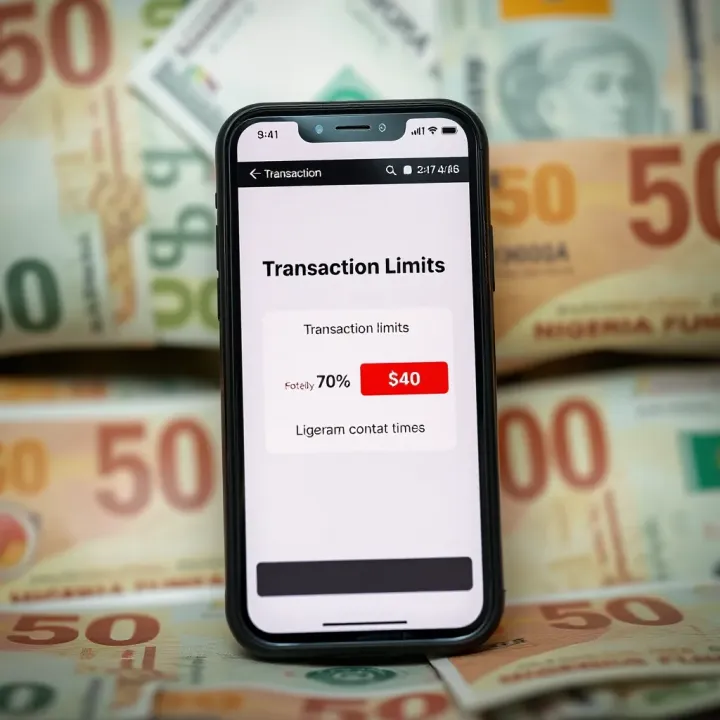
In this article, we'll dig into what causes these transaction limits and why they matter. We'll look at the everyday impact on Nigerians dealing with this issue and offer down-to-earth advice on how to handle and get around these limits without running into trouble. Along the way, we'll also touch on the legal framework behind these caps, and share tips on managing your transactions more smoothly so you don't get caught off guard.
Understanding these limits is key not just for avoiding interruptions but also for making smarter financial moves across your trading and investment activities.
When you see a "transaction limit exceeded" message, it simply means you've tried to move money beyond what your bank or financial service allows within a set time frame. This is not about your balance—it’s about the maximum amount you can send, withdraw, or spend during a day, week, or month.
Understanding this is key, especially in Nigeria's dynamic financial space. Imagine you're a small business owner trying to pay multiple suppliers, and suddenly your bank blocks a transaction because you hit a limit. That's frustrating but knowing why it happens prepares you to manage your funds smartly and avoid interruptions.
Banks and digital platforms put these limits in place for various reasons, from fraud prevention to regulatory requirements. Being aware of these limits helps keep your transactions smooth and your money safe. In short, knowing what "transaction limit exceeded" means is the first step to navigating and managing your financial activities without hitting unexpected roadblocks.
Transaction limits usually come in chunks: daily, weekly, and monthly. For example, some banks may cap ATM withdrawals at ₦100,000 daily but allow ₦500,000 within a week. It's like having a spending budget for different time windows.
This setup helps banks and fintech companies control risks and stay within the rules set by Nigeria’s Central Bank. For you, it's vital to keep a mental note or even better, use your bank’s app to track how close you are to these caps. If you regularly hit the daily limit for transfers, maybe consider spreading out your payments across days.
Not all limits are created equal. Your Zenith Bank account might have different caps compared to a GTBank account, not to mention the differences between personal and business accounts. Mobile money services like MTN Mobile Money or Paga also have their unique thresholds.
Choosing the right platform matters. For instance, if you often need to make large transactions, a business account with higher limits could save you time and frustration. Meanwhile, understanding each platform’s rule helps you plan better; you won’t be caught off-guard if you switch from your bank’s app to a mobile wallet.
One common pitfall is simply not knowing your limits. People often try sending payments without having checked if they are within their allowed range. For example, a trader using multiple bank apps might forget that each app has different restrictions.
This lack of awareness can cause transaction failures right when urgency is highest. Staying informed by frequently checking your limits or setting reminders can save you that headache.
Hitting your limit usually happens when you make one large payment or several small payments that add up quickly. Picture a trader purchasing stock in bulk, trying to complete multiple transfers in a short time—that's a recipe to bump into limits.
Breaking transactions into smaller parts or scheduling payments over several days are simple strategies to avoid hitting the ceiling.
Banks and services are always on the lookout for unusual activity. If your transaction pattern suddenly changes, their systems might flag it and block further transactions, leading to a "transaction limit exceeded" message even if you haven’t technically hit the cap.
This is meant to protect your account from fraud but can catch genuine users off guard. When this happens, contacting customer service quickly can clear up misunderstandings and resume your transactions.
Being proactive about understanding transaction limits and the reasons behind these restrictions can save you a lot of time and avoid financial disruptions. Always keep an eye on your usage patterns and choose the best account or platform suited to your needs.
Transaction limits aren’t just random numbers banks slap on your accounts; they're carefully set thresholds meant to protect you and the financial system at large. In Nigeria, these limits vary widely across different financial institutions and payment platforms, reflecting local regulations, risk profiles, and business strategies. Knowing the types of transaction limits in play helps you steer clear of hiccups during your financial dealings and plan your transactions better.
Banks in Nigeria impose distinct limits to manage the flow of funds safely. These typically come in two main forms: withdrawal limits and transfer limits.
Withdrawal limits are the maximum amounts you can take out of your account either daily or per transaction. For example, Zenith Bank customers might find their ATM withdrawal capped at around ₦50,000 per day, which can feel tight for someone handling business cash flow. This limit minimizes fraud risk and ensures ATM liquidity but can frustrate bank users who aren't aware or prepared.
Transfer limits regulate how much money you can send electronically, whether between accounts in the same bank or to other banks. GTBank, notorious for robust security measures, might restrict transfers to ₦1,000,000 daily without additional verification. Understanding these caps helps you avoid failed transactions when paying suppliers or sending funds home.
Mobile money services have taken off in Nigeria, especially in regions less served by traditional banking. Platforms like MTN Mobile Money and Paga play a huge role but come with their own set of transaction restrictions.
MTN Mobile Money, for instance, sets transaction limits to balance convenience and security. Users might only be allowed to transfer up to ₦50,000 per day unless they complete a KYC upgrade to raise the ceilings. This approach reflects a trade-off many users face: quick, accessible transfers versus higher limits requiring more documentation.
Other platforms like Paga offer flexibility but still impose ceilings, often around ₦100,000 per day for unverified users. For merchants, these limits could mean splitting payments across multiple transfers or upgrading accounts to handle bigger sums.
When it comes to card payments, banks and card providers also set strict limits to avoid misuse.
POS transaction limits regulate how much you can spend in a single swipe or tap. Take Access Bank or First Bank cards—the daily POS limit might hover around ₦150,000, meaning cardholders paying for bulk purchases might need to break up payments or use other options.
Similarly, ATM withdrawal limits often sit lower than transfer caps. Typically capped between ₦20,000 to ₦50,000 per withdrawal and with daily maximums, these limits can be a bottleneck when quick cash is needed. Users should plan withdrawals accordingly or consider alternatives like cashless payments when dealing with larger amounts.
Being aware of these types of transaction limits enables traders and businesses to avoid disruptions. With most limits aimed at minimizing fraud and complying with regulatory standards, savvy users can work within these frameworks by planning ahead or exploring suitable account upgrades.
Understanding these limits simplifies your interactions with the Nigerian financial ecosystem, making your trades and transactions smoother and less prone to unexpected failures.
Understanding the regulatory framework is key to grasping why transaction limits exist and how they're enforced in Nigeria. These rules ensure the banking system stays stable and users are protected, especially in a marketplace increasingly reliant on digital payments. For traders, investors, and financial analysts, knowing these guidelines can prevent unexpected blocks or freezes on transactions.
This framework isn't just about setting limits arbitrarily; it protects both the financial institutions and customers from fraud, money laundering, and other illegal activities. For example, without regulatory oversight, someone could move vast sums of money through multiple accounts unchecked, which threatens the financial system's integrity.
The Central Bank of Nigeria (CBN) sets transaction limits to curb money laundering, reduce fraud risk, and maintain liquidity in the financial system. These limits also help control market speculation and prevent massive cash outflows that could destabilize the economy. For instance, if a trader suddenly moves an unusually large sum, the bank might flag or restrict the transaction to ensure it’s legitimate.
In practice, these limits encourage transparency and responsible financial behavior. If you’re a broker handling several transactions daily, you might find your bank blocking transactions that surpass daily thresholds until you confirm the source and purpose.
Recently, the CBN introduced stricter caps on mobile money transfers and card payments to tighten security. They've lowered the maximum contactless card payment amount and limited cumulative daily transfers across accounts to reduce fraud during the pandemic when digital transactions surged.
These changes underline how the regulatory framework adapts to emerging risks. For example, investors using digital wallets like Paga must heed new transfer caps, or their payments risk being declined unexpectedly. Staying aware of such shifts helps avoid disruption in trading and investment activities.
Banks and fintech firms constantly scan transactions for suspicious patterns, like a sudden spike in transfers or odd hour activity. This real-time monitoring is crucial for detecting laundering attempts or funding of illegal activities.
For a business handling many client payments, it’s wise to keep clear, easily accessible records. This documentation can help quickly clarify flagged transactions, avoiding prolonged delays or account freezes.
Financial institutions must follow strict compliance protocols, including verifying customer identities and reporting certain transactions to Nigeria's Financial Intelligence Unit (NFIU). This means your bank may request more documentation or put temporary holds on transactions that raise red flags.
Complying with these requirements protects your account from future issues. For active traders or brokers, promptly responding to such requests can ensure continuous operation without running afoul of regulations.
Understanding and adapting to Nigeria's regulatory framework is not just about avoiding blockage but also about safeguarding your financial activities from risks. Keeping abreast of these policies can save headaches and help maintain smooth transaction flows.
Transaction limits set by banks and financial platforms in Nigeria influence how money moves in everyday life. Whether you're running a business or just sending cash to a family member, these limits can either serve as a safeguard or a hurdle, depending on your awareness and management. Getting a grip on these limits helps prevent transaction failures and keeps your finances running smoothly.

For individuals engaged in business, transaction limits often shape how payments are made. Take, for example, a small trader who needs to pay suppliers regularly. If the daily transfer limit is low, they may have to break payments into smaller chunks or stagger payments over several days, which can delay stocking goods. Understanding these limits beforehand allows planning around them to avoid last-minute cash crunches or failed payments.
Sometimes, business owners forget these limits, especially during peak sales periods, leading to declined transactions. To avoid this, they can use mobile banking apps to check limits or contact customer service for upgrades. That way, large bulk payments or urgent vendor settlements can go through without a hitch.
Even outside business, daily transaction limits matter. Say you want to send money to a relative across Nigeria urgently, but your mobile wallet imposes a cap per day. That money won't all transfer in one go. Planning your transfers or opting for a wallet or account type that suits your needs is important.
If your hands are tied by these limits regularly, it might be time to look into upgrading your account or choosing financial platforms that offer higher or more flexible limits. This is crucial for anyone who often needs to move large sums or multiple payments within a short timeframe.
For SMEs, managing cash flow effectively is the difference between thriving and just surviving. Transaction limits can make or break this balance. Imagine a business that receives daily sales payments from customers but can only transfer a portion outwards due to limits. This situation constrains how quickly they can pay bills, staff, or restock inventory.
Business owners must be aware of their bank or mobile money limits and factor this into their cash flow forecasts. Planning payments to align with these limits ensures that operations don’t stall unexpectedly.
Receiving payments from customers can be tricky when transaction limits are involved. For instance, if a customer tries to pay a retailer with a card or mobile wallet, but the transaction size exceeds the set limits, the payment won't go through. This can lead to lost sales or frustrated customers.
Retailers and service providers should know the common transaction caps relevant to their payment methods and advise customers accordingly. Alternatively, they could provide several payment options or suggest split payments to keep business flowing smoothly.
Understanding the impact of transaction limits on both sides of the payment process—sending and receiving—helps people and businesses avoid disruptions and maintain healthy financial operations.
In summary, these limits are not merely annoyances; they shape how money flows daily in Nigeria's economy. Staying informed and proactive about transaction limits ensures that your financial activities don't hit unexpected snags.
Knowing exactly how much you can spend or transfer before hitting your transaction limit is more than just useful — it's essential. When you understand these limits clearly, you can plan your transactions better, avoid unexpected blocks, and manage your cash flow without hiccups. Whether you use a bank, mobile money, or fintech platforms, regularly checking your transaction limits helps keep your financial activities smooth and hassle-free.
Modern banks and fintech services have made it pretty simple to check your transaction limits right on your phone. Navigating these apps might feel a bit clunky at first, but getting the hang of them saves time and frustration.
Navigation tips: Typically, you’ll find the transaction limit information somewhere under sections like "Account Details," "Limits," or "Settings." For example, in GTBank’s mobile app, you tap on the menu, select "My Limits," and it quickly shows you the daily or monthly restrictions for transfers and withdrawals. Playing around with these menus before you need them can be a lifesaver when time is tight.
Limit inquiry features: Many apps let you not only view your current limits but also request limit increases directly. First Bank’s mobile app, for instance, shows you remaining limits after each transaction — a feature that helps prevent hitting the cap unexpectedly. Some platforms provide push notifications or alerts when you're close to your limits, adding an extra layer of awareness.
Sometimes the app route might not clear your doubts, especially if your limits feel too restrictive or confusing. That’s when a quick call or visit to your bank’s customer service can make a difference.
What to ask: When contacting customer service, be direct. Ask them about your current transaction limits and the possibility of increasing them if needed. Don’t hesitate to inquire about how frequently you can request limit changes or what criteria affect those limits. For example, you might say, "Can you confirm my daily transaction limit for transfers, and what are the steps to increase it if necessary?"
Documentation needed: Banks usually require some paperwork to authorize limit adjustments. This often includes valid identification like your National ID or passport, a recent utility bill for address verification, and possibly your income statements if you’re applying for a significant increase. Knowing what to bring beforehand avoids unnecessary trips. For example, Zenith Bank might ask for a completed request form alongside your ID for limit upgrades.
Having a clear picture of your transaction limits and knowing how to check or adjust them can save you from payment headaches and keep your finances flowing without a hitch.
By regularly checking your transaction limits through apps or customer service, you stay in control of your banking activities and prevent unpleasant surprises that disrupt your money moves.
Knowing how to avoid hitting transaction limits saves you time, stress, and sometimes even your credibility with banks or trading platforms. It’s especially important in Nigeria, where financial regulations mean limits can be fairly strict and vary a lot depending on your account type or the method of transaction.
Being proactive about managing your transactions means fewer surprises like declined payments or frozen accounts right when you need them most. By following a few straightforward strategies, you can keep your financial activities smooth and uninterrupted.
One practical way to avoid exceeding your transaction limit is scheduling payments carefully. Rather than making a lump sum payment just before a deadline, break it down into smaller, spaced-out transactions over several days or weeks. For example, if your daily transfer limit on your bank app is ₦500,000 and you owe ₦1,000,000, split this into two or three payments.
This approach not only keeps you below the daily cap but helps manage your account balance better so you don’t risk overdrawing.
Along the same lines, splitting large transactions helps bypass the limits without needing to request a formal increase, which can take time. This method is useful if you’re paying several vendors or suppliers, or transferring funds across accounts.
If you have a ₦200,000 POS limit, for instance, instead of trying to pay a ₦600,000 bill all at once, divide it into three smaller payments. This also reduces the risk flagged by fraud prevention systems which are sensitive to big, unusual transactions.
Some banks in Nigeria, like GTBank or Zenith Bank, offer account types with different limits depending on your profile. Upgrading to a premium or corporate account usually comes with higher daily or monthly transaction thresholds.
If you're frequently bumping into limits, consider asking your bank about such options. This might need proof of consistent income or business operations but can save you a lot of headaches down the road.
For traders, investors, or brokers managing many transactions daily, a personal account simply won’t cut it. Business accounts are designed with higher transaction caps and can support larger monthly volumes.
They often include additional services like specialized support, better integration with payment platforms, and improved fraud monitoring tools. This can be a real game-changer in managing cash flow and client payments without constant interruptions from limit issues.
Being mindful of transaction limits and planning accordingly is the best way to avoid unnecessary delays and keep your financial dealings on point. Simple tactics like scheduling payments and choosing the right account type go a long way in preventing “transaction limit exceeded” headaches.
Running into a "transaction limit exceeded" message can trip up even the most seasoned trader or financial expert in Nigeria. It's a common hurdle that disrupts seamless financial operations, especially when time-sensitive transactions are involved. Knowing the right steps to quickly respond or prevent further issues is vital. This section breaks down immediate actions and practical ways to ask for a limit increase, helping you keep your financial dealings smooth and uninterrupted.
The first thing to do when you get a transaction limit error is to double-check the details of your transaction. Did you accidentally enter too large an amount? Sometimes, especially when managing multiple deals in a day, the numbers can get mixed up—like putting a zero too many or selecting the wrong beneficiary. Confirm the exact amount, payment method, and timing. This step helps determine whether the transaction truly exceeds the limit or if it’s an input error. For example, if you wanted to transfer ₦50,000 but entered ₦500,000, the system will throw that limit exceeded message.
Also, reviewing transaction type matters. Some systems differentiate between transfer, withdrawal, or payment limits. Knowing exactly what you tried to do can help you assess the situation better before proceeding.
It’s easy to take your transaction limits for granted until you get hit with one. Banks and mobile money platforms often have detailed policies on transaction ceilings that vary depending on account types and customer profiles. Take a moment to revisit these limits through your bank’s official mobile app, website, or customer support. This clarity prevents repeated failed attempts that can lock your account temporarily.
For instance, Access Bank’s standard savings account may have a daily transfer limit of ₦500,000, but their Diamond account offers a higher threshold. Knowing where you stand ensures you plan your transactions accordingly. Keep in mind that some limits refresh daily while others might reset weekly or monthly, so timing your transactions strategically is a practical approach.
If your transactions regularly hit these limits and disrupt your trading or investment activities, it's worth formally asking your bank for a limit increase. Start by visiting your bank branch, calling customer service, or using the official online banking platform. Be clear about why you need the increase—whether it's for larger trades, business payments, or investment-related transfers.
Explain your financial activity to them. For example, if you’re a trader dealing with bulk payments or frequent withdrawals, emphasizing your track record might help. In many cases, banks will assess your account history and relationship with the bank before approving an increase. Some fintech platforms, like Kuda or Flutterwave, also allow you to submit such requests directly in their apps, making it more convenient.
Requesting an increase isn’t just a quick ask; there’s paperwork involved. Banks typically require certain documentation to confirm your identity and prove the legitimacy of your request. Commonly needed documents include valid identification (like a national ID card, international passport, or driver’s license), proof of income (salary slips, business statements), and sometimes utility bills for address verification.
Besides documentation, banks may set conditions to approve the increase, such as maintaining a minimum balance or having a positive transaction history over a set period. For instance, GTBank might require you to have used the account actively for at least six months without any suspicious activity. Preparing these documents ahead of time can speed up the approval process.
Keep in mind: Be upfront and specific when requesting limit changes. Clear communication with your bank or platform significantly reduces back-and-forth and helps secure approval faster.
Knowing how to handle transaction limit errors not only saves you from frustrating delays but also empowers you to maintain control over your financial activities—even when limits are part of the system. Being proactive about understanding policies and working with your bank can clear the way for smoother trading and investment operations.
Regularly bumping up against your transaction limits isn’t just a small hiccup—it can have real consequences. For traders, investors, and brokers in Nigeria, understanding these consequences helps avoid unnecessary account troubles and maintain smooth financial operations. When limits are repeatedly exceeded, banks and digital platforms might flag your activity for review, potentially leading to restrictions that disrupt your day-to-day dealings.
Excessive attempts above set limits could raise red flags that your account might be involved in suspicious activity, even if everything's above board. This vigilance is especially important given Nigeria's regulations aiming to curb fraud and money laundering. So, if you're consistently going over limits without proper communication or documentation, you're asking for headaches.
One serious consequence of frequently exceeding transaction limits is having your account frozen. This happens when the bank or platform temporarily locks your account, preventing any further transactions. For instance, a trader transferring large sums repeatedly without flagging the bank could find their account frozen until they clarify their activities. This is a precautionary step to investigate unusual patterns that don't sit well with security systems.
An account freeze isn't permanent but can cause major delays—imagine trying to access funds or pay suppliers only to hit a dead end because your account is on hold. To avoid this, it’s wise to notify your bank or fintech provider when you anticipate transactions exceeding normal limits, providing any necessary documentation ahead.
Besides freezing, accounts may face temporary suspensions. This isn’t a full block but places some restrictions on your account usage, like limiting withdrawals or transfers. Temporary suspension often comes as a middle ground to mitigate risk while investigations happen, without completely locking the customer out.
Let's say a small business owner suddenly tries to make payments well beyond their daily limit multiple times; the bank might suspend the transfer feature temporarily while they verify the activity. This suspension period allows the institution to balance caution with customer service.
Frequent breaches of transaction limits could leave a mark on your credit and transaction history. Financial institutions monitor activity patterns, and consistently pushing limits without proper cause or notification might be recorded as risky behavior. These marks might not be as obvious as a defaulted loan but subtly affect how future transactions or credit requests are viewed.
For example, a financial analyst applying for a loan might find their application scrutinized more closely if their bank records show multiple instances of limit exceedances. It signals possible cash flow management issues or unreliable transaction behaviors.
The knock-on effect of those negative marks can impact your future banking or investment applications. Banks and financial services evaluate past behaviors when deciding whether to approve loans, credit cards, or higher-tier accounts. If your history shows repeated struggles with transaction limits, they might see you as a higher risk.
This could mean stricter terms, higher interest rates, or outright denials for advanced financial products. It’s especially important for traders and investors who rely on quick access to funds; a hiccup here affects opportunity and cash flow.
Keep in mind, these implications aren't meant to punish but to protect both you and the financial ecosystem. For those actively using Nigerian financial platforms, staying within set transaction limits or properly communicating needs for adjustments can save a lot of stress and keep business running smoothly.
In summary, frequently exceeding your transaction limits can trigger account freezes or suspensions, and may leave negative footprints on your financial records, affecting your future dealings. The best tactic? Stay ahead with clear communication and proper financial planning.
Financial technology platforms have reshaped how Nigerians manage their money, especially when it comes to transaction limits. These platforms often provide more flexible options compared to traditional banks, offering practical ways to work around or adjust limits without the usual hassle.
Peer-to-peer (P2P) platforms like Carbon and Renmoney allow users to send and receive money directly between individuals outside traditional banking systems. One big advantage here is that these platforms often come with higher or adjustable transaction limits compared to conventional banks. That flexibility is a lifeline for many traders and entrepreneurs who regularly handle large sums. For example, if you regularly hit your daily bank transfer cap, using a P2P platform can keep your business running without pause. Always check the platform's specific terms because these limits can vary depending on your account verification status.
Digital banks such as Kuda, ALAT by Wema, and FairMoney have revolutionized banking by offering accounts with more user-friendly features, including flexible transaction limits. These banks often let customers customize their limits according to their needs, subject to meeting certain criteria like account activity or identity verification. This adaptability supports investors and traders who might see their transaction needs fluctuate across trading days. Plus, digital banks tend to update their limits faster than traditional banks, giving customers more control without having to visit branches or waiting on customer handling times.
One security advantage fintechs offer is real-time notifications. Platforms like PalmPay and Flutterwave send instant alerts whenever transactions are made or limits are approached. These push notifications act as a financial check, keeping users informed so they don’t accidentally exceed their limits. For instance, if you have a limit of ₦500,000 daily and you receive a notification after hitting ₦450,000, you can decide whether to postpone further transactions until the next day or switch to an alternative payment method.
Transaction alerts are slightly different but just as important. They provide detailed insights into each transaction, such as the amount, recipient, and remaining limits for the day or month. This feature is essential when managing multiple payments across different platforms or accounts. For business owners, the ability to monitor these details helps avoid unwanted holds or denials during important financial dealings. Apps like Paystack and Interswitch deliver these alerts through SMS or their app dashboards, enabling proactive money management.
Using fintech platforms that combine flexible limits with smart security features can save traders and investors a lot of headaches and downtime. This approach not only keeps transactions flowing smoothly but also safeguards against unauthorized activities.
To sum it up, fintech solutions provide practical alternatives and better control for anyone dealing with strict traditional bank transaction limits. Whether through peer-to-peer networks offering more leeway, digital banks customizing to your needs, or smart alert systems keeping you in the loop, these tools help you manage limits without interrupting your financial plans.
When it comes to transaction limits, people often have similar questions that can clear up confusion and help them navigate banking restrictions more effectively. FAQs serve as a practical resource, especially for traders, investors, and financial analysts in Nigeria who need to understand how these limits influence their day-to-day activities. Getting quick answers about how to handle limits can save time, prevent transaction failures, and manage funds more efficiently.
You might wonder if splitting one large transfer into several smaller ones is a good workaround when you hit your transaction limit. Technically, yes, you can make multiple transactions to stay under the limits per transfer. However, be cautious: financial institutions and regulators often monitor such patterns closely. If they notice frequent transfers just below the limit, especially involving the same accounts, it could trigger fraud alerts or anti-money laundering scrutiny. So, while it's possible, doing this repeatedly without proper justification can lead to account holds or additional verification requests.
For example, if your bank has a daily transfer limit of 500,000 Naira, making two separate transfers of 400,000 Naira each in one day might seem simple. But if this pattern recurs, the bank might temporarily freeze your account pending investigation.
Many banks and fintech platforms in Nigeria allow customers to request a higher transaction limit, but there's no one-size-fits-all rule about how often you can make these requests. Generally, the frequency depends on your bank’s policies and your account type. Some banks may let you ask once every few months, while others might require a minimum waiting period or updated documentation before approving another increase.
Keep in mind that frequent requests can be seen as a red flag if not supported by changing account activity or professional needs. It's often best to clearly explain why you need a higher limit — say, increased trading volume or business transactions — and provide relevant proof, such as invoices or contracts. This approach improves your chances and avoids unnecessary delays.
Transaction limits in Nigeria are not uniform across all customers. Banks set these limits based on factors like account type, customer verification level, transaction history, and risk profiling. For instance, a basic savings account usually has lower limits compared to premium or business accounts. Verified customers who have completed know-your-customer (KYC) requirements often enjoy higher limits.
Fintech firms and digital banks tend to offer more flexible limits, which can increase with greater customer activity or additional security checks. For example, Paga or Carbon might start you off with modest limits but allow quicker upgrades once your profile is verified or you demonstrate consistent transaction patterns.
This variation means it’s crucial to know your specific limits and not assume they’re the same for everyone. Contacting your bank or checking your mobile app for personalized info is usually the quickest way to understand your standing.
Understanding these FAQs can help manage expectations around transaction limits and reduce frustration. Being informed allows traders, analysts, and investors alike to plan their activities within set parameters and avoid disruptions that could affect their financial goals.
Before wrapping up, it's important to recap why managing transaction limits isn't just a bank headache but something that directly affects your everyday financial moves. Whether you're a trader juggling payments, an investor moving funds, or a broker handling client transactions, understanding these limits helps avoid those frustrating "Transaction limit exceeded" errors.
Let's get practical: staying on top of your account activity, keeping in touch with your bank, and using handy financial tools all play a big role. These habits can stop you from hitting the ceiling unexpectedly and keep your cash flowing smoothly.
One key tactic is regularly checking how your money moves. When you keep an eye on your transactions, you spot patterns and avoid surprises. Take a daily glance at your bank or mobile money statements on apps like Access Bank’s Mobile App or GTBank’s internet banking service. Set aside a few minutes to zoom in on transaction details—amounts, dates, and types of transfers.
For instance, if you realize you've been making multiple transfers close to your daily limit, it’s easier to adjust your plans before the system slaps a limit exceeded error on you. It’s like watching the gas meter in your car—you don’t want to stall halfway to your destination.
Quick tip: Some banks send instant alerts or SMS notifications for transactions. Enable these, so you don’t miss a beat.
If limits are cramping your style, a quick call or visit to the bank can do wonders. Don’t hesitate to talk to customer care—ask specific questions about your current limits, possibilities for increases, and any fees that might come with those changes.
Banks like Zenith Bank or UBA often have procedures for submitting limit increase requests. Make sure you prepare the necessary documents, like your ID and proof of income or business activity, to avoid delays. Good communication can also alert you to special accounts tailored for traders or business owners with higher limits and perks.
Think of your bank relationship like a car mechanic—you need regular check-ins to keep things running right and avoid breaking down.
In today’s smartphone-driven world, there’s no excuse not to leverage technology. Using financial apps and expense trackers like Mint, Pulse, or even the newly enhanced Paga app helps organize your spending and transfers effortlessly.
These tools often categorize transactions, highlight sudden spikes, and can even warn you when you’re near your transaction cap. This preemptive nudge lets you adjust before the system blocks your payments.
Example: A trader using a digital wallet might find it handy to link multiple funding sources and set alerts for threshold limits, keeping all payments under control without the hassle of juggling spreadsheets.
In summary, managing transaction limits boils down to staying informed, maintaining open dialogue, and making the most of digital tools. By adopting these best practices, you reduce the risk of unexpected disruptions and keep your financial dealings smooth and steady—keys to success in Nigeria’s bustling market environment.
Understand what happens when you exceed transaction limits 📈, why they matter, and tips to avoid interruptions in Nigeria’s financial transactions 💸.

Looking to pick the right broker in Nigeria? 📊 Learn about broker types, fees, regulation, and top tips to choose confidently and trade smart.
Discover how Nigerian traders can pick the best global trading platform 🌍 with insights on fees, security, features, and local regulations for smoother trades 📈.

📈 Discover how Nigerian traders can fully use TradingView's free tools for charting, analysis, and smart trading without extra fees or plans. 🇳🇬
Based on 14 reviews