
How to Use TradingView for Binary Options Trading
Boost your binary options trading in Nigeria with TradingView! 📈 Learn setup, key features & tips to improve your strategies effectively.
Edited By
Isabella Turner
TradingView has grown into an essential tool for many traders worldwide, including Nigerians involved in binary options. Binary options trading is popular in Nigeria because it promises quick returns, but it can be risky without proper tools for analysis. TradingView offers a practical way to assess markets through visual charts and real-time data, giving traders a leg up in making informed decisions.
At its core, binary options require traders to predict whether an asset's price will rise or fall within a fixed time. This makes precise timing and analysis crucial. TradingView provides interactive charts and a vast library of indicators tailored for this purpose, helping Nigerian traders spot entry and exit points more accurately.
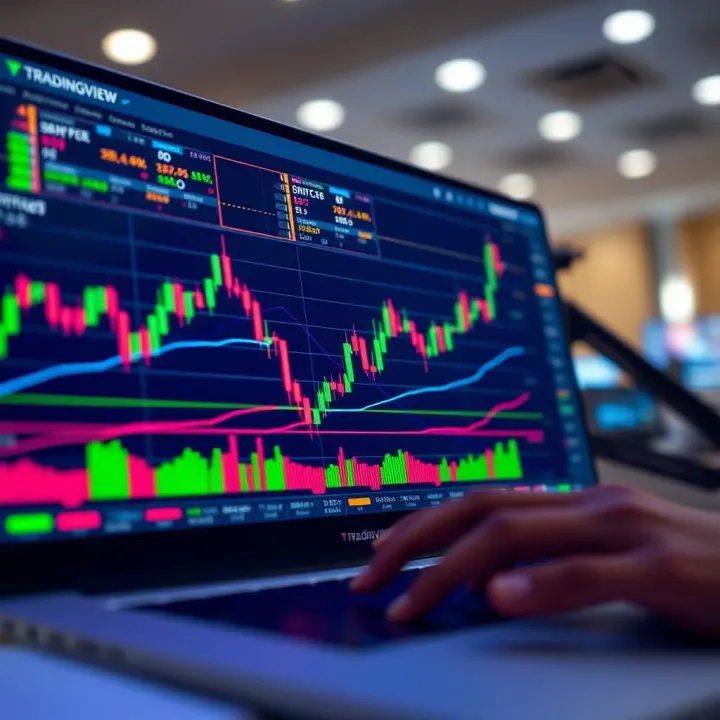
Consider a trader in Lagos using TradingView to follow the price movement of crude oil futures or popular forex pairs like USD/NGN. With TradingView’s candlestick charts and technical indicators like the Relative Strength Index (RSI) or Moving Averages, the trader can identify market momentum or potential reversals. This insight is vital when deciding on call or put options, especially given the forex volatility in Nigeria influenced by naira fluctuations.
When you rely on TradingView, you’re not guessing; you’re analysing live market behaviour alongside other traders globally, which is crucial in a fast-paced environment like binary options trading.
For Nigerian traders, setting up TradingView involves:
Choosing relevant assets available for binary options, such as forex pairs, cryptocurrencies, or stocks listed on the Nigerian Stock Exchange (NGX).
Applying indicators suitable for short-term trading, focusing on momentum and trend strength.
Customising time frames to match binary option expiry periods, often as short as 5 or 15 minutes.
Besides technical analysis, TradingView’s social features allow traders to follow ideas and strategies from experienced users. While this is not a substitute for personal judgement, it offers fresh perspectives and signals that may align with the local market environment.
In the context of Nigeria’s unique market challenges—such as intermittent internet access or sudden naira devaluations—TradingView’s cloud-based platform ensures your data is accessible wherever you can connect, reducing downtime risks. This helps maintain trading continuity and adapt quickly to market changes.
Overall, mastering TradingView means Nigerian binary options traders can make more confident moves, reduce reliance on guesswork, and better navigate the local financial landscape.
Understanding binary options trading is essential for traders in Nigeria looking to explore fast-paced financial opportunities. This form of trading offers a simplified way to predict the price direction of assets within a set period, making it appealing for newcomers and seasoned traders alike. Unlike traditional trading, binary options fix potential returns and losses upfront, helping traders manage risk more clearly.
Grasping the basics of binary options enables you to make more informed decisions when using analysis tools like TradingView. This foundation equips traders to better interpret market movements and choose assets wisely, ultimately improving chances of success.
Binary options are financial instruments where you predict whether an asset's price will go up or down over a given time frame, typically short—from minutes to hours. If your prediction is correct at expiry, you receive a fixed payout; if wrong, you lose the capital you staked. This clear-cut outcome makes trading straightforward, especially for Nigerians who want tight control over potential losses.
Unlike conventional trading, which involves buying or selling assets with variable profits or losses, binary options have fixed returns determined before the trade starts. For example, in forex trading, profit depends on how much the currency pair moves; in binary options, you simply bet on the direction, and profits don’t increase beyond the agreed rate. This difference reduces complexity but also limits profit potential.
Forex pairs like USD/NGN, EUR/USD, and GBP/USD are popular among Nigerian binary traders. The forex market’s liquidity and 24-hour availability make it attractive for short-term binary trades. For instance, during significant economic announcements impacting the naira, many traders watch for quick price moves to place timely binary bets.
Assets such as gold, crude oil, and stock indices like the S&P 500 offer alternative trading options beyond currencies. Nigerians often watch crude oil prices closely due to their direct impact on Nigeria’s economy. Binary options on commodities allow traders to capitalise on global supply-demand events quickly without owning the actual commodities.
Big multinational companies like Nestlé, Dangote Cement, and MTN Nigeria are favourites for binary options. These stocks’ movements reflect broader economic activities in Nigeria and often respond sharply to corporate news or market trends. Trading binaries on these stocks helps local investors speculate on short-term price changes without lengthy investment commitments.
Binary options trading provides Nigerian traders with an efficient way to engage diverse markets—from currencies to stocks—with clear risk and reward structures.
TradingView stands out as a vital platform for Nigerian traders looking to sharpen their approach to binary options trading. Its powerful charting and analysis tools turn complex market data into actionable insights, helping traders make informed decisions quickly. In the context of binary options, where timing and precision matter, TradingView’s ability to present clear market trends and signals becomes a real asset.
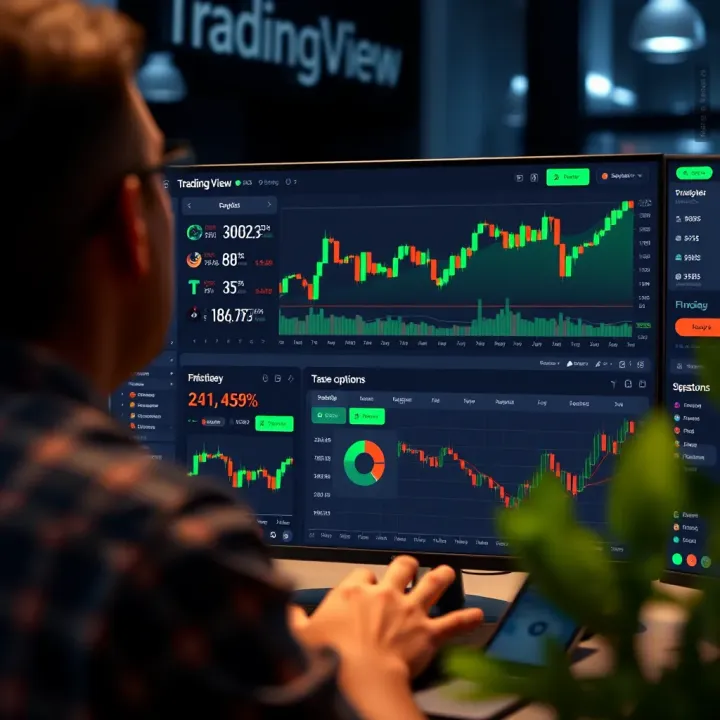
TradingView offers an extensive suite of interactive charts combined with a wide range of technical indicators and drawing tools. It supports multiple chart types, like candlesticks and line charts, allowing traders to spot market patterns clearly. For example, a Nigerian trader following forex pairs like USD/Naira can use TradingView’s platform to visualise price movements and predict short-term direction – crucial for binary options trades which often last minutes or hours.
Additionally, TradingView provides the flexibility to customise indicators or even create your own using its Pine Script programming language, giving traders an edge in developing unique strategies.
Nigerian traders benefit from TradingView’s cloud-based setup, which means no heavy software installations are necessary—just a browser or mobile app connection. This is important locally, given frequent power outages and varying internet speeds. The platform’s clean interface runs well on modest devices and is optimised for mobile, helping traders monitor market moves on the go.
Moreover, TradingView provides both free and paid subscription plans, with the free tier offering enough features for beginners or casual traders in Nigeria who might not want to invest upfront. For busy traders, premium plans unlock advanced chart layouts and faster data updates, useful during high-volatility periods.
Binary trading success often hinges on predicting short-term market moves, and TradingView’s rich collection of indicators helps spot these opportunities. Popular indicators like RSI (Relative Strength Index), MACD (Moving Average Convergence Divergence), and Bollinger Bands allow traders to identify oversold or overbought conditions, momentum shifts, and potential reversals.
For instance, a trader looking to place a call or put option on crude oil prices can watch Bollinger Bands squeezes on TradingView, signalling possible breakouts or pullbacks. Drawing trend lines and marking support or resistance levels further refines entry and exit timing, a must for binary options.
TradingView offers near real-time data access, which traders depend on for quick decisions. Nigerian traders in particular find this useful because markets can change fast, especially during volatile periods or after key Nigerian economic reports.
Custom alerts can be set for price levels, indicator crossovers, or trend breaks, notifying traders instantly via app notifications or email. This saves time and reduces the risk of missing trade windows, particularly when juggling other commitments or dealing with Nigeria’s spotty power supply.
One unique feature TradingView brings to the table is its social community of traders sharing strategies, chart analyses, and market ideas. Nigerian traders can benefit greatly from this pool of collective insight, seeing how others approach binary options trades and learning new tactics.
Community scripts and published strategies provide starter points for traders who want to experiment without starting from scratch. This peer learning enriches Nigerian traders’ own trading models and helps catch trends that might not be obvious from solo analysis.
TradingView doesn’t just offer tools; it opens doors to a global trading community, helping you stay informed and agile in Nigeria’s fast-moving binary options space.
TradingView offers essential features that suit the fast-paced nature of binary options trading. Nigerian traders rely on precision and speed to make quick decisions, and TradingView’s tools help provide timely market insights. The variety of chart types, technical indicators, and alert systems enable traders to spot entry and exit points clearly, improving trade success.
Candlestick, bar, and line charts each present price data differently, helping traders understand market behaviour from various angles. Candlestick charts, for example, are popular among Nigerian binary traders because they show open, close, high, and low prices within a specific time, making it easier to gauge market sentiment at a glance. Bar charts offer similar information but in a visually simpler form, while line charts connect closing prices to reveal general trends without extra details. Using these chart types smartly can guide traders on when to buy or sell.
Choosing timeframes suited for binary options is critical since binary trading is time-sensitive. Shorter timeframes like 1-minute or 5-minute charts work well for quick expiry trades, often seen in Nigeria’s busy markets where minutes can mean profit or loss. Longer timeframes, such as 15 or 30 minutes, can suit traders who prefer holding positions a bit longer to avoid noise in price action. Selecting timeframes that match your trade expiry can sharpen your market reading and decision-making.
Popular indicators for entry and exit signals like the Relative Strength Index (RSI), Moving Average Convergence Divergence (MACD), and Bollinger Bands help Nigerian binary traders identify overbought or oversold conditions and trend strength. For instance, seeing the RSI dip below 30 often signals a buying opportunity, while MACD crossovers can indicate momentum changes. Using these indicators together with price action gives clearer signals for making timely binary trades.
Using trend lines and support/resistance levels provides visual guides to crucial price points where market sentiment can shift. Drawing trend lines on TradingView allows traders to spot uptrends or downtrends effectively. Support and resistance levels highlight where prices repeatedly bounce or stall. In Nigerian markets with volatile assets like forex pairs (USD/NGN), knowing these levels helps avoid entering trades at risky points and increases chances of successful trades.
Setting customised alerts to catch trading opportunities lets Nigerian traders stay updated without staring at screens continuously. TradingView enables alerts based on price levels, indicator crossovers, or trendlines, sending notifications via email or app. This is particularly helpful given erratic internet and power supply challenges, ensuring traders don’t miss critical moments to enter or exit trades.
Organising asset watchlists for quick access allows traders to monitor preferred forex pairs, commodities, or stock indices relevant to Nigeria’s market in one place. Watchlists speed up decision-making by presenting live prices and trends without hassle. For example, tracking the NGX All-Share Index alongside USD/NGN forex pairs in a watchlist can give a broad yet focused view to plan multiple binary trades throughout the session.
Efficient use of TradingView features, tailored to quick binary trades, helps Nigerian traders avoid guesswork and react sharply to market movements. The platform's flexibility fits the pace and challenges of trading within Nigeria’s unique financial environment.
Using TradingView effectively is a must for Nigerian binary options traders who want to make informed decisions. This platform helps you spot market trends, time your entries and exits well, and manage your trades precisely. In Nigeria’s fast-moving financial markets, especially with volatility linked to the naira and global events, understanding how to use TradingView properly can improve your chances of success.
Getting started with TradingView is straightforward. You begin by visiting their website and creating an account using your email or social media credentials. This setup allows you to save your charts, indicators, and customised watchlists, making repeat access easier. For Nigerian traders with limited data, be aware that TradingView is web-based, so a stable internet connection will improve your experience.
Choosing between the free and paid plans is an important step. The free version offers access to many chart types, indicators, and alerts, which is often enough for beginners. However, if you want multiple chart layouts, advanced alerts, or faster data updates, paid plans provide these extras. Subscriptions start from a reasonable monthly fee and could be worth it if you trade frequently or require detailed data.
When picking a binary options broker in Nigeria, ensure they allow integration or easy reference to TradingView charts. Some brokers have built-in tools but rely heavily on external platforms like TradingView for technical analysis. Choosing brokers with solid reputations — regulated or at least transparent in their operations — reduces risks, especially since the Nigerian market has had issues with scams.
Using TradingView signals smartly means you’ll check multiple indicators before making a trade. For example, spotting a strong resistance level combined with a bearish RSI (Relative Strength Index) on TradingView could signal a good time to place a ‘put’ option. Always use TradingView signals to complement, not replace, your broker’s platform.
Backtesting lets you test your trading ideas using historical data before risking real money. TradingView’s replay feature lets you simulate past market conditions and see how your strategy would have performed. This process helps refine strategies, especially in binary options where trade expiry times matter a lot.
Risk management is key, even in binary trading. With TradingView’s accurate signals, you can decide your stake size more wisely. For instance, if your analysis suggests high volatility, reducing your position size can protect your capital. Keeping to consistent risk per trade, like 1-2% of your total capital, helps preserve your funds during losing streaks.
To sum up, setting up TradingView correctly and linking its analysis with Nigerian brokers provides a solid foundation. Backtesting your strategies and managing risks on the platform can make trading more than just guesswork — it becomes a calculated business.
Understanding the challenges Nigerian traders face when using TradingView for binary options is essential. Addressing these difficulties head-on improves strategy development and real trading outcomes. Practical tips help traders navigate local issues, reduce risks, and build disciplined habits that enhance consistent profits.
Internet connectivity and power supply issues: Reliable internet and power are the backbone of online trading. Many Nigerian traders experience intermittent network or power outages, especially outside major cities. This disrupts access to TradingView's real-time charts and alerts, potentially causing missed trading signals or delayed reactions. For example, a sudden blackout while monitoring a critical forex pair like USD/NGN may force a trader to guess market direction, risking losses.
Practical steps include using mobile data networks as backup, investing in an Uninterruptible Power Supply (UPS) or generator, and selecting brokers with mobile-friendly platforms that require less bandwidth. Staying prepared can significantly reduce the impact of these infrastructural challenges.
Broker scams and regulation to watch out for: The binary options space in Nigeria attracts many unregulated brokers promising high returns. Unfortunately, some operate scams, causing traders to lose deposits. Nigerian traders should verify brokers' licences with the Securities and Exchange Commission (SEC) Nigeria and check for international regulatory approvals.
A common red flag is brokers offering unrealistic high bonuses with unclear withdrawal processes. Nigerian traders must prioritise reputable platforms that allow integration with TradingView signals and maintain transparent policies. Practice due diligence by reading reviews, checking official broker directories, and avoiding platforms that do not comply with Nigerian financial regulations.
Regularly updating skills and market knowledge: Markets evolve; staying current with new trading techniques and shifts in economic policies—such as changes in CBN interest rates or FX rules—fundamentally improves success rates. Follow Nigerian financial news, attend webinars, and join trading communities on TradingView to exchange strategies and market insights.
Ongoing education helps traders adapt to market trends and avoid pitfalls during volatile periods like ember months when market sentiments shift.
Using demo accounts before real-money trades: Testing strategies on demo accounts lets traders familiarise themselves with TradingView features and binary trading mechanics without risking ₦. Demo trading also helps refine timing for entry and exit points, critical in binary options where expiration times are short.
For instance, practising with commodities like crude oil or gold on demo helps understand price movements grounded in global events, improving confidence before live trading.
Keeping a trading journal for analysis: Recording every trade's details—entry price, signals used, outcome, and emotional state—helps identify strengths and recurrent mistakes. Over time, traders can adjust strategies based on first-hand data rather than guesswork.
A well-maintained journal is like a personal coach, guiding traders toward better decision-making and improved risk management, which is particularly valuable for binary options’ fast pace.
Consistent focus on overcoming local challenges and disciplined practice can turn clever analysis on TradingView into real profits for Nigerian binary traders.
By anticipating obstacles and adopting these best practices, you strengthen your trading foundation amidst Nigerian market realities.
Boost your binary options trading in Nigeria with TradingView! 📈 Learn setup, key features & tips to improve your strategies effectively.
📊 Explore binary options trading in Nigeria! Learn how it works, spot risks & rewards, pick the right brokers, and protect your investments wisely.

🔍 Find top binary options brokers in Nigeria! Learn about regulation, platform features, asset choices, trading tools & support to trade smartly.
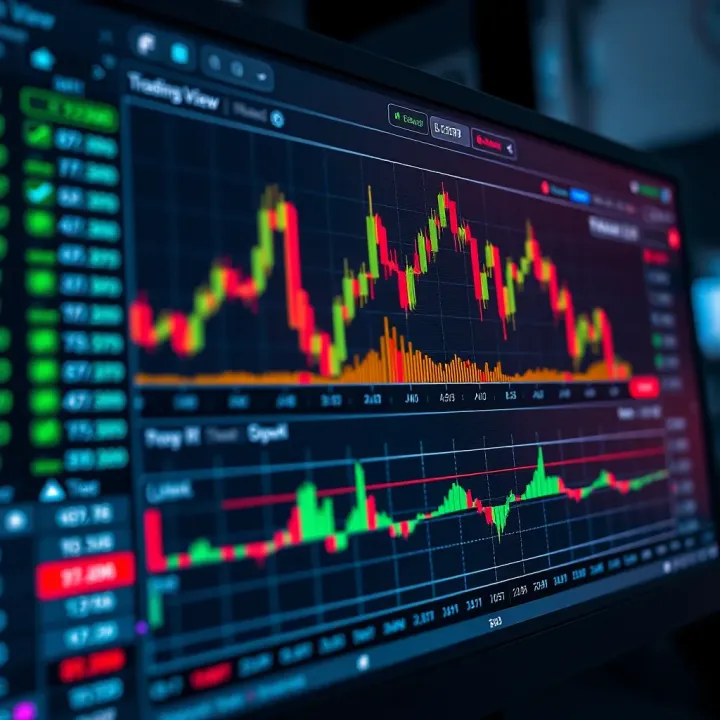
Explore how TradingView boosts your binary options trading with clear chart tips, key benefits, and risks to watch out for. 📊💡
Based on 7 reviews