
Understanding Deriv on TradingView for Nigerian Traders
Explore how Nigerian traders can seamlessly use Deriv on TradingView 📈. Get practical tips, learn key features, and navigate local regulations effectively.
Edited By
Amelia Clarke
Deriv Cashier acts as the gateway for all your deposits and withdrawals on the Deriv trading platform. For Nigerian traders facing frequent naira fluctuations and liquidity challenges, understanding how this feature works can save both time and money. It centralises various payment options, making it easier to top up your trading account or pull out profits securely.
What sets Deriv Cashier apart is its support for multiple payment methods tailored to the Nigerian market. These include bank transfers through verified Nigerian banks, popular e-wallets, and international cards. Each method has its processing time and fee structure, so knowing which suits your trading style helps you avoid unexpected delays or charges.
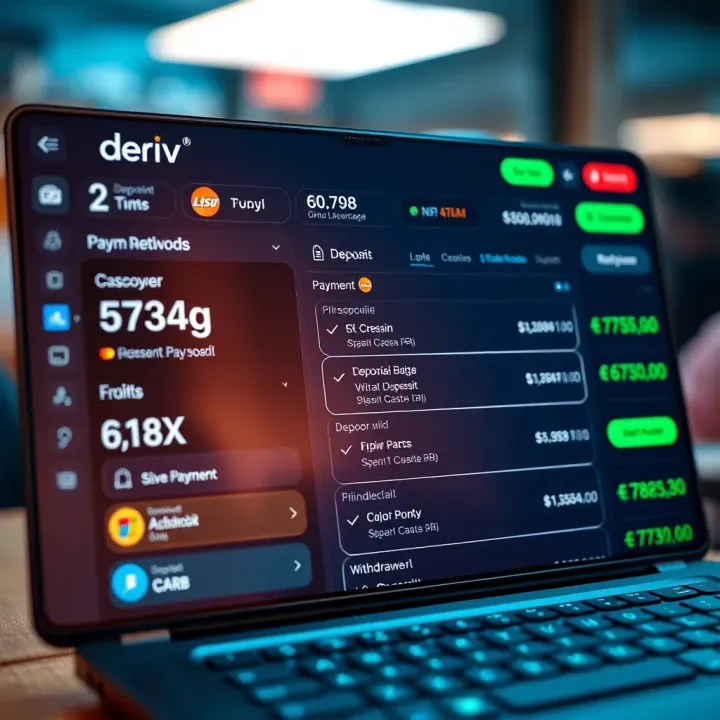
Managing your funds through the cashier is straightforward but requires vigilance. Due to Nigeria’s local banking system inconsistencies, transactions may occasionally experience delays or fail. Users should always confirm transaction status within their Deriv account and keep track of payment reference details to resolve any hiccups.
Nigerian traders should treat each transaction like a mini-investment—planning and double-checking details to prevent losses from naira volatility and fluctuating payment gateway fees.
To navigate this landscape efficiently:
Use bank transfers during banking hours to ensure same-day processing.
Leverage trusted e-wallets for faster deposits, especially when markets open or close.
Avoid using unverified third-party payment agents to reduce fraud risk.
Deriv Cashier also offers the ability to view your transaction history and download receipts, important for keeping track for taxes or reconciliation. Real-time notifications on deposits and withdrawals keep you updated without having to refresh the platform repeatedly.
In short, understanding how Deriv Cashier works, along with the payment options available in Nigeria, empowers you to manage your trading funds smartly in a market that fluctuates quite severally. This foundation prepares you to maximise your trading opportunities securely and efficiently.
Deriv Cashier is the backbone of the Deriv trading platform, particularly for Nigerian users. It allows seamless management of deposits and withdrawals, which is fundamental to smooth trading operations. Without an intuitive and reliable cashier, traders could struggle with delays, payment failures, or unnecessary fees, directly impacting their ability to capitalise on market opportunities.
For Nigerian traders, the experience of handling payments online is often fraught with challenges such as fluctuating naira value, limited local payment options, and intermittent banking disruptions. Deriv Cashier helps bridge these gaps by offering a variety of payment methods tailored to the Nigerian market. This section introduces the core role of the cashier, setting the stage for traders to understand how to fund their accounts and access profits efficiently.
Deriv Cashier is essentially a payment gateway integrated within the Deriv trading platform. It acts as the interface where users deposit funds into their trading wallets and withdraw profits or unused balances. The system supports multiple payment methods — including bank transfers, e-wallets, cryptocurrencies, and sometimes local options like USSD payments.
Unlike standalone payment services, the cashier is customised for Deriv’s ecosystem, ensuring traders comply with regulatory requirements and platform policies. It provides real-time updates on transaction status and lets users track their payment history. Essentially, Deriv Cashier is the financial hub that keeps your trading funds moving smoothly.
For Nigerian traders, Deriv Cashier takes on extra significance considering the local financial context. Challenges such as naira liquidity issues or FX rate fluctuations often complicate payments. By offering localised payment options and working with Nigerian banks and payment partners, Deriv Cashier reduces the risk of transfer failures and long delays.
Moreover, security is paramount. With rising cyber fraud cases in Nigeria, having a reliable cashier that monitors transaction safety shields traders from potential scams. Furthermore, the platform’s transparent fee structure and user-friendly interface make it easier for Nigerians to manage their trading funds without hidden costs or confusing steps.
Traders in Lagos or Abuja, for example, can deposit funds via familiar means like USSD or local bank transfers and expect quick confirmation, avoiding the hassle of international wire delays.
In short, Deriv Cashier is not just a transaction tool — it’s a key enabler that helps Nigerian traders stay competitive and confident in the fast-moving trading market.
Deriv Cashier offers multiple payment methods tailored to Nigerian users, recognising the unique challenges of local banking and currency fluctuations. Knowing your options and how each works helps you move funds smoothly for trading without unnecessary delays or extra costs. This section breaks down practical payment choices to fit varied preferences and circumstances.
Bank transfers remain a trusted way for most Nigerians to fund their trading accounts on Deriv. Through local banks like GTBank, Access Bank, Zenith, and First Bank, users can initiate deposits directly from their accounts. Sometimes, Deriv supports USSD payment options, where you dial a code on your phone to confirm payments instantly without internet. This method benefits those with limited data access or in locations where bank app reliability is a concern.
For example, a trader in Lagos may use USSD to quickly send ₦50,000 from their phone without visiting the bank or opening an app. Transfers typically reflect in the Deriv account within minutes. However, charges may vary between banks and depend on network congestion or regulatory changes, so double-check fees before proceeding.
E-wallets such as OPay, PalmPay, and international services like Skrill and Neteller provide flexible ways to manage deposits and withdrawals on Deriv. These digital wallets enable quick fund movements without sharing bank details directly on the Deriv platform, enhancing security.
Nigerian traders can fund their e-wallets via bank transfers or agents, then use the wallet for instant deposits to Deriv. This is particularly useful when naira faces volatility since some wallets allow currency holding or conversion. For instance, OPay users often experience faster transaction times and lower fees compared to direct bank transfers.
Keep in mind that wallet limits and verification requirements vary. Ensuring your e-wallet account is fully verified beforehand reduces delays during trading.
Deriv permits deposits and withdrawals in cryptocurrencies like Bitcoin and Ethereum, attracting traders keen on digital assets. Cryptocurrency transactions bypass traditional banks and their limits, offering quicker access to funds in a decentralised manner.
For Nigerian users, dealing with crypto on Deriv means first acquiring coins through local exchanges such as BuyCoins or Quidax, then sending them to the Deriv wallet. This method may save on fluctuating naira conversion fees and avoid network downtimes common with bank transfers.
However, crypto markets can be volatile. Users must monitor exchange rates and network fees that might affect the total amount received or withdrawn. Also, taking precautions against scams and using secure wallets remains critical when handling crypto.
Choosing the right payment method depends on your trading frequency, amount involved, and preference for speed versus cost. Deriv Cashier’s diverse payment options make trading practical for Nigerians despite the unpredictable financial landscape.
Overall, understanding these payment methods ensures you can fund your Deriv account confidently and start trading without unnecessary hassles.
Understanding how to make deposits and withdrawals on Deriv is essential for Nigerian traders and investors. In a trading environment where timely fund movement can affect opportunities and profits, clear knowledge of these processes helps you avoid delays, additional charges, and technical hiccups.
To fund your Deriv account, start by logging into your account and navigating to the Cashier section. Choose the deposit option, then select your preferred Nigerian payment method—this could be bank transfer via USSD, e-wallets like OPay or Paystack, or even cryptocurrencies such as Bitcoin, depending on what is supported.
Next, enter the amount you want to deposit, keeping in mind the minimum limits set by Deriv and your chosen payment channel. Verify your details before confirming the transaction. For instance, depositing ₦20,000 using USSD with your bank’s mobile money app should reflect in your Deriv account within minutes unless your bank faces network issues.
If you use e-wallets, ensure your wallet has enough balance and is linked correctly. Deposits usually clear faster compared to traditional bank transfers. It’s wise to keep your BVN and NIN updated with your financial service providers to avoid authentication problems.
Withdrawal starts similarly at the Cashier section but selecting the withdrawal option. Nigerian traders must select the withdrawal method aligned with their deposit route to comply with Deriv’s policies, reducing risks of rejected transactions.
Enter the withdrawal amount, confirming it meets the minimum withdrawal limit (usually ₦5,000 or as specified). Nigerian traders should double-check their bank or e-wallet details to avoid delays or loss of funds. For example, sending withdrawal funds to an unregistered bank account could lead to extended processing time or rejection.
Deriv often requires traders to complete the Know Your Customer (KYC) steps before the first withdrawal, which includes uploading valid ID and proof of address. This not only safeguards your funds but gives you peace of mind about the platform’s legitimacy.
When using Deriv Cashier, be aware of transaction limits imposed both by Deriv and Nigerian payment systems. For example, USSD transactions often cap at ₦50,000 or ₦100,000 per day, depending on your bank’s policy. Similarly, e-wallets might have transaction thresholds which can affect high-volume traders.
Fees vary by payment method. Bank transfers might include charges for mobile money services, while cryptocurrencies have network fees that fluctuate based on blockchain traffic. Deriv itself does not usually charge deposit fees, but withdrawal fees may apply depending on the channel.
Understanding these limits and fees upfront helps you plan your trades better and avoid surprises when moving funds.
In summary, knowing exactly how to make deposits and withdrawals on Deriv lets Nigerian traders control their funds effectively. Use verified payment methods, follow step-by-step procedures closely, and respect transaction limits and fees for a smoother trading experience.
While Deriv Cashier offers a mostly smooth experience, Nigerian users sometimes face specific challenges that can disrupt their trading activities. Knowing these issues and how to handle them will save traders time and prevent avoidable losses.
Transaction delays are among the most common concerns with Deriv Cashier in Nigeria. These delays can result from fluctuations in network connectivity, especially during peak periods like ember months or heavy internet traffic in Lagos. For example, a user trying to deposit through a bank transfer may experience delays if the bank’s processing system is slow or undergoing maintenance.
To manage these delays, always initiate your transactions early, avoiding last-minute funding before market openings or trade expiries. It’s also wise to confirm your bank’s working hours as many Nigerian banks limit interbank transfers beyond 4 pm. Using quicker options like USSD payments or e-wallets such as OPay or PalmPay often helps reduce waiting time.
Users occasionally encounter glitches such as payment confirmation errors or the Deriv Cashier interface not loading correctly. This may happen due to browser compatibility problems or an unstable internet connection. Traders have reported instances where funds do not reflect immediately, causing understandable concern.
When technical issues crop up, start by clearing your browser cache or trying another device. If the problem persists, the Deriv customer support team is reachable via live chat and email. Always keep your transaction records and screenshots handy when contacting support. Nigerian traders have found it helpful to report problems during Nigerian business hours to get quicker responses.
Financial transactions are always sensitive. Nigerian traders must be cautious to avoid scams that can mimic Deriv’s payment processes, such as fake websites or malicious apps stealing login details. Fraudsters sometimes pose as Deriv representatives requesting personal or banking information.
To protect yourself, always access Deriv Cashier through the official website or authorised apps. Enable two-factor authentication on your account to add an extra security layer. Never share your Bank Verification Number (BVN), passwords, or OTPs with anyone. If you suspect suspicious activity, report it to Deriv immediately and consider alerting your bank.
Staying alert to these challenges and preparing accordingly helps Nigerian traders use Deriv Cashier confidently, avoiding unnecessary pitfalls that could disrupt their trading goals.
By understanding and addressing these common hurdles, users enhance their trading efficiency and safety, making Deriv Cashier a reliable partner in Nigeria’s dynamic trading environment.
Efficient use of Deriv Cashier can notably enhance your trading experience by saving time and reducing unnecessary costs. Given the peculiarities of Nigeria's financial system—such as fluctuating exchange rates, occasional network glitches, and varied payment options—knowing how to navigate the cashier smartly becomes an advantage rather than a hassle.
Selecting the right payment method is central to a smooth trading flow. For instance, if you're dealing with larger sums, bank transfers might be safer but can take longer due to processing times and possible bank restrictions. On the other hand, e-wallets like Paystack or Flutterwave offer faster processing and flexibility for smaller amounts but sometimes have higher transaction fees. Crypto options may attract you for anonymity and speed, yet their value can swing sharply due to market volatility. Consider your transaction size, urgency, and comfort with technology when picking a payment method. Additionally, some payment solutions perform better during peak periods, so testing which works reliably for you is key.
Timing your deposits and withdrawals correctly helps avoid extra charges that traders often overlook. Banks and payment platforms in Nigeria sometimes impose fees for transfers outside business hours or on weekends—when they batch-process payments. For example, making deposits early on a weekday guarantees quicker verification and fewer chances of delays. Similarly, withdrawing funds at the start of the week may sidestep weekend downtime. Also, be mindful of the Central Bank of Nigeria's policies or Forex restrictions; these can affect your ability to move funds internationally at certain times, leading to hold-ups or additional levies.
Maintaining a clear record of all your deposits and withdrawals is a practice no serious trader should ignore. Use tools like Excel sheets or mobile finance apps (such as Wallets or banking apps) to log transaction dates, amounts, payment methods, and confirmation numbers. This habit helps you spot discrepancies, track possible delays, and reconcile your Deriv account promptly. Moreover, in case of disputes or support claims, having this data at hand speeds up resolutions. Given Nigeria's sometimes unreliable internet connections or network downtime, supplement your records with screenshots or email receipts whenever possible.
Being deliberate with how and when you use Deriv Cashier not only smooths your trading operations but also safeguards your funds amid Nigeria's unique financial challenges.
By applying these practical tips, Nigerian traders can manage their funds on Deriv Cashier more confidently, avoiding common pitfalls while making the most of their investment activities.
Explore how Nigerian traders can seamlessly use Deriv on TradingView 📈. Get practical tips, learn key features, and navigate local regulations effectively.

🔍 Learn how to pick the best binary brokers in Nigeria, understand risks, and trade wisely in binary options with our detailed guide for traders. 💼💡
🔐 Step-by-step guide to app.deriv.com login for Nigerian users. Learn how to create accounts, troubleshoot login issues, and keep your trading secure!

Explore app.deriv.com for online trading 👨💻. Learn how to start, explore features, manage your account, and trade safely with tips for Nigerian users 🇳🇬.
Based on 8 reviews