
Understanding Copytrading for Nigerian Investors
📈 Discover how Nigerian investors can use copytrading to follow experts, understand the risks and benefits, and start smart investing today. 🇳🇬💼
Edited By
Charlotte Hughes
Derivative trading has steadily gained ground as a key strategy for Nigerian investors looking to manage risks, boost returns, and diversify investment portfolios. Unlike simply buying or selling stocks, derivative trading involves contracts whose value is based on the performance of underlying assets such as equities, commodities, currencies, or indices.
In Nigeria, derivatives are still emerging, yet platforms like the Nigerian Stock Exchange (NGX) have started integrating derivative products such as futures and options. This opens doors for investors to hedge against price volatility — one of the biggest concerns given the naira’s fluctuations and commodity price swings affecting the economy.
The core types of derivatives you’ll encounter include:
Futures contracts: Agreements to buy or sell an asset at a set price on a future date. For example, a cocoa farmer might lock in a price for their produce months ahead to avoid losses in case prices drop.
Options contracts: These give the holder the right—but not the obligation—to buy or sell an asset at a specific price before expiry. An investor might use options to speculate on the price movement of key stocks like Dangote Cement or MTN Nigeria.
Understanding how these contracts operate gives you tools to protect your investments or speculate smartly—both key to navigating Nigerian markets with its unique risks and opportunities.
Trading derivatives requires attention to market signals, timely decisions, and a good grasp of how leverage works since small price movements can have magnified effects. Besides financial gains, derivatives help stabilize investment portfolios during volatile periods, shielding against sudden shocks such as fuel scarcity or political uncertainties common here.
Getting started means:
Learning clearly what each derivative does and its risk profile.
Choosing a regulated broker or platform that complies with the Securities and Exchange Commission (SEC) Nigeria rules.
Practising with demo accounts where available, before committing real funds.
By adopting a disciplined approach, you can incorporate derivatives into your investment plan thoughtfully. This practical knowledge matters more now as more Nigerian investors aim to diversify beyond traditional shares and fixed income.
In this article, we will break down everything you need to understand derivative trading, tailored to the Nigerian context, helping you move confidently in the market.
Derivative trading is a way to engage in financial markets without owning the underlying asset directly. It allows investors to manage risk, hedge against price changes, or speculate on market moves using contracts based on assets like stocks, commodities, currencies, or indexes. For Nigerian investors, understanding this trading approach can open alternatives beyond the usual equity or fixed income investments.
Derivatives derive value from an underlying asset. This asset could be a commodity such as crude oil, a stock listed on the Nigerian Exchange (NGX), or foreign currency like the US dollar against the naira. The price of the derivative depends closely on the price movements of this asset. Practically, if you expect the price of crude oil to rise, you might use a futures contract based on oil to gain exposure without buying the physical commodity.
Derivative trading happens through legal contracts specifying terms like price, quantity, and settlement dates. These contracts create rights and obligations between parties. For example, a futures contract binds you to buy or sell an asset at a fixed price on a future date. This contractual nature means you trade on price shifts rather than ownership. Nigerian brokers and fintech platforms facilitate this by providing access to standardised contracts tailored for local and global assets.
Many investors use derivatives to hedge risks, such as locking in prices to avoid losses from market volatility. Others speculate on price changes aiming for profit with limited capital outlay. Additionally, derivatives help diversify portfolios by including assets that behave differently from stocks or bonds. In Nigeria, companies involved in agriculture or oil often use derivatives to manage price risk, while investors can also explore derivatives for strategic market exposure.
Traditional investing means owning an asset like shares in a company or real estate. Derivative trading, however, involves contracts that represent the asset without actual ownership. For Nigerian investors, this means you don’t hold the shares or commodity but a right or obligation connected to it. This distinction affects how you participate in dividends, votes, or physical delivery.
Derivative trading often involves shorter-term positions with specified expiry dates. Investors can use leverage to control larger asset values with smaller amounts of capital, increasing both potential gains and losses. For example, a trader using margin with a futures contract on the NGX might invest ₦100,000 but control assets worth ₦1,000,000. This is quite different from traditional investing, where the capital committed is usually the purchase price.
Because derivatives use leverage and rely on contractual agreements, the risk profile differs sharply from owning assets outright. Although derivatives can reduce risk through hedging, they also expose investors to amplified losses if the market moves against them. Nigerian investors should understand these risks, including market volatility and counterparty reliability, before stepping into derivative trading.
Derivative trading offers Nigerian investors tools for strategic market participation but requires a clear grasp of contracts, leverage, and underlying assets to navigate risks effectively.
Derivatives are financial contracts whose value depends on underlying assets. Understanding popular types like futures, options, and swaps is vital for Nigerian investors to navigate risks and seize market opportunities effectively. Each derivative comes with distinct features and applications that can suit different investment goals and risk appetites.
Futures contracts are pre-set agreements to buy or sell an asset at a specific price on a future date. These contracts are standardised in terms of quantity, quality, and delivery dates, making them highly liquid and easier to trade. For Nigerian investors, this means they can engage on platforms with clear terms, reducing ambiguity.
In Nigeria, futures often relate to commodities like crude oil, cocoa, or agricultural products — all key players in the local economy. Financial indexes such as the NGX 30 can also underlie futures contracts. For instance, a producer of cocoa might use futures contracts to lock in prices and avoid sudden market swings, ensuring stable revenue despite volatile global prices.
Futures can settle in two main ways: physical delivery of the asset or cash settlement. In practice, many investors prefer cash settlement due to ease and reduced logistics. For example, a trader might agree to settle the difference between contract price and market price without actual delivery of crude oil, making trading more flexible and less costly.
Options give buyers the right, but not the obligation, to buy (call option) or sell (put option) an asset at a specific price before expiry. Sellers of options carry the obligation to fulfil if buyers exercise their rights. This asymmetry allows investors to limit potential losses while benefiting from favourable price movements.
Options serve as tools for both hedging risks and speculating. An investor fearful of a possible drop in NGX shares may buy put options to protect their portfolio. On the other hand, a trader expecting a rise in oil prices might purchase call options hoping to profit from upward movement without needing to buy the asset outright.
While options trading is still growing locally, platforms like the Nigerian Exchange Group have begun to list options linked to equities and commodities. For example, some investors hedge risks associated with oil price volatility by using options contracts traded on international platforms accessible through Nigerian brokers.
Swaps involve exchanging cash flows between parties, often to manage interest rate or currency exposure. Nigerian firms borrowing in foreign currency might use currency swaps to fix exchange rates and reduce naira volatility risks. Similarly, interest rate swaps can help companies switch from variable to fixed rates, smoothing repayment obligations.
Credit default swaps (CDS) act like insurance against borrower defaults. Investors or banks holding bonds can use CDS to offset losses if the bond issuer fails to pay. Though not yet widespread in Nigeria, CDS might gain ground as corporate bond markets expand.
Banks and multinational companies operating in Nigeria utilise swaps to manage cross-border risks and capital costs. For instance, a telecom firm might arrange swaps to stabilise foreign loan repayments amid the frequent naira exchange rate shifts. These instruments add sophistication to Nigeria’s financial markets and support business growth.
Understanding these derivatives helps Nigerian investors not only to protect their investments but also to explore new income streams and manage exposure effectively. Learning their practical function prepares you for a more confident participation in both local and international markets.
Understanding how derivative trading actually works in practice is essential for Nigerian investors who want to navigate this complex but rewarding market effectively. This section focuses on practical aspects like trading platforms, market access, leverage, margin, and managing open positions — all key elements that shape your daily trading decisions.
Local brokers and online platforms form the backbone of derivative trading for Nigerian investors. Traditional brokers registered with the Nigerian Exchange Group (NGX) provide access to futures and options markets, though their offerings may be limited compared to global markets. Recently, online trading platforms have improved accessibility, allowing investors to execute trades from anywhere, often with lower fees. For example, platforms linked to banks like GTBank or fintech companies such as Kuda are becoming popular gateways for investing in derivatives.
The Nigerian Exchange Group plays a critical role in regulating and facilitating derivative trading. As the main securities exchange, NGX outlines listings and trading rules for derivatives on local commodities like crude oil or agricultural products. They ensure transparency and compliance, which protects investors from fraud and manipulation. Without NGX’s oversight, derivative markets would lack structure, making it risky for everyday traders to participate.
Fintech has disrupted access to derivative trading by offering user-friendly apps and integration with mobile payment systems like OPay and Paystack. These innovations reduce barriers such as paperwork and lengthy account opening processes. Through fintech, even retail investors in cities like Lagos or Kano can start trading derivatives using their smartphones, a convenience that was hard to imagine a few years ago.
Leverage allows traders to control larger positions with a small amount of capital. In Nigeria, leverage limits vary depending on the product and broker policies, but it typically ranges between 5x to 20x. This means a ₦100,000 deposit could give you control over a ₦1 million to ₦2 million position. While leverage can magnify gains, it also exposes traders to significant losses if the market moves against their positions.
Margin requirements in Nigeria act as a safety net ensuring that traders have enough funds to cover potential losses. Typically, brokers require an initial margin deposit before opening a position and may demand additional margin if losses threaten the account balance. For instance, a trader dealing in crude oil futures might need to maintain a margin balance of around 10% of the contract value, which helps cushion against drastic price swings common in Nigerian commodity markets.
Managing open positions and risks is the daily challenge for any derivative trader. Effective position management means monitoring market moves closely, setting stop-loss orders to limit potential downsides, and adjusting positions as news and price trends evolve. A Nigerian trader speculating on currency swaps, for example, must consider global forex movements and domestic policies by the Central Bank of Nigeria (CBN) to avoid unexpected losses.
Successful derivative trading requires both technical know-how and discipline in managing exposure. Nigerian investors should combine sound platform choice with prudent leverage and margin management to navigate the market safely.
Derivative trading holds appeal for Nigerian investors because of its ability to balance risks and offer opportunities for returns beyond traditional investments. However, understanding both sides—the potential benefits and inherent risks—is vital before putting your money on the line.
Many Nigerian businesses rely on commodities or foreign exchange, both known for volatile prices. Derivatives like futures and options provide tools to hedge against these price swings. For instance, a cocoa exporter can use futures contracts to lock in prices months ahead, avoiding losses if international prices drop by harvest time. This financial shield stabilises revenue and protects businesses from sudden market shocks.
Derivative contracts often require less initial investment compared to buying the underlying asset outright. This leverage offers investors a way to speculate on price movements without tying up large sums. Suppose a trader believes that the NGX All-Share Index will rise; by purchasing index futures, they can gain exposure at a fraction of the cost of buying all the shares directly. While this increases profit potential, it demands careful position management to avoid outsized losses.
Derivatives allow investors to access different asset classes and strategies that might be hard to reach otherwise. For example, through options or swaps, an investor can gain exposure to currencies, interest rates, or commodities, complementing existing equity or fixed-income holdings. This diversification helps reduce overall portfolio risk, smoothing returns amid Nigeria's sometimes unpredictable economic conditions.
Derivative prices respond swiftly to market changes. Sudden shifts—say, a drop in oil prices impacting the economy—can cause rapid losses. Nigerian investors must monitor market conditions closely and avoid holding large risky positions unhedged. Using stop-loss orders or setting clear exit strategies helps manage these risks.
While leverage can boost gains, it also magnifies losses. A small adverse price move can wipe out an investor’s capital quickly. For example, if you buy futures contracts using borrowed funds, a 5% price drop might translate to a 20% capital loss. Practising prudent leverage levels and maintaining margin requirements set by Nigerian brokers are critical to surviving volatile markets.
In derivative contracts, there is a risk that the other party may default, especially in over-the-counter markets without central clearing. Nigerian investors should deal with regulated brokers and platforms overseen by the Securities and Exchange Commission (SEC) and the Nigerian Exchange Group to reduce this risk. These bodies enforce standards to protect investors and ensure contract settlements proceed smoothly.
Engaging in derivative trading is like riding an okada through Lagos traffic: it can be fast and rewarding but requires skill and caution to avoid accidents.
Balancing the upsides and downsides requires Nigerian investors to educate themselves, use reliable intermediaries, and maintain disciplined risk management practices. When done well, derivatives can become strong tools in your investment toolkit, helping you navigate the highs and lows of the market with more confidence.
Regulation plays a vital role in shaping Nigeria’s derivative trading landscape. Proper oversight ensures that market activities remain fair, transparent, and minimise systemic risks. For Nigerian investors, understanding the regulatory environment means safer trading and clearer protection when engaged in derivatives.
The Securities and Exchange Commission (SEC) Nigeria strictly supervises derivative markets as part of its mandate to protect investors and maintain market integrity. SEC sets guidelines on licensing brokers, reporting requirements, and compliance standards for derivative products. Meanwhile, the Nigerian Exchange Group (NGX) provides the trading infrastructure, listing derivative contracts and ensuring they meet operational rules. This partnership between SEC and NGX creates a regulatory ecosystem where products are listed transparently and investors can track their trades in real time.
By enforcing these rules, SEC and NGX deter market manipulation and insider trading. Traders benefit from a more level playing field, making it easier to assess risks and rewards clearly.
The Central Bank of Nigeria (CBN) views derivative trading cautiously, especially because derivatives may affect the banking sector’s stability. It limits bank involvement in some derivative transactions to reduce exposure to speculative risks that could threaten liquidity. For example, CBN directives restrict excessive leverage that banks can apply to avoid systemic shocks.
This stance ensures derivatives do not undermine Nigeria's broader financial stability. Investors should note restrictions that might influence derivative availability, especially those linked to foreign exchange or interest rate products.
Legal protections exist to safeguard investors’ rights in derivative trading. Nigerian law mandates contracts be enforceable, and disputes settled through formal legal channels. SEC also requires brokers and dealers to maintain client funds separately and provide clear disclosures about risks.
Such protections build investor confidence. If, for instance, a broker fails to honour contracts or misappropriates funds, affected parties can seek legal redress. This framework helps reduce counterparty risk, a common concern in derivatives.
Nigeria’s derivative market is still evolving. There is an opportunity to create new products tied to local commodities like cocoa, crude oil, and agricultural yields, which could help farmers and producers hedge price risks. Similarly, derivatives linked to NGX indices could attract more investors seeking to manage portfolio volatility.
Tailoring products to domestic economic realities will enhance market relevance. For example, contracts designed for Nigeria’s petrol price fluctuations could appeal to transport operators and manufacturers who face high fuel costs.
Many Nigerian traders still misunderstand derivative risks, partly due to limited education. Increasing investor awareness through seminars, online courses, and media coverage will help people make informed decisions and avoid costly mistakes.
Organizations like SEC and NGX have launched campaigns, but broader outreach is needed, especially targeting retail investors and young adults entering the capital markets.
Robust technology is key to efficient derivative trading. Advances in digital trading platforms allow faster execution, better market data access, and real-time risk monitoring. Nigerian fintech firms are beginning to offer such services, increasing accessibility.
However, challenges include unreliable internet connectivity in some regions and limited adoption of advanced trading tools. Upgrading infrastructure at exchanges and brokers will improve liquidity and encourage more participants to join.
Strong regulation combined with education and better technology can drive Nigeria’s derivative markets into a new phase of growth, benefiting investors across the board.
📈 Discover how Nigerian investors can use copytrading to follow experts, understand the risks and benefits, and start smart investing today. 🇳🇬💼

Explore how binary bots work in trading, their benefits, risks, and legal aspects. Get practical tips for choosing the right bot 🤖📈 for your trades.
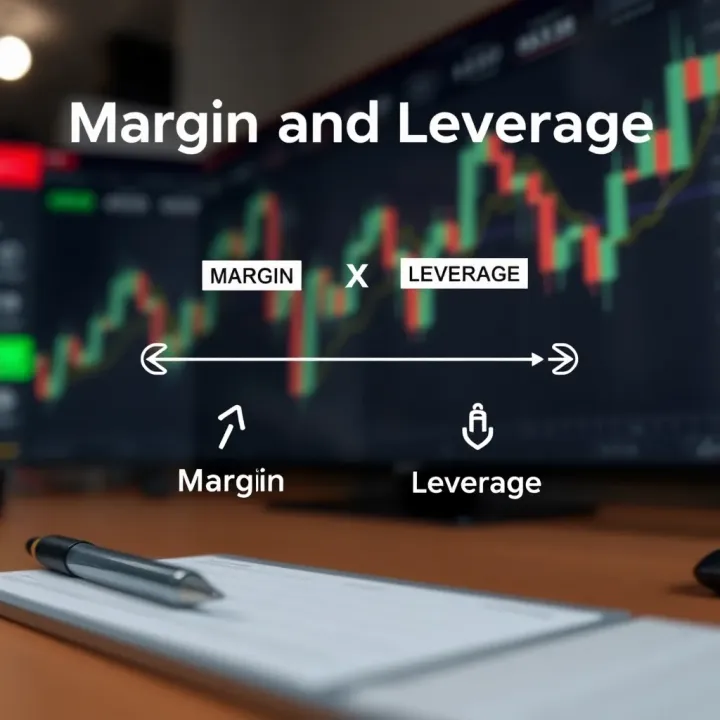
📊 Discover how margin works in forex trading, understand leverage and risk management to make smarter trading decisions. Stay informed and in control!
Explore VIX 75 📉, a key volatility index for traders in Nigeria 🇳🇬. Learn how it works, trading methods, and managing risks effectively.
Based on 8 reviews