
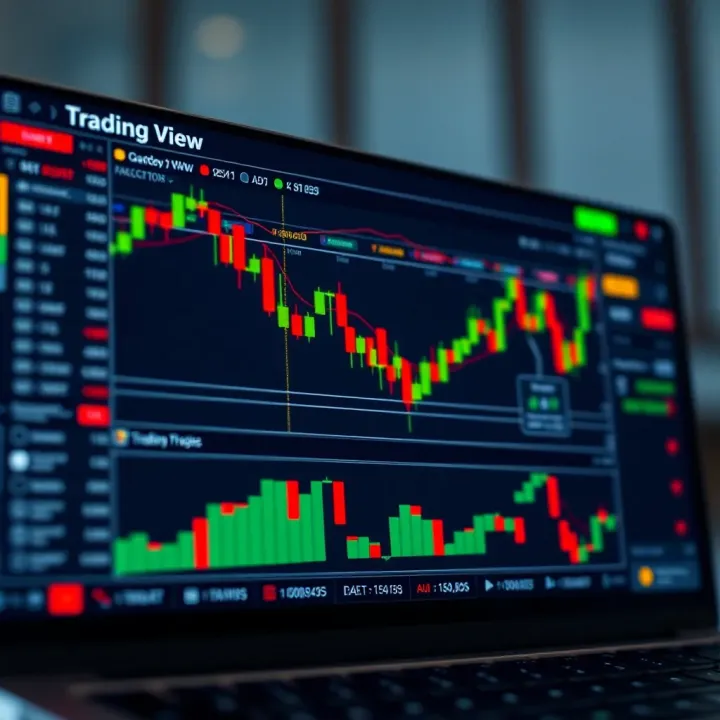
Using TradingView for Market Analysis in Nigeria
📊 Master TradingView for smarter market analysis! Learn setup, chart customization, and tips tailored for Nigeria's financial markets. Start trading confidently!
Edited By
Liam Walker
TradingView stands out as a powerful tool for traders and investors looking to sharpen their market analysis. For Nigerians active in financial markets—from the NSE (Nigerian Stock Exchange) to forex and cryptocurrencies—TradingView offers flexible charting and technical analysis capabilities tailored to diverse trading styles.
In essence, the platform combines real-time data with customizable charts, making it easier to spot trends, set alerts, and execute strategies with confidence. Unlike basic broker platforms with limited tools, TradingView's interface lets you overlay multiple indicators like RSI, MACD, and Bollinger Bands to assess momentum, volatility, and potential price movement.
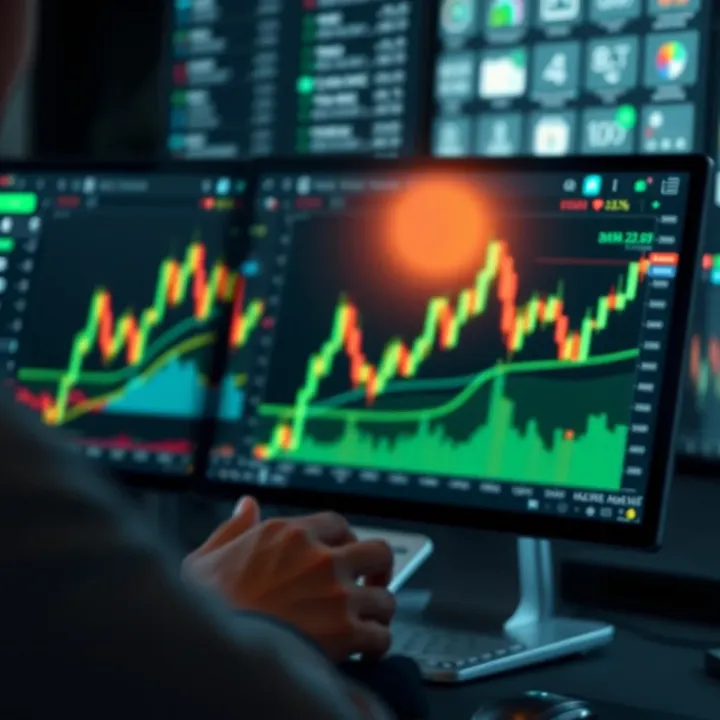
More than just charts, TradingView's social features empower traders to connect, share ideas, and learn from experienced market participants. This peer engagement is valuable, especially for beginners navigating volatile markets where local factors such as naira exchange rates or fuel subsidy policies impact trading decisions.
A practical example is how a petrol company stock listed on the NSE might react to changes in government subsidy announcements. By setting TradingView alerts for price breaks or volume spikes on such stocks, Nigerian traders can act faster than relying on traditional news sources.
The platform also supports integrating data feeds relevant to Nigeria's markets, including global commodities that influence local sectors like agriculture and energy. Plus, with mobile and desktop apps, it remains accessible wherever you find internet service—be it Lagos traffic jams or remote rural areas.
Using TradingView effectively requires understanding which tools fit your trading style. A day trader may rely more on minute charts and volume indicators, whereas a long-term investor might focus on weekly trends and fundamental overlays.
To get started, Nigerian traders should create a free account, link with their preferred broker or market data service where needed, and familiarise themselves with drawing tools and watchlists. This preparatory step sets a solid foundation for gradually building a trading edge.
In the following sections, you'll find detailed guidance on setting up your TradingView workspace, customising indicators, and leveraging local market data—making your analysis both sharper and more grounded in Nigeria's unique financial environment.
TradingView stands as one of the most accessible and powerful charting platforms in financial markets today. For traders and investors in Nigeria, getting a grip on its core features opens the door to smarter market analysis and better decision-making. This section explores what TradingView is all about and how it benefits Nigerian users specifically.
TradingView offers interactive charts, real-time data, and a social network where traders share ideas and strategies. Unlike traditional chart services that can be cluttered or rigid, TradingView’s user-friendly interface allows custom layouts, multiple chart types, and straightforward navigation. This platform supports a wide array of markets including stocks, forex, cryptocurrencies, and commodities, making it suitable for those diversifying their portfolios.
One standout feature is its cloud-based design, which means you can access your customised charts anywhere, be it your office or during a quick trip to the market. Plus, tools like the Pine Script language allow advanced users to build and test custom indicators, enhancing technical analysis precision.
Nigerian traders face unique challenges like market volatility, irregular trading hours, and limited access to certain financial data. TradingView eases these difficulties by integrating Nigerian Stock Exchange (NGX) data alongside global markets, so traders see both local and foreign trends in one place.
Besides, with features for setting alerts on price movements and volume changes, traders can react quickly to market swings instead of constantly monitoring charts. This is a big help in a market where news and economic policies sometimes shift the landscape abruptly.
Additionally, the platform's social aspect encourages community learning. Nigerian traders can join groups or follow experienced market analysts to gain insights suited to the local context. This peer engagement reduces reliance on guesswork and builds a more informed trading approach.
Embracing TradingView means having a practical, adaptable tool that matches the fast-paced and often unpredictable nature of Nigerian financial markets. It equips you to spot trends, test strategies, and stay connected with market sentiment, all of which are crucial for improving profitability.
In summary, understanding TradingView is the first step to harnessing its full potential. Nigerian traders benefit not just from the technical tools but also from how the platform suits their unique needs — from easy data access to community support and adaptability to local market rhythms.
Before you get cracking with TradingView, setting up your account and workspace is key. This step lays the foundation for your market analysis, ensuring that you get timely, accurate data presented in a way that suits your trading style. Nigerian traders, in particular, benefit from tailoring the interface to local market conditions, so proper setup saves time and sharpens focus.
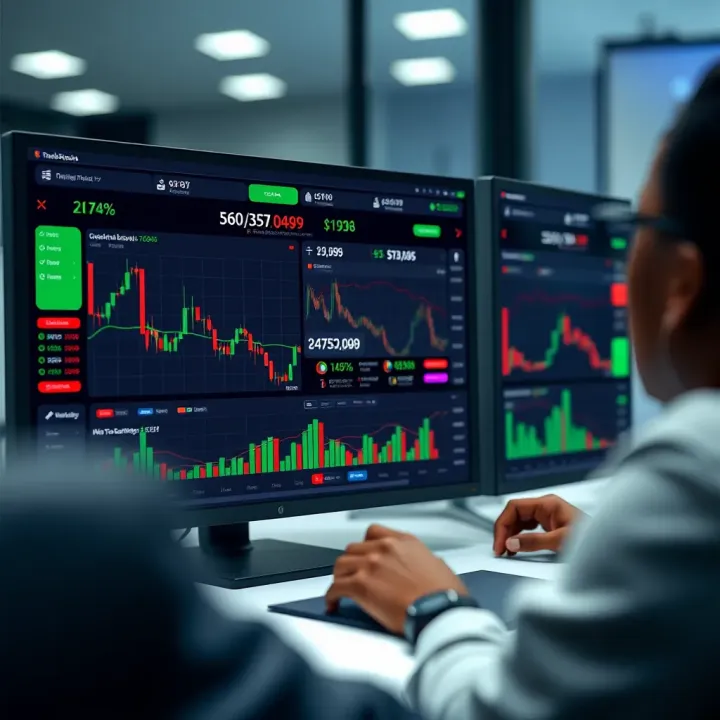
TradingView offers both free and paid subscriptions, each with distinct features. The free account lets you access basic charts, a limited number of indicators, and a single device login. For casual traders or those trying out the platform, this option is enough. However, for serious market players in Nigeria—especially those tracking the Nigerian Stock Exchange (NGX) or multiple assets like forex pairs and cryptocurrencies—a paid plan unlocks more indicators, enhanced chart layouts, and faster data refresh rates.
The paid plans—Pro, Pro+, and Premium—also enable you to use multiple device logins and set numerous alerts, essential for active traders juggling market moves amid Nigeria's volatile forex and equities spaces. For instance, a Pro subscription costing around $14.95 monthly can make a real difference if you frequently monitor NGX stocks alongside dollar/naira exchange rates.
Once your account is ready, the next step is to set up your workspace. TradingView’s interface allows customisation of charts to display price movements, volumes, and technical analysis tools exactly how you want. Nigerian traders should consider arranging charts by priority—such as NGX Index, popular stocks like MTN or Dangote Cement, paired alongside forex pairs like USD/NGN.
You can switch between candlestick, line, or bar charts depending on your preference. Also, adjust the colour scheme to reduce eye strain during long trading sessions, especially useful during the ember months when markets can be highly active. Importantly, save your layouts to avoid rebuilding your screens each time you log in, thereby saving time and maintaining consistency in your analysis.
TradingView comes packed with tools that bring your analysis alive. Widgets like the economic calendar highlight upcoming events impacting Nigerian markets, such as CBN policy announcements or NGX earnings reports. The news pane integrates relevant financial headlines in real-time, helping you stay ahead.
Other handy tools include the built-in chat for community insights, where Nigerian traders discuss market trends and strategies. Drawing tools like Fibonacci retracements and trendlines help you spot support and resistance levels vital for decision-making.
Setting up your account properly and customising your workspace is not just about aesthetics; it directly affects how quickly and accurately you can respond to market movements, especially in Nigeria's fast-changing financial environment.
With these steps taken care of, your TradingView experience will be optimally positioned to boost your market analysis and trading performance.
Getting access to accurate and timely Nigerian market data on TradingView is key for traders focusing on our local financial landscape. Without proper data integration, your analysis risks being irrelevant or misleading, especially considering the unique market dynamics here.
TradingView offers real-time and historical data on the Nigerian Stock Exchange (NGX), enabling investors to track equities seamlessly. You can monitor stocks like MTN Nigeria, Dangote Cement, and Nigerian Breweries directly within the platform. This access helps you spot trends, volume surges, or price movements swiftly. To integrate NGX data, ensure your TradingView account includes Nigerian market coverage—this might involve subscribing to premium plans that support local exchanges.
Nigeria’s forex market moves quickly, affected partly by government regulations and naira volatility. TradingView supports live forex pairs like USD/NGN, EUR/NGN, and GBP/NGN, which are crucial for traders and businesses managing FX exposure. Additionally, crypto trading is popular among Nigerians, with Bitcoin (BTC), Ethereum (ETH), and stablecoins like USDT widely traded. TradingView’s linkage to major crypto exchanges helps you track price swings and volume activity, enabling timely decisions. Remember, forex and crypto markets run 24/7, so syncing this data with your TradingView workspace keeps your analysis current even outside NGX trading hours.
Sometimes, the native data on TradingView might not cover niche Nigerian markets or specific instruments fully. In such cases, third-party plugins or APIs can fill gaps. For example, fintech platforms like Cowrywise or Piggyvest may offer APIs for savings and investment products. Some independent developers provide plugins to display petroleum price indexes or agribusiness commodity prices relevant to Nigerian markets. Integrating these requires a bit of tech savvy, often involving Pine Script or API connection setups within TradingView. Doing this boosts your analysis with local flavour and specialised data, improving decision accuracy.
Localised market data is the backbone of effective trading analysis. Without it, strategies can miss critical signals unique to Nigeria’s diverse economy and market behaviour.
In short, tapping into NGX data, relevant forex and crypto prices, plus custom local feeds equips Nigerian traders with a comprehensive view. This approach makes TradingView a more reliable tool, not just a generic charts platform. Your investment in setting up these integrations pays off with clearer, sharper insights into the markets that truly matter to you.
Customising indicators and setting alerts on TradingView are key for traders who want to stay ahead of market moves without glued eyes on the screen all day. In Nigeria’s fast-moving financial environment, tailoring these tools sharpens your trading strategies and improves reaction times, whether you deal with equities on the Nigerian Stock Exchange (NGX) or track forex and crypto markets.
Technical indicators help decode price actions and market psychology. Common indicators like the Moving Average Convergence Divergence (MACD), Bollinger Bands, and Relative Strength Index (RSI) are widely used on TradingView for this purpose. For instance, the RSI highlights when a stock, such as MTN Nigeria shares, becomes overbought or oversold, signalling potential price reversal points. The MACD, which shows momentum and trend strength, helps traders spot entry or exit times, especially when combined with volume analysis.
Customising these indicators to fit Nigerian market conditions matters. You might adjust the periods from the default 14 days to 9 or 20 depending on the volatility or liquidity of specific stocks or currency pairs. This adjustment aids in catching signals more relevant to local market rhythms than global averages.
TradingView’s Pine Script is a powerful tool allowing traders to write their own indicators that suit individual trading styles or specific Nigerian market quirks. For example, you could script a custom alert that combines the NGX All-Share Index trend with volume surges in blue-chip stocks like Nestle Nigeria or Dangote Cement.
This flexibility makes it possible to develop advanced strategies without relying entirely on generic tools. A custom script might highlight when a stock’s price breaks above the 50-day moving average coinciding with a 10% increase in trading volume—conditions traders often look for before an upward breakout.
Though Pine Script requires learning programming basics, TradingView offers plenty of templates and community scripts that you can tweak. Nigerian traders can adapt these freely available tools to reflect unique local market dynamics or sectors.
Alerts keep you informed on critical market movements without constant monitoring. On TradingView, you can set notifications for price levels or volume spikes on any asset. Imagine being alerted when Guaranty Trust Bank (GTBank) share price hits ₦45 or when forex rates for the naira-dollar pair surge unexpectedly.
You can customise alerts to trigger via app notifications, email, or SMS, so you never miss a timely opportunity. This feature is especially handy given the unstable internet and power situations in many parts of Nigeria—the alerts come through even if your active session is interrupted.
Setting well-timed alerts turns TradingView into your market assistant, making your trading routine more efficient and responsive to real-time changes.
In summary, customising indicators and alerts on TradingView equips Nigerian traders and investors with tools that respect local market peculiarities while leveraging a global platform's sophistication. These adjustments make chart reading more precise and your trading decisions more timely, reducing risks linked to market delays or missed signals.
To make the most of TradingView in Nigeria's dynamic financial markets, traders must adopt strategies that match local conditions. Practical tips tailored to Nigerian experiences can help avoid common pitfalls, speed up decision-making, and improve accuracy in market analysis. A key focus is adapting to local market hours, integrating with reliable Nigerian brokers, and managing data costs amid erratic internet service.
Nigeria’s stock market, through the Nigerian Exchange (NGX), operates from 9:30 am to 2:30 pm WAT on weekdays. Since TradingView is global, you should align chart analysis and alert settings to fit these specific hours rather than default international times. This avoids misleading trading signals that come from price activity outside Nigerian trading times.
Volatility in local markets can spike sharply during events like monetary policy announcements by the Central Bank of Nigeria (CBN) or changes in naira exchange rates. Traders should monitor news feeds and factor these into their technical analysis on TradingView. Using pause or delay functions during high volatility periods prevents rash decisions and excessive losses. You might also consider limiting signals to those triggered during NGX hours for better precision.
Linking TradingView with Nigerian brokers’ platforms improves trade execution and data reliability. While TradingView does not directly connect with all Nigerian brokers, platforms like Stanbic IBTC Securities and Meristem Securities offer APIs or integration tools that facilitate syncing chart data and trade orders.
Beyond brokers, local payment platforms such as Paystack or Flutterwave can complement TradingView by streamlining deposit and withdrawal processes for stock or crypto investments. Traders relying on Forex or cryptocurrency markets should choose Nigerian exchanges or brokers recognised by the Securities and Exchange Commission (SEC) Nigeria to ensure compliance and security.
TradingView’s rich charts and live data can consume significant internet data, which is costly in Nigeria where data prices remain high. To keep expenses manageable, adjust the chart refresh rate and switch off unnecessary widgets. For example, setting chart updates to 15-minute intervals instead of 1-minute reduces data use noticeably.
Internet service in Nigeria can be inconsistent, so downloading TradingView’s mobile or desktop app helps store some data locally and reduces latency compared to browser usage. Using mobile networks with the best coverage locally, such as MTN or Airtel, also makes a difference. Many traders pair TradingView with offline journal tools to review trades when offline and update their charts when connectivity improves.
Simplifying your TradingView setup by aligning it with Nigerian market realities not only saves costs but sharpens your trading edge in a fast-moving market.
By balancing these practical tips with technical know-how, Nigerian traders and investors will use TradingView more effectively, transforming chart analysis into actionable insights tailored for local market conditions.
📊 Master TradingView for smarter market analysis! Learn setup, chart customization, and tips tailored for Nigeria's financial markets. Start trading confidently!
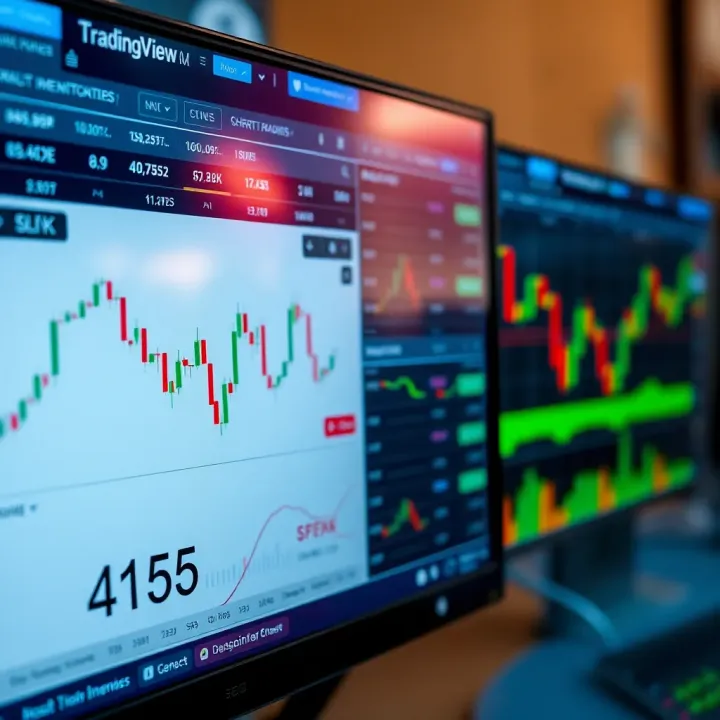
📊 Discover how to navigate and customize TradingView.com charts for precise market analysis. Learn to use key tools and indicators for smarter trading decisions in Nigeria and beyond.
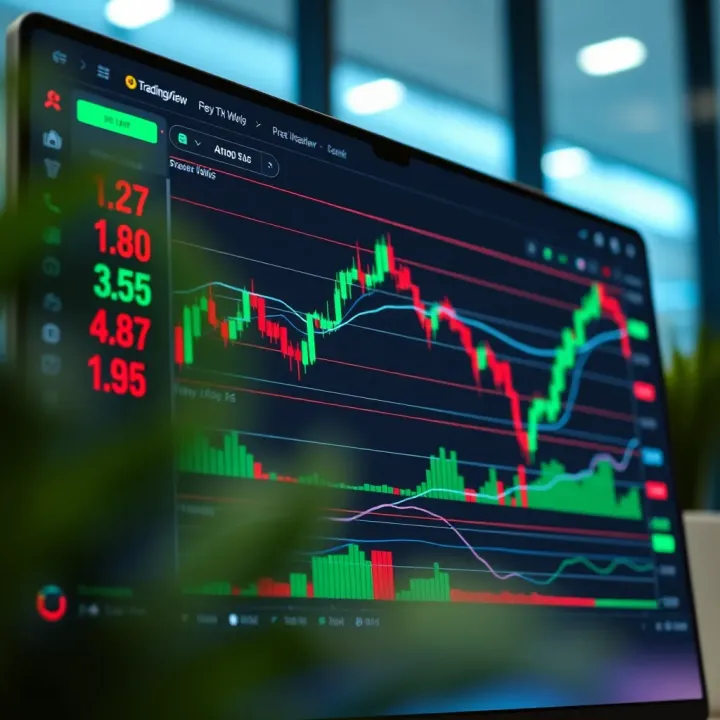
📈 Discover how Nigerian traders can fully use TradingView's free tools for charting, analysis, and smart trading without extra fees or plans. 🇳🇬
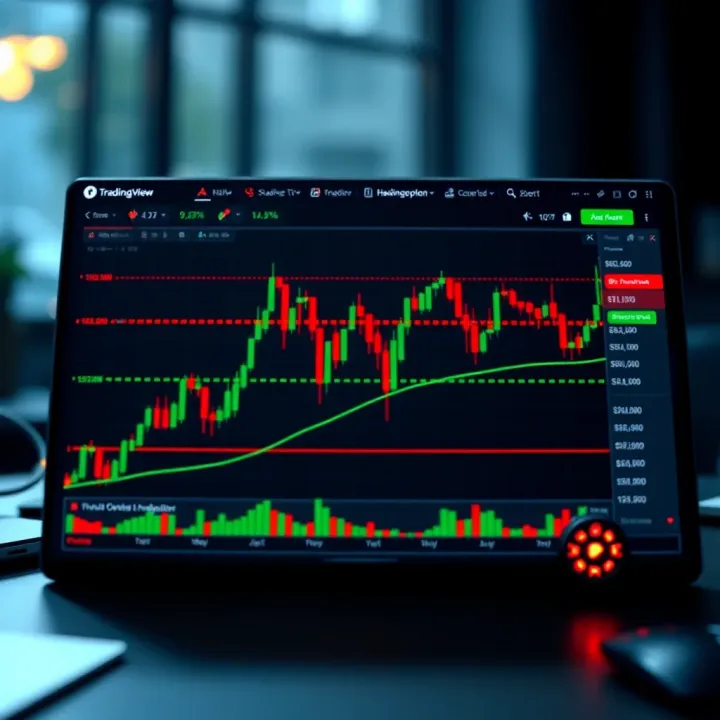
Boost your binary options trading in Nigeria with TradingView! 📈 Learn setup, key features & tips to improve your strategies effectively.
Based on 14 reviews