
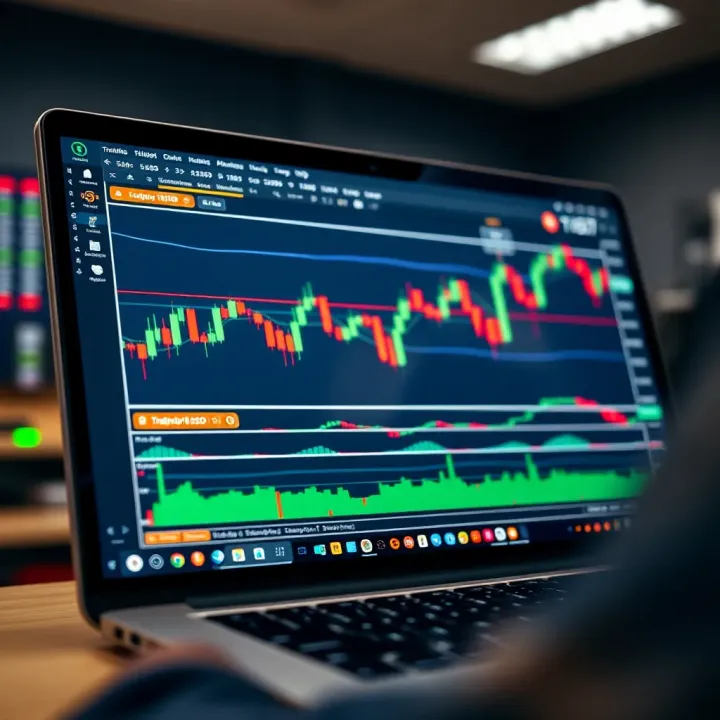
Using TradingView and Deriv.com for Trading in Nigeria
Explore how Nigerian traders can boost their skills by combining TradingView's advanced charts 📊 with Deriv.com's reliable trading platform 💹. Learn practical tips now!
Edited By
Amelia Wright
For Nigerian traders looking to sharpen their market analysis and boost trading results, combining TradingView with the Deriv platform offers a sound strategy. TradingView is renowned worldwide for its intuitive charting tools and a wide selection of technical indicators, while Deriv provides a smooth and accessible trading environment tailored for forex, commodities, and synthetic indices.
Connecting these two tools means you can use TradingView's powerful charts to inform your trades on Deriv without leaving the desktop or switching between apps. This is especially useful when navigating volatile markets or tracking multiple assets simultaneously, as the visual insights from TradingView allow you to spot entry and exit points more clearly.
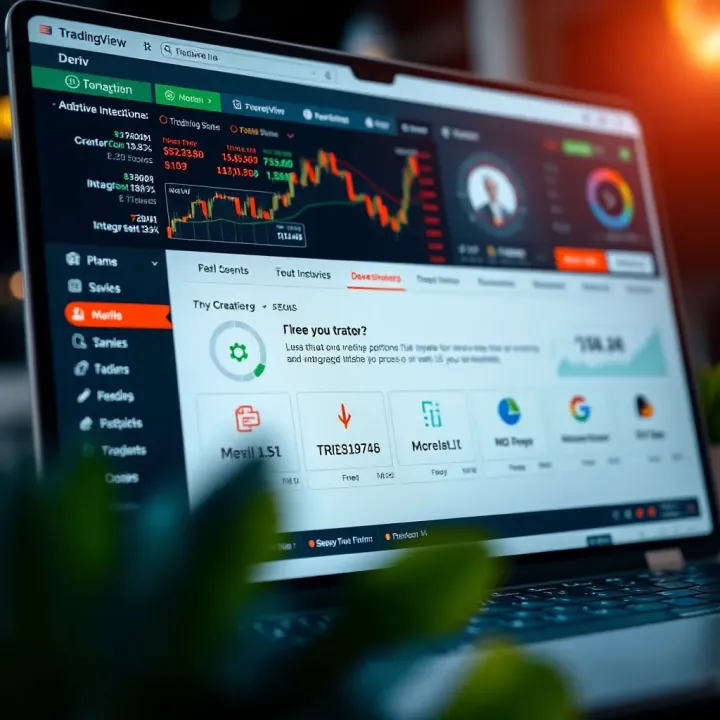
Nigerian traders often face challenges like inconsistent internet and power supply, which makes having reliable and efficient tools critical. Using TradingView alongside Deriv can help reduce guessing and improve decision-making, leading to sharper, faster trades.
To get started, you need to open an account on both platforms—TradingView offers a free plan sufficient for many traders, while Deriv requires registration and verification to begin trading. Once signed up, traders can overlay key indicators on TradingView charts, such as Moving Averages (MA), Relative Strength Index (RSI), Bollinger Bands, and Fibonacci levels, all of which are effective for spotting trends and reversals.
With Deriv’s flexible trading interface, you then apply the signals derived from TradingView to place trades confidently. For practical application, Nigerian traders juggling daily commitments can set alerts on TradingView for specific price levels. This way, even if you’re commuting in a danfo or manning your mama put, you don’t miss your trade setups.
In the sections ahead, we will walk through how to integrate TradingView charts into your Deriv workflow, highlight practical features you shouldn’t miss, and give tips to maximise profit potential while managing risk effectively in the local market context.
This approach ensures you not only trade smarter but stay competitive in Nigeria’s evolving online trading space.
Before you begin trading, understanding the tools at your disposal is essential. TradingView and Deriv each offer unique features that complement one another, especially for Nigerian traders who want to sharpen their market analysis and trading strategies. This section gives you a practical introduction to both platforms, highlighting how they fit into a seamless trading workflow.
TradingView is a browser-based platform renowned for its user-friendly interface and powerful charting tools. Its intuitive design allows traders to read and interpret price movements without the clutter common in other software. You can easily switch between various chart types — from candlestick to Heikin Ashi — and select timeframes suitable for day trading or longer-term investing. For example, a Nigerian trader tracking the NSE All-Share Index might use 15-minute charts during market hours and daily charts to monitor broader trends.
One reason TradingView remains popular is its vast collection of technical indicators pre-built and ready for use. Among the most effective for the Nigerian market are the Relative Strength Index (RSI) and Moving Averages (MAs), which help identify overbought or oversold conditions and confirm trend directions. Fibonacci retracement tools are also widely used to spot possible support and resistance levels, especially when analysing currency pairs like USD/NGN or commodity prices such as crude oil futures. These indicators give traders actionable insights, reducing guesswork and improving trade timing.
Deriv offers access to a diverse range of assets, including forex, commodities, synthetic indices, and cryptocurrencies. For Nigerian traders, this variety means you can diversify your portfolio without opening multiple accounts at different brokers. Deriv’s synthetic indices, which simulate real market conditions but operate 24/7, are especially useful for traders discouraged by local market hours or volatility related to naira fluctuations. For instance, trading Synthetic Volatility Indices can be an alternative when the forex market is thin or highly volatile due to monetary policy changes.
Deriv supports instruments like CFDs (Contracts for Difference), multipliers, and options, which align well with the realities of Nigeria’s financial ecosystem. Multipliers allow traders to magnify gains on smaller investments—useful when managing limited trading capital in naira. Options offer a way to speculate on price movements without owning the underlying asset, reducing exposure. Plus, Deriv’s mobile platform and low minimum deposits cater to Nigerians trading on the go or from areas with erratic power supply, making it practical even beyond Lagos’ bustling financial districts.
Both TradingView and Deriv equip Nigerian traders with tools to adapt to local market challenges, from limited market hours to currency instability. Understanding the strengths of each platform kickstarts your journey toward more informed, efficient trading.
By grasping how these platforms work independently and together, you’re already halfway towards mastering smarter trades on Deriv powered by TradingView’s insights.
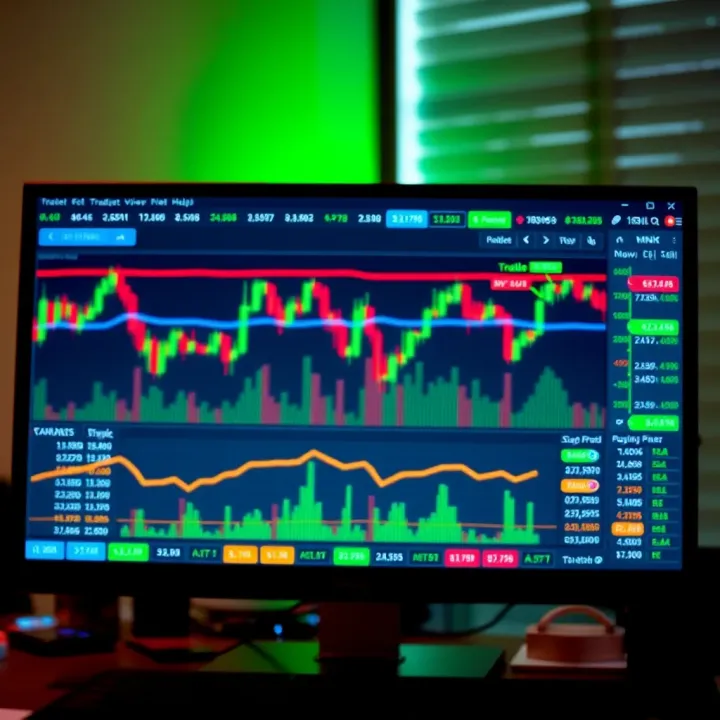
Setting up TradingView specifically for integration with Deriv is a smart step for any Nigerian trader looking to sharpen their market analysis and trading execution. Tailoring your TradingView experience ensures that you get the most relevant data and visualisation tools that directly support your decisions on the Deriv platform. This connection between analysis and action is what moves you from guesswork to informed trading.
Choosing chart layouts and timeframes is fundamental in adapting TradingView to your trading style. For example, scalpers trading Deriv’s synthetic indices may prefer shorter timeframes—like 1-minute or 5-minute charts—to catch quick price movements. Meanwhile, someone handling forex or commodities might favour 1-hour or 4-hour charts for broader trend views. Setting layouts with multiple charts side-by-side helps you monitor different assets or indicators simultaneously without losing focus.
Saving templates and watchlists saves you from the repetitive task of setting up charts over and over. If you trade currency pairs like USD/NGN or commodities such as gold on Deriv, you can save these as a watchlist and return to a ready-made workspace any time. This approach streamlines your daily routine, letting you start trading quicker, especially during busy market hours or ember months when market volatility is common.
Manual implementation of TradingView signals on Deriv involves observing signals like Moving Average crossovers or RSI oversold/overbought levels on your TradingView charts and entering trades accordingly on Deriv. For instance, when the RSI on a USD/NGN chart drops below 30 indicating oversold conditions, you might decide to buy a rise contract on Deriv. This manual process demands discipline and swift execution, but it remains the most straightforward method for many Nigerian traders adapting to new tools.
Using screen sharing or multi-screen setups significantly enhances this workflow. Having TradingView up on one screen and Deriv on another gives you instant access to deep technical insights alongside quick trade execution. For those working from home or cybercafés, even a split-screen on a laptop helps reduce the mental juggling. If you collaborate with other traders or instructors, screen sharing can be a practical way to highlight strategy points and get peer feedback in real time.
Properly setting up TradingView for Deriv doesn't just make your charts prettier—it's about refining your trading process, helping you see the right signals and respond promptly. This setup can make the difference between consistent success and missed opportunities.
By focusing on these steps, Nigerian traders can enjoy a smoother, more efficient path from technical analysis on TradingView to active trading on Deriv. That said, investing the time to customise and link your tools pays off in faster, smarter trades that suit local market conditions and your personal strategy.
TradingView offers essential features that Nigerian traders can use alongside Deriv to improve market entry and exit decisions. Its combination of technical indicators, drawing tools, custom alerts, and strategy testing helps traders increase precision and control risk. When paired with Deriv, these features allow for better trade timing and clearer market insight — vital for Nigeria’s volatile trading environment.
Moving Averages (MA) smooth out price data to reveal trends over set periods, such as 20-day or 50-day averages. Traders on Deriv can watch these lines on TradingView charts to spot trend direction and potential reversal points. For instance, when a short-term MA crosses above a long-term MA (known as a golden cross), it signals upward momentum, suggesting a good time to buy on Deriv. Conversely, a death cross might warn of an upcoming dip.
The Relative Strength Index (RSI) measures momentum by indicating overbought or oversold conditions. An RSI above 70 typically warns of overbought assets, while below 30 hints at oversold conditions. Nigerian traders can use RSI on TradingView to avoid chasing peaks or bottoms, improving timing and reducing bad entries on Deriv’s trading platform.
Fibonacci retracement is a drawing tool that helps traders identify key levels where price may pause or reverse. By marking significant highs and lows on TradingView charts, Nigerian traders can spot support and resistance levels based on percentages like 38.2%, 50%, and 61.8%. For example, if a currency pair on Deriv falls back to the 50% retracement level after a strong move up, it might hold support and continue rising.
Using these levels helps sharpen trade entries and manage stop-loss orders effectively. In Nigeria’s forex or commodities markets where price swings are sharp, Fibonacci retracements provide concrete reference points for better trade setups.
TradingView allows users to set alerts on prices, trendlines, or indicator thresholds. Nigerian traders can create alerts for key levels identified during analysis, such as when an asset’s price crosses a moving average or hits an RSI target. These alerts notify traders instantly via email or mobile app, helping them act quickly even when away from their screens.
This feature is especially useful in Nigeria’s busy trading environment, where distractions like poor power supply or network issues can lead to missed opportunities.
Backtesting lets traders apply their trading strategy to historical data to see how it might have performed. On TradingView, Nigerian traders can code or use pre-built strategies involving moving averages or RSI and test them over months or years.
For example, a trader might backtest a strategy combining MA crossovers with RSI confirmation to reduce false signals. This process reveals the strategy’s strengths and weaknesses before risking real naira on Deriv. Backtesting builds confidence and improves discipline, crucial for consistent trading success.
Employing TradingView’s features alongside Deriv creates a powerful mix for Nigerian traders, blending accurate analysis with practical tools to make smarter trades and manage risks effectively.
Trading with TradingView and Deriv requires more than just technical know-how; it demands practical strategies that protect your capital and enhance decision-making. Without solid risk management and awareness of common pitfalls, even the best setups can lead to losses. This section focuses on actionable advice Nigerian traders can apply immediately to avoid costly mistakes and trade with confidence.
Setting stop-loss and take-profit levels based on charts is fundamental to preserving your trading capital. Stop-loss orders limit the amount you can lose if the market moves against you, while take-profit orders lock in gains when the price hits your target. For example, if you spot a clear support zone on TradingView for the USD/NGN pair, placing your stop-loss just below that level protects you if the market dips further. Take-profit could be set near a resistance level identified by Fibonacci retracements. This approach avoids emotional decisions and ensures you stick to a predefined plan.
Calculating trade size in ₦ is equally critical. Since your account base currency is naira, understanding how much capital to risk per trade helps avoid overexposure. A common rule is risking 1-2% of your total trading capital on a single trade. If you have ₦100,000, risking ₦1,000 to ₦2,000 works as a safe limit. Tools like position size calculators based on entry price, stop-loss distance, and account balance come in handy. It’s not just about how much you can gain, but managing how much you can afford to lose without upsetting your overall portfolio.
A frequent mistake is overcomplicating analysis with too many indicators. Some traders try to watch several oscillators, moving averages, and volume tools simultaneously, which often cause conflicting signals and confusion. For example, stacking RSI, MACD, Bollinger Bands, and stochastic indicators together might have them screaming different things at once. Stick to two or three indicators you understand well, such as RSI for momentum and simple moving averages for trend detection. This keeps your charts clean and your decisions sharper.
Another common error is relying solely on charts without market fundamentals. TradingView offers excellent visuals and technical insight, but ignoring news events that affect markets can backfire. For instance, naira-dollar pairs are sensitive to Central Bank of Nigeria policy changes, crude oil prices, and political developments. Acting on chart signals alone during such times may expose you to sudden market swings. Combine your chart analysis with news monitoring and economic calendars to stay ahead of surprises.
Successful trading on Deriv with TradingView isn’t just about tools; it’s about applying practical steps to manage risk and avoid common errors, especially in a volatile market environment like Nigeria’s.
With these tips, you can trade smarter, safeguard your funds, and make the most out of the powerful combo that TradingView and Deriv provide.
The blend of TradingView's advanced charting tools with Deriv's versatile trading platform offers Nigerian traders a clear edge in market analysis and decision-making. This conclusion summarises why using both platforms together enhances your trading efficiency — from sharper price insights to better risk management strategies. By understanding these benefits, traders can sharpen their skills and improve success rates in a fast-moving market.
Nigerian traders enjoy several practical advantages by combining TradingView with Deriv. Firstly, TradingView’s extensive library of technical indicators and intuitive charting options help users identify entry and exit points more clearly than relying on one platform alone. For instance, using the Relative Strength Index (RSI) alongside Deriv's real-time asset price updates provides timely cues to buy or sell, which is especially useful with volatile instruments like forex and synthetic indices popular in Nigeria.
Secondly, risk management becomes more precise. TradingView allows users to draw critical support and resistance lines and set alerts, guiding stop-loss and take-profit levels on Deriv. This reduces emotional trading, which is common among Nigerian beginners, and helps protect capital.
Lastly, the availability of demo accounts on both platforms enables traders to practise strategies without financial risk. This hands-on trial sharpens skills before real investment, making the trading experience smoother and less stressful.
Opening accounts on both platforms is straightforward but pivotal for seamless integration. Start by registering on TradingView, selecting a plan that fits your trading style — the free version already offers many useful features. Then, open a Deriv account by completing the necessary KYC requirements common to Nigerian users, such as submitting a valid ID and proof of address. Remember, securing your accounts with strong passwords protects your trading data from fraud, which still affects digital platforms in Nigeria.
Practising with demo accounts is the safest way to get comfortable before going live. Both TradingView and Deriv offer demo modes where you can simulate trades with virtual funds. Use this opportunity to test different strategies combining the chart analysis from TradingView and execution on Deriv, paying attention to how signals translate into actual trades. This practice is invaluable, especially given the Nigerian market’s volatility and occasional liquidity shifts, giving you room to learn without losing real money.
Taking these practical steps helps Nigerian traders build confidence and competence, turning tools into tangible trading success.
Explore how Nigerian traders can boost their skills by combining TradingView's advanced charts 📊 with Deriv.com's reliable trading platform 💹. Learn practical tips now!
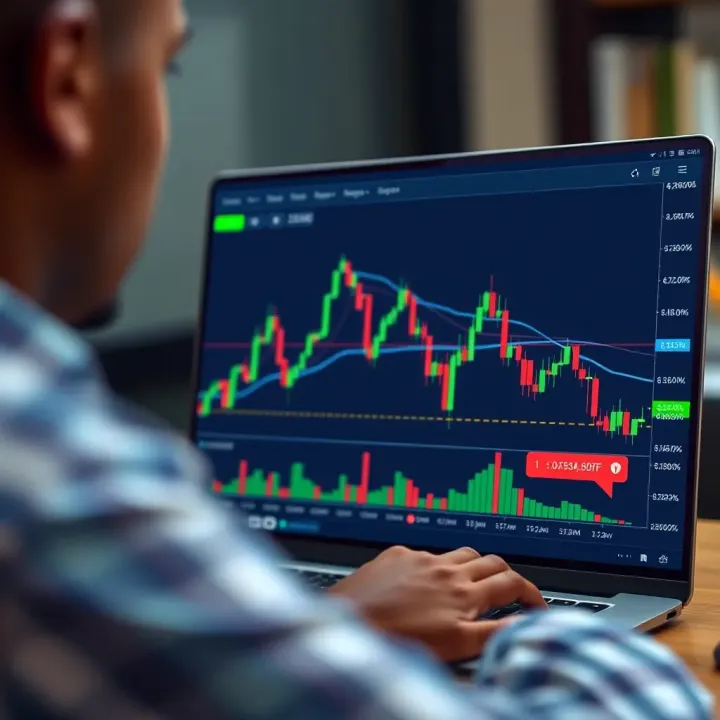
📈 Learn how Nigerian traders can combine TradingView charts with Deriv for smarter trading. Setup tips, key features, and strategy hacks inside! 🇳🇬
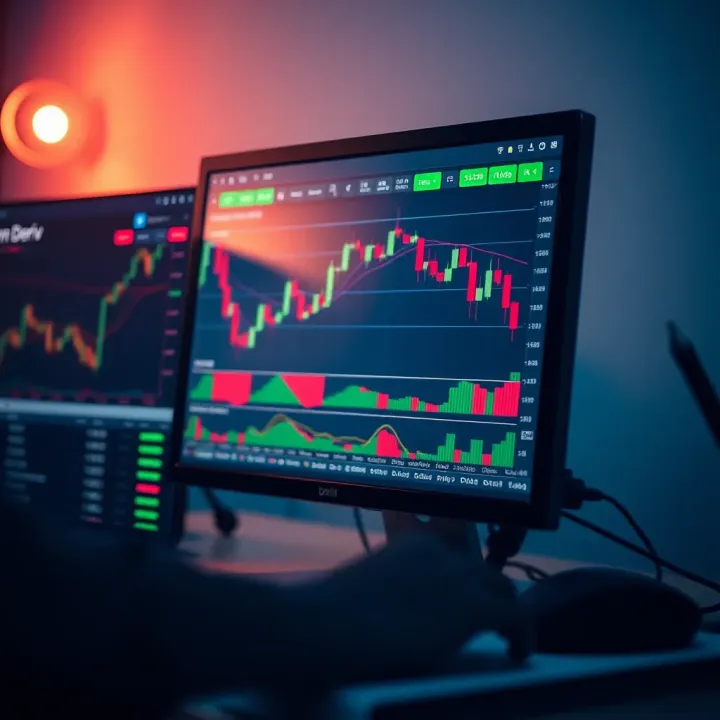
📈 Discover how Nigerian traders can combine TradingView charts with Deriv's platform to sharpen strategies, spot trends, and make smarter trades.

📈 Explore how Nigerian traders can boost their skills using TradingView on Deriv. Get setup tips, charting advice, and practical strategies for smarter trading decisions.
Based on 11 reviews