
How Forex Trading Bots Affect Nigerian Traders
📊 Explore how forex trading bots operate in Nigeria's market, their benefits, challenges, and practical steps to boost your ₦ trading strategies safely and smartly.
Edited By
James Holder
The Asian forex trading session opens a significant window for traders worldwide, and Nigerian traders are no exception. Understanding this session in Nigerian local time helps sharpen trading decisions and anticipate market movements more effectively.
This session usually starts around 12:00 am and runs until about 9:00 am Nigerian time (WAT). It covers major financial hubs like Tokyo, Singapore, and Hong Kong. Because of the time difference, Nigerian traders often find themselves active during odd hours, but the session offers unique opportunities due to its market dynamics.
During the Asian session, liquidity tends to be lower compared to London or New York sessions, yet volatility can spike, especially when Japanese yen (JPY) and Australian dollar (AUD) pairs are in focus. These currencies become more active as the local markets in Asia open and digest overnight economic data or news. For example, a sudden policy announcement by the Bank of Japan can cause rapid price changes that savvy Nigerian traders can exploit.
"Trading in the Asian session requires keen observation of market volumes and news flow originating from Asia to capitalise effectively."
Key features Nigerian traders should note include:
Market Opening & Closing Hours: Align your trading schedule to match 12:00 am to 9:00 am WAT for best results.
Currency Focus: Watch JPY, AUD, NZD, and other Asian currencies more closely as they drive price action.
Lower Global Market Overlap: The Asian session overlaps less with other sessions, leading to quieter periods but occasional sharp moves.
To navigate this session, Nigerian traders often combine this timing with technical analysis techniques such as support and resistance markers and observe economic releases from Asia. Some also use automated tools or set alerts for forex news relevant to the Asian market to remain adaptive.
Understanding these details lets Nigerian traders use the Asian forex session strategically, avoiding common pitfalls tied to ill-timed trades and enhancing profit potential in a challenging yet rewarding market window.
Understanding forex trading sessions is central for traders aiming to make well-timed decisions. These sessions divide the 24-hour forex market into periods influenced by different geographic centres. Knowing when each session opens and closes helps you anticipate market behaviour, spot liquidity highs or lows, and position yourself advantageously.
Forex trading sessions refer to segments of the trading day when financial markets in particular regions are active. Although the forex market runs round the clock, activity concentrates in distinct windows aligned with business hours across the globe. This segmentation matters because price movements, trading volumes, and volatility shift significantly between sessions, affecting how you trade.
Traders in Nigeria, for example, find it useful to know when the Asian, European, and North American markets operate relative to local time, as this knowledge guides them on when to place trades and manage risks.
Forex markets operate across multiple time zones, making the global market non-stop. The division into sessions takes into account major financial hubs such as Tokyo, London, and New York. Each session brings unique liquidity and volatility characteristics shaped by the economic events and business hours in those regions.
Practically, the Asian forex session runs roughly from 12 am to 9 am Nigerian time, coinciding with Tokyo and Singapore business hours. Understanding these divisions helps traders align their activity with periods where market movements are more predictable.
There are three primary forex trading sessions:
Asian Session: Primarily Tokyo, Singapore, and Sydney. Characterised by moderate liquidity and lower volatility than others.
European Session: Dominated by London. This session often sees high volatility and liquidity, impacting pairs involving the euro and sterling.
North American Session: Based on New York hours, this session overlaps with Europe for a few hours, increasing market activity, particularly on USD pairs.
Each session's timing and behaviour impact currency pair dynamics, so Nigerian traders adjust their strategies depending on the active session.
Liquidity refers to how easily assets can be bought or sold without affecting price, while volatility is the degree of price fluctuations. Session timing directly affects both. For instance, the Asian session usually has reduced liquidity compared to the European and North American sessions. This means spreads might be wider and price moves less dramatic during the Asian hours.
For Nigerian traders, trading during lower liquidity periods such as the early Asian session means expecting fewer price spikes but possibly slower trade executions. Conversely, the European session tends to bring tighter spreads and sharper movements.
Overlap periods where two sessions run simultaneously, like the London-New York overlap, often see the highest trading volumes and volatility. These windows can present lucrative opportunities but also carry higher risks due to fast price swings.
In the context of the Asian session, overlaps with the European session happen in the later hours of the Asian window, triggering increased activity. Nigerian traders who time entry around these overlaps might experience better liquidity and more pronounced trends.
Successful forex trading in Nigeria requires appreciation of not just individual session hours, but also how these periods interact globally to shape market conditions.
By knowing these session details, you can plan your trading schedule, pick currency pairs active at the right times, and avoid pitfalls like illiquid periods or unexpected volatility bursts.
Understanding the timing of the Asian forex trading session in relation to Nigerian local time is key for traders aiming to maximise their market activities. The Asian session brings specific trading hours, and aligning these with Nigerian time zones helps traders prepare strategies, manage risk, and identify the best moments to enter or exit trades. By knowing exactly when the session opens and closes, traders can avoid unnecessary exposure during quiet periods and focus efforts when the market shows good liquidity and momentum.
The Asian session mainly covers forex markets in Tokyo and Singapore, operating on Japan Standard Time (JST) and Singapore Standard Time (SGT) respectively. Both time zones sit ahead of Nigerian time by several hours. Tokyo is UTC+9, while Nigeria watches UTC+1, making a straightforward 8-hour difference. Thus, when the Tokyo market opens at 9:00 am JST, Nigerian traders see this as 1:00 am local time. Singapore also opens around 9:00 am SGT, matching Tokyo’s schedule.
For Nigerian traders, daily opening hours for the Asian session range roughly from 1:00 am to 9:00 am. This schedule means those who prefer daytime trading will find the Asian session less convenient unless they are prepared for early mornings or night sessions. However, traders working remotely or choosing to trade during off-peak hours will appreciate this window as it offers less crowded markets and distinct trading opportunities.
While Nigeria does not observe daylight saving time, some countries within the Asian session zone have slight changes to their clocks during the year, especially those closer to Europe or Russia. However, Japan and Singapore do not adjust clocks seasonally, ensuring their forex session hours remain stable. Traders should therefore watch closly for daylight adjustments in overlapping sessions such as European markets, which can affect liquidity and timing.
The key takeaway is that Nigerian local time remains constant year-round, so traders only need to adjust for daylight saving changes observed elsewhere. For example, when the UK switches to British Summer Time (BST), the London session shifts closer to Asian hours, affecting overlaps. This dynamic can sometimes extend or shorten ideal trading periods, impacting strategies strictly tied to session timings.
Knowing how international daylight saving policies influence your trading hours is just as important as knowing the opening time. Staying updated prevents surprises in market liquidity and volatility.
In sum, Nigerian traders benefit from a clear understanding of the Asian session hours in their local time along with awareness of seasonal variations globally. This knowledge supports smarter planning and improved decision-making across different forex sessions throughout the year.
Understanding the characteristics of the Asian forex trading session is vital for Nigerian traders who want to optimise their strategies and timing. This session tends to behave differently compared to its European and American counterparts, primarily due to distinct liquidity levels, currency activity, and typical price movements. Knowing these nuances helps traders to better manage risk and spot opportunities during the hours when the Asian session is active in Nigerian time.
The Asian forex session is known for relatively lower trading volumes compared to the London or New York sessions. Liquidity tends to be concentrated among Asian markets such as Tokyo, Singapore, and Hong Kong, which means fewer market participants are active. For Nigerian traders, this can translate to narrower spreads on certain currency pairs predominantly traded during this period, like USD/JPY or AUD/JPY. However, the downside is that low liquidity can sometimes cause erratic spikes, so it pays to be cautious.
Key currency pairs during this session are those involving the Japanese yen (JPY), Australian dollar (AUD), New Zealand dollar (NZD), and, to some extent, the Chinese yuan (CNY), along with the US dollar (USD) due to its global dominance. For instance, USD/JPY and AUD/USD often show their strongest momentum in this time frame. Nigerian traders focusing on these pairs can expect relatively stable conditions and can plan their trades around news releases from Asian economies, such as Japan's Tankan report or Australia's employment data.
Volatility during the Asian session is generally lower compared to European and American sessions. This calmness offers fewer dramatic price swings but can create favourable conditions for range-bound or sideways trading strategies. For example, during Nigerian night hours, price movements in the Asian session often make tight consolidations before a breakout, especially when awaiting economic news.
Common trading ranges tend to be narrower, making breakouts less frequent but potentially profitable when they do occur. Nigerian traders should watch for breakout opportunities following periods of calm, where sudden shifts—sometimes driven by unexpected Asian news or market sentiment—can lead to gains. Awareness of this pattern allows traders to set realistic stop-loss and take-profit levels, managing risks more effectively during the Asian session.
The Asian session offers Nigerian traders a distinct atmosphere: quiet at times but full of subtle opportunities when you learn to read its unique rhythms.
In summary, recognising the Asian forex session's characteristics—its liquidity patterns, active currency pairs, and typical movement behaviours—gives you an edge. You can position your trades smartly around expected volatility and volume changes, maximising chances for profit while guarding against unnecessary risks.
Understanding the Asian forex trading session is vital for Nigerian traders aiming to pick advantageous market moves within this period. Since the Asian session overlaps with Nigeria’s early morning hours, traders can position themselves to catch market trends before European markets open. Knowing when liquidity peaks and dips during this session helps manage trade entries and exits effectively, reducing unnecessary risks.
For Nigerian traders, the Asian session roughly runs from 1:00 am to 10:00 am local time. The most active and liquid hours usually fall between 2:00 am and 6:00 am, coinciding with Tokyo and Singapore market hours. Liquidity boosts tighter spreads and better price execution, especially on currency pairs involving the Japanese yen (JPY), Singapore dollar (SGD), and Australian dollar (AUD). Trading within this window enhances potential for faster trade fills and mitigates slippage.
Volatility tends to drop as the Asian session draws to a close before European traders take over. Nigerian traders should be cautious trading during these quieter times, generally from 7:00 am onwards, since price movements often become choppy and unpredictable. Low volatility can lead to false breakouts and whipsaws. It’s wise to size positions conservatively or avoid opening new trades during these periods to protect capital.
Because the Asian session shows fairly steady prices with defined support and resistance levels, range trading becomes a practical strategy. Nigerian traders identify price boundaries and place buy orders near support and sell orders close to resistance while stopping losses slightly beyond these points. This technique suits the session’s typical low to moderate volatility and can be especially effective on pairs like USD/JPY or AUD/USD, which exhibit clear consolidations.
Several Asian economic reports, such as Japan’s Tankan survey or China’s PMI data, often release during this session. Nigerian traders can prepare in advance by checking scheduled announcements since these events trigger sudden price bursts. Reacting quickly but cautiously to these news releases can provide trading opportunities, but it requires close monitoring and proper risk management to avoid large losses on volatile swings.
Technical indicators like moving averages, RSI, and Bollinger Bands can help Nigerian traders pinpoint entry and exit points during the Asian session. Given the session’s lower volatility compared to Europe or the US, combining several indicators can improve trade accuracy. For example, spotting RSI oversold conditions near a support zone often signals a good buy opportunity in this session. Consistent application of technical tools enhances timing and reduces emotional trading.
Nigerian traders benefit from aligning their activities with Asian session rhythms — knowing when to be active, when to pause, and how to navigate price behaviours improves both profits and risk control.
Tracking the Asian forex trading session accurately is a must for Nigerian traders aiming to catch the best market moves. Since forex charts and signals often show times in different zones like GMT or New York time, converting this to Nigerian local time (West Africa Time, WAT) helps avoid missed opportunities or trading at the wrong time. Practical tools simplify this task, allowing traders to stay sharp and react promptly during the Asian market hours.
Modern forex platforms often come with built-in session clocks that display active trading hours. Configuring these clocks to Nigerian local time is straightforward but essential: it ensures that your screen reflects the right timing without you constantly doing mental maths. Most platforms allow you to select your time zone in settings, aligning session displays to WAT. For example, if the Asian session opens at 12:00 am WAT, the platform’s clock will change colour or highlight this period, signalling your prime trading window.
Popular platforms among Nigerian traders, such as MetaTrader 4 (MT4), MetaTrader 5 (MT5), and cTrader, all support local time customisation and session indicator plugins. These platforms not only show live session timings but also let traders attach indicators that highlight session overlaps, volume spikes, and volatility points conducive to better decision-making. By using familiar platforms adapted to local hours, Nigerian traders can plan trades without time zone confusion that often leads to unnecessary losses.
Reliable time zone converters act as quick reference points for traders juggling multiple forex sessions. Websites like TimeandDate or WorldTimeBuddy offer accurate cross-time zone calculators, which lets Nigerian traders confirm session start and end times for the Asian market. The simplest benefit here is preventing trading at a closed market period or missing early moves when volatility is usually highest.
Mobile apps that send trading session alerts serve traders who want to stay updated on the go. Apps like Forex Hours or TradingView’s alert features notify you just before the Asian session begins or when session overlaps occur, enabling timely entry and exit. This is particularly helpful for traders balancing other commitments, as they get nudged exactly when the market activity heats up, without having to watch screens constantly.
Knowing the right tools and using them efficiently can boost your ability to exploit the Asian forex session profitably, even if you trade from Lagos, Kano, or Port Harcourt. These resources help you stay in sync with the global forex rhythm, sharpening your edge amidst the hustle.
In summary, mastering session timing starts with the right platform setup and supplementing it with reliable time converters and alert apps. Nigerian traders who use such tools find themselves better positioned to ride the session’s volatility and reduce risk linked to timing errors.
📊 Explore how forex trading bots operate in Nigeria's market, their benefits, challenges, and practical steps to boost your ₦ trading strategies safely and smartly.
📊 Discover how the Asian trading session impacts Nigerian forex traders, with local timing, effective strategies, and key tips to maximise gains during these hours.
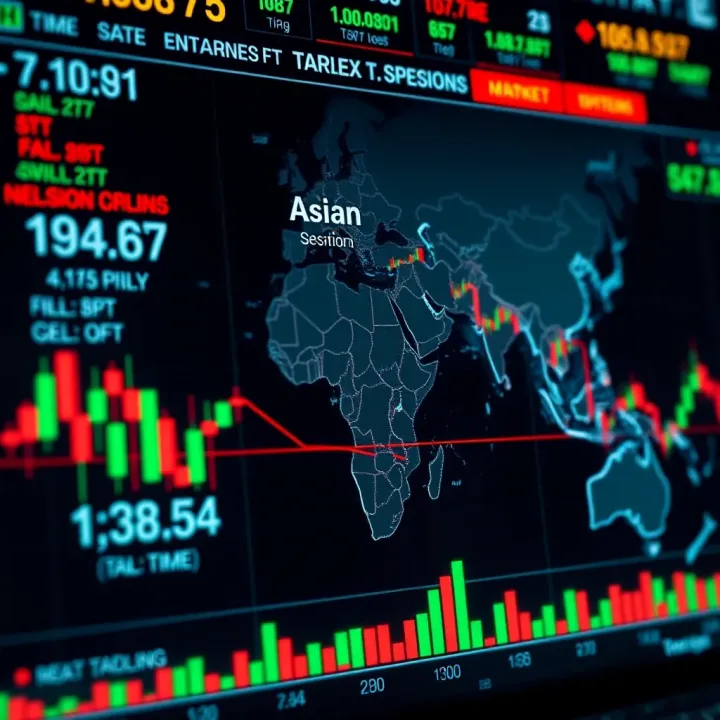
🌏 Discover how the Asian Forex session timings affect Nigerian traders. Learn key overlap periods & tips to boost your trading strategy effectively.
📊 Explore the New York forex session timings, market moves, Nigerian trader tips, session overlaps, volatility, and how it stands out from other sessions.
Based on 9 reviews