
Understanding XT Exchange: Full Guide for Nigerian Traders
Explore XT Exchange 🔍: its features, trading options, fees, and security. Learn why Nigerian crypto traders find it reliable and what risks to watch.
Edited By
Charlotte Mitchell
BTCDana is emerging as a notable cryptocurrency exchange platform within Nigeria, attracting both novice and seasoned crypto traders. Unlike some global exchanges that sometimes neglect the local market, BTCDana tailors its services specifically for Nigerian users, focusing on ease of access, security, and affordability.
At its core, BTCDana offers a variety of cryptocurrencies for trading, including Bitcoin (BTC), Ethereum (ETH), and several altcoins popular among Nigerian investors. Its user interface is designed to be straightforward, making it easier to navigate even if you're used to more traditional investment platforms.
A key feature setting BTCDana apart is its integration with popular Nigerian payment methods. This allows users to fund their accounts and withdraw funds using local banks and fintech services like Paystack or Flutterwave, often in naira (₦). This streamlines transactions and reduces the friction commonly faced when converting currencies on other international platforms.
Security remains a priority, with BTCDana employing two-factor authentication (2FA) and cold wallet storage for most user assets. Nigerian traders often worry about scams and cyber theft, so these measures provide extra assurance. However, users must still exercise caution by regularly updating passwords and verifying transactions.
Nigerian crypto enthusiasts benefit from exchanges like BTCDana that prioritise local payment channels and straightforward account setup, reducing barriers to entry.
Comparison with major platforms like Binance and Luno shows BTCDana holds its own, especially for those who want to avoid high fees or complicated verification processes. Trading fees are competitive, often under 1%, which is attractive for active traders looking to scale.
In summary, BTCDana blends accessibility, security, and affordability tailored for Nigeria's crypto scene. This makes it a platform to watch for anyone serious about entering the digital asset market without the usual headaches of international exchanges.
Understanding BTCDana’s role in Nigeria’s crypto ecosystem is key if you are considering joining the wave of digital currency trading. Nigeria ranks among the top countries globally for crypto adoption, driven by a young, tech-savvy population eager to bypass traditional banking limitations. BTCDana has tapped into this growing demand by offering tailored services that fit the Nigerian market’s unique needs.
Unlike global platforms that sometimes ignore local nuances, BTCDana focuses on making crypto accessible with straightforward interfaces, local payment options, and responsiveness to Nigeria’s regulatory environment. This approach has helped the platform carve out space among better-known players like Binance and Luno, often appealing more to users who prioritise ease of use alongside affordability.
BTCDana emerged as a response to the rising interest in cryptocurrency within Nigeria around 2020 when many Nigerians started exploring alternative investment channels amid economic uncertainties. Originating from a team with fintech experience, the platform sought to provide a more Nigerian-centric alternative to the usual crypto exchanges. It prioritised features such as peer-to-peer (P2P) trading and support for local payment methods early on, recognising that many Nigerians still struggle with international bank transfers or credit card payments.
Despite being relatively young, BTCDana has steadily built its reputation through consistent service upgrades and partnerships with local payment gateways. This history highlights a platform evolving with the market, learning from Nigerian users’ feedback, and building trust gradually rather than bursting onto the scene with aggressive marketing alone.
BTCDana targets everyday Nigerians — from the Lagos entrepreneur buying Bitcoin as a hedge against naira volatility to rural users accessing crypto for cross-border remittances. The platform's simple registration process requiring just basic identification encourages people new to crypto to get started without unnecessary barriers.
Its focus on customer education and user support resonates with Nigerians eager to learn the ropes but wary of scams that have made many cautious. As a result, BTCDana shows growth in user numbers and transaction volumes, especially during peak periods such as ember months when demand for more flexible investment options spikes.
Moreover, the platform’s ability to accommodate naira deposits and withdrawals through popular channels like bank transfers and mobile money providers improves liquidity and trading activity, making it increasingly relevant in Nigeria’s crypto scene.
BTCDana’s adaptation to local payment realities and regulatory shifts underlines why it appeals to Nigerian traders and investors looking for reliable, user-friendly options without the complexities of international exchanges.
In summary, BTCDana is positioning itself as a practical, Nigerian-minded crypto exchange amid a bustling yet challenging market.
BTCDana’s features and services define its appeal in Nigeria’s growing crypto market. Understanding these elements is key for traders and investors weighing their options. This section breaks down the platform's supported cryptocurrencies, trading modes, and its interface usability—vital to assessing its competitiveness.
BTCDana supports a decent range of cryptocurrencies that suit Nigerian users’ needs. Besides the flagship Bitcoin (BTC) and Ethereum (ETH), it offers stablecoins like USDT and USDC, which are popular for hedging against the naira’s volatility. Smaller tokens such as Binance Coin (BNB), Cardano (ADA), and Polkadot (DOT) are also listed, giving traders decent portfolio diversity.
Trading pairs on BTCDana mainly revolve around crypto-to-crypto and crypto-to-naira options. For example, BTC/NGN and USDT/NGN pairs allow straightforward entry and exit in the local currency, a practical feature missing in some competitors. This local currency integration simplifies transactions and makes it attractive for Nigerian traders seeking quick liquidity without cumbersome conversions.
BTCDana offers spot trading as its fundamental mode – where users buy and sell cryptocurrencies at current market prices. This suits those familiar with trading trends and wishing to act promptly.
Peer-to-peer (P2P) trading stands out on BTCDana, providing a flexible platform where buyers and sellers directly transact in naira using local payment methods such as bank transfers and USSD codes. This method is particularly useful in Nigeria’s context, where formal banking access and network reliability can vary widely.
Additionally, BTCDana includes wallet services that store assets securely on the platform. The wallet supports easy transfers, deposit, and withdrawal functions, essential for day-to-day traders who want quick access to funds without the hassle of multiple platforms or third-party wallets.
BTCDana’s mobile app and website are designed with local users in mind. Both platforms offer clean interfaces that don’t overwhelm with clutter yet deliver all necessary data like live prices, order books, and transaction histories.
The mobile app is especially handy, given Nigeria’s mobile-first internet usage. Traders can execute trades, monitor portfolios, and manage wallets on the go, which is crucial given the country’s traffic realities and unreliable power supply that make desktop access challenging.
The website is lightweight and loads efficiently even on modest internet connections common in many parts of Nigeria. Navigation is straightforward, with intuitive menus and quick access to P2P markets and support channels.
BTCDana’s focus on practical service offerings and user-friendly platforms positions it well for Nigerian crypto users aiming for efficient, reliable trading without complex barriers.
With this solid set of features, BTCDana meets the needs of both beginner and experienced crypto traders seeking a platform that respects local trading realities while providing global crypto exposure.
Nigeria’s crypto scene is growing fast, and security and compliance are non-negotiable for exchanges like BTCDana. Traders and investors want assurance their funds and personal data are properly guarded. BTCDana’s approach to security blends technical safeguards with adherence to Nigerian regulations, creating a safer environment for users.
BTCDana enforces robust user account protection features designed to prevent unauthorised access. Users must complete Know Your Customer (KYC) verification, submitting a valid national ID like the National Identification Number (NIN) or driver’s licence. This process helps the exchange verify identities and reduces risks of fraud.
Two-factor authentication (2FA) adds another security layer, requiring a second form of proof — often a code via Google Authenticator or SMS — during login. This stops someone from entering an account even if they compromise the password. Besides, BTCDana regularly monitors accounts for suspicious activity and locks them post multiple failed access attempts.
An example illustrating its importance came last year when a Nigerian trader spotted unusual withdrawal requests on his account. Thanks to BTCDana’s alert system and 2FA, these attempts were immediately flagged, avoiding theft despite phishing attempts.
With tighter regulations from the Central Bank of Nigeria (CBN) and the Securities and Exchange Commission (SEC), crypto platforms must operate transparently and lawfully. BTCDana complies by ensuring they register where necessary and follow AML (Anti-Money Laundering) policies strictly. They maintain thorough transaction records, facilitating audits and investigation if needed.
Although crypto is not fully regulated as traditional finance in Nigeria, platforms like BTCDana voluntarily adhere to these frameworks to reassure users and align with global best practices. Compliance not only controls risks but also boosts confidence among Nigerians cautious about fraud and scams surrounding crypto investments.
Safeguarding user assets while complying with Nigerian laws makes BTCDana a reliable choice for crypto traders intent on security and legal soundness.
In sum, BTCDana’s strong focus on user verification, layered account protection, and commitment to Nigerian regulatory expectations provide a secure foundation for engaging in cryptocurrency trading. Users can trade with more peace of mind, knowing their funds and data meet qualitative security standards in an evolving regulatory landscape.
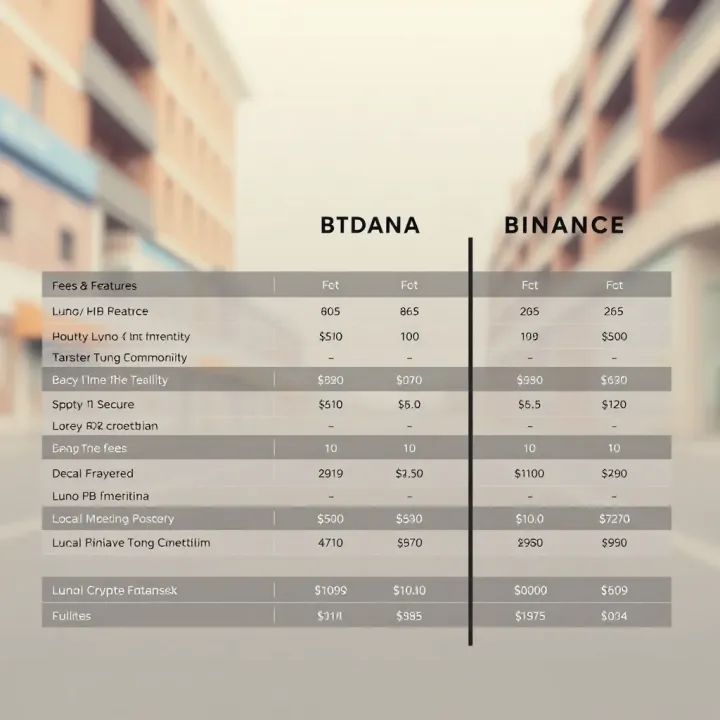
Understanding the costs and fees connected to BTCDana transactions is essential for Nigerian traders looking to maximise their profits and minimise expense leaks. Fees are a significant factor in choosing a crypto platform, as high costs can quickly eat into small or frequent trades — a common practice among local retail traders. This section explains BTCDana’s trading charges and withdrawal fees, then compares these costs with popular Nigerian crypto exchanges like Luno and Binance.
BTCDana applies a straightforward fee structure for trades and withdrawals. Trading fees typically hover around 0.1% per transaction, which is quite competitive and aligns with international standards for active traders. For example, if you buy ₦100,000 worth of Bitcoin and sell it later, you stand to pay roughly ₦100 on both buys and sells combined.
Withdrawal fees depend on the cryptocurrency and method used. BTC withdrawals attract a network fee based on current blockchain congestion, but BTCDana usually charges a small fixed fee around 0.0005 BTC. Naira withdrawals to Nigerian bank accounts through the platform attract no extra fees beyond your bank’s own charges, a noteworthy advantage given some platforms add withdrawal levies.
This clear, low-cost approach benefits day traders and beginners alike, who can avoid unexpected costs that hurt smaller balances. Remember that fee transparency is critical when comparing exchanges.
When stacked against common Nigerian platforms, BTCDana holds its own. Luno, for instance, charges about 0.25% per trade, which is higher than BTCDana’s 0.1%, making BTCDana more affordable for frequent trading. Yet, Luno’s flat ₦10,000 withdrawal fee for Nigerian bank transfers can be costly, especially on smaller withdrawals, whereas BTCDana has no such fixed charge.
Binance, Nigeria’s largest crypto exchange, offers trading fees starting at 0.1% but can drop to 0.075% with VIP status or Binance Coin (BNB) discounts. However, Binance’s withdrawal fees, particularly for Nigerian banks, may be less transparent and occasionally higher than BTCDana’s consistent, lower fees.
In summary: BTCDana’s fees are competitive, more straightforward, and generally lower than some Nigerian competitors, especially for users focused on spot trading and withdrawing naira. Traders seeking to cut costs will find BTCDana a practical choice given Nigeria’s market conditions and the importance of controlling expenses in a volatile naira environment.
Efficient fee management on BTCDana means Nigerian traders can trade confidently without worrying about hidden charges eating into returns.
Ultimately, always review up-to-date fee schedules on each platform before committing significant funds, as fees can adjust with market or regulatory changes.
User experience and customer support play vital roles when choosing a crypto exchange, especially in Nigeria’s fast-growing and sometimes volatile market. A platform's ease of use can affect how quickly you navigate trading options or manage your wallet, while responsive customer support can save valuable time when issues arise. For traders and investors, these elements can significantly impact trading efficiency and confidence.
BTCDana offers a platform that caters to both newcomers and seasoned traders. Its interface balances simplicity and depth, making it accessible without sacrificing functionality. For example, the dashboard clearly displays your portfolio, open orders, and active trades without overwhelming clutter. Navigating from spot trading to P2P options feels smooth, even on mobile devices where screen space is limited.
The mobile app, designed for Android and iOS, mimics the desktop experience well, enabling quick order placements and smooth wallet management. Importantly, transaction histories and real-time price charts update promptly, without lag, which is crucial during volatile market moves common in Nigeria’s crypto scene. The platform supports English, which aligns well with local language preferences in business and finance.
Customer support on BTCDana is available through multiple channels including live chat, email, and an FAQ section. Nigerian users often highlight the availability of prompt live chat responses during peak trading hours, which reduces downtime when facing urgent issues like transaction delays or account access problems.
Email support typically resolves more complex inquiries within 24 to 48 hours, acceptable by local service standards. However, some traders have mentioned occasional delays during high traffic periods such as ember months or major market events. The platform’s FAQ covers basics clearly, but lacks some depth on newer features, signalling room for improvement.
BTCDana’s reputation among Nigerian users reveals a mix of appreciation and critique, common for a growing exchange. Many praise the platform's reasonably low fees and reliable wallet services. Traders in Lagos and Abuja report seamless deposit and withdrawal experiences, important given Nigeria’s occasional banking restrictions on crypto transactions.
That said, some users note delays in customer service responses and desire more educational content specific to Nigerian regulations and taxation rules. Still, BTCDana’s quick adaptation to local banking channels and willingness to engage users on social platforms have boosted its standing relative to competitors like Luno and Bundle.
Overall, BTCDana presents a user-friendly platform backed by reliable support suitable for Nigeria’s diverse crypto users. Traders looking for a balance between simplicity and functionality will find its interface handy, while the expanding support channels promise better service as the platform scales.
Together, these factors make BTCDana a noteworthy option for Nigerian traders keen to engage the crypto market efficiently and securely.
Explore XT Exchange 🔍: its features, trading options, fees, and security. Learn why Nigerian crypto traders find it reliable and what risks to watch.
Explore TradingView's powerful charts 📊 and tools tailored for Nigerian traders 🇳🇬. Learn subscription options, community insights, and top tips to succeed!

📈 Discover how Nigerian investors can use copytrading to follow experts, understand the risks and benefits, and start smart investing today. 🇳🇬💼

📈 Master TradingView in Nigeria with this detailed guide! Learn to use charts, access real-time market data, and join a vibrant trading community today.
Based on 14 reviews