
Best Trading Platforms in Nigeria: A Practical Guide
Find the best trading platform in Nigeria! Explore security, costs, types, and regulations to pick the perfect fit for your trading style 📊🇳🇬
Edited By
Emily Harper
CFD trading has become a popular choice for many Nigerian investors looking to capitalise on market movements without the hassle of owning the actual assets. A Contract for Difference (CFD) is a financial agreement between two parties to exchange the difference in the price of an asset from the time the contract is opened to when it closes. This means you can speculate on asset price changes without physically buying or selling the asset itself.
For example, a Nigerian trader might use CFDs to bet on the price change of stocks listed on the Nigerian Exchange (NGX), commodities like crude oil, or international assets such as US tech stocks. If the asset price moves in your predicted direction, you profit from the difference; if not, you bear the loss.
CFD trading offers several advantages, such as lower capital requirements since you don't need to buy the underlying asset outright. You can also access highly liquid markets and trade on margin, increasing potential returns. However, this comes with significant risks. Trading on leverage means losses can exceed your initial deposit. Additionally, not owning the asset means you miss out on certain shareholder rights or dividends unless the broker adjusts your account accordingly.
CFD trading is not a get-rich-quick scheme. It demands understanding of market dynamics, effective risk management, and a disciplined approach tailored to Nigeria’s unique financial environment.
In Nigeria, CFD trading sits in a nuanced regulatory space. While the Central Bank of Nigeria (CBN) monitors financial markets, regulatory clarity on CFDs remains limited. This puts a greater onus on investors to choose reputable brokers who comply with international standards and offer transparent trading conditions.
To get started safely, Nigerian investors should:
Choose regulated brokers with solid reputations, preferably those licensed by top-tier regulators like FCA or CySEC.
Educate themselves on trading strategies, leverage risks, and how margin calls work.
Start with demo accounts before moving to live trading.
Set stop-loss orders to manage potential losses.
Understanding these fundamentals will help you navigate CFD trading effectively. The next sections will unpack how CFDs operate, the prominent risks, and tips to trade wisely within Nigeria’s market context.
Understanding the basics of CFD trading is essential for Nigerian investors looking to explore price movements in financial markets without directly owning the underlying assets. CFDs, or Contracts for Difference, offer a flexible and cost-effective way to participate in markets like stocks, commodities, and currencies. This section guides you through core concepts and practical aspects to help you make informed decisions.
A Contract for Difference (CFD) is a financial agreement between two parties to exchange the difference in value of an asset from the time the contract opens to when it closes. Traders gain or lose money based on price changes without owning the actual asset. This approach simplifies access to markets that may otherwise require substantial capital or complex procedures, such as foreign stocks or commodities like crude oil.
CFDs are distinct because they focus solely on price movement. Unlike buying shares directly, where you own part of a company, trading CFDs means you speculate on whether prices will rise or fall. This flexibility allows Nigerian traders to profit in both bullish and bearish markets but also carries unique risk considerations.
Owning an asset usually gives you rights like dividends or voting privileges, especially with company shares. With CFDs, you don't receive dividends or voting rights since there’s no actual ownership. Instead, your profit or loss depends entirely on the asset’s price change multiplied by your position size.
For example, if you buy a CFD on a Nigerian bank’s stock and the price rises, you earn the difference. However, if the price drops, you lose that amount. Ownership involves direct asset holding and sometimes physical delivery, whereas CFDs are purely contracts settled in cash, generally making them more liquid and easier to enter or exit.
To start CFD trading, you open a position by choosing to buy (go long) if you expect prices to rise or sell (go short) if you anticipate a drop. When you decide to exit, you close the position by taking the opposite action. Your profit or loss equals the difference between the opening and closing prices, multiplied by the number of contract units.
For instance, if you enter a long CFD position on gold at $1,900 and close it at $1,950, your profit comes from the $50 difference per unit. This mechanism offers straightforward access to capitalise on market swings.
CFD trading often involves leverage – borrowing funds to control a larger position than your actual capital. In Nigeria, brokers may offer leverage ratios such as 10:1, meaning ₦10,000 can control a position worth ₦100,000. While this amplifies potential profits, it also increases exposure to loss.
Margin is the deposit you must maintain to keep a leveraged position open. For example, a 10% margin requirement on a ₦100,000 position implies you need at least ₦10,000 in your account. Brokers usually issue margin calls if your account balance drops below the threshold, requiring you to add funds or close positions.
CFDs cover a broad range of assets, allowing Nigerian traders to diversify strategies. Common underlyings include:
Equities: Shares of Nigerian and international companies without buying the stock outright.
Commodities: Oil, gold, and agricultural products accessible beyond local markets.
Forex: Currency pairs like USD/NGN or EUR/USD, essential for traders focusing on exchange rate movements.
Indices: Market indices such as the NGX-30 or US S&P 500, letting traders speculate on overall market trends.
This variety means you can tailor your trading portfolio based on your risk appetite, market knowledge, and trading hours.
Grasping these basics equips you with the understanding to navigate CFD trading carefully and confidently, especially within the Nigerian market context where regulatory clarity and market access continue to evolve.
CFD trading opens several doors for Nigerian investors, but it also comes with risks that need close attention. Understanding both sides helps you make smarter trading decisions.
CFDs let you trade across international shares, commodities, indices, and currencies without leaving Nigeria or needing hefty funds. For example, you can speculate on the price movement of Apple shares or crude oil from your Lagos home. This access means you’re not tied to the sometimes slow or limited offerings of local exchanges like the NSE. Rather, you connect directly to global markets, creating more opportunities to capitalise on trends worldwide.
One major attraction of CFDs is leverage — the ability to control large positions with a smaller amount of capital. Say you want to trade a ₦1 million worth position but only need about ₦100,000 as margin. This makes trading more affordable, especially given the naira’s volatility and inflation pressures here. However, learning how to manage leverage is crucial; it can amplify gains but also losses quickly.
CFDs differ from traditional buying because you don’t own the underlying asset — instead, you speculate on price changes. This feature allows you to profit when prices rise (going long) or when they fall (going short). For example, if you anticipate the price of Nigerian oil futures will drop due to global factors, you can open a short position and benefit from the decline. This flexibility provides more ways to diversify your trading strategies.
While leverage is cost-saving, it increases the stakes. Using a high leverage ratio, for instance 10:1, means a 10% adverse price movement can wipe out your initial margin. For Nigerians, whose disposable income may already be stretched, this can lead to significant financial strain. It's essential to place stop-loss orders and avoid overleveraging to protect your capital.
CFD markets can move quickly due to global economic news, political developments, or commodity price shocks. Nigerian investors may face rapid price swings, sometimes worsened by narrow spreads or delayed quotes from brokers. For example, fuel subsidy changes in Nigeria or OPEC decisions can cause sudden commodity price moves that affect your open CFD trades. Such volatility increases the risk of slippage and unexpected losses.
Always monitor market news closely and understand your broker’s pricing model to avoid surprises on trade execution.
CFD trades are contracts with brokers, not direct asset purchases. This arrangement means the broker’s credibility directly affects your trades. Some unregulated or unscrupulous firms might delay withdrawals, manipulate prices, or even collapse. Nigerian traders should prioritise brokers regulated by Nigeria’s Securities and Exchange Commission (SEC) or reputable international authorities. Plus, platform reliability matters; technical glitches can cause missed trading opportunities or errors, especially during volatile times.
In summary, CFDs provide Nigerian traders with attractive opportunities but demand careful risk management. Understanding both the benefits and dangers helps you build a profitable and secure trading approach.
Regulation matters greatly in the world of Contract for Difference (CFD) trading, especially for Nigerian investors. It ensures a safer trading environment by setting the rules brokers and traders must follow. Without clear regulations, traders risk falling victim to scams or using unreliable platforms, which could lead to severe financial losses. In Nigeria, understanding the regulatory landscape equips investors to select trustworthy brokers and comply with the law.
The Securities and Exchange Commission (SEC) Nigeria plays a key role in overseeing and regulating CFD trading. Currently, SEC has not formally authorised CFD trading within Nigeria's financial market. This means Nigerian traders should exercise caution because CFDs often fall into a grey area without specific regulatory protection from SEC. Nonetheless, SEC stresses that brokers offering CFDs need to be registered and licensed before serving Nigerian customers.
Legally, Nigerian CFD traders must ensure the platforms they use comply with SEC rules. Trading with unregistered foreign brokers may expose traders to legal risks, including difficulties when resolving disputes or enforcing contracts. For example, if a Nigerian trader uses an offshore CFD broker unapproved by SEC, recovering funds after a dispute can be complex or impossible. Traders should regularly check SEC announcements for updates or licensed entity lists, which help avoid falling into unregulated platforms.
Choosing a broker registered and licensed by SEC is crucial for protecting your funds. SEC registration shows that the broker meets minimum local standards concerning transparency, capital adequacy, and client fund protection. For example, licensed brokers segregate client accounts to prevent misuse of funds, giving Nigerian traders added security.
Recognising a licensed broker requires verifying their name on SEC Nigeria’s registered firms list. Many international brokers also operate in Nigeria with appropriate licences, such as some firms registered with strong global regulators like the UK’s FCA or Australia’s ASIC, in addition to SEC registration. Nigerian traders benefit when brokers have dual licenses because it shows compliance with multiple regulatory regimes, raising trust levels.
Always confirm that your broker is registered with SEC or reputable international bodies before depositing funds, as this significantly reduces your exposure to potential fraud.
In sum, CFD regulation in Nigeria is still evolving, so traders must stay vigilant and pick brokers with proper registration. This practical step enhances safety, ensures better dispute resolution, and promotes a more reliable trading experience here in Nigeria.
Starting CFD trading in Nigeria requires careful preparation to ensure you trade confidently and safely. Given the volatile nature of CFDs and the need to work through regulated brokers, it’s vital to understand the account opening process, risk management, and the tools available to Nigerian investors. Practical knowledge here helps you reduce risks and take advantage of market opportunities within Nigeria’s regulatory framework.
Before you begin trading CFDs, you need to open a trading account with a broker. Typically, Nigerian brokers or international firms licensed by the Nigerian Securities and Exchange Commission (SEC) require documentation like a valid government-issued ID (such as a National Identity Card or International Passport), proof of address (utility bills or bank statements), and sometimes a passport photograph. These verifications help prevent fraud and ensure compliance with anti-money laundering rules.
Account types vary, often including standard, mini, or professional accounts, each with different minimum deposit requirements. For example, some platforms accept as low as ₦20,000 to open a mini account, while standard accounts might require ₦100,000 or more. These options give you room to choose based on your trading capital and experience level.
Setting stop-loss and take-profit orders is essential for protecting your capital. A stop-loss order automatically closes your position when the price moves against you by a certain margin, limiting potential losses. Conversely, a take-profit order locks in gains once the market hits your target price. For instance, if you buy CFDs on the NSE index, placing these orders helps you avoid heavy losses from sudden market shifts or secure profits without constantly monitoring trades.
Margin requirements represent the funds you must keep in your account to maintain open positions. Since CFDs use leverage—trading on borrowed funds—knowing your margin calls and maintaining the necessary capital is crucial. Falling below margin requirements can trigger automatic position closures, which can catch new traders off guard if they’re not vigilant.
Responsible leverage use means trading within limits you can afford. While brokers often offer leverage ratios as high as 1:200, using such levels without caution can wipe out your investment swiftly. Starting with low leverage, such as 1:10 or 1:20, and increasing it only as you gain experience helps you manage risks effectively.
Several platforms support CFD trading and cater to Nigerian investors. Popular names like FXTM, IG Markets, and AvaTrade provide access to global markets and accept Nigerian clients. These platforms typically offer robust web and desktop versions, plus extensive educational materials to support your trading journey.
Mobile trading apps play a huge role for Nigerians, especially with the country’s high smartphone penetration. Apps from Kuda, OPay, and MTN’s mobile money often integrate payment options for easy deposits and withdrawals. This local payment support makes it seamless to fund your account or cash out profits, bypassing challenges like international bank transfer delays.
Opening a proper trading account, managing risk tools wisely, and using trusted platforms with local payment solutions give Nigerian investors a practical edge in their CFD trading journey.
Starting your CFD trading with this groundwork is the key to building confidence and improving your chances of success in Nigeria’s emerging market.
CFD trading can offer great opportunities, but Nigerian investors must adopt the right practices to navigate its risks successfully. Being well-prepared helps you protect your capital and increase chances of steady gains. Practical strategies and good habits can keep you grounded, avoid costly mistakes, and make trading less stressful.
Learning technical and fundamental analysis is key to understanding price movements and market behaviour. Technical analysis involves reading price charts and patterns to predict future trends, while fundamental analysis evaluates economic data, company reports, or global events affecting asset prices. For instance, a Nigerian trader following CBN’s interest rate decisions or crude oil price changes can better anticipate how the market will react.
Many traders in Nigeria overlook this step and jump straight into trading based on tips or rumours, which often leads to losses. Building basic skills in these areas equips you to make informed decisions rather than guessing.
Using demo accounts for practice is a cost-free way to sharpen your skills before investing real money. Demo platforms simulate live market conditions but use virtual funds. This lets you test different strategies, learn to use trading tools, and get comfortable with the platform interface. For example, you could try popular platforms like MetaTrader or ThinkTrader, which Nigerian brokers often support.
Repeated practice on demo accounts reduces beginner errors and helps build confidence. Many traders find this invaluable before risking their hard-earned ₦.
Diversifying trade positions means not putting all your money into one asset or market. Nigerian traders might spread investments across oil companies, forex pairs, and indices to reduce vulnerability to any single market shock. This way, if the price of one asset drops sharply, your overall portfolio won’t suffer as badly.
Keeping emotions in check is crucial. It’s easy to feel panic or greed when markets swing wildly. Nigerian traders sometimes chase losses or increase stake sizes impulsively, which only magnifies risk. Staying calm, disciplined, and sticking to your trading plan helps prevent emotional decisions that drain capital.
Regularly reviewing and adjusting strategies keeps you aligned with changing markets. Nigerian economic news, global shifts, and technical indicators evolve, so what worked last month may not fit now. Checking your performance and tweaking your entry or exit rules ensures your approach remains practical and responsive.
Beware of scams and unregulated brokers. Some platforms claiming to offer CFD trading lack SEC registration or proper regulation. Nigerian traders have been victimised by such outfits promising huge returns but disappearing with users’ funds. Always verify broker licences and read reviews from credible sources.
Being cautious with high leverage is vital. Leverage allows trading larger positions with less money but amplifies losses just as much as profits. Since Nigerian traders face volatile naira value and uncertain markets, overleveraging can wipe out accounts quickly.
Staying updated on market news helps you react suitably to events that impact asset prices. Following CBN policy announcements, political developments, and crude oil reports gives Nigerian traders vital context to manage trades better and anticipate sudden moves.
Adopting best practices is not just about making profits but preserving your capital and building sustainable habits. Nigerian traders who master these fundamentals are better set to benefit from CFD trading while avoiding unnecessary pitfalls.
Find the best trading platform in Nigeria! Explore security, costs, types, and regulations to pick the perfect fit for your trading style 📊🇳🇬
Find the best trading app in Nigeria 🇳🇬 Explore features, fees, security, usability & local rules for stocks, forex, and crypto trading 📱💹
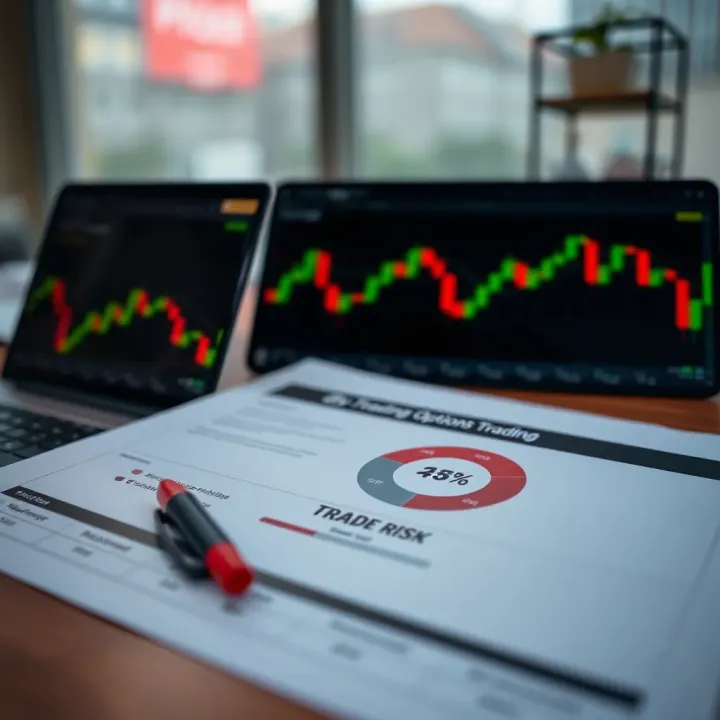
📈 Master expert options trading in Nigeria with clear guidance on strategies, risks, platform choice, and investment tips to grow your ₦ safely and confidently.
Learn forex trading in Nigeria 🇳🇬: Understand key concepts, spot risks, avoid common mistakes, and start trading forex safely for potential profits in ₦.
Based on 9 reviews