
How to Choose the Best Online Trading Platform in Nigeria
📊 Discover how to pick the best online trading platform in Nigeria 🇳🇬. Compare features, fees, security, and user experience to trade confidently.
Edited By
Charlotte Green
Online trading apps have become a staple tool for many Nigerians eager to grow their wealth through stocks, forex, and cryptocurrencies. These apps bring the stock market, currency exchanges, and crypto wallets right into your palm, allowing trading from anywhere — be it a barbing salon in Lagos or while waiting for danfo in the morning traffic. But with many options available, choosing the right app is no walk in the park.
When selecting an online trading app, consider user experience first. The interface should be simple yet responsive, especially since slow or confusing apps can cause costly mistakes during fast-moving trades. Apps like Bamboo, Trove, and Chaka have gained traction for their easy setup and clear navigation tailored to Nigerian traders.
Next, security matters deeply. Check if the app uses strong encryption and requires two-factor authentication (2FA) to protect your funds and personal data. Given Nigeria’s cyber fraud issues, a secure platform shields you from scams and hacking.
Always confirm if the platform is regulated by the Securities and Exchange Commission (SEC) Nigeria. This ensures your investments comply with local laws and helps reduce the risk of fraud.
Costs should not be overlooked. Be wary of hidden charges — some apps take hefty commissions or withdrawal fees that eat into your profits. For example, while OPay and Kuda offer trading services, the fees vary considerably and can impact your bottom line. Compare commission rates and minimum deposit requirements before committing.
Other key features to look out for are:
Real-time market data with accurate price updates
Access to Nigerian and global markets
Efficient deposit and withdrawal options, including local bank transfers and USSD codes
Educational resources or customer support to guide new traders
Finally, testing the app yourself is wise. Many platforms allow demo accounts or small initial deposits so you can get a feel for how the system works without risking much.
Choosing and using the right online trading app in Nigeria means balancing ease, security, cost, and features aligned to your trading goals. With the right platform, you can trade confidently and navigate the dynamic markets effectively.
Knowing what an online trading app does is essential before you even download one. These apps act as your gateway to buying and selling financial assets in real time, turning your smartphone into a mini trading floor. For Nigerian traders and investors, understanding the key functions and limitations of these apps can prevent costly mistakes and boost confidence.
Online trading apps provide direct access to various asset classes like stocks, forex, and cryptocurrencies without needing a physical brokerage office. This makes trading more accessible, especially for young Nigerians or those outside Lagos and Abuja, who can’t easily visit bank branches or stockbrokers.
One of the primary features of any trading app is providing real-time market data. This includes live price quotes, candlestick charts, and technical indicators. For example, if you are trading Nigerian Exchange Group (NGX) stocks like Guaranty Trust Bank (GTBank), seeing price changes as they happen helps you decide when to buy or sell. Without this, you might miss a good opportunity or suffer unexpected losses.
Charts and data also allow you to analyse trends and patterns, which is critical for both short-term traders and long-term investors. With a good app, you can zoom into daily or even minute-by-minute movements.
A trading app enables you to place different types of orders—market orders, limit orders, or stop-loss orders. This flexibility helps you manage your trades based on risk tolerance and strategy. For instance, if you wish to buy a forex pair like USD/NGN, a limit order lets you set the exact price you’re willing to pay rather than accepting the current market rate.
Execution speed is crucial. If the app delays processing trades during volatile markets, you might end buying or selling at worse prices. Reliable apps handle this efficiently with minimal lag, so your decisions are reflected quickly.
Beyond buying and selling, a good trading app helps you monitor your overall investments. It shows your portfolio’s current value, profit or loss, and diversification across assets. For Nigerian investors, this means checking how much your NGX stocks, forex holdings, and Bitcoin are doing in one place.
Many apps offer tools to analyse portfolio performance over time and suggest rebalancing if certain assets are underperforming. This keeps your investment plan on track whether you're a beginner or experienced trader.
Trading apps in Nigeria often provide access to local stocks like Dangote Cement or Nestlé Nigeria listed on the NGX, as well as shares on international exchanges like the NYSE or LSE. This broadens investment opportunities.
For example, you might invest in a Tokunbo car dealership through its listed stocks or buy shares in Apple or Amazon to diversify your risks. Having both local and international stocks lets you hedge against Nigerian market volatility.
Forex trading involves exchanging currencies and is popular among Nigerian traders looking to profit from naira fluctuations or global currency trends. Pairs like USD/NGN or EUR/USD are common on trading apps.
Because Nigeria faces periodic naira depreciation, traders try to anticipate these moves. A robust trading app provides real-time exchange data and lets you trade efficiently.
With crypto interest soaring, many Nigerian trading apps now support digital currencies such as Bitcoin, Ethereum, and local tokens. These assets trade 24/7, unlike traditional stocks, creating different trading dynamics.
Investing in crypto through your app allows portfolio diversification, but it also brings higher volatility. Apps often include wallet integration and security features like two-factor authentication to protect users’ digital assets.
Understanding these core aspects—market data, order functions, portfolio tools, and asset variety—arms you with the confidence to navigate online trading effectively. Choosing an app that matches your trading style and asset preferences can make all the difference.
Choosing the right trading app is essential for an effective investment experience, especially in Nigeria’s fast-evolving market. A suitable app can streamline your trading activities, help you manage risks, and maximise returns. Instead of picking a platform because of popularity or flashy adverts, focus on key factors that matter to your trading style, security, and budget.
Ease of navigation is crucial for both beginners and seasoned traders. A cluttered or confusing layout can lead to mistakes when placing orders or monitoring assets. For example, a trader might miss timely market changes if accessing price charts takes multiple clicks or if buttons are too small for mobile screens. Apps like Bamboo are known for their clean, straightforward interfaces that reduce hassle, especially for Nigerians who prefer trading on mobile.
Moving to customisability and tools, look for apps that let you tailor your dashboard and notifications to suit your preferences. Nigerian traders often need quick access to local market news or currency converters, so platforms that allow widget setups or alerts can save time. Additionally, tools like technical indicators, watchlists, and real-time news feeds enhance analysis and decision-making. The option to create templates or save favourite assets adds efficiency, preventing repetitive actions during busy trading sessions.
Mobile performance and stability are non-negotiable. Nigerian internet connections can be spotty, so a trading app must function smoothly even on 3G or 4G networks without frequent crashes. An app that freezes during critical trades can cost you money. Consider apps that consume less battery and data, offer offline features where possible, or compress data usage to keep trading seamless while you’re on the move.

Secure logins and two-factor authentication (2FA) protect your account from unauthorised access. Using just a password is risky, especially when internet fraud is pervasive. Two-factor authentication—through SMS codes or authentication apps—adds a vital extra layer of security. For instance, Trove and Bamboo both support 2FA, aligning with Nigerian fintech security norms.
Regarding data protection policies, choose apps that clearly outline how they manage and safeguard your personal information. Transparency about data storage, encryption methods, and whether they share data with third parties is important. This reduces the chance of your BVN or bank details ending up in the wrong hands. Nigerian regulators also expect platforms to comply with these standards.
The reputation and regulatory compliance of an app provider should never be overlooked. Always verify if the platform is licensed by appropriate authorities like the Nigerian Securities and Exchange Commission (SEC). Trading with unlicensed brokers or platforms without a proven track record can expose you to scams, a growing concern in Nigeria’s online investment space.
Commission rates and spreads directly affect profitability. Some apps charge a flat fee per trade, others take a percentage, while spreads (the difference between buy and sell prices) vary widely. For example, international platforms like eToro often have wider spreads than local Nigerian apps, so compare carefully based on your trading volume.
Look out for deposit and withdrawal charges. While some apps offer free deposits, withdrawing funds might attract fees or delays related to currency conversion. In Nigeria, transferring naira to foreign currency and back can mean losing part of your money to exchange rate fluctuations or bank charges.
Beware of hidden or inactivity fees. Certain platforms deduct charges if your account stays inactive for months or impose maintenance fees beyond normal trading costs. This is especially relevant for Nigerian traders who may pause activity during ember months or economic downturns. Reading the fine print can save you unexpected deductions.
Choosing well means saving money and protecting your investment against risks. Invest time in researching app features, security, and cost structures before committing.
By weighing these factors carefully, you position yourself to trade smarter with confidence on Nigeria’s online platforms.
Beginning your investment journey on a trading app requires understanding essential steps specific to Nigeria's financial environment. Getting your account set up properly, funding your wallet conveniently, and making your first trade confidently are key to avoiding common pitfalls.
To start trading, you must register on the platform and verify your identity using your National Identification Number (NIN) or Bank Verification Number (BVN). Verifying identity helps comply with Nigeria’s Know Your Customer (KYC) regulations, which limit fraud and money laundering. For example, platforms like Bamboo and Trove require BVN verification during signup, linking your trading account to your banking identity.
Connecting your bank account or preferred payment method is the next step. This linkage allows seamless deposits and withdrawals in Nigerian naira. Banking apps from GTBank, Zenith, or Access Bank usually integrate smoothly with local trading apps. Also, linking a bank account makes it easier to convert funds between your trading wallet and your savings or current account without delays.
KYC rules require traders to provide valid identification, proof of address, and sometimes passport photographs to the trading app. These steps protect both the user and the platform from fraud and illegal transactions. Meeting these requirements early prevents delays later on when you need to fund your wallet or withdraw profits.
Most Nigerian trading apps accept deposits through bank transfers, USSD payments, and popular fintech wallets like OPay or PalmPay. For instance, Bamboo accepts direct debit from Nigerian banks, making it convenient. Understanding these options means you can fund your trading wallet without frequent trips to the bank or ATM queues.
Since many assets on international platforms trade in USD or other currencies, managing naira-to-foreign currency conversion is vital. Rates can fluctuate, impacting your investment’s cost. Some apps handle currency conversion internally, while others require you to fund foreign currency wallets separately. Knowing how your chosen platform handles this saves you from hidden conversion fees.
In Nigeria, minimum investment amounts vary widely. Platforms like Trove allow buying shares from as low as ₦5,000, making it accessible even if you’re testing the waters. Understanding these minimums ensures you don’t underfund your account or face unnecessary delays in executing trades.
Start by selecting the asset — stocks, forex pairs, or cryptocurrencies — that align with your investment goals. Different order types like market orders or limit orders determine how your trade executes. For example, a market order buys or sells immediately at the current price, while a limit order waits for your desired price, giving you more control.
Stop loss and take profit settings help manage your risk and lock in gains. Setting a stop loss prevents excessive loss by automatically selling when the price falls to a certain point, while a take profit order sells when your target gain is reached. Using these tools is especially important in volatile markets like forex or crypto.
After placing a trade, it’s important to track its progress through the app’s portfolio or trade history features. Regular monitoring lets you react swiftly to price changes or news developments. Some apps provide real-time alerts on price movements and news, helping you stay in control without constantly checking.
Starting your online trading carefully builds a solid foundation. Clear knowledge of registration, funding, and trade execution helps you avoid errors and protects your investments from the outset.
Trading on an online app in Nigeria comes with unique challenges traders must face head-on. Understanding these common risks is essential not just to protect your capital but to make informed decisions that fit the volatile market nature and local context. This section highlights critical risk factors and practical steps you can take to safeguard your investments effectively.
Market prices can swing sharply within minutes or hours, especially in sectors like forex or cryptocurrencies. For short-term traders—like day traders or scalpers—these rapid movements offer chances to profit, but also expose them to sudden losses if prices move against their positions. For example, the Nigerian Stock Exchange sometimes experiences price swings influenced by policy announcements or foreign capital flows, which can affect your trade within a single day.
To manage this, using stop-loss orders is crucial. A stop-loss automatically closes your trade at a predetermined price to limit losses. Additionally, diversifying your trades across different assets reduces exposure to a single market’s ups and downs. For instance, combining stock trading with less volatile assets or fixed income options can cushion sharp market moves. Always keep an eye on market news—both local and global—as unexpected events often trigger volatility.
Technical glitches or internet problems can stop you from executing trades at critical moments. Nigerian internet infrastructure, while improving, can be unstable especially in rural areas. An app going offline during a market spike could cost you valuable profits or leave you exposed to losses. Choosing trading apps with strong mobile performance and reliable server uptime matters because every second counts once you place your orders.
Your login details and personal information must stay secure to avoid hackers draining your account. Use apps that support two-factor authentication (2FA) and never share your password or OTP with anyone. Avoid logging in on shared devices or public Wi-Fi networks without protection. Changing passwords regularly and monitoring your account activity can help detect any suspicious behaviour early.
Only trade on platforms regulated by bodies like the Nigerian Securities and Exchange Commission (SEC). Unlicensed brokers often operate without oversight, increasing the risk of fraud or unfair practices. They may promise unrealistic returns or charge hidden fees that drain your funds. Confirm broker credentials before funding your account.
Beware of schemes like Ponzi or pyramid set-ups camouflaged as trading apps, prevalent in Nigeria’s informal investment space. If a platform pressures you for referrals, guarantees fixed returns, or lacks transparent business operations, it’s likely fraudulent. Stick to reputable, well-reviewed apps like Bamboo, Trove, or global platforms accessible in Nigeria. Trustworthy platforms provide clear terms and have responsive customer support.
Being aware of these risks and adopting sound management strategies lets you take advantage of online trading’s opportunities in Nigeria, while protecting your hard-earned money from avoidable pitfalls.
Choosing the right trading app means understanding what’s popular and practical in Nigeria’s unique financial environment. Popular apps often reflect both local integration and global access, opening doors for Nigerian traders to markets at home and abroad. Knowing these platforms helps you pick one that suits your needs, be it ease of use, security, or cost efficiency.
Nigeria’s fintech scene has birthed trading apps like Bamboo and Trove that cater specifically to Nigerians looking to invest in stocks from Nigerian and international markets. These apps offer simple, mobile-friendly interfaces designed for users with varying experience levels. Bamboo, for instance, stands out for providing access to US stocks and ETFs with low minimum investments, making it attractive for those who want to start small without complex processes. Trove complements this by offering investments in popular African companies alongside US and Nigerian stocks, broadening choices for users keen to diversify.
A key strength of these local platforms is their seamless integration with Nigerian payment systems. You can fund your trading wallets through popular methods such as bank transfers, Quickteller, or USSD codes, reducing the hassle of currency conversion or third-party intermediaries. This localised payment support ensures fast, reliable deposits and withdrawals straight into your Nigerian bank account, an advantage over some foreign platforms that may have limited naira acceptance or delayed transactions.
Many Nigerians also access global trading platforms like eToro and IQ Option, offering a wider variety of asset classes, including forex, CFDs, and cryptocurrencies alongside stocks. These platforms often feature advanced tools such as social trading—where you can follow and copy experienced traders' strategies—which appeals to more active or knowledgeable investors. However, accessing these apps usually requires navigating international banking and currency exchange hurdles.
Comparing fees and features between local and global options reveals important trade-offs. Local apps like Bamboo typically charge minimal commissions and offer transparent fees suited to the Nigerian context. On the other hand, global platforms may have broader asset options but include higher spreads, withdrawal fees, or inactivity charges. Understanding these costs helps you balance flexibility with expenses, ensuring your trading stays profitable rather than drained by hidden charges.
When choosing a trading app, consider both its local ease of use and international reach. That balance often determines how comfortably you can trade while maximising returns.
In sum, Nigerian traders have solid choices between specialised local fintech apps and established global platforms. Each has unique advantages depending on your trading style, asset preferences, and cost sensitivity. Staying informed on these options equips you to make smart trading decisions on mobile platforms suited for Nigeria’s market realities.
Trading online in Nigeria isn't just about picking the right app; it's about making confident, informed decisions and shielding your funds from unnecessary risk. These tips focus on both improving your skills and protecting your money from common pitfalls. Whether you are into stocks on the Nigerian Stock Exchange (NSE), forex, or cryptocurrencies, a smarter approach can save you from losses and help build a sustainable portfolio.
Following Nigerian market news and analysis is essential for staying ahead. Markets here can be unpredictable due to local factors such as political developments, naira fluctuations, or changes in CBN policies. Keeping an eye on reputable news sources, such as BusinessDay or Nairametrics, helps you grasp when certain sectors like agriculture or oil & gas might be affected. This real-time knowledge enables you to act promptly rather than react after losses.
Plus, Nigerian market analysis often sheds light on trends ignored by global media. For example, insights into the impact of fuel subsidy policies or the effects of ember months on consumer spending can guide your trading strategies effectively.
Using demo accounts to practice gives you hands-on experience without risking real money. Platforms like Bamboo and Trove offer demo modes where you can test trading strategies or get familiar with order types and chart tools. Practising in this way teaches you to handle volatility and order execution without pressure.
This step is particularly useful if you're new or trying out new asset classes like forex pairs or cryptocurrencies. It trains you to spot entry and exit points and understand stop loss mechanics before you invest your hard-earned naira.
Determining how much you can afford to lose is the bedrock of responsible trading. It's easy to get caught up in the excitement, but setting a maximum loss threshold safeguards your finances. For instance, if your monthly disposable income is ₦50,000, dedicating only 10–15% of that to trading risks keeps you safe from severe setbacks.
This mindset encourages discipline; once your loss limit is reached, you avoid chasing losses, which often worsens the situation.
Setting clear trading goals helps you focus. Are you aiming for short-term profits to top up your income, or planning long-term investments for wealth building? Maybe you want to learn market behaviour gradually. Your strategy changes depending on these objectives.
By defining targets, such as earning ₦10,000 monthly from trading or growing your portfolio by 20% in six months, you measure your progress clearly. This reduces guesswork and emotional decision-making.
Using VPNs and secure networks is vital in Nigeria, where public Wi-Fi or unstable internet connections with unsecured networks are common. VPNs encrypt your connection, preventing hackers from intercepting your login credentials or transaction data when trading on mobile apps.
Especially for those frequently on the move—whether you are commuting in a danfo or relaxing at a mama put—it adds a layer of defence against cyber threats that could jeopardise your investment.
Regular app updates and password management ensure your trading platform is resistant to known security holes. Apps like Trove and Bamboo release updates that patch vulnerabilities or enhance encryption.
Additionally, using strong, unique passwords and changing them regularly keeps your accounts safe from unauthorized access. Storing passwords securely, preferably with a trusted password manager, reduces the risk of breaching your account.
Protecting your investment isn't only about what you buy but how you manage knowledge, risk, and security. A cautious yet informed trader stands a better chance of success in Nigeria's vibrant but volatile markets.
These tips will help you trade smarter while hedging against the common dangers that can catch even experienced individuals unaware.
📊 Discover how to pick the best online trading platform in Nigeria 🇳🇬. Compare features, fees, security, and user experience to trade confidently.
📈 Discover how to choose the best online trading app in Nigeria! Learn about key features, security, and platforms for a smooth trading experience.
Discover how to pick the best broker in Nigeria for trading. Learn about regulations, fees, platforms, and support to trade confidently 📉💼🇳🇬
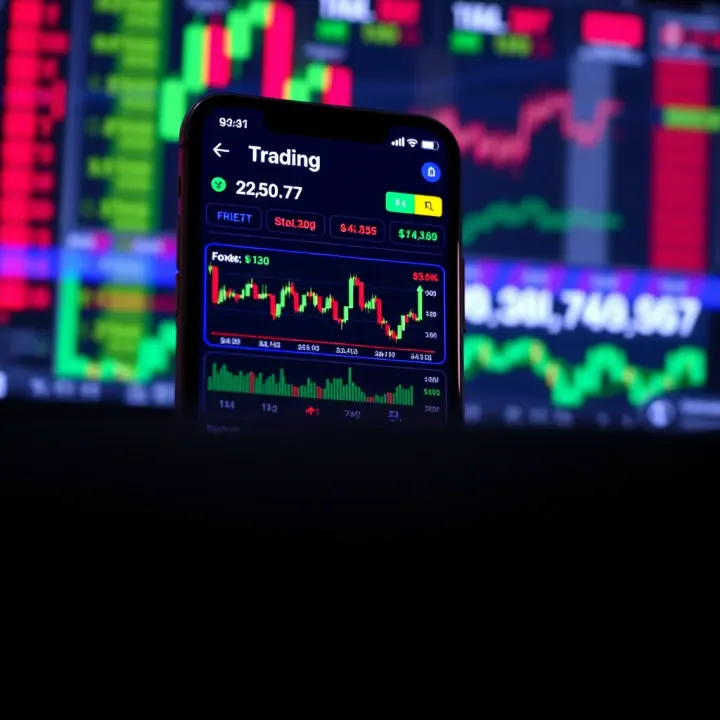
Find the best trading app in Nigeria 🇳🇬 Explore features, fees, security, usability & local rules for stocks, forex, and crypto trading 📱💹
Based on 12 reviews