
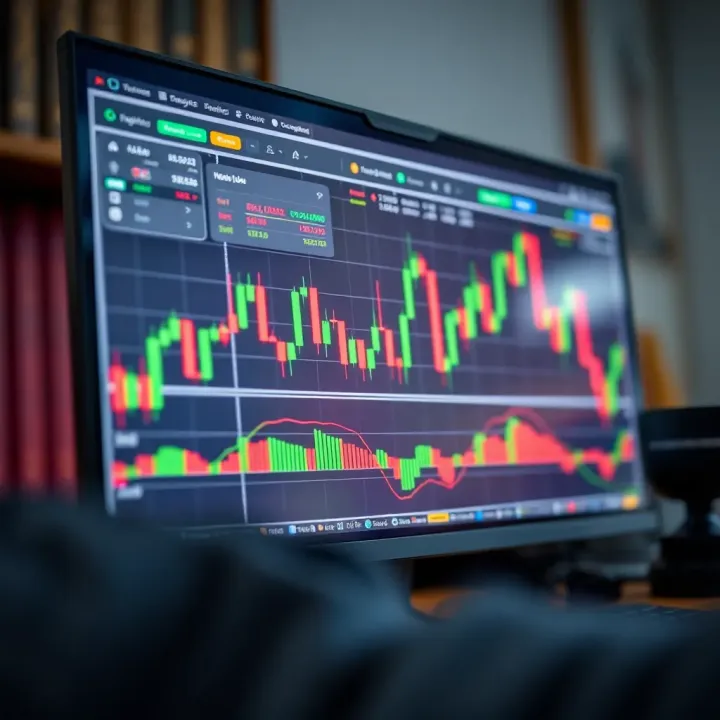
TradingView's Impact on Nigerian Traders
Explore TradingView's powerful charts 📊 and tools tailored for Nigerian traders 🇳🇬. Learn subscription options, community insights, and top tips to succeed!
Edited By
Oliver Gray
Understanding the forces behind the GBP/USD currency pair is vital for Nigerian traders who want to make confident decisions in the forex market. The British Pound (GBP) versus the US Dollar (USD) pair is one of the most actively traded in the world, offering ample opportunities but also presenting challenges due to its sensitivity to global events and economic shifts.
This section gives you a clear picture of the main factors driving the GBP/USD rate, with a special focus on elements that affect Nigerian investors and forex traders. The pairing’s movements often reflect economic data from the UK and the US, political events, and shifting market sentiment—all of which impact local currency dynamics given Nigeria’s exposure to both dollars and pounds through trade and remittances.

Exposure to global economic shifts: Changes in UK and US policies quickly impact how GBP/USD behaves, which in turn influences the naira's exchange rates against these currencies.
Remittances and imports: Many Nigerians receive money from relatives abroad or buy goods priced in either pounds or dollars, so understanding this pair can help manage costs and income expectations.
Investment positioning: Traders using platforms like OPay or Paystack benefit from knowing which direction the pair is headed, enabling smarter entry and exit points.
Economic Indicators: Key reports from the UK (like GDP growth, inflation rates, and Bank of England decisions) and the US (Federal Reserve interest rates, non-farm payrolls) heavily influence market direction.
Geopolitical Events: Brexit aftershocks, US elections, and unexpected crises can trigger sharp fluctuations.
Market Sentiment: Shifts in risk appetite, such as during global market jitters, cause investors to flock to or away from the pair.
Nigerian forex traders should track these factors closely, as GBP/USD trends often send ripples across NAIRA valuations and trading volumes.
In the upcoming sections, we will break down these influences further and share practical tips to help you navigate the market better.
The GBP/USD pair is one of the most actively traded currency pairs in the forex market, which makes understanding it essential for any serious trader or investor, especially Nigerians dealing with international trade and investments. This pair reflects how many US dollars it costs to buy one British pound. Keeping an eye on its movement can help traders spot opportunities and manage risk effectively.
The British pound (GBP) ranks as one of the oldest and most stable currencies globally, while the US dollar (USD) acts as the world's primary reserve currency and a benchmark for international trade. Because of this, GBP/USD often serves as a barometer of economic health between Europe and the US. For Nigerian traders, fluctuations in this pair can signal shifts in global market sentiment or economic changes in two major economies, which often ripple into other markets, including Nigeria's.
This currency pair influences a wide range of financial products—commodities, government bonds, and even stock markets. Since many Nigerian companies import goods from the UK or US, changes in GBP/USD affect their costs and pricing strategies. For example, an increase in the pound relative to the dollar can raise the cost of British products, impacting Nigerian importers who depend on affordable pricing. Globally, the pair's volatility also dictates traders' appetite for risk and safe-haven assets, which indirectly affects conditions in Nigeria’s own forex and equity markets.
When the GBP/USD rate shifts, Nigerian importers and exporters must adjust. For instance, a stronger pound makes British goods more expensive in naira terms, potentially squeezing profit margins for Nigerian importers of items like machinery or pharmaceuticals. Conversely, exporters selling products priced in dollars might benefit from a weaker US dollar, but if the naira weakens sharply in response, costs still rise locally. Those involved in trade should monitor GBP/USD trends closely to time purchases or sales and hedge against sudden adverse moves.
Nigerian traders engaging with the UK or US face multiple currency risks. Besides the direct GBP/USD rate, fluctuations between the naira and these currencies add layers of complexity. For example, a stable GBP/USD rate paired with a volatile naira exchange rate can lead to unexpected losses when repatriating funds or settling debts. Managing this risk calls for strategies such as forward contracts or options commonly offered by Nigerian banks and forex platforms. Staying informed about GBP/USD trends helps traders anticipate shifts and make smarter decisions on when to lock in rates or conduct transactions.
For Nigerian traders, understanding GBP/USD is not just about foreign exchange; it's about protecting their businesses and investments from unexpected shocks in a currency market that has ripple effects on local economics.
By focusing on this pair, traders sharpen their market outlook and position themselves better to navigate the challenges presented by global financial linkages, especially in turbulent times like election cycles, market reforms, or global crises.
Understanding the economic data from both the UK and US is essential to forecasting the GBP/USD currency pair. These indicators reveal the health of each economy and influence investor confidence, directly shaping demand for the pound and dollar. For Nigerian traders, being aware of these figures aligns trading decisions with underlying market forces rather than guesswork.
The Bank of England controls UK interest rates, which have a substantial impact on the value of the pound sterling. When the BoE raises interest rates, it typically attracts foreign investors seeking higher returns, boosting demand for GBP and pushing the GBP/USD rate upwards. Conversely, rate cuts can weaken the pound by making UK assets less attractive.
For traders in Nigeria, monitoring BoE announcements is crucial because changes can prompt sharp movements in GBP/USD, affecting cross-border transactions and import costs for businesses relying on British goods or services. For example, a rate hike might increase the cost of imported machinery priced in pounds.

GDP growth signals the overall economic momentum in the UK. Strong growth suggests a robust economy, encouraging investment and strengthening the pound. Inflation rates also guide BoE policy decisions; higher inflation often pushes the bank to raise rates to cool the economy, again supporting the currency.
Unemployment figures reflect labour market health and consumer spending power. Rising unemployment may signal economic slowdown, undermining investor confidence in GBP. Nigerian traders should track these numbers as they indicate potential shifts in the pound's strength, enabling timely adjusting of trading positions or hedge decisions.
The US Federal Reserve’s monetary policy plays a defining role in the dollar’s value. Rate increases typically strengthen the dollar by offering better yields to investors, while easing policies can lead to depreciation. These policy moves respond to inflation, economic growth, and employment data.
For Nigerian traders following GBP/USD, Fed announcements can trigger volatility. For example, an unexpected Fed rate hike may cause the dollar to rally sharply against the pound. Staying updated helps manage risk exposures, especially when market sentiment is tense.
Employment data such as the Non-Farm Payrolls (NFP) report impact USD demand significantly. Strong job creation indicates economic strength, supporting the dollar, while weak jobs data tends to have the opposite effect. Inflation reports, like the Consumer Price Index (CPI), inform the Fed’s stance on interest rates.
Nigerian traders benefit by timing their trades around these releases. Knowing when inflation spikes or employment numbers disappoint helps anticipate rapid GBP/USD shifts and plan strategies accordingly.
Keeping an eye on these economic indicators from both the UK and US offers Nigerian traders a clearer lens on likely GBP/USD moves. It’s not just about guessing the market but understanding the economic pulses that steer currency flows.
Technical analysis provides Nigerian traders with practical tools to anticipate GBP/USD movements without having to rely solely on economic data or political news. By studying price charts and trading patterns, you gain insight into market sentiment and potential turning points. These methods can help identify entry and exit points, reducing guesswork and improving trade timing.
Support and resistance are the backbone of technical analysis. Support represents a price level where GBP/USD tends to stop falling because buyers enter the market, while resistance marks where selling pressure overcomes buying, causing prices to stall or reverse. For example, if GBP/USD repeatedly bounces around 1.2000, that level serves as support. Understanding these zones helps you plan trades: buy near support and sell near resistance to manage risk.
These levels are not fixed; they can shift based on new market information or shifting trader sentiment. Nigerian traders, especially those dealing with short-term trades, can use support and resistance to place stop-loss orders smartly, limiting losses if the market moves unfavourably.
Moving averages smooth out price data to reveal trends over time. The 50-day and 200-day simple moving averages (SMA) are commonly used to track medium- and long-term trends in GBP/USD. A crossover — when the 50-day SMA crosses above the 200-day SMA — often signals a bullish trend, suggesting it’s a good time to consider buying.
The Relative Strength Index (RSI) measures momentum, indicating whether GBP/USD is overbought or oversold. An RSI above 70 may signal the pair is overbought and prone to a price drop, whereas below 30 suggests oversold conditions, often followed by a rebound. Nigerian traders can use RSI to avoid buying at market peaks or selling when prices are too low.
Technical analysis works best when coupled with awareness of economic events impacting GBP/USD. For instance, if the Bank of England announces a surprise interest rate hike, technical indicators like moving averages might confirm a strong upward trend. This combination helps traders validate signals, avoiding false breakouts.
Nigerian traders can monitor economic calendars alongside chart patterns to spot the best moments to act. The interplay between news and technical signals often determines whether trends continue or reverse, enhancing decision-making precision.
Risk management remains vital despite the sophistication of technical tools. Setting stop-loss and take-profit levels based on support and resistance prevents unnecessary losses. For example, placing a stop-loss just below a support level controls downside risk if the price breaks lower.
Position sizing is equally important. Nigerian traders should avoid risking more than 1-2% of their account on a single trade. This approach safeguards capital during volatile periods, such as when GBP/USD reacts to sudden geopolitical twists or naira fluctuations. Always remember, preserving your trading fund is the first step towards long-term success.
Technical analysis equips Nigerian traders with measurable, actionable insights. When combined with economic awareness and strong risk controls, it creates a solid foundation for trading the GBP/USD pair effectively.
Geopolitical events and market sentiment often shake the GBP/USD currency pair more than many realise. For Nigerian traders dealing with this pair, understanding these factors helps forecast sharp movements that technical charts alone might miss. Political decisions, international relations, and global crises shape investors’ confidence in sterling and the dollar, affecting volatility and trading opportunities.
Trade talks between the UK and its partners outside the European Union remain key drivers for the British pound. For instance, unresolved issues around tariffs or border regulations with the EU can dent investor confidence, causing GBP to dip. Nigerian importers who rely on British goods should watch these developments closely because a weaker sterling may raise costs, impacting pricing strategies or profit margins.
On the flipside, progress or new trade deals with big economies like the US or China often boost sterling’s value. This reaction isn’t just theoretical; sterling in 2023 reacted to news of a potential UK-US trade deal, giving traders clear signals. Nigerian forex traders can leverage such news to time their entries or exits, avoiding unnecessary losses during sharp swings.
Periods of political instability in the UK, such as cabinet reshuffles or parliamentary gridlocks, trigger volatility in GBP/USD. For example, when a UK prime minister faces internal party conflicts, markets tend to get jittery, resulting in rapid ups and downs in the pound’s value.
From a trading perspective, this means higher risk but also more profit potential if timed well. Nigerian traders should consider trimming positions or using stop-loss orders when such uncertainty spikes to avoid getting caught in unexpected drops. Watching UK political headlines is just as important as tracking economic data.
US presidential or congressional elections bring significant shifts to the dollar due to differing economic policies that affect investor expectations. For example, anticipation of a government boosting spending or hiking taxes can push the dollar up or down respectively.
Changes in US fiscal policy, like budget approvals or debt ceiling debates, directly influence the Federal Reserve’s actions on interest rates. Nigerian traders dealing with GBP/USD can capitalise on these moments by monitoring policy commission announcements and staying aligned with broader market sentiment.
During times of global turmoil—such as COVID-19’s onset or geopolitical conflicts—the US dollar often acts as a safe haven. Investors flock to the dollar, pushing its value up against other currencies, including the pound.
Nigerian traders should note that when such crises emerge, GBP/USD may fall sharply as sterling weakens with risk-off sentiment, while the dollar strengthens. This behaviour offers trading opportunities but also calls for caution. Understanding the triggers behind these moves enables better risk management in volatile periods.
Staying informed about geopolitical events gives Nigerian traders an edge, enabling them to anticipate sharp moves in GBP/USD and manage trades prudently. These factors often outweigh predictable economic data and technical trends, especially during uncertain times.
For Nigerian traders, dealing with GBP/USD requires more than just watching charts and news. The market’s complexity calls for practical strategies tailored to Nigeria’s unique economic environment. Understanding how the naira’s shifts influence your forex moves and choosing the right broker can help protect your investments from avoidable losses.
The interplay between the Nigerian naira and the GBP/USD exchange rate is a key factor traders must grasp. When the naira weakens against the dollar, it often pushes the effective cost of buying British pounds higher, even if the GBP/USD rate remains steady. For instance, a company importing goods priced in pounds will find expenses climbing if the naira-dollar exchange weakens, complicating budgeting and pricing.
On the flip side, naira strengthening against the dollar can improve profit margins for exporters or traders dealing in pounds. This dynamic means traders should watch both GBP/USD movements and naira-dollar trends closely to avoid surprises that might erode gains or amplify losses.
Timing forex transactions well is another practical approach to managing risk. Nigerian markets can be volatile, especially during the ember months when demand for foreign currency peaks due to festivities and travel. Executing trades early, before anticipated economic announcements or political events, can protect you from rapid depreciation or sudden rate spikes. Use economic calendars and local market insights to plan trades around periods of lower volatility.
Regulations are vital for safety in forex trading. Nigerian traders should prioritise brokers regulated by reputable authorities such as the Nigerian Securities and Exchange Commission (SEC) or internationally recognised bodies like the Financial Conduct Authority (FCA). These brokers generally offer better security for funds and fairer trading environments, reducing risks tied to scams or unlicensed operators.
Security features such as two-factor authentication (2FA) and encryption protocols are equally important. They safeguard your account from unauthorised access, ensuring your trading data and funds remain protected.
Regarding payment options, Nigerian traders benefit from brokers who support local methods like bank transfers through GTBank or Access Bank, and fintech wallets such as OPay or PalmPay. Ease of fund access not only accelerates deposit and withdrawal times but also reduces transaction costs. Traders should avoid platforms with complicated funding procedures or excessive fees, as these can cut deep into profits.
Practical takeaway: Choosing a broker that blends strong regulation, robust security, and convenient Nigerian payment options lays a solid foundation for successful GBP/USD trading.
By aligning trading decisions with local economic realities and selecting trustworthy brokers, Nigerian traders can handle the GBP/USD market with greater confidence and control.
Explore TradingView's powerful charts 📊 and tools tailored for Nigerian traders 🇳🇬. Learn subscription options, community insights, and top tips to succeed!
📈 Master TradingView in Nigeria with this detailed guide! Learn to use charts, access real-time market data, and join a vibrant trading community today.
Explore Binary.com for Nigerian traders 📈—learn platform features, risks, benefits, and smart tips to trade safely and confidently in Nigeria’s market.
Explore how Nigerian traders can boost their skills by combining TradingView's advanced charts 📊 with Deriv.com's reliable trading platform 💹. Learn practical tips now!
Based on 15 reviews