
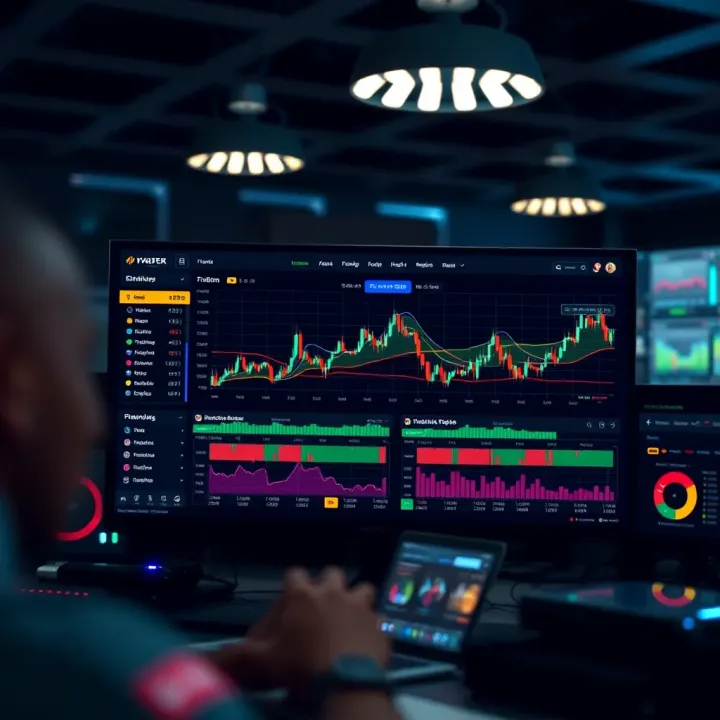
Best Trading Platforms for Nigerian Traders
Discover how Nigerian traders can pick the best global trading platform 🌍 with insights on fees, security, features, and local regulations for smoother trades 📈.
Edited By
Olivia Morgan
Trading robots, also known as algorithmic trading systems or bots, have grown rapidly in popularity among investors and traders in Nigeria’s financial markets. These automated programmes execute trades based on pre-set rules without direct human intervention, offering speed and efficiency that manual trading cannot match.
At their core, trading robots analyse market data using technical indicators or signals to decide when to buy or sell assets like stocks, forex, or cryptocurrencies. For example, a robot might scan the Nigerian Stock Exchange (NGX) for price patterns and automatically place orders when specified conditions are met, such as a moving average crossover.
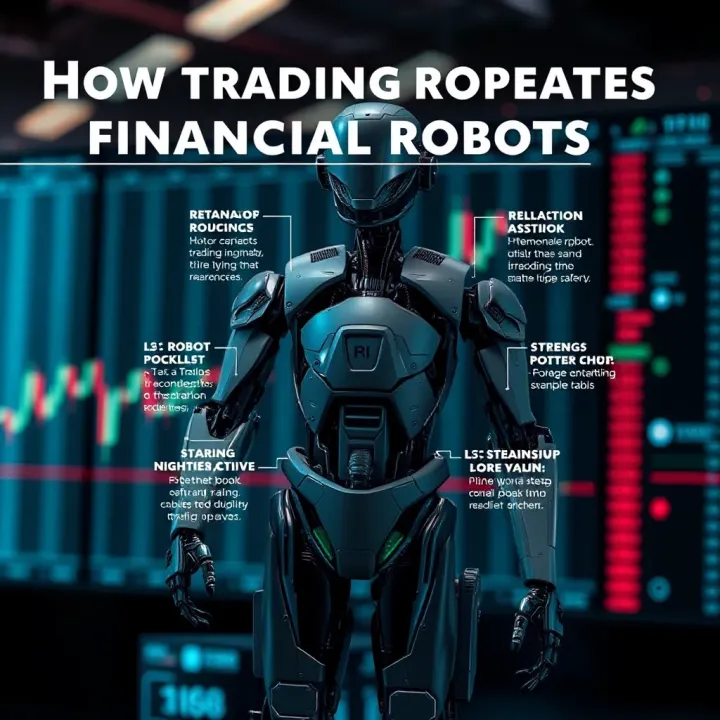
Automated trading tools can open up opportunities for traders to react instantly to market movements, reducing emotional decisions and the risk of missing key entry or exit points.
Most trading robots operate by following distinct strategies:
Trend-following bots: These track market momentum to capitalise on rising or falling prices.
Mean-reversion bots: Designed to exploit temporary price deviations from a historical average.
Arbitrage bots: Seek price differences across various markets or platforms for risk-free profit.
Practical use of trading robots in Nigeria must consider local factors such as internet stability, power supply challenges, and platform reliability. Many Nigerian traders rely on platforms like MT4, MT5, or locally adapted apps that integrate automated trading, sometimes linking to payment solutions like OPay or Paystack for quick fund transfers.
In summary, trading robots offer a powerful tool for market efficiency when combined with sound risk management. However, they are not foolproof and should be tested thoroughly before deployment to avoid costly mistakes in volatile markets. Nigerian traders who understand their mechanics and limitations can use these systems as part of a diversified trading approach to optimise returns.
Trading robots are software programmes designed to execute trades automatically on behalf of traders. Their importance lies in the ability to manage complex market data and carry out trades faster than any human can. For Nigerian traders, this means reducing emotional decision-making and improving efficiency, especially in volatile markets like forex and cryptocurrency. Understanding how these robots work is essential to tap into their potential while avoiding costly mistakes.
A trading robot, often called an expert advisor or automated trading system, uses algorithms to analyse market patterns and make buy or sell decisions accordingly. Unlike manual trading, where a trader must constantly watch markets and execute orders, a trading robot continuously monitors price movements 24/7 without fatigue. For example, a forex robot programmed with specific entry and exit rules can spot opportunities in currency pairs such as USD/NGN, offering traders a chance to benefit from market swings even while they are asleep.
These robots analyse markets using technical indicators such as moving averages, relative strength index (RSI), and Bollinger Bands to identify trends and reversals. They process historical data and recent price actions, recognising patterns that suggest potential profit moments. For instance, a robot might spot a breakout in the NGX stock index by detecting volume surges and price momentum. Some advanced robots even incorporate news sentiment analysis to avoid trading during major economic announcements, helping to reduce unpredictable losses.
Once a trading robot identifies a suitable trade, it automatically executes the order without any manual input. This automation cuts down on delays often seen when traders react emotionally or too slowly to changing market conditions. In Nigeria, where internet speed can vary, these robots ensure trades happen instantly once conditions match the programmed criteria. They also handle position sizing and stop-loss orders, such as placing a stop-loss at 1% below the entry price to manage risk. This precision reduces human errors and enhances consistency in trading performance.
Successful use of trading robots depends largely on understanding their operation, setting sensible parameters, and continual monitoring to adapt the robot’s strategy to changing market realities.
By combining market analysis and automated execution, trading robots serve as valuable tools for traders wanting to sharpen their edge in fast-moving financial markets like Nigeria’s forex and stock exchanges.
Trading robots come in several forms, each crafted to meet different needs and trading styles. Understanding the popular types helps you pick one that aligns with your strategy and market conditions. The most common categories include algorithm-based robots, signal-based robots, and copy-trading robots, each with distinct ways of operating.
Algorithm-based robots use pre-set rules and mathematical models to analyse market data and make trading decisions automatically. These rules could consider variables like price movements, volume, or technical indicators such as moving averages and RSI (Relative Strength Index). A Nigerian trader focusing on forex pairs like USD/NGN might use an algorithm-based robot programmed to exploit small price fluctuations during the London or New York sessions. These robots excel in fast execution and removing emotional bias but require good programming to adapt to volatile Nigerian market conditions.
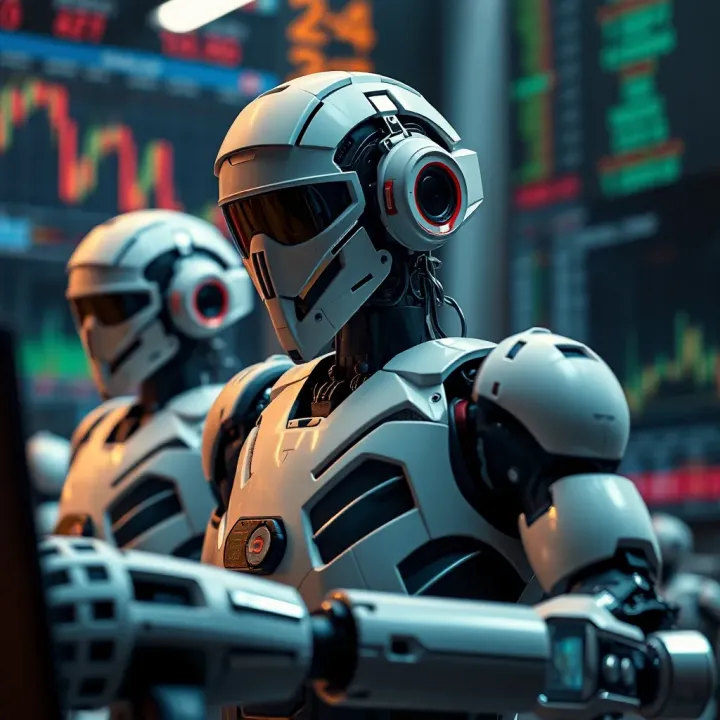
Signal-based robots operate by receiving trading signals generated either externally or internally. The signal might trigger an action such as buying or selling a stock, commodity, or currency. For example, some signal-based robots track trends in the NSE or cryptocurrency price changes and alert the trader or automatically execute trades once certain thresholds are met. They are useful for traders who want some guidance but still want to keep control over trade execution. However, the quality of signals can vary, so picking a reputable provider is vital.
Copy-trading robots link your account to that of a successful trader, automatically replicating their actions in real-time. This is practical for those who lack time or expertise yet want exposure to active markets like forex or crypto. Nigerian platforms such as eToro offer copy-trading services that integrate with local banks for easy fund transfer. Though accessible, these robots depend heavily on the trader you choose to follow and can carry risks if the original trader suffers losses. Always review performance history carefully before committing.
Each type of trading robot has its own strengths and limitations. Picking the right one depends on your risk appetite, market knowledge, and trading goals.
By knowing popular categories, you can better understand which robot matches your style and how to use them effectively in Nigeria's dynamic financial markets.
Trading robots offer traders a way to navigate financial markets with increased speed and precision. Understanding their benefits alongside the risks helps traders make better decisions and manage expectations effectively. This section highlights practical advantages of trading robots and explains common pitfalls, with pointers on how to handle them.
Trading robots bring a mix of convenience and efficiency to markets like forex, stocks, and cryptocurrencies. For example, a forex trader who normally spends hours monitoring price movements on MT4 might let a robot do the routine analysis and order execution automatically. This cuts down emotional trading mistakes and missed opportunities.
Robots can process vast amounts of data faster than any human, spotting patterns and signals instantaneously. They work tirelessly, trading 24/7 without fatigue. Nigerian traders dealing with erratic power supply or busy schedules find this especially useful as robots keep trades running even during absence.
Moreover, automation helps maintain consistent discipline. Markets can tempt traders to act impulsively, but robots stick to predefined trading strategies. This means trades are entered and exited based on predetermined criteria, reducing risk from panic or greed.
Some robots also support backtesting — allowing traders to see how a strategy would have performed historically. This insight is crucial before committing real ₦ to trading, reducing reliance on guesswork.
Despite benefits, trading robots carry risks. The biggest is over-reliance without understanding the system's logic. Blindly trusting a robot is like driving a tokunbo car without checking brakes — accidents happen. Bugs, market shocks, or sudden news events can cause robots to make wrong decisions.
Market conditions can also change unexpectedly, making past strategies unsuitable. An automated system tuned for stable markets might struggle during volatile periods or ember months when markets behave unpredictably.
To manage these risks:
Regular monitoring is vital. Even if a robot runs trades automatically, traders should check performance frequently and be ready to intervene.
Combining automation with human judgement leads to better outcomes. For example, pausing robots during major Nigerian economic announcements or geopolitical tensions can prevent heavy losses.
Using demo accounts first to test the robot before live trading helps identify flaws without risking real money.
Keeping risk management tools active, like stop-loss orders, limits potential damage.
Remember, a robot isn’t a magic wand, but a tool. Its effectiveness depends on prudent use, solid strategy, and awareness of market nuances.
By weighing the clear benefits against potential drawbacks, traders can better integrate robots into their financial strategies and improve results over time.
Selecting the right trading robot can significantly influence your trading success, especially in fast-moving markets like Nigeria's forex and stock exchanges. The key features to consider revolve around the system's reliability, flexibility, and compatibility with platforms you use. These qualities help ensure that a robot not only performs well technically but also fits your personal trading style and local market conditions. Below, we look at the core features every trader should prioritise.
Reliable signals form the backbone of any good trading robot. This means the software must analyse market data correctly and provide timely recommendations or automatic trade executions that closely match real market movements. For instance, a robot that consistently signals to buy an asset just before its price rises shows strong reliability. On the opposite end, robots prone to false alarms or delayed signals can quickly drain your trading capital. Accuracy often depends on the quality of data used and the sophistication of the algorithms. Nigerian traders should favour robots that update data frequently and adjust to local market volatility, such as fluctuations caused by naira exchange rate shifts or unusual market events during the ember months.
Every trader has a unique appetite for risk and specific trading preferences. So, it is critical that your robot offers good customisation features. These include setting stop-loss limits, choosing which markets to trade (forex, equities, crypto), or deciding how aggressive the trading strategy should be. Control options let you manually pause or modify the robot when market conditions shift or during events like a guber election when volatility spikes. Unlike rigid systems, customisable robots like MetaTrader Expert Advisors allow Nigerian traders to tweak parameters to suit local realities such as limited internet stability or regulatory changes.
A trading robot’s value drops if it doesn’t connect smoothly with the platforms you use daily. In Nigeria, popular platforms include MetaTrader 4 and 5, Binance, and local stockbrokers’ online portals like Meristem or CardinalStone. The robot should support seamless integration with these systems, enabling live trade execution, real-time data retrieval, and clear reporting. For example, traders using Oanda for forex or Binance for cryptocurrencies need robots capable of interacting via API to automate trades without manual input. Integration ensures faster response times and reduces errors, which is particularly useful for Nigerian traders coping with intermittent power and internet outages.
Choosing a trading robot with dependable signals, flexible settings, and strong platform compatibility gives you a serious edge. It’s about making technology work for you amid Nigeria’s unique market challenges.
Together, these features determine how effectively a trading robot serves your objectives. Investing time to assess them can save much frustration, financial loss, and missed opportunities, especially when markets shift suddenly as they often do locally.
Trading robots offer a practical edge for Nigerian traders, speeding up decision-making in a market known for its volatility and occasional unpredictability. As more Nigerians join stock exchanges like the Nigerian Exchange Group (NGX) or dive into forex and crypto trading, automated systems help cut through emotion and hesitation, especially for those balancing trading with other commitments.
Several global trading robots support Nigerian markets through platforms like MetaTrader 4 (MT4) and MetaTrader 5 (MT5), widely used for forex trading in Nigeria. Locally, fintech companies such as Chaka and Trove provide access to international stocks and often integrate automated trading options or partnerships with robot providers. Additionally, platforms like OPay and PalmPay continue to expand their financial services, though mostly in payments, they signal growing support infrastructure for automated finance tools.
Local support networks are improving, including online forums and Nigerian-based trading communities where users share tips on optimising robots and navigating local challenges like internet reliability. That local knowledge is key because some robots designed abroad may not handle Nigerian market nuances such as sudden currency fluctuations or unique trading hours.
Traders using robots must stay aware of regulatory demands set by the Securities and Exchange Commission (SEC) Nigeria and other relevant bodies. The SEC requires brokers and platforms handling Nigerian equities to register and follow strict guidelines to protect investors. Using unregulated robots or platforms can put users at risk of loss or fraud.
Moreover, compliance with Anti-Money Laundering (AML) laws and proper identification through Bank Verification Number (BVN) ensures transparency in automated trading. Nigerian traders should verify that their robots operate on licensed platforms and avoid schemes promising unrealistic returns without regulatory backing. Ignoring these considerations could lead to frozen funds or legal trouble.
To benefit fully from trading robots, Nigerian traders should tailor their strategies to the local market climate. This means adjusting parameters to account for naira exchange rate swings, prevalent during fuel subsidy changes or political events, which significantly affect forex and equities.
Stable internet connection is non-negotiable; traders often invest in backup data plans or fibre-optic broadband to keep their robots running smoothly. It’s also wise to start with demo accounts offered by MT4/MT5 or local brokers to test robot settings without risking funds.
Finally, continuous monitoring remains essential. Robots automate trades, but unexpected market shocks—like abrupt CBN policy changes or Waziri elections—may require manual intervention. Nigerian traders should combine robot efficiency with situational awareness and avoid “set and forget” mindsets.
Remember: Trading robots complement your decisions; they do not replace careful market study or a solid risk management plan.
With proper platform choice, regulatory compliance, and practical adjustments for Nigerian conditions, trading robots can be robust allies in your financial ventures.
Discover how Nigerian traders can pick the best global trading platform 🌍 with insights on fees, security, features, and local regulations for smoother trades 📈.
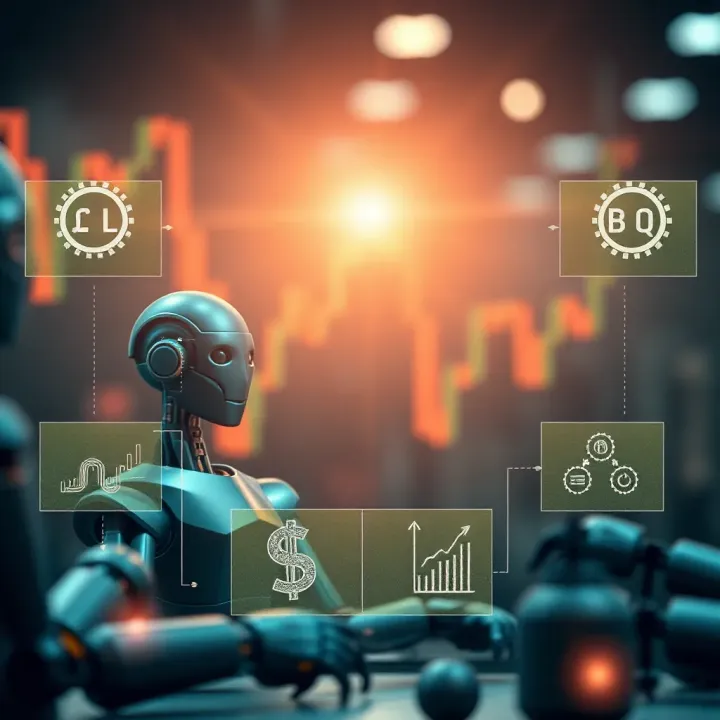
Explore how binary bots work in trading, their benefits, risks, and legal aspects. Get practical tips for choosing the right bot 🤖📈 for your trades.
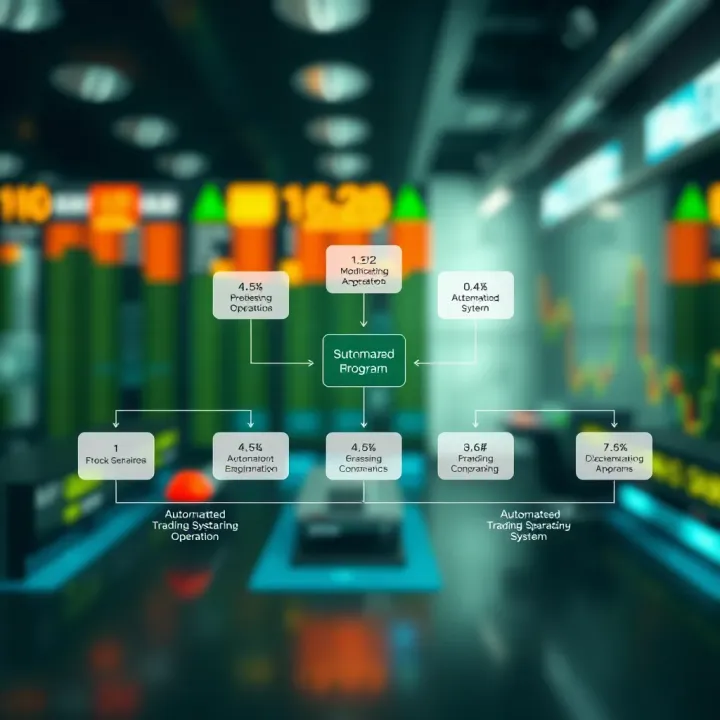
🔍 Explore how automated trading systems work in Nigeria’s market, with benefits, risks, and tips for investors to improve trading efficiency and decisions.
Find the best trading platform in Nigeria! Explore security, costs, types, and regulations to pick the perfect fit for your trading style 📊🇳🇬
Based on 8 reviews