
Guide to TradingView for Nigerian Traders
📈 Master TradingView in Nigeria with this detailed guide! Learn to use charts, access real-time market data, and join a vibrant trading community today.
Edited By
Oliver Grant
Forex trading involves buying and selling currencies to profit from their fluctuating values. For Nigerians keen to grow their ₦ beyond traditional savings, forex offers a viable, though risky, investment path.
The Nigerian forex market presents unique challenges: from naira volatility and exchange restrictions to unreliable internet connections in some areas. Yet, local traders who understand these dynamics and practise discipline can navigate successfully.
Before diving in, you must grasp key terms:
Currency Pair: Two currencies traded together, such as USD/NGN (US dollar vs Nigerian naira).
Pip: The smallest price move in a currency pair.
Leverage: Borrowed funds from brokers to amplify your trade size.
Spread: The difference between buying and selling price.
Many new traders jump in without proper knowledge and lose severely. So, start small and learn how these terms work in real trades.
Mastering forex requires understanding not only global economic events but also local issues like fuel scarcity and power outages that can impact your trading setups.
Practical steps to begin your forex journey in Nigeria include:
Choose Registered Brokers: Stick to brokers regulated by recognised bodies such as the Securities and Exchange Commission (SEC) Nigeria or reputable international regulators.
Open a Demo Account: Simulate trading with virtual money to get comfortable without risking real funds.
Fund Your Account Wisely: Use local payment platforms like Paystack or Flutterwave to top up your trading wallet securely.
Learn Risk Management: Use stop-loss orders and never risk more than 2% of your capital on a single trade.
Platforms popular among Nigerian traders include MetaTrader 4 and 5, OANDA, and local fintech integrations for ease of deposit and withdrawal.
To conclude, forex trading can significantly increase your financial portfolio if approached with patience, education, and caution. Focus on regular learning and adapting to both local and global market trends to trade confidently and responsibly.
Understanding forex trading is essential if you want to succeed in this fast-moving market. Forex, or foreign exchange, is where currencies are bought and sold. For Nigerian traders, grasping how this market works helps avoid costly mistakes and spot opportunities that others might miss.
The forex market is the global marketplace for exchanging national currencies against one another. Unlike the stock market, it operates 24 hours over weekdays and moves based on global economic events, political developments, and market sentiment. For instance, when Nigeria's Central Bank changes the monetary policy rate, those shifts affect the naira's value in forex trading.
Forex trading typically happens in pairs: you buy one currency and sell another simultaneously. This setup means trading revolves around comparisons rather than individual currencies. In practice, if you believe the US dollar will strengthen against the euro, you buy the USD/EUR pair.
Currency pairs are important because they show the relative value of one currency to another. In Nigerian forex trading, pairs like USD/NGN or EUR/USD are closely followed. The first currency in the pair is called the base currency, and the second is the quote currency. So, if USD/NGN moves from 460 to 465, it means the naira has weakened, and more naira is needed to buy one dollar.
Exchange rates are mainly determined by supply and demand factors in the global markets, influenced by economic indicators, interest rates, and geopolitical news. For example, an election season in Nigeria can cause volatility in the naira's exchange rate. Traders must watch these signals closely, as sudden changes can affect their positions.
Start with pip, lot, leverage, and margin. A pip is the smallest price change in a currency pair, often 0.0001 for most pairs. Suppose GBP/USD moves from 1.3000 to 1.3001—that’s a one pip move. A lot refers to the trade size; a standard lot equals 100,000 units of the base currency, but many brokers allow mini or micro lots, which are more affordable for local traders.
Leverage lets you control a large position with a smaller amount of money, but it can magnify losses too. For instance, 50:1 leverage means ₦20,000 controls ₦1,000,000 in the market. Margin is the collateral you must keep to open or maintain a trade, acting like a security deposit.
Spreads represent the difference between the buy (ask) and sell (bid) prices. Brokers offer different spreads: fixed or variable. The smaller the spread, the cheaper it is to trade. But watch out for slippage, which happens when your order executes at a worse price than expected—common during high volatility. Slippage can increase costs if you don’t anticipate it.
Finally, understand the types of orders: market orders execute immediately at the best available price, while limit orders set a specific price at which you want to enter or exit. Also, stop orders trigger trades only when prices hit a certain level, helping manage risk. For example, setting a stop-loss at ₦460 against USD/NGN protects you if the naira weakens unexpectedly.
Knowing these basics keeps you grounded and cuts down unnecessary losses. It’s like understanding the rules before you enter the football pitch; without this, you’re just running round clueless.
This foundational knowledge sets you on the right path to become a confident trader in Nigeria’s forex market.
Starting forex trading in Nigeria means more than just picking a broker and pressing buy or sell. It involves understanding the landscape, selecting a reliable partner, and setting up your account correctly to avoid hiccups later. This section walks you through the key steps to help you trade confidently and avoid pitfalls common to many new Nigerian traders.
Regulation and proper licensing are non-negotiable when choosing a forex broker. SEC Nigeria (Securities and Exchange Commission) oversees Nigerian capital markets, and brokers registered under its watch provide an extra layer of protection. Trading with SEC-licensed brokers reduces the risk of scams since these brokers must follow specific rules on fund safety and transparency. Many popular international brokers don’t have SEC regulation but instead hold licences from bodies like FCA (UK) or ASIC (Australia). Still, Nigerian traders should prioritise brokers recognised by SEC or those with solid reputations to avoid losing funds to unscrupulous operators.
Evaluating brokers goes beyond regulation. Fees, trading platforms, and customer service directly affect your trading experience. For example, some brokers charge high spreads or withdrawal fees which can eat into profits over time. Others offer user-friendly platforms like MetaTrader 4 or proprietary apps but suffer slow execution or frequent downtime. Then there's customer support — timely and effective help really matters when you face technical issues or need clarifications, especially in Nigeria’s time zone. It's wise to read reviews and test a broker’s demo account before committing real money.
Popular brokers accessible to Nigerian traders include XM, FXTM, and HotForex, known for competitive conditions and local payment options. These brokers often support naira deposits via bank transfer or local USSD codes. Choosing brokers familiar with Nigeria's payment ecosystem makes funding and withdrawals smoother, which can be a headache with foreign brokers that rely solely on international wire transfers.
When you open a trading account, you must provide valid identification. Brokers need verification documents like your National Identity Number (NIN) or International Passport, plus proof of address such as a utility bill. This process, known as KYC (Know Your Customer), is vital to prevent fraud and money laundering. Providing accurate documents ensures trouble-free withdrawals and account security.
Minimum deposit amounts vary widely; some brokers require as little as ₦10,000 to start, while others ask for more. Understanding these limits helps plan your trading budget. Also, many brokers allow accounts in both naira and stronger currencies like the US dollar. While trading in dollars might offer greater stability, funding your account in naira is more convenient given local banking constraints.
Funding your account with ease is crucial. Nigerian traders often use USSD codes linked to their bank accounts to fund brokerage accounts instantly without high charges. Local bank transfers are also common and usually free or low cost compared to international cards or wire transfers. For instance, a trader in Lagos might easily fund their XM account using a USSD code provided by the broker’s Nigerian partner bank, avoiding delays and hefty conversion fees.
Setting up right at the start by choosing a well-regulated broker and providing proper documents saves Nigerians plenty of stress later. It keeps your focus on trading, not chasing payments or fighting fraud.
Getting started might sound like a lot, but knocking down these crucial steps well will set you on a path to trade forex practically and confidently within Nigeria’s unique market conditions.
To trade forex profitably in Nigeria, you must develop clear strategies. Without a plan, your chances of consistent gains drop sharply; the market moves fast, and impulsive decisions usually lead to losses. A well-crafted strategy guides you on when to enter or exit trades, helping you manage risks and maximize gains.
Technical analysis using charts and indicators helps you understand past price movements and predict future trends. By studying candlestick patterns, trend lines, and popular indicators like the Moving Average Convergence Divergence (MACD) or Relative Strength Index (RSI), you can spot entry points. For example, if the RSI drops below 30, it could mean the currency pair is oversold and might bounce back soon. Nigerian traders often combine this with observing market sentiment to fine-tune their trades.
Fundamental analysis focused on economic news revolves around studying macroeconomic factors, like Nigeria’s inflation rate, Central Bank of Nigeria (CBN) monetary policies, or geopolitical events. For instance, a drop in Nigeria’s crude oil production can weaken the naira, impacting forex pairs involving NGN currency. Paying attention to economic data releases—say, the annual CBN Monetary Policy Committee announcements—can give traders clues on currency strengths or weaknesses over weeks.
Combining both approaches gives a more balanced view. While technical analysis tells you about price action and trends, fundamental analysis provides context on why those moves happen. For example, if technical charts show a downtrend but fundamental news points to a new economic reform improving Nigeria’s business climate, it might be a signal to hold or buy cautiously. Experienced traders often blend both to avoid being blindsided by sudden market shifts.
Using stop-loss orders effectively protects your capital by automatically closing a trade at a predefined loss limit. Suppose you enter a buy position on USD/NGN at ₦410 and set a stop-loss at ₦405; if the price falls, you limit your loss to ₦5 per unit. This prevents emotional decisions during volatile periods common in Nigerian trading sessions, especially during global news events.
Managing leverage cautiously is vital since leverage can amplify both profits and losses. While brokers may offer leverage ratios as high as 1:500, Nigerian traders should start conservatively—say, 1:10 or 1:20. Keeping leverage low reduces the risk of wiping out your investment quickly, especially given the naira’s occasional volatility and global forex market swings.
Setting realistic profit targets helps avoid greed, a common pitfall. Instead of aiming for huge gains in one trade, set achievable goals like 1–2% per trade on your capital. For example, if you start with ₦100,000, target ₦1,000 to ₦2,000 profit per trade and move on. This steady approach builds your bankroll over time and reduces stress.
Remember, a good strategy combined with strict money management keeps you in the game longer and improves your chance of success in Nigeria’s forex environment.
Developing and refining your trading strategies takes time and discipline, but it’s the foundation every serious trader needs to move from luck to skill.
Choosing the right forex trading platform is a key step for Nigerian traders aiming to succeed. Platforms are more than just software; they connect you to the global forex market and offer tools to analyse, trade, and manage risks effectively. The choice affects how smoothly you execute trades and respond to fast market moves, which can mean the difference between profit and loss.
MetaTrader 4 (MT4) and MetaTrader 5 (MT5) are widely used globally and enjoyed by many Nigerian traders because of their comprehensive features. Both provide advanced charting tools, technical indicators, and automated trading capabilities which help traders spot profitable entry and exit points. MT5 improves on MT4 by supporting more asset classes beyond forex, such as stocks and futures, and offers a richer variety of timeframes and market depth data.
These platforms come with features like Expert Advisors (EAs), allowing you to automate your strategies which can be especially helpful if you want to avoid emotional trading—something many beginners struggle with. Plus, alerts and news feeds keep you updated without needing to leave the app.
On mobile vs desktop, the MT4 and MT5 apps bring much flexibility. Desktop versions offer a more detailed workspace perfect for comprehensive analysis with multiple windows and tools laid out clearly. However, the mobile apps provide convenience for traders on the move, letting you monitor positions, execute trades, and view charts anywhere—vital for Nigerians dealing with erratic power supply or who want to trade during their daily commutes on okada or danfo.
Executing trades on MT4 or MT5 is straightforward. After selecting a currency pair, you decide on the trade size (lot) and choose the order type—market, limit, stop-loss—to control your exposure. The platforms offer one-click trading for quick execution, reducing slippage risk in volatile sessions. This simplicity helps new traders get started fast while giving experienced traders full control.
In recent years, Nigerian tech startups have introduced trading apps that support trading directly with the naira. These platforms reduce the hassle of converting funds to foreign currency, cut down on exchange rate losses, and often allow simpler funding via local banks. For example, apps like Tradevest and Chaka incorporate naira wallets, making transfers seamless and less costly compared to moving funds internationally.
Integration with fintech companies like Paystack and Flutterwave further smoothens the process. Nigerian traders can fund accounts or withdraw earnings using familiar payment methods through USSD codes or mobile wallets without stress. This is a definite edge considering many traders still face challenges with cross-border bank transfers and the naira’s volatility.
Community and educational support have also improved. Platforms now include chatrooms, webinars, and tailored tutorials addressing Nigerian market peculiarities. This fosters peer learning and helps traders build confidence and discipline — vital traits given the volatile nature of forex markets. Such resources act like informal mentorships, making it easier for beginners to avoid common pitfalls.
Selecting a forex platform that suits your trading style and local conditions can boost your chances of success, saving you time and reducing costs on the long run.
In short, Nigerians have more choices than ever, from tried-and-trusted global platforms like MT4/MT5 to innovative homegrown apps with direct naira support. Understanding their features and practical benefits helps you pick the best platform for your trading needs.
Navigating the forex market without falling into common traps is essential, especially for Nigerian traders who face unique challenges like scams and volatile market conditions. This section highlights practical pitfalls and shares tips to help you trade wisely and build lasting skills.
Recognising red flags is your first line of defence in forex trading. Watch out for brokers promising unrealistic returns or pressuring you to invest quickly without clear information. For example, if a broker claims you can double your money inside a week with little risk, that’s a big warning sign. Also, beware unsolicited calls or messages pushing trading products—legitimate firms rarely use aggressive cold-calling tactics.
Checking broker regulation status cannot be overemphasised. Always trade with brokers registered under the Securities and Exchange Commission (SEC) Nigeria or well-known international regulators. An unregulated broker offers no protection if things go wrong, which is a common problem in the Nigerian forex space. Confirm a broker’s licence by visiting SEC Nigeria’s official website or their online register.
Protecting personal and financial data is crucial to prevent identity theft or unauthorised transactions. Use strong, unique passwords for your trading accounts and enable two-factor authentication if available. Never share your Bank Verification Number (BVN) or login details with third parties. Nigerian traders should also be cautious when using public Wi-Fi to access trading platforms, as this increases the risk of data interception.
Keeping a trading journal helps you reflect on every trade you make. Record key details such as entry and exit points, reasons for entering the trade, and the outcome. Over time, this practice reveals patterns in your decisions—both mistakes and successes. For instance, you might find you tend to exit trades too early or hold on despite clear exit signals. With this insight, you improve your strategy step by step.
Avoiding emotional trading remains a major challenge. It's easy to let fear or greed drive decisions, like chasing losses or over-leveraging. Discipline means sticking to your risk management rules regardless of recent wins or losses. For Nigerian traders, this also means resisting pressure from social media hype or unreliable tipster groups. Remember, not every passionate advice or hot tip fits your approach.
Continuous learning through webinars and courses boosts your edge in forex trading. The market evolves, especially with changes in economic policies or global events affecting currency values. Platforms like MetaTrader and local brokers often offer free webinars covering new tools or economic outlooks. Nigerian forex communities and fintech firms such as Paystack or Flutterwave share useful info too. Staying updated helps turn lessons into profitable actions.
Many traders jump into forex excited but falter from neglecting these practical safeguards and habits. Developing awareness and discipline is just as important as understanding charts or strategies.
Taking these points seriously will minimise losses and sharpen your trading skills in Nigeria's dynamic forex market.
📈 Master TradingView in Nigeria with this detailed guide! Learn to use charts, access real-time market data, and join a vibrant trading community today.
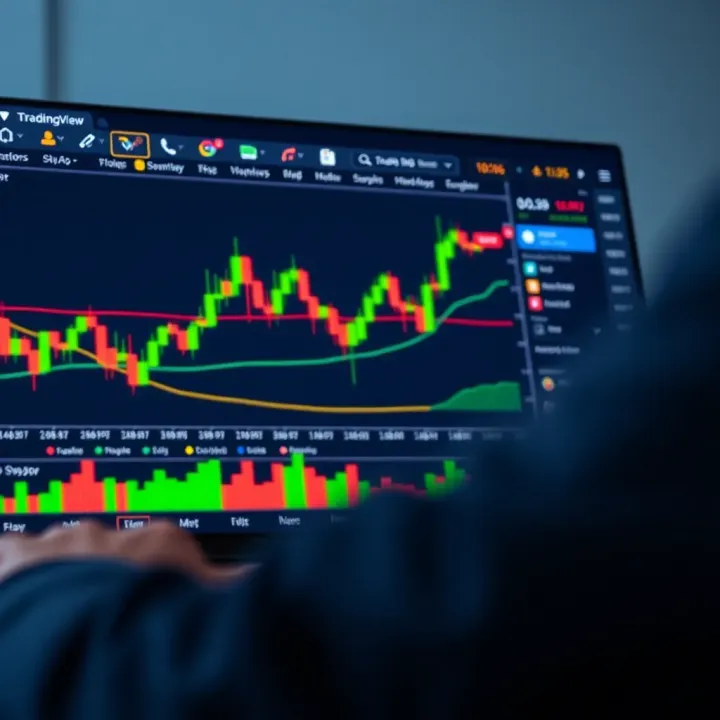
Explore TradingView’s tools, plans, and community tips! Boost your Nigerian trading skills with detailed, practical market insights 📈💡
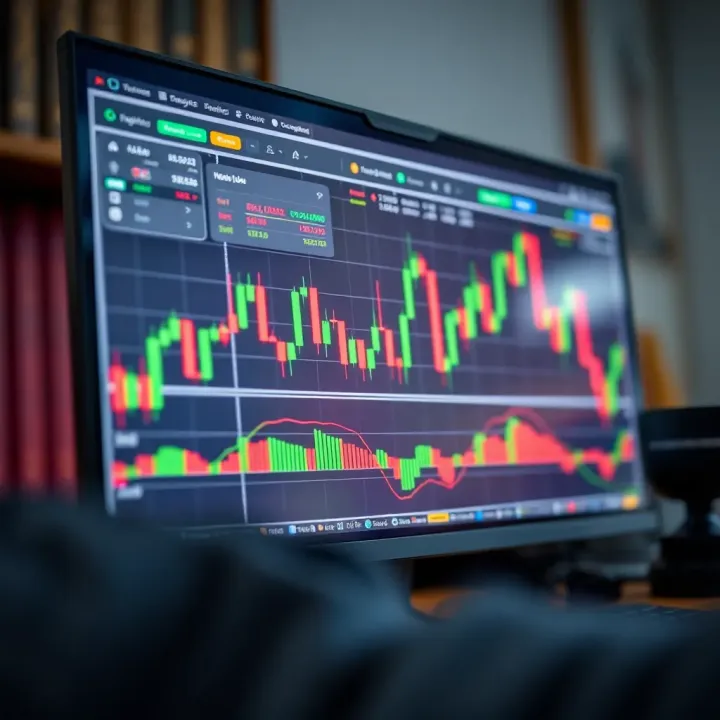
Explore TradingView's powerful charts 📊 and tools tailored for Nigerian traders 🇳🇬. Learn subscription options, community insights, and top tips to succeed!
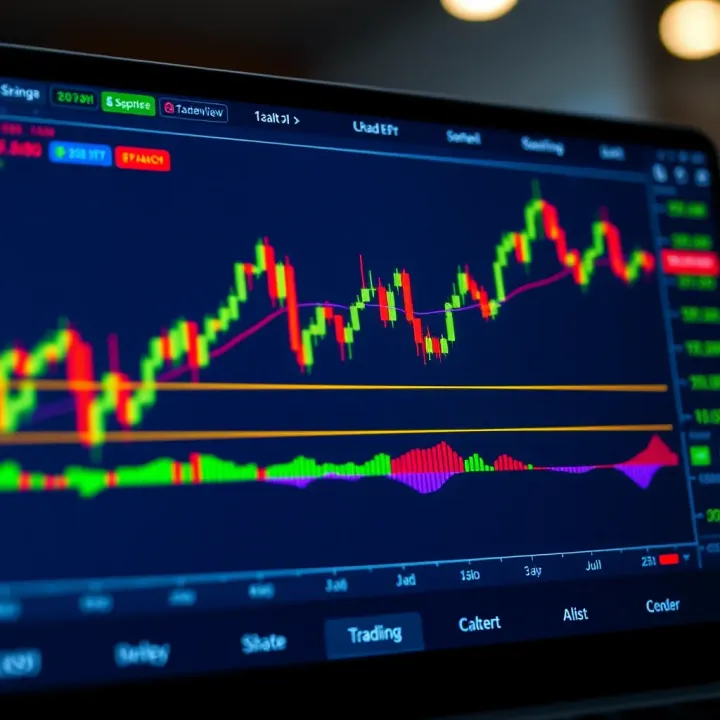
Explore TradingView's features for Nigerian traders 📈. Learn charting, market data access, community connections & plans for improved trading.
Based on 14 reviews