
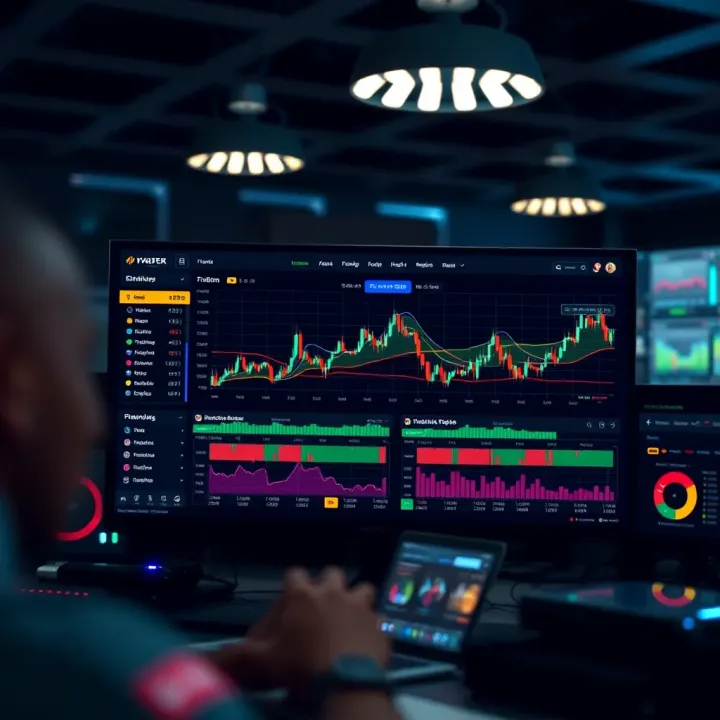
Best Trading Platforms for Nigerian Traders
Discover how Nigerian traders can pick the best global trading platform 🌍 with insights on fees, security, features, and local regulations for smoother trades 📈.
Edited By
Isabella James
Trading has long been a wealth-building path for many, but only a few have reached the top and earned the tag of the richest trader in the world. These individuals stand out not just for their financial success but also for the strategies and markets they mastered. Their stories show that trading isn't about luck but hard work, careful planning, and sometimes taking calculated risks.
From commodities in the global stage to equities in emerging markets, the richest traders operate across a range of sectors. Take for example George Soros, who made billions by speculating on currency movements, or Jim Simons, whose quantitative approach revolutionised how hedge funds trade stocks. These traders did not only build personal fortunes; their actions shifted financial markets globally.
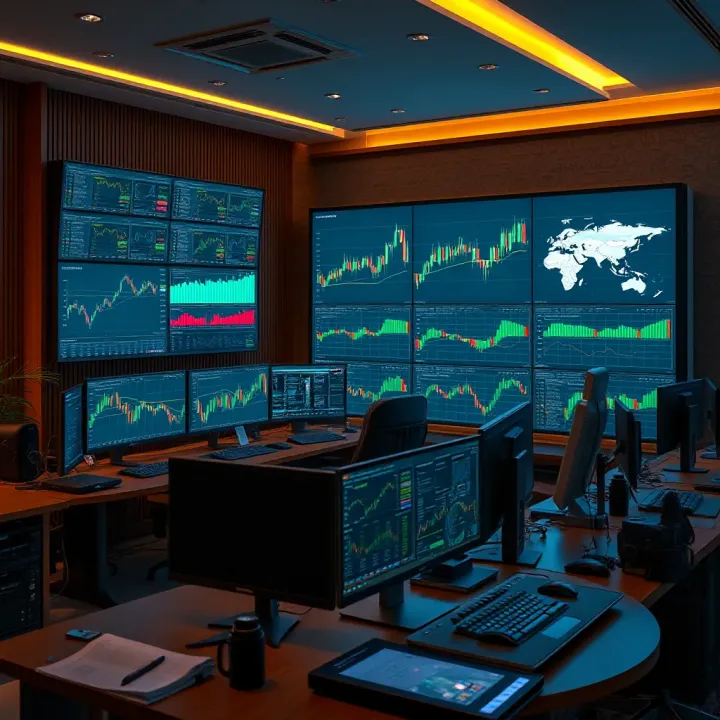
Understanding how these traders made their wealth provides valuable lessons for anyone serious about trading today, whether in Lagos, Abuja, or anywhere else.
In Nigeria, trading might look different with its unique challenges like exchange rate volatility and power supply issues, yet the core principles remain the same. Aspiring traders can learn from these global figures:
Study market trends and global economic factors closely.
Develop a disciplined trading strategy rather than chasing quick gains.
Be ready to adapt to changing market conditions.
Understand risk management thoroughly to protect capital.
This article will explore the paths taken by the world’s wealthiest traders, their preferred markets, and what sets them apart. It will also shed light on the broader impact of trading on the global economy and how you can apply these insights to improve your own trading journey, especially within the Nigerian market context.
By grasping these elements, you can move beyond mere speculation and start trading in a way that steadily builds wealth over time.
Understanding the profiles of the wealthiest traders offers practical insights into how trading can yield extraordinary wealth. These profiles highlight the strategies, market choices, and mindsets that separate the best from the rest. By studying their journeys, traders and investors can grasp what it takes to grow capital in different trading environments.
George Soros is best known for his work with the Quantum Fund, which delivered an average annual return of around 30% for decades. His bold move against the British pound in 1992, where he reportedly made over $1 billion by shorting the currency, exemplifies how understanding macroeconomic factors and timing can yield huge rewards. For traders, Soros’ career teaches the importance of having conviction and the courage to take significant positions when markets present clear imbalances.
Paul Tudor Jones made a name for himself by anticipating the 1987 stock market crash, locking in massive gains while others suffered losses. Well-versed in technical analysis and macroeconomic trends, Jones uses a blend of intuition and disciplined risk management. His success underscores the value of protecting capital during downturns and the power of adaptive strategies that respond to market signals. Nigerian traders could learn much about balancing risk and reward by studying his approach.
Jim Simons, a mathematician turned trader, established Renaissance Technologies, known for its mathematical and algorithmic trading models. The Medallion Fund, managed by Renaissance, has generated some of the highest returns in hedge fund history through data-driven strategies and advanced statistics. This approach highlights how technology and quantitative models can outperform traditional strategies. For Nigerian traders, embracing technology and data analytics can offer an edge in a rapidly evolving market.
In Nigeria, a growing number of traders are gaining traction in forex and commodity markets, fueled by increased internet access and mobile trading platforms like Kuda and OPay. These traders are capitalising on the naira’s volatility and Nigeria's position as a major oil producer. With proper risk management and understanding of global commodity trends, this new wave of traders is carving out significant wealth, showing that success in trading is accessible beyond global centres.
Local market factors – such as naira exchange rate fluctuations, government policies, and infrastructure challenges – heavily influence trading outcomes in Nigeria. Successful traders often adapt global strategies to fit these dynamics, using technology to bypass traditional hurdles like unreliable power supply or slow transactions. A key lesson here is that wealth creation in trading depends not just on strategy, but on tailoring approaches to local realities, which can sharply improve chances of success.
Profiles of top traders serve as more than inspiration; they provide concrete lessons on strategy, risk, and adapting to market conditions that any trader can apply to improve their own performance.
Understanding how traders make their fortunes is key to grasping what sets the richest traders apart. It’s not just about luck; it’s about mastering strategies, knowing the right markets, and managing risks effectively. For Nigerian traders and investors, this knowledge offers practical lessons that can be adapted to local conditions, helping to boost their chances of success.
Speculation plays a vital role in the fortunes of wealthy traders, who often use hedge funds to amplify their gains. Hedge funds pool investors’ money to engage in speculative activities such as short-selling, leveraging, and arbitrage. George Soros’ successful bet against the British pound in 1992 is a classic example, where he speculated based on macroeconomic trends and made over US$1 billion in a single day. For Nigerian traders, this approach teaches the importance of market insight and timing, though replicating such moves requires deep understanding and access to capital.
Hedge funds also diversify across various assets to protect against losses, showing traders why spreading risk is crucial. Even though hedge funds are less accessible to retail traders in Nigeria, understanding their methods provides pointers on strategy and market behaviour.
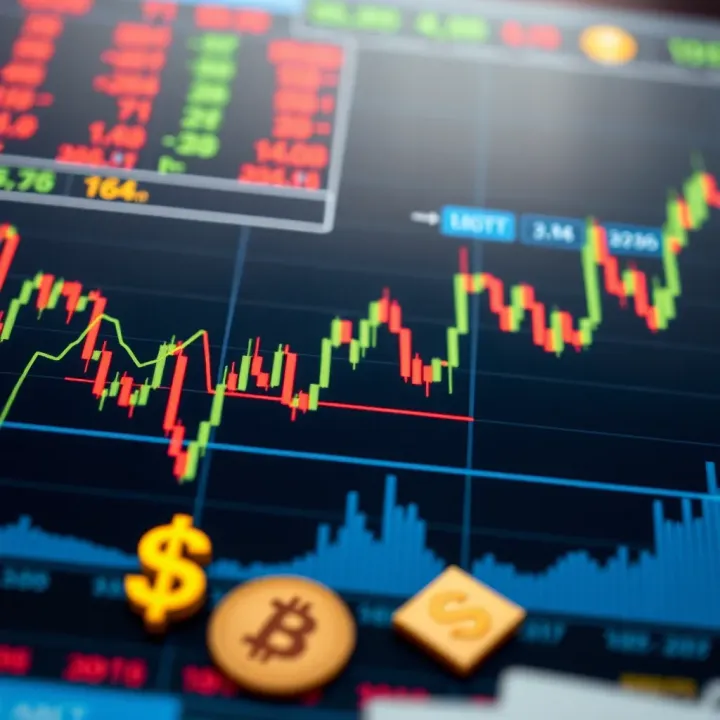
Algorithmic trading uses computer programmes and advanced algorithms to execute trades at speeds and frequencies impossible for humans. Firms like Renaissance Technologies, led by Jim Simons, rely on mathematical models to detect market patterns and make decisions automatically. This use of technology trims reaction times and can exploit tiny price changes across thousands of transactions.
For Nigerian traders, adopting technology—such as trading on platforms with automated features or using data analytics—can enhance efficiency. While developing complex algorithms isn’t yet common locally, accessible tools like MT4 or MT5 platforms, combined with mobile apps from local brokers, allow traders to implement elements of algorithmic strategies practically.
No trader stays at the top without managing risks carefully. Wealthy traders protect their capital by setting stop-loss orders, limiting trade size, and avoiding overleveraging. Paul Tudor Jones, for example, has emphasised cutting losses quickly to stay in the market longer and profit more.
In Nigeria, where market volatility and infrastructural issues add layers of risk, strong risk management is even more essential. Traders who control losses and avoid chasing losses through reckless trading tend to last and grow their capital. This discipline separates successful traders from those who quickly burn out.
The forex market is the largest and most liquid market globally, with daily trading volumes exceeding US$6 trillion. Currency trading offers huge opportunities due to constant market movements influenced by economic data, political events, and central bank policies. Nigerian traders often focus on the naira and major currency pairs like USD/EUR or USD/GBP because fluctuations can create quick profits.
Because the forex market operates 24/5, it suits traders looking for flexibility. However, liquidity varies, so understanding when the market is active is crucial. The naira’s volatility also affects trading strategies for local participants.
Trading commodities such as crude oil, gold, and agricultural products can yield significant returns. Given Nigeria’s economy heavily depends on oil, many traders monitor crude prices closely. Energy markets are sensitive to global events, such as conflicts or supply disruptions, leading to sharp price swings that traders can exploit.
Commodity trading also involves futures contracts, which allow traders to speculate on price movements without owning the physical goods. For Nigerians, commodities offer a chance to tap into both local and international economic trends, but these markets require careful study of supply-demand factors.
Stock markets provide opportunities to invest in company shares, earning returns through price appreciation or dividends. Nigeria’s Nigerian Exchange Group (NGX) lists many companies across sectors, creating space for diverse trading strategies from long-term investing to short-term speculation.
Derivatives like options and futures add another layer, enabling traders to hedge positions or gain exposure with less capital. Globally, derivatives are tools for experienced traders to increase leverage and manage risk. In Nigeria, derivatives are less developed but growing, offering additional avenues for profit as the financial sector matures.
Understanding these trading strategies and markets is essential for any serious trader aiming for sustained success and building substantial wealth in trading.
Learning from international trading experts offers Nigerian traders valuable insights adaptable to local markets. These lessons help traders navigate challenges like currency instability and infrastructure deficits, supporting long-term success and wealth building.
Naira volatility remains a constant challenge in Nigerian trading, often leading to unpredictable gains and losses. Traders who succeed globally typically employ hedging techniques or diversify portfolios to cushion against currency fluctuations. Nigerian traders can adopt similar approaches, such as using forward contracts or options where available, to hedge their positions. For example, a commodity trader dealing in imported goods might secure prices in foreign currency contracts to avoid sudden naira weakness impacting costs.
Furthermore, understanding the Central Bank of Nigeria’s (CBN) policies on foreign exchange supply and intervention mechanisms is crucial. Staying updated enables traders to anticipate market moves and adjust strategies accordingly, preventing hasty decisions triggered by short-term naira swings.
Trading success often depends on speed and reliable access, yet Nigerian traders frequently grapple with inconsistent internet and power supply. Adopting technology-driven solutions like mobile trading apps and cloud-based platforms can reduce reliance on physical infrastructure. Platforms such as Paystack and Flutterwave facilitate secure payments online, reducing transaction delays commonly caused by local banking hiccups.
Additionally, backup power sources and data connections remain vital. Some traders rely on mobile data with multiple network subscriptions to maintain connectivity during outages. Embracing algorithmic trading tools where possible automates decisions, helping reduce losses during unstable periods and offsetting infrastructure hurdles.
Discipline and patience form the backbone of successful trading globally. Nigerian traders often face pressure from fluctuating markets and social expectations to show quick profits, which can lead to rash trades. However, top traders advocate for well-defined trading plans and strict risk control.
Building a routine that includes regular market analysis, clear entry and exit rules, and resistance to impulsive moves sharpens decision-making. For instance, waiting for strong signals before committing capital instead of chasing every market buzz helps preserve funds and grows assets steadily.
Discipline and patience don’t just protect your capital—they shape your mindset to think long-term, which sets apart the richest traders from amateurs.
By adapting strategies to Nigeria’s unique challenges and fostering patient trading habits, local traders improve their chances of consistent profitability and gradually joining the ranks of wealthier traders worldwide.
Trading forms the backbone of the global financial system and shapes economic patterns worldwide. Its impact extends beyond mere buying and selling; trading influences currency stability, commodity prices, and investor confidence. In Nigeria, trading activities power financial sector expansion, introduce foreign investments, and open opportunities for retail investors. Understanding how trading fits into both the global and Nigerian economy helps traders see the bigger picture and tailor their strategies effectively.
Large-scale traders and institutional investors can sway currency values through substantial forex market moves. For example, when a prominent trader bets heavily against the naira or another currency, it can trigger rapid depreciation or appreciation, affecting import costs, inflation, and purchasing power in Nigeria. Such movements ripple through to businesses and consumers, altering everyday expenses like fuel prices and imported goods.
This influence means that traders must carefully monitor global flows and policy changes, as a single large trade or coordinated moves can set off significant volatility. Central banks, including the Central Bank of Nigeria (CBN), often respond to these market signals to stabilise the currency.
Commodities such as crude oil, cocoa, and gold are key to many economies, Nigeria included. Major traders operating in commodities markets affect global prices by taking sizable positions or responding swiftly to geopolitical events. For instance, traders speculating on crude oil futures can cause price swings that impact Nigeria’s petrol subsidies and government revenues.
These price changes affect local producers and consumers directly. A sudden rise in oil prices, driven in part by trading activities, might increase fuel costs nationwide. Conversely, a slump can squeeze government earnings, affecting budgets and public spending.
Trading captures the interest of foreign investors seeking exposure to Nigeria’s growing markets. The rise of forex trading, stocks, and commodities attracts offshore capital, which boosts market liquidity and improves pricing efficiency. For instance, increased foreign participation on the Nigerian Stock Exchange (NGX) supports local businesses by making it easier to raise capital.
Foreign investment also leads to technology inflows and best practices that uplift domestic trading infrastructure. This creates a more attractive environment for both retail and institutional traders within Nigeria.
Nigeria’s fintech boom has propelled retail trading platforms like Bamboo, Chaka, and Trove, which allow everyday Nigerians to trade stocks, currencies, and other assets with ease. This democratization expands market participation beyond traditional elites and institutional investors.
As more Nigerians engage in trading, financial literacy improves, and savings diversify from basic bank accounts to investment portfolios. That said, growing retail trading requires robust regulation and education to prevent scams and risky behaviours.
Trading acts as both a driver and reflection of economic health, influencing currency strength, commodity affordability, and investment flows. For Nigeria, nurturing trading ecosystems supports financial inclusion and economic development while connecting local markets to the global stage.
Traders face several challenges that can significantly affect their profitability and sustainability. Understanding these risks is vital for anyone aiming to succeed in trading, whether in Nigeria or globally. Market fluctuations, regulatory shifts, and infrastructural gaps all play a role in shaping the trading environment today.
Market volatility remains a serious challenge for traders. Sharp and unpredictable price swings in currencies, commodities, or stocks can wipe out substantial profits within short periods. For example, during the 2020 global economic instability triggered by the COVID-19 pandemic, many traders experienced sudden currency devaluations and commodity price spikes. Traders who ventured without solid risk management often faced massive losses.
Economic uncertainties add another layer of complexity. Factors such as inflation rates, central bank policy changes, and geopolitical tensions can skew market trends unexpectedly. In Nigeria, frequent adjustments to the monetary policy rate by the Central Bank of Nigeria (CBN) often impact the naira’s exchange rate, directly influencing forex trading margins. Traders need to remain vigilant, continually analysing macroeconomic indicators and tailoring their strategies to navigate these uncertainties.
The Central Bank of Nigeria plays a vital role in regulating Nigeria's financial markets. Its policies often influence trading activities, especially in forex and commodities. CBN’s restriction on access to certain foreign currencies and the imposition of multiple exchange rates creates challenges for traders seeking smooth forex transactions. For instance, the parallel market rate often diverges significantly from the official rate, complicating pricing and risk assessment. Traders must stay updated on these regulatory changes to avoid operation disruptions or penalties due to non-compliance.
Infrastructure deficits remain a significant hurdle for Nigerian traders. Frequent power outages force many to rely on generators, increasing operational costs and affecting trading efficiency. This issue sometimes delays transaction processing and market analysis, costing traders valuable time during volatile market conditions.
Furthermore, payment systems can be inconsistent. Despite advancements by payment platforms like Paystack and Flutterwave, network downtimes and slow transaction clearing affect liquidity access. Traders often face difficulties in swift fund transfers, affecting their ability to close positions or execute timely trades. To mitigate, many opt for multiple payment channels and maintain buffer liquidity to manage unexpected delays.
Navigating market fluctuations and regulatory landscapes requires traders to not only understand technical analysis but also to anticipate wider economic and policy shifts. Staying informed and adaptable is key in managing the challenges faced in the trading arena.
Discover how Nigerian traders can pick the best global trading platform 🌍 with insights on fees, security, features, and local regulations for smoother trades 📈.
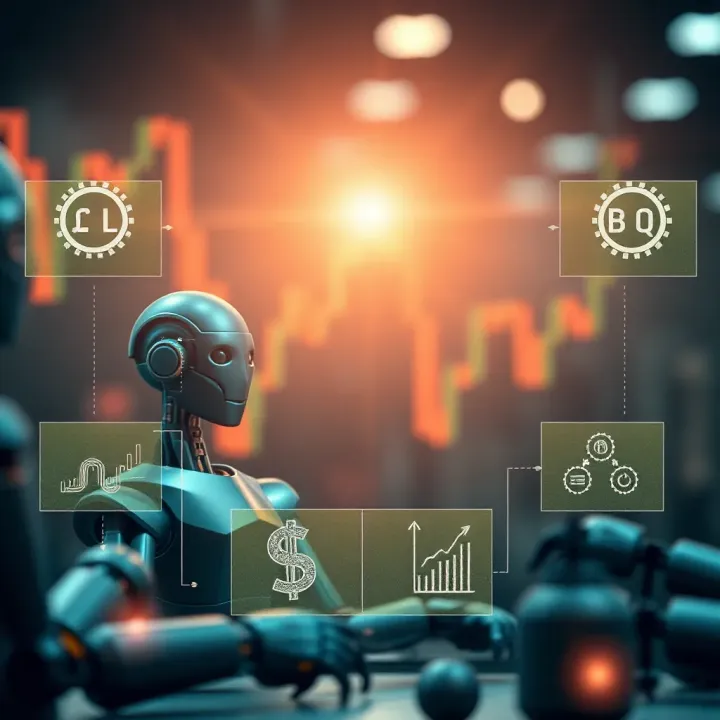
Explore how binary bots work in trading, their benefits, risks, and legal aspects. Get practical tips for choosing the right bot 🤖📈 for your trades.
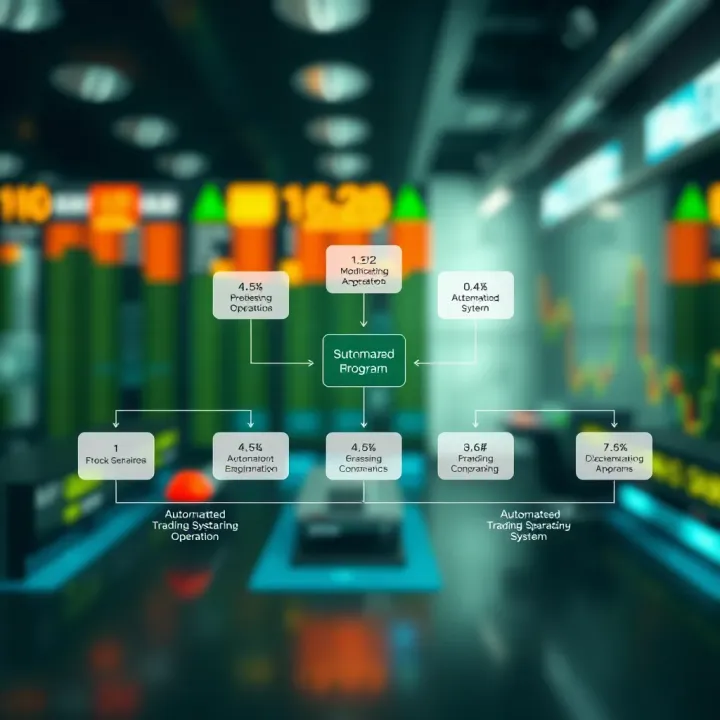
🔍 Explore how automated trading systems work in Nigeria’s market, with benefits, risks, and tips for investors to improve trading efficiency and decisions.
Find the best trading platform in Nigeria! Explore security, costs, types, and regulations to pick the perfect fit for your trading style 📊🇳🇬
Based on 14 reviews