
Best Trading Platforms for Nigerian Traders
Discover how Nigerian traders can pick the best global trading platform 🌍 with insights on fees, security, features, and local regulations for smoother trades 📈.
Edited By
James Holder
Trading wisely in Nigeria's financial markets isn't about luck; it's about understanding the terrain and making informed decisions. The Nigerian market is vibrant but can be unpredictable due to factors like naira fluctuations, government policies, and sector-specific challenges such as power shortages affecting manufacturing stocks.
Smart trading means you balance your desire for returns with the realities of the market risks. For instance, while investing in the NSE’s banking sector might seem profitable given recent fintech innovations by companies like Access Bank and GTBank, you must weigh this against macroeconomic factors like inflation and CBN’s monetary policy rate.
Successful trading starts with a well-researched plan that aligns with your financial goals and risk appetite.
Here are some practical steps Nigerian investors often take to trade smartly:
Keep up with local news and regulations: Regulatory watchdogs like SEC Nigeria actively update market rules, and changes can affect stock prices or trading hours.
Use technology effectively: Platforms such as Meritrade, Chaka, and Bamboo provide real-time data and ease of access. These tools help you track market trends without getting lost in speculation.
Diversify your portfolio: Don't put all your eggs in one basket; spread investments across sectors such as agriculture, banking, and telecommunications to reduce risks.
Understand market timings: The Nigerian Stock Exchange (NGX) operates specific trading hours (usually 9:30 am to 2:30 pm WAT), and knowing when to enter or exit trades is key.
Nigerian markets face some unique challenges—for example, reliance on tokunbo goods can affect consumer sector shares, and generator costs due to erratic power supply impact industrial stocks. Keeping an eye on these local factors gives you an edge.
In essence, being a smart trader here means combining global investment principles with a keen grasp of Nigeria’s distinct financial rhythms. Knowing when to act and when to hold back can protect your portfolio from unnecessary losses while positioning you for sound growth.
Smart trading isn’t just about buying low and selling high; it’s making informed, calculated decisions that balance opportunity and risk. For Nigerian investors, this means recognising the unique features of local markets and adjusting strategies accordingly. Understanding the basics sets a strong foundation, helping traders avoid common pitfalls like emotional reactions or guesswork, which often leads to losses.
Smart trading goes past guesses or relying on hearsay, which sometimes happens in Nigerian markets, especially among new investors. It involves thorough research, understanding market signals, economic trends, and making decisions based on solid data. For example, instead of buying shares of a popular company because friends are talking about it, a smart trader would study the company’s financials, look at market demand, and evaluate risks before committing capital.
Nigeria's financial markets come with distinct traits such as frequent currency fluctuations, liquidity constraints, and regulatory shifts. These peculiarities demand tailored strategies. Take currency risk: the naira often faces volatility against the dollar, which affects imported goods' prices and multinational companies’ shares. Smart traders account for this by hedging their forex exposure or focusing on sectors less affected by naira swings. Also, regulatory announcements by bodies like SEC Nigeria can quickly sway market direction, so staying updated is crucial for timely trading.
The Nigerian Exchange Group (NGX) is the primary platform for equity trading. It lists hundreds of companies across sectors such as banking, telecommunications, and consumer goods. For instance, investing in reputable firms like MTN Nigeria or GTBank offers exposure to some of the largest contributors to Nigeria’s economy. However, market liquidity varies, with top-tier stocks seeing higher trades while smaller firms experience thin volumes, influencing strategy for entry and exit.
Forex trading in Nigeria involves buying and selling foreign currencies, but traders face hurdles like multiple exchange rates, regulatory restrictions, and occasional forex shortages. For example, the divergence between the official Central Bank of Nigeria (CBN) rate and the parallel market rate creates pricing uncertainty. Such inconsistencies can erode profits or inflate losses if not managed carefully. Traders must therefore monitor policy updates closely and consider forex risk when investing internationally or in import-dependent companies.
Commodity trading, including agricultural products like cocoa, cassava, or crude oil, plays a vital role in Nigeria’s economy. Unlike equities or forex, these markets depend heavily on seasonality, weather conditions, and export demand. For instance, a decline in global oil prices can significantly reduce the profitability of Nigeria's crude exports, affecting associated stocks and the economy at large. Smart traders watch these external influences and use futures contracts or options where available to mitigate risks.
Understanding these market essentials helps Nigerian investors build smarter, more resilient trading plans tailored to domestic realities and global linkages.
Effective trading demands well-thought-out strategies that help investors navigate Nigeria's financial markets with confidence and clarity. Without solid strategies, many traders fall prey to impulsive decisions influenced by market noise or emotion. Strategic trading combines analysis, planning, and timing to improve the chances of making profitable moves while managing risk.
Analysing company financials and economic indicators is central to fundamental analysis. Nigerian traders who study company earnings reports, balance sheets, and cash flows gain insight into a business’s health and sustainability. For example, understanding how a consumer goods firm like Nigerian Breweries Plc manages its debt or generates cash helps traders gauge its future performance. Beyond companies, economic data like inflation rates, CBN monetary policies, or oil price trends directly impact sectors such as banking or energy. By reviewing these economic signals, traders can form a well-rounded view that charts alone cannot provide.
Reading charts and price patterns for timing trades involves technical analysis. This practice looks past the company's story to focus on price movements, volume, and trends. Nigerian investors can use chart patterns like head and shoulders, support and resistance lines, or moving averages to decide when to enter or exit trades. For instance, spotting an ascending triangle on the NGX All-Share Index chart might suggest bullish momentum, signalling a buying opportunity. In volatile markets, such as forex trading with naira pairs, identifying price reversal points through candlestick patterns can mean the difference between profit and loss.
Setting realistic goals and risk tolerance is the foundation of every trading plan. Nigerian investors must assess their financial capacity, investment horizon, and emotional readiness to handle losses. A young trader with ₦500,000 savings aiming to grow capital steadily might set a modest target of 10% annual returns, avoiding risky bets on penny stocks. On the other hand, a seasoned trader with a larger portfolio could withstand higher volatility for bigger gains. Defining your risk tolerance upfront prevents impulsive decisions when markets swing unexpectedly.
Determining entry and exit points ensures disciplined trading. Instead of jumping into a stock when it’s already spiking, setting clear levels based on analysis helps maximise returns and limit risks. For example, if buying shares in GTBank, an investor might decide to enter if it dips to ₦25 but exit if it rises above ₦30 or falls below ₦23. This kind of plan avoids chasing prices and encourages sticking with a strategy even amid market noise.
Incorporating market volatility considerations means adapting to Nigeria’s sometimes unpredictable markets. Volatility might spike during political events, fuel scarcity, or global oil price shocks. Smart traders prepare for these periods by adjusting position sizes and tightening stop-loss orders to avoid heavy losses. For instance, during an ember months downturn, conservative traders might reduce open positions or shift investments into more stable assets like government bonds or blue-chip equities. Recognising when to be cautious keeps capital safe through uncertain times.
Smart trading isn’t about guessing the market; it’s about making measured decisions backed by sound analysis and a solid plan tailored to Nigeria’s unique financial landscape.
By combining fundamental insights, technical skills, and a well-structured plan, Nigerian investors can navigate these markets more effectively, balancing opportunities with caution to protect and grow their ₦ capital.
Technology has reshaped how Nigerians participate in financial markets. Leveraging digital platforms and trading tools can boost efficiency, reduce costs, and open up access beyond traditional brokers. For investors keen to stay competitive, understanding the right technology is no longer optional.
Local fintech platforms like Bamboo, Trove, and Chaka have become favourites for retail traders in Nigeria. These platforms allow users to buy shares directly on the Nigerian Exchange Group (NGX) and even invest in US stocks with ease, bypassing some of the usual entry barriers. They provide simple interfaces, low minimum investment thresholds (sometimes as low as ₦5,000), and educational resources tailored for Nigerian investors who might be new to investing.
The convenience of these fintech apps also matters — many of them integrate simple payment options via bank transfers or mobile wallets such as Opay and PalmPay. This localised approach helps tackle the challenge of payment delays and regulatory hurdles that have often deterred potential investors from entering the market.
Integration with international brokerages broadens opportunity for Nigerian investors who want exposure to global markets. Platforms like Interactive Brokers or TD Ameritrade allow Nigerians to access shares in major US companies and other global assets, albeit often with higher minimum funding requirements and more complex regulatory paperwork. Connecting local fintech tools with these international brokerages offers a hybrid pathway, letting traders manage diverse portfolios from their mobile devices.
While international options offer market diversity, investors should weigh currency conversion costs and foreign transaction fees. Proper research and understanding of platform reputations are crucial before moving funds abroad.
Mobile accessibility sits at the core of Nigeria’s trading revolution. With smartphones widespread even in rural areas, trading apps have thrived by offering mobile-first designs. This allows investors to execute trades swiftly without needing desktop setups. However, network reliability and data costs remain limiting factors in some regions.
Cost implications vary widely between platforms. Local apps often charge flat fees or small commissions suitable for everyday Nigerians, while international platforms apply percentage-based fees and withdrawal charges. Traders who frequently buy and sell need to factor these costs into their trading strategies to maximise net returns.
Automated trading uses bots and algorithms to execute trades based on pre-set criteria, without needing manual intervention. For busy traders, automation can help seize market opportunities quickly — for instance, when currency volatility spikes or stock prices hit target levels. These systems monitor multiple markets and pick entry or exit points faster than human traders might.
However, automated tools are not foolproof. They depend on historical data and programmed parameters, which means unexpected events or sudden market shocks can cause losses if the algorithm doesn’t adapt. Nigerian markets, affected by policy changes or naira fluctuations, can sometimes behave unpredictably.
Over-reliance on automated trading carries risks, especially if users disregard active oversight. Even top algorithms require monitoring to adjust risk settings and respond to broader economic news or regulatory shifts. Neglecting this can lead to unnoticed losses piling up. Traders should treat automation as a supplement, not a replacement, for informed decision-making.
Successful trading in Nigeria's markets blends technology with local insight and continuous vigilance. The right platforms and tools empower traders, but smart use demands awareness of their strengths and limitations.
Through careful selection of platforms, cost considerations, and responsible use of automation, Nigerian investors can enhance their trading efficiency while managing the unique challenges of their financial landscape.
Managing risks and safeguarding your capital form the backbone of successful trading. In Nigeria’s financial markets, where volatility and uncertainty are common, protecting your money is as critical as chasing profit. Without a clear approach to risk management, even the most promising investments can turn sour.
Currency fluctuations and naira devaluation pose a significant threat to traders. The naira’s value can change abruptly due to factors like oil price shifts, foreign exchange policies by the Central Bank of Nigeria (CBN), or global market trends. For instance, an investor holding foreign assets may see gains wiped out if the naira weakens sharply against the dollar. Businesses relying on imported inputs also face increased costs, which can affect stock prices. Traders must factor in these currency risks when choosing assets or planning entry and exit points.
Regulatory changes and market manipulation create an unpredictable landscape for investors. Nigeria's Securities and Exchange Commission (SEC) occasionally updates rules or introduces new compliance measures, which can affect trading conditions. Moreover, reports of market manipulation, insider trading, or pump-and-dump schemes have emerged from local markets. These practices distort genuine price movements, leading to losses for unsuspecting investors. Staying informed about regulatory announcements and monitoring suspicious market behaviour helps traders avoid falling victim.
Liquidity and operational risks are common especially in Nigeria’s less active markets. Some stocks or commodities may have low daily trading volumes, making it hard to execute large orders without impacting prices. This illiquidity can trap investors in positions that are difficult to exit quickly. On the operational side, technical failures such as unreliable internet connections or platform downtimes disrupt trading activities. For example, a trader relying on a fintech app during peak hours in Lagos may lose vital opportunities due to network or app glitches.
Diversification strategies remain a straightforward yet effective way to limit risk. Instead of putting all your capital into one stock, sector, or asset class, spread it across multiple options. For example, Nigerian investors might mix holdings in NGX-listed banks, blue-chip consumer goods, and local agricultural commodities. This way, if one sector suffers due to economic or seasonal shifts, the others can cushion losses. Diversification offers a buffer against unpredictable shocks.
Stop-loss orders and position sizing protect traders from devastating losses. A stop-loss automatically sells an asset when its price dips to a predetermined level, preventing deeper losses. This is useful in volatile markets where prices can swing quickly. Position sizing means adjusting the amount you invest in each trade according to your overall portfolio and risk appetite. Say you have ₦500,000 to trade; rather than risking ₦400,000 on a single stock, dividing your capital into smaller chunks reduces the impact if one trade goes wrong.
Monitoring economic indicators closely helps traders anticipate market movements. Key data points like inflation rates, interest rate decisions by the CBN, oil production levels, and GDP growth often influence asset values. For instance, a sudden hike in the Monetary Policy Rate can slow economic activity, reducing stock prices in sensitive sectors. By keeping a tab on these signals, you can adjust your trades promptly—for example, pulling out of high-risk positions during looming inflation spikes.
Managing risks smartly isn’t just about avoiding losses; it’s about making your capital work efficiently amid Nigeria’s challenging market conditions. The goal is to survive downturns while positioning yourself for gains.
Smart risk management ensures your portfolio remains resilient against Nigeria’s market quirks, securing your investments for the long haul.
Navigating the regulatory and tax landscape is essential for anyone trading in Nigeria's financial markets. Knowing the rules not only protects your investment but also helps you avoid penalties that can eat into your profits. For Nigerian traders and investors, understanding the roles of relevant authorities, compliance requirements, and tax obligations can make the difference between success and unwanted legal trouble.
The Securities and Exchange Commission (SEC Nigeria) is the main watchdog that regulates Nigeria’s capital markets. It ensures that market activities are fair, transparent, and free from manipulation. For traders, this means only dealing with investments and brokers that meet SEC’s standards. For example, if you buy shares on the Nigerian Exchange (NGX), you can be sure that SEC oversees the listing and trading process to protect investors from fraud.
Registered brokers and platform operators must comply with SEC regulations to legally offer trading services in Nigeria. They undergo scrutiny before approval, ensuring they have the proper capital, transparent operations, and ethical business practices. As a trader, you should verify that your broker or trading platform is SEC-registered to avoid falling victim to scams. Many reputable operators like Bamboo and Trove adhere to these standards, providing a safer trading environment.
Anti-money laundering (AML) and Know Your Customer (KYC) rules are also critical parts of Nigeria’s regulatory framework. Brokers and platforms require detailed identification from users to prevent illegal activities such as fraud and terrorist financing. This means that when opening an account, you’ll need to submit valid ID, proof of address, and sometimes additional documents. While this might feel like extra work, complying with AML and KYC helps build a healthy financial market and safeguards your trades.
Capital gains tax applies to profits made from selling stocks, bonds, or other investments. In Nigeria, the Federal Inland Revenue Service (FIRS) requires traders to pay CGT on gains above certain thresholds, typically at 10%. For instance, if you sell shares and make a profit of ₦500,000, you’ll owe ₦50,000 in tax. It’s important to keep clear transaction records so you can calculate and report gains accurately.
Filing and compliance can seem daunting, but consistent record-keeping and timely submissions to FIRS prevent costly penalties. Traders should file returns annually and ensure all taxable income, including dividends and capital gains, are declared. Using accounting software or working with tax professionals can simplify this process.
Some investment activities benefit from tax incentives designed to encourage growth in Nigeria’s economy. For example, long-term holdings in government bonds may attract lower tax rates or exemptions. Additionally, investments in sectors prioritised by the government, like agriculture or technology, might qualify for reliefs. Staying informed about these opportunities can improve your net returns and make your trading more tax-efficient.
Staying compliant with Nigeria's regulatory and tax frameworks not only keeps your trading legal but can also enhance your profitability by avoiding fines and making use of available incentives.
By understanding these regulatory and tax considerations, you position yourself as a smart trader, able to navigate Nigeria’s financial markets confidently and responsibly.
Discover how Nigerian traders can pick the best global trading platform 🌍 with insights on fees, security, features, and local regulations for smoother trades 📈.
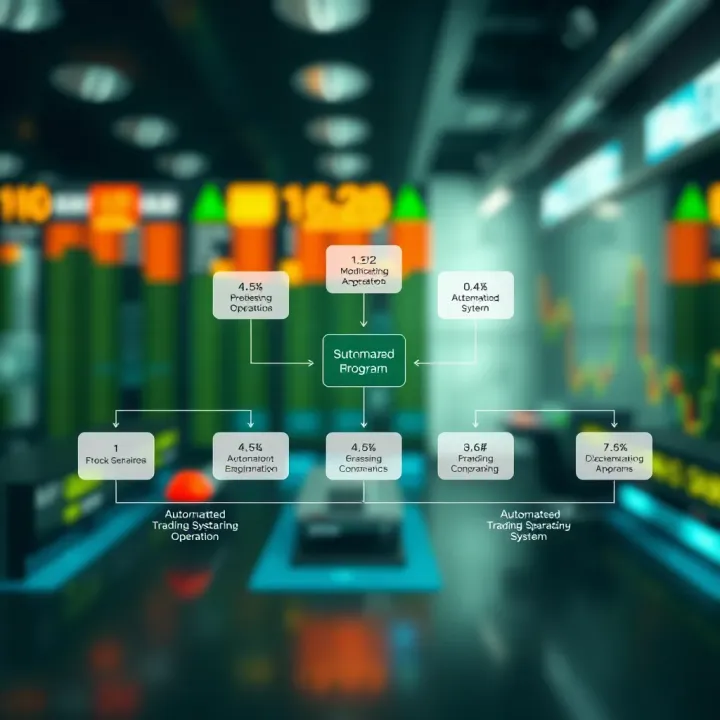
🔍 Explore how automated trading systems work in Nigeria’s market, with benefits, risks, and tips for investors to improve trading efficiency and decisions.
Find the best trading platform in Nigeria! Explore security, costs, types, and regulations to pick the perfect fit for your trading style 📊🇳🇬
📊 Discover how to pick the best online trading platform in Nigeria 🇳🇬. Compare features, fees, security, and user experience to trade confidently.
Based on 10 reviews