
Best Trading Platforms for Nigerian Traders
Discover how Nigerian traders can pick the best global trading platform 🌍 with insights on fees, security, features, and local regulations for smoother trades 📈.
Edited By
Liam Walker
Before throwing real money into the unpredictable world of trading, many Nigerian traders prefer to start with demo trading. This method allows them to practise buying and selling various assets like forex, stocks, or cryptocurrencies using virtual money rather than risking their hard-earned naira. Because the Nigerian market can be quite volatile—thanks to fluctuating exchange rates and occasional economic shocks—demo trading offers a safe ground to build experience without financial loss.
At its core, demo trading simulates the real market environment using live market data, but traders use fake money. This means you get to see how your strategies perform, how market events affect your positions, and how to react in real-time. For example, a Lagos-based trader might try out a strategy on the USD/NGN forex pair to see how they could profit from naira volatility, all while not exposing any actual funds.
Practising with virtual funds gives you the chance to learn mistakes early, understand market behaviour, and develop discipline before committing your capital.
Demo accounts are widely available through Nigerian-friendly trading platforms such as Kuda Trade, Bamboo, or global brokers that serve Nigerian clients. Opening one usually requires just your email and a phone number—no complex paperwork or upfront deposits. This lowers the barrier for many who want to gain a feel for online trading.
To get the best from demo trading, Nigerian traders should treat it as seriously as real trading. This means setting realistic goals, keeping records of trades to review, and not slipping into unrealistic risk-taking just because the money isn't real. Demo trading should also be used to familiarise yourself with platform tools and how to execute different order types like stop-loss and take-profit.
While demo trading doesn’t involve actual money, it builds confidence and hones skills that directly impact how you perform when real naira is on the line. As you advance, you can adjust strategies to fit Nigerian market realities, like managing risks around fuel scarcity that might affect sector stocks or considering the impact of CBN policies on currency pairs.
In this guide, we will explore how to maximise demo trading, common mistakes Nigerian traders often make when transitioning to live trading, and tips tailored to local market conditions. By the end, you'll see why demo trading is more than just a practice exercise—it’s a foundation for smarter, more confident trading.
Understanding what demo trading means is key for Nigerian traders aiming to navigate financial markets without exposing their real capital to risk. Demo trading lets you practise buying and selling assets using virtual money, offering a practical way to learn market operations. Whether you're trying out new strategies or simply familiarising yourself with trading platforms, demo accounts act as training grounds before real money comes into play.
Definition and purpose
Demo trading is a simulation of real trading where no actual funds are at stake. The main goal is to provide a safe environment where traders can develop skills, test strategies, and gain confidence without financial consequences. For example, a beginner in Lagos can use a demo account to understand price charts and test trade timing without risking a single naira.
Types of demo trading accounts
There are mainly two types of demo accounts Nigerian traders encounter: standard and specialised. Standard demo accounts mimic real trading with virtual capital, ideal for general practice. Specialised accounts, on the other hand, focus on specific instruments like forex or commodities, offering tailored conditions for those markets. This diversity allows traders to focus their practice on areas matching their trading ambitions.
Common platforms used in Nigeria
Several trading platforms provide demo accounts popular among Nigerian traders. MetaTrader 4 and MetaTrader 5 dominate forex demo trading, with their user-friendly interfaces and extensive charting tools. For stocks and commodities, platforms like EasyEquities and Trove offer demo options suitable for Nigerian investors interested in the NSE or US markets. Choosing a platform with strong local support and reliability is crucial to mirror real trading conditions closely.
Virtual versus actual capital
In demo trading, the capital used is completely virtual; you’re not risking a penny of your actual funds. This absence of real money means you can afford to make mistakes without loss. However, it also means the stakes and psychological pressure are low compared to real trading where every decision affects your net worth. This is particularly relevant for Nigerian traders managing limited capital and aiming to protect their investments.
Psychological effects of demo trading
Demo trading can’t fully replicate the emotions tied to real profit or loss. The thrill of making a profit or the sting of losing money often impacts decision-making in real markets, but demo accounts don’t evoke these feelings to the same degree. As such, some traders might develop habits without true discipline, which can lead to impulsive trades when real funds are involved.
Limitations of demo accounts
While demo trading is valuable, its limitations must be recognised. Demo accounts often lack real-market issues such as slippage, order execution delays, or liquidity constraints that Nigerian traders may face, especially during volatile naira exchange periods or low-liquidity hours. Consequently, a demo might paint an overly smooth picture, so transitioning to real trading requires adjusting expectations and tactics.
Demo trading is a vital stepping stone — it builds skills without risk but should be seen as preparation rather than a true preview of live trading.
Understanding these aspects helps traders in Nigeria make the most of demo trading while preparing effectively for live market engagement.
Demo trading offers Nigerian traders a unique chance to practise and understand the ins and outs of the market without risking real money. This is especially valuable given Nigeria's economic fluctuations and the naira's volatility against foreign currencies. For traders aiming to build their skills or test new ideas, demo accounts act as training grounds where mistakes don’t cost a naira.
Testing trading strategies is the primary benefit of demo trading. Traders can try different approaches — like swing trading or scalping — to see what works best in live market conditions. For example, someone testing how to trade the NSE (Nigerian Stock Exchange) using technical indicators like moving averages can see results instantly and adjust their strategy accordingly. This flexibility helps traders refine their approach before putting down actual funds.
Next, learning market behaviour happens naturally through demo trading. The Nigerian market has its quirks, such as low liquidity in certain stocks or periods of high volatility during the ember months. By observing price movements and volume changes on a demo account, traders can understand patterns specific to local conditions without worrying about financial loss. This exposure is vital to avoid jumping into trades blindly.

Finally, understanding platform tools and features is crucial for every trader. Nigerian brokers often provide platforms like MetaTrader or proprietary apps with multiple features that can seem overwhelming. Demo accounts help traders get comfortable with order types, stop losses, and charting tools. For instance, knowing how to place a limit order correctly or set up alerts can prevent costly errors when trading live.
Handling naira fluctuations is a challenge for many Nigerian traders. The naira’s exchange rate can shift significantly within days, impacting asset values and trading costs. Demo trading allows you to simulate trades under different currency scenarios, building resilience to sudden market swings. You might practise hedging strategies or timing your trades to avoid peak volatility.
Moreover, applying knowledge to real scenarios becomes easier through demo trading. When market news, such as CBN’s monetary policy adjustments or NSE announcements, influences prices, traders who have rehearsed similar scenarios on demo platforms act more decisively. This readiness gives them an edge over those learning on the go.
Lastly, demo trading helps in reducing emotional trading mistakes. Nigerian markets can be unpredictable, causing many to act hastily or out of fear. Using a demo account, traders experience the pressure of decision-making without real financial consequences, helping them develop patience and discipline. These traits are key to managing impulsive trades and preserving capital once they switch to real money.
Practising with virtual money equips Nigerian traders to face real market challenges confidently and thoughtfully, reducing avoidable losses and improving overall success.
In summary, demo trading offers a practical, risk-free environment to sharpen your skills, learn the market’s pulse, and build confidence against Nigeria’s economic shifts. It sets a solid foundation before you commit your hard-earned naira.
Mastering demo trading requires more than just opening an account; it demands deliberate practice and thoughtful preparation. This section explores how Nigerian traders can get the most out of demo trading with practical steps—from picking the right platform to simulating real trading conditions.
Choosing the right platform for Nigerian traders is crucial to an effective demo experience. Many platforms, such as MTN’s virtual trading service or local brokers offering demo accounts, cater specifically to Nigerian market dynamics, including naira volatility and NSE/NGX equities. Selecting a platform that supports Nigerian assets and provides reliable market data helps align your practice with actual trading scenarios. For instance, using an international platform without Nigerian market access could hinder learning relevant price movements.
Configuring settings to reflect real conditions means tailoring the demo account’s parameters to mimic live markets. Adjust your account to use typical leverage, order types, and trading hours matching the Nigerian Stock Exchange or foreign exchange sessions you intend to trade. For example, if you usually trade FX pairs involving naira, adjust spreads and execution speeds accordingly. This approach avoids developing strategies that fail when shifted to real conditions with slippage or latency.
Allocating demo capital thoughtfully involves setting a virtual balance close to the amount you plan to invest live. If you think of starting with ₦100,000 in real capital, allocate the same or slightly more in your demo. This keeps your risk management realistic and prevents overtrading with unrealistically large sums. It’s a common mistake for traders to treat demo funds like free money, which collapses discipline and creates a false sense of confidence.
Simulating order types and timing is an essential step. Use your demo to place different types of orders — market, limit, stop-loss — and observe how timings affect fills and prices. For example, learning to place a stop-loss properly during the Nigerian market’s lunch break or managing orders around global market openings can sharpen your timing skills. This will help you avoid common pitfalls like execution delays or slippage.
Testing risk management rules in your demo account allows you to practise controlling losses and protecting profits. Stick to fixed percentage limits on any one trade, just as you would with real money. For instance, if you decide not to risk more than 2% of your investment per trade, enforce this rule strictly on your demo. This builds the habit of disciplined trading, essential for surviving Nigeria’s volatile market influenced by naira fluctuations and economic news.
Recording and analysing trades is where learning deepens. Keep a trade journal detailing your entry and exit points, strategy rationale, and emotional state. This can be as simple as an Excel sheet or a dedicated app. Over time, review patterns — which strategies worked, where losses clustered, and what emotional mistakes crept in. This feedback loop helps you refine your approach and prepares you better for real trading challenges.
Practising demo trading with intention turns virtual experience into a valuable training ground. Nigerian traders who take time to set realistic conditions and review performance will find their transition to live markets much smoother and less costly.
Trade practice on demo accounts is a great way for Nigerian traders to learn, but certain common mistakes can spoil its value. Knowing these pitfalls helps avoid false impressions and prepares you better for live markets.
Treating virtual money like free money often leads traders to take unnecessary risks on demo accounts. Since no real money is at stake, it’s tempting to ignore proper risk management. For instance, a trader might open several high-leverage positions on Lagos Stock Exchange shares within minutes, thinking losses don’t matter. This behaviour contradicts real trading, where losing ₦50,000 naira affects capital and emotions. You lose the chance to build serious confidence and discipline.
Failing to simulate pressure of real losses means you miss part of trading psychology. Real-life trading comes with stress, especially when the naira weakens rapidly or unexpected news hits markets. On demo accounts, profit and losses are just numbers on screen, so your brain might not react honestly. This gap can lead to poor decisions when you move to real trading, as the pressure of real dinheiro simply doesn’t register during practice sessions.
Many traders jump to live trading too early after repeated demo wins. It’s easy to get carried away by virtual gains and think you’re ready for the market proper. But real trading involves dealing with unexpected factors like sudden price gaps or liquidity problems, which aren’t always reflected in virtual accounts. Starting with small amounts, like ₦10,000 or ₦20,000, helps prevent big mistakes until you fully grasp those nuances.
Underestimating real market factors is another risk. Demo trading platforms usually don’t factor in market sentiments, geopolitical news, or central bank policy shifts that influence Nigerian markets heavily. For example, when CBN announces changes to interest rate policy, markets react sharply. Ignoring these dynamics during demo trading leaves traders unprepared to handle real-world volatility.
Demo conditions vs real market slippage can mislead traders about order execution. On demo accounts, trades often fill instantly at expected prices. In real markets, delays or low liquidity—common in Nigerian equities or forex trading during off-peak hours—cause slippage, where execution price differs from expected price. This can affect profitability significantly.
Execution speed differences also matter. Demo platforms generally provide quicker trade executions since they don’t route orders through real exchanges immediately. In Nigeria’s busy trading environments, real order execution might slow down during high volatility, especially for retail traders using less advanced platforms. This discrepancy means you must be cautious when moving from demo to live to avoid surprises.
Remember, demo trading is a training ground, not a mirror of real trading. Avoiding these mistakes helps you build solid trading habits and minimize shocks when actual money is on the line.
Moving from demo trading to real trading is a critical step for Nigerian traders. This phase tests whether skills honed with virtual money can withstand the pressure and unpredictability of real markets. It is not just about applying strategies but about preparing mentally and financially to face actual risks, especially with the naira’s frequent volatility.
One clear sign you're ready to trade with real money is consistent success on your demo account. If you can repeatedly profit in various market conditions while managing losses effectively, that suggests you understand market behaviour reasonably well. You should also be able to stick to your trading plan without letting emotions interfere, which is often harder in practice.
Tracking your trades over time helps. For example, if you've tested a risk management rule and found it protects your capital during demo sessions, it might hold in real trading. However, it's wise to test this with small amounts first, as real money introduces pressures demo trading cannot simulate.
It’s essential to know that success in demo trading doesn’t guarantee the same in live markets. Real trading comes with emotional challenges – fear and greed can sway decisions, even when you have a solid strategy. Remember, demo accounts use virtual funds, so losing doesn’t hurt.
Nigerian traders should expect that it takes time to adapt. Losses are part of the learning curve, and it’s common to experience drawdowns. Setting modest goals, like aiming for small daily gains or preserving your capital, helps maintain discipline and avoids chasing unrealistic profits.
Begin live trading with a small investment. This mitigates the impact of initial mistakes and helps you get used to the emotional aspect of risking real money. If, for instance, you start with ₦10,000 instead of your full planned trading capital, you can observe how you react to wins and losses without overwhelming stress.
This approach also lets you refine your strategy against live market conditions like slippage and execution delays, which demo platforms may not fully replicate.
Emotional resilience separates successful real traders from those who fail. Knowing that loss is natural prevents panic selling or reckless trading. Regularly reviewing your trades and taking breaks during volatile periods can help maintain balance.
Many Nigerian traders find journalling trades useful. Writing down feelings and reactions during trades helps identify emotional triggers and develop strategies to control impulses.
Real trading demands both skill and emotional control—preparing mentally is as important as preparing financially.
Demo trading is a foundation, but real market conditions evolve. Keep updating your knowledge about economic factors affecting the naira, such as Central Bank policies or foreign exchange pressures. Adjust your trading plan accordingly.
Also, remain humble. Even experienced traders make mistakes. Engaging with communities, reading market reports, and reviewing your trades regularly helps sharpen your skills and avoid repeating errors.
In summary, transitioning smoothly involves recognising your readiness, managing expectations, starting cautiously, handling emotions well, and staying open to continuous learning. This practical approach raises your chances of success in Nigeria’s sometimes tricky trading environment.
Discover how Nigerian traders can pick the best global trading platform 🌍 with insights on fees, security, features, and local regulations for smoother trades 📈.
🔍 Learn how to pick the best binary brokers in Nigeria, understand risks, and trade wisely in binary options with our detailed guide for traders. 💼💡

Explore how binary bots work in trading, their benefits, risks, and legal aspects. Get practical tips for choosing the right bot 🤖📈 for your trades.
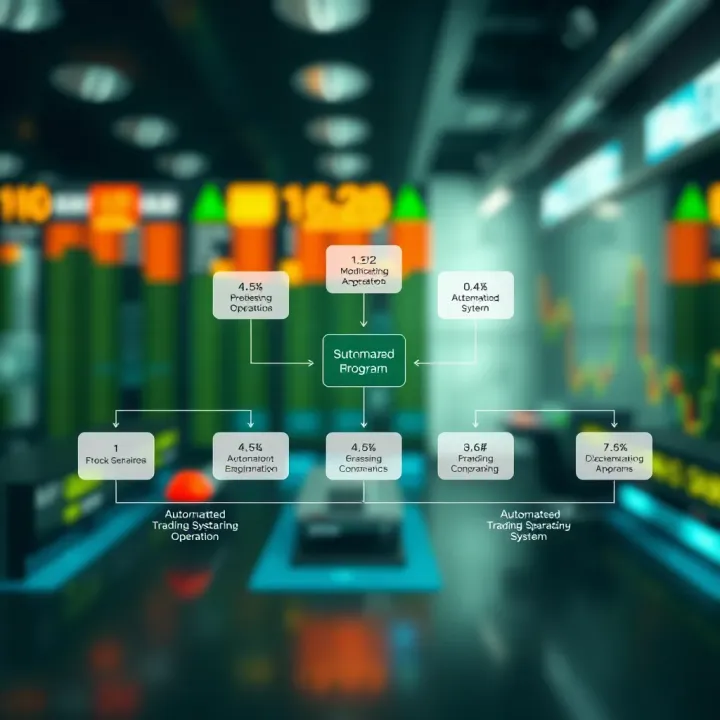
🔍 Explore how automated trading systems work in Nigeria’s market, with benefits, risks, and tips for investors to improve trading efficiency and decisions.
Based on 12 reviews