
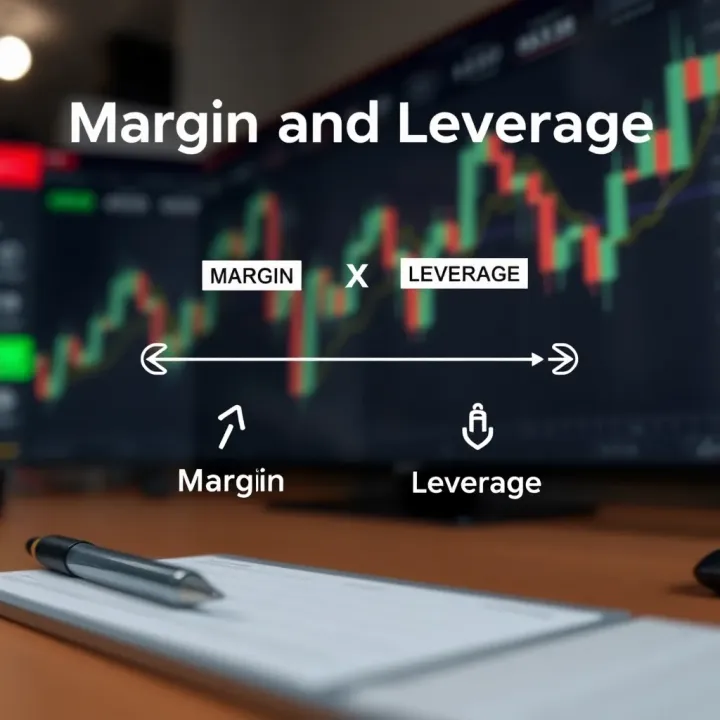
Understanding Margin in Forex Trading
📊 Discover how margin works in forex trading, understand leverage and risk management to make smarter trading decisions. Stay informed and in control!
Edited By
Liam Walker
Margin is the amount of money a forex trader must set aside to open and maintain a position. Instead of paying the full trade value upfront, margin lets you control larger positions by putting down a fraction of the total cost. This is quite common in forex because currency pairs move in small increments, so traders aim to gain from small price changes while using less capital.
Consider this: if you want to buy $10,000 worth of USD/NGN, your broker might require a margin of 2%, meaning you'd need to deposit ₦20,000 to control that $10,000 position. The rest you effectively borrow from the broker. This concept is closely linked to leverage, which is the ratio of your total exposure to your margin.
Margin works like a security deposit that shows the broker you have enough funds to cover potential losses.
In Nigeria, most brokers offer leverage ratios from 10:1 to 100:1 or even higher. At 100:1 leverage, ₦10,000 margin controls ₦1,000,000 worth of currency. While this amplifies gains, it also increases your exposure to losses.
Managing margin well is key in Nigeria's volatile forex market, especially considering naira’s fluctuations and economic uncertainties. Failure to maintain the required margin can trigger a margin call, where your broker demands additional funds to keep positions open. If the call isn’t met, your positions may be closed automatically, crystallising losses.
Set stop-loss orders to limit downside risks.
Avoid maxing out your leverage; use conservative ratios.
Regularly monitor your account balance versus margin used.
Keep some buffer funds to respond to margin calls quickly.
Understanding margin isn’t just about risking less; it’s about trading smarter. For Nigerian traders, mastering margin means stretching limited capital without falling into the pitfalls of overleverage.
With margin, you’re not just buying currency — you’re borrowing and managing risk side by side. Maintain discipline and keep your eyes on both margin requirements and price movements to protect your ₦ investments effectively.
Understanding margin is key for anyone looking to trade forex confidently. Margin is the amount of money a trader must set aside as collateral to open and maintain a trading position. It is not the cost of the trade but rather a security deposit that enables you to control a larger position with smaller capital outlay.
Margin acts like a performance bond in forex trading, ensuring you have a vested interest in your trades. For instance, if you want to buy $100,000 worth of euros but only have ₦500,000 (about $1,200), the broker requires just a fraction of that amount as margin — say 1%, which is ₦5,000. This way, you're not stretching your funds too thin but can still participate in a bigger trade. The rest of the funds are essentially a loan from your broker.
The required margin varies depending on the broker, currency pairs, and leverage offered. Traders must always be aware of the margin requirement because failing to maintain the required margin might result in a margin call or forced liquidation of your positions.
Leverage and margin go hand in hand. Leverage allows you to amplify your buying power, while margin is what makes leverage possible. Think of leverage as a multiple — with a 100:1 leverage ratio, for every ₦1 you put down as margin, you can control ₦100 in forex positions.
For example, if a Nigerian trader has ₦100,000 in their trading account and uses 50:1 leverage, they can effectively trade up to ₦5 million worth of currency. This magnifies both potential profits and losses, so understanding how margin supports this is critical.
Margin lets traders in Nigeria access the forex market with less upfront capital but demands careful monitoring to avoid costly losses.
It’s also useful to know that margin requirements differ across currency pairs and brokers, sometimes influenced by Nigerian regulations or broker policies. Leveraging too high without understanding margin can lead quickly to margin calls, where the broker asks for extra funds or closes positions to protect itself.
Setting your margin and leverage right according to your risk appetite is vital for keeping your trading experience sustainable and rewarding.
In summary, margin is the foundation that lets your small capital work on a bigger scale in forex, while leverage is the tool that extends your reach. Both must be handled with care, since the swings in the forex market can jerk your trades in either direction rapidly.
Understanding these basics prepares you to calculate risks better and adjust your strategies to fit both the market and your financial limits.
Understanding how margin operates practically is essential for any trader serious about forex. Margin doesn’t mean you’re borrowing the entire amount of your trade; instead, it’s the collateral you put up to open and maintain trading positions using leverage. This allows you control of a larger position without needing the full cash upfront.
Required margin depends on the size of your position, the leverage your broker offers, and the currency pair you are trading. It’s calculated using this simple formula:
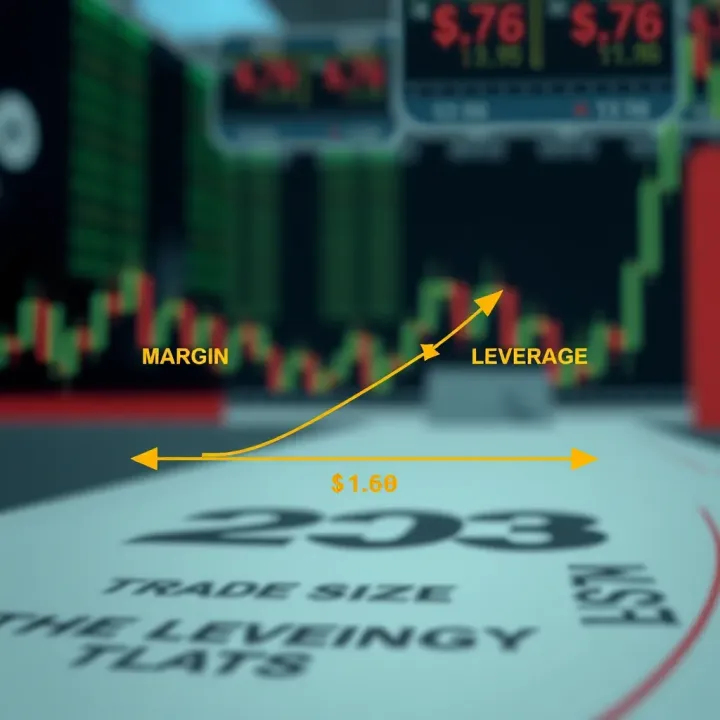
Required Margin = (Trade Size / Leverage Ratio) × Price of the Currency Pair
For instance, if you're trading a standard lot of 100,000 units of USD/NGN at a leverage of 50:1, and the pair price is ₦450, your required margin is:
(100,000 / 50) × 450 = ₦900,000
This ₦900,000 is what your broker blocks as security for this open position. Knowing this helps manage your capital better so you don’t overexpose yourself.
Leverage ratios amplify your market exposure relative to your invested capital. A leverage of 100:1 means you control ₦100 in the market for every ₦1 in margin. Nigerian brokers often offer leverage between 50:1 to 200:1, but higher leverage raises risk levels.
Leverage can increase profits but also magnify losses beyond your initial deposit, which is why setting appropriate leverage is crucial. It’s wise to start with lower leverage and increase only as you gain experience and confidence.
Consider Chinedu, a Lagos-based trader with ₦500,000 capital, interested in trading EUR/USD. If his broker offers 100:1 leverage, he can control up to ₦50 million worth of EUR/USD, given the current exchange rate. But if EUR/USD slips against him, losses multiply fast beyond his ₦500,000.
Alternatively, Ada from Abuja trades USD/NGN with 50:1 leverage. When naira fluctuates due to fuel scarcity or political events, she must monitor her margin closely because sudden moves could trigger margin calls.
Practical knowledge of how margin works means avoiding careless risk. Nigerian traders should focus on margin calculations and leverage to protect their capital from steep market swings.
In summary, knowing how to calculate required margin, understanding leverage’s influence, and considering local market conditions place traders in a better position. This lets them use margin smartly rather than exposing themselves to unnecessary financial shocks.
Trading on margin lets you control bigger positions with a small amount of your capital upfront. This approach can boost your profits but also increases the risks, especially in forex trading where currency pairs can be quite volatile. For Nigerian traders, understanding these benefits and risks is essential to avoid unnecessary losses and make informed decisions.
Margin trading allows you to amplify your buying power. Instead of needing the full ₦500,000 to buy a currency position, you might only need ₦50,000 with a 10:1 leverage. This means you can open larger trades and potentially earn bigger returns if the market moves in your favour.
Using margin also enhances flexibility in your portfolio. You can diversify across several currency pairs without having to commit large amounts of capital to each trade. This is especially helpful during the ember months when the naira experiences more fluctuations, and it becomes critical to spread risks.
Besides, margin enables faster trade execution and responsiveness. Instead of waiting to accumulate full funds, you can react to market news or central bank decisions promptly, which is crucial given how quickly forex prices can swing after such announcements.
A margin call happens when your account’s equity falls below the broker’s maintenance margin. In simple terms, if your trade moves against you and your collateral drops too low, your broker will ask for more funds or automatically close some positions to prevent further losses.
If nothing is done, the stop-out level may be reached, forcing the broker to close trades without your input, locking in losses. This can happen fast during sharp market moves, so Nigerian traders must watch their margin levels carefully, especially when naira volatility spikes.
Forex prices can jump or drop suddenly due to geopolitical events, economic data releases, or changes in CBN policy. High volatility can cause swift margin depletion, triggering margin calls within minutes.
For example, if the naira unexpectedly weakens against the dollar during fuel subsidy debates or election periods, traders using high leverage risk losing much of their margin in a short time. Thus, understanding how market conditions affect your margin is vital for protecting your investment.
One practical way to control risk on margin trades is setting stop-loss orders. These automatically close your position at a pre-set price, limiting potential losses. In Nigeria, where power outages and internet disruptions occur, automated stop-loss helps ensure you don’t lose more than you planned, even if you can’t monitor trades constantly.
Stop-loss orders help maintain discipline, preventing emotional decisions that often arise when markets move against you. By setting reasonable stop-loss levels based on your risk tolerance and market analysis, you safeguard your margin and avoid sudden wipeouts.
Trading on margin can expand your earning potential but demands strict risk management, especially in Nigeria’s fast-moving forex scene. Keep an eye on margin levels, respect leverage limits, and use stop-loss orders to balance benefits with risks effectively.
Understanding margin requirements and regulatory frameworks is essential for forex traders in Nigeria. These rules ensure the market remains fair and protects traders from excessive risks, while also guiding brokers on how to offer margin trading responsibly. Without clear regulations, traders could suffer heavy losses due to unregulated leverage or unethical broker practices.
The Central Bank of Nigeria (CBN) plays a significant role in setting the framework that governs margin trading in the country. While Nigeria currently does not have specific laws targeting forex margin rules like some other jurisdictions, the CBN regulates the broader foreign exchange market and sets policies impacting leverage and margin indirectly.
For example, the CBN restricts the maximum allowable leverage for retail forex trading to help shield inexperienced traders from harsh volatility. Brokers authorised to operate within Nigeria must comply with these leverage limits, typically capped at 50:1 or less. This means if you want to open a position worth ₦5 million, your minimum margin must be at least ₦100,000, depending on the leverage ratio.
Traders should also be aware that the Nigerian financial environment is subject to periodic policy shifts, especially concerning foreign currency controls. The CBN's interventions in the forex market can affect liquidity and leverage availability, which in turn impacts margin calls and stop-outs. Staying updated with CBN circulars and announcements is important to trade wisely under changing conditions.
Selecting a reputable forex broker is critical when trading on margin in Nigeria. Not all brokers offering margin trading operate under Nigerian regulations. Those regulated by the Securities and Exchange Commission (SEC) Nigeria provide a higher level of trust because they adhere to local standards on client fund protection, margin call policies, and transparent pricing.
Consider brokers with clear disclosure of margin requirements and leverage limits on their platforms. Examples like FXTM and OctaFX have established presence in Nigeria and offer compliance with global and local rules. Using brokers registered with SEC Nigeria reduces the risk of fraudulent schemes that promise unrealistically high leverage without proper safeguards.
A reliable broker should also provide tools to monitor your margin levels actively, send alerts on margin calls, and offer risk management features like stop-loss orders. Take time to compare brokers’ terms, customer reviews, and regulatory status before committing your funds.
Nigeria's dynamic forex scene demands vigilance — knowing how CBN regulations shape margin trading and choosing brokers wisely can save your investment from unforeseen pitfalls.
In summary, margin requirements in Nigeria are influenced by both regulatory policies and broker practices. Traders benefit when they understand the limits imposed by CBN and prioritise brokers that are transparent and compliant. This approach helps manage risk, protect capital, and improve chances of success in Nigeria's forex market.
Managing margin well is key to surviving and thriving in forex trading, especially in Nigeria's fast-moving market. Without effective strategies, traders risk exposing their capital to heavy losses due to leverage. This section offers practical advice on controlling margin to protect your investment and sustain profitability.
One of the first steps in managing margin is choosing leverage levels that suit your trading style and risk tolerance. While brokers may offer leverage as high as 1:500, opting for such high ratios without experience can be reckless. For Nigerian traders, especially beginners, starting with leverage between 1:10 and 1:50 is more sensible. This balance lets you amplify gains without magnifying losses beyond control.
For example, if you have ₦100,000 in your trading account, applying 1:50 leverage means you can control positions worth ₦5 million. However, a sudden market swing could wipe out your initial ₦100,000 quickly if not monitored closely. Setting realistic leverage prevents such rapid losses and sets a steady pace to grow your trading capital.
Keeping an eye on your margin level is a daily habit every trader should adopt. Margin level indicates the health of your trading account by comparing your equity to used margin. Most platforms show this as a percentage. Falling below a critical threshold—often 100%—triggers margin calls or automatic position closures.
In the Nigerian context, where market volatility can spike due to local economic news or naira exchange rate movements, monitoring prevents nasty surprises. For instance, a trader might open multiple positions thinking the market is stable but later finds margin levels dangerously low due to unexpected fuel subsidy changes affecting the naira.
Routine checks help you take early action: closing unprofitable trades, reducing position sizes, or adding funds to meet margin requirements, maintaining your trading stamina.
Several forex brokers operating in Nigeria equip their platforms with tools designed to manage margin risk efficiently. Stop-loss orders are essential. They limit potential losses by automatically exiting a trade once a price hits your set point. This prevents deep margin erosion when the market turns against you.
Other tools like take-profit orders lock in gains without having to monitor the market continuously. Nigerian traders can also use 'trailing stops' which adjust the stop-loss level as the market moves favourably, preserving profits while allowing room for growth.
Platforms such as GTBank's forex offerings, as well as international brokers serving Nigerian clients like OctaFX and FXTM, offer these features. Plus, some provide alerts via email or SMS when margin levels fall below set limits, giving timely warnings to act quickly.
Consistent use of these risk management tools combined with attentive margin monitoring builds discipline, reduces emotional trading, and protects your ₦ investment from the many twists in Nigeria's forex market.
Applying these tips steadily builds your margin confidence and shields your trading account from unpredictable swings. Remember, mastering margin is about controlling risk, not eliminating it—so trade smart, stay alert, and adapt your strategies regularly.
📊 Discover how margin works in forex trading, understand leverage and risk management to make smarter trading decisions. Stay informed and in control!
Learn how Nigerians engage in online forex trading 🇳🇬, avoid scams, pick reliable platforms, and apply practical strategies to trade foreign currencies securely 📈💹.

Discover how BOS (Bank of Seychelles) affects forex trading for Nigerian traders 🇳🇬. Learn its benefits, risks, and tips to navigate forex with BOS safely.
Learn how margin level impacts your Forex trades 📉, helps prevent margin calls 🚨, and keeps your risk in check for smarter trading in Nigeria 🇳🇬.
Based on 15 reviews