
How to Choose the Best Online Trading Platform in Nigeria
📊 Discover how to pick the best online trading platform in Nigeria 🇳🇬. Compare features, fees, security, and user experience to trade confidently.
Edited By
Charlotte Green
Forex trading involves buying and selling currencies on the foreign exchange market, which operates 24 hours every weekday. Nigerians have increasingly turned to online forex trading, attracted by the potential to earn from currency fluctuations between the naira and other major currencies like the US dollar, euro, or pound.
Unlike stock trading on the Nigerian Stock Exchange (NGX), forex trading focuses on currency pairs such as USD/NGN or EUR/USD. Active participation requires understanding market dynamics, timing, and risks since the forex market is highly volatile. For example, political shifts or Central Bank of Nigeria (CBN) policies on foreign exchange can cause rapid price changes.
Online forex trading platforms make participation accessible from anywhere using smartphones or computers. Some popular platforms among Nigerians include MetaTrader 4/5 supported by brokers like FXTM, HotForex, or local firms compliant with Nigerian regulations. However, traders must carefully verify platform legitimacy because scams are common in this space.
Beginners should prioritise selecting a regulated broker with transparent trading conditions and good user reviews rather than chasing quick profits. This approach reduces exposure to fraud and unexpected losses.
Key aspects Nigerians should understand before trading forex online include:
Leverage: Brokers often allow using borrowed funds to increase trading size, but this can amplify losses.
Spread and Fees: Each trade involves a cost called the spread — the difference between buying and selling price.
Market Orders and Stops: Setting stop-loss or take-profit orders helps manage risk by automatically closing trades at specified prices.
Volatility: Events like the naira’s exchange rate adjustment or geopolitical tensions can cause sharp swings, requiring careful monitoring.
By grasping these basics, traders can develop more realistic expectations and apply practical strategies. Next sections will cover identifying reliable platforms, risk management, and tips to navigate Nigeria-specific challenges such as intermittent internet access and naira depreciation.
Online forex trading in Nigeria represents more than a simple opportunity to buy and sell foreign currencies. It opens a chance for many Nigerians, especially youth and entrepreneurs, to access global financial markets directly from their smartphones or computers. This accessibility means you can respond to real-time market movements, potentially generating profits or diversifying income streams without leaving Lagos, Abuja, or any Nigerian city.
Forex trading involves exchanging one currency for another at a current price, expecting the value to change favourably. For example, if you buy US dollars (USD) using Nigerian naira (₦) at a favourable rate and the USD strengthens against the naira, you can sell later to earn a profit. This market operates 24 hours on most days, allowing flexibility for traders to enter and exit positions anytime.
The practical relevance here is straightforward—anyone with internet access can engage without large capital or complex infrastructure. Unlike stock trading that might need brokers or local stock exchanges, forex is mostly handled on online platforms, making it popular for those who want quick market exposure and liquidity.
The high volatility of the naira and frequent foreign exchange shortages make forex trading attractive. Many Nigerians see it as a way to protect savings from devaluation or to multiply capital outside traditional banking. The potential for high returns with calculated risk entices individual investors and traders.
Additionally, the informal economy and unemployment encourage many to explore forex trading as a side hustle. It's not uncommon for traders in Lagos or Port Harcourt to start with as little as ₦10,000 and gradually build their trading accounts while learning market trends.
The rise of smartphones and improved internet coverage has drastically lowered barriers. Today, millions of Nigerians can download trading apps like MetaTrader 4 or use browser-based platforms from brokers such as FXTM or HotForex. This means access to charting tools, order execution, and account management anywhere, even while commuting on a danfo or taking a short brake at a mama put.
This mobile access transforms forex from an exclusive realm to something anyone motivated can try, especially in urban areas where data costs are becoming more affordable.
Online platforms have contributed to a surge in retail traders from Nigeria, with some brokers reporting Nigerian clients as a growing part of their base. This growth happens because anyone with a BVN (Bank Verification Number) and a bank account can now fund their trading account using local banks and fintech services, easing deposits and withdrawals.
This expansion reflects not just interest but also the broader fintech ecosystem in Nigeria. With platforms helping to educate and onboard traders, more Nigerians see forex trading as part of their financial toolkit, alongside savings accounts, investments, and even microbusinesses.
Unlike before, where forex trading was for professionals or institutions, online access has democratised trading for Nigeria's growing middle class and tech-savvy youth.
Online forex trading platforms are the bridge between Nigerian traders and global currency markets. Understanding their key features helps traders make informed decisions and ensures a smoother trading experience.
User interface and ease of use
A clean, intuitive user interface is critical, especially for beginners who might find forex trading complex. Platforms like MetaTrader 4 (MT4), MetaTrader 5 (MT5), and cTrader provide straightforward dashboards where traders can easily monitor price charts, place orders, and access trading history. For example, MT4 is widely preferred in Nigeria for its simple layout and customisable charts.
Ease of use reduces the learning curve, letting traders focus on strategy rather than technical difficulties. Platforms often offer demo accounts too, allowing Nigerians to practise without risking real money.
Leverage, spreads, and execution speed
Leverage lets traders control large positions with smaller capital, common ratios range from 1:50 to 1:400 on Nigerian platforms. However, high leverage raises risk, so understanding this is crucial. For instance, with ₦10,000 and 1:100 leverage, a trader controls ₦1,000,000 in the market but also risks greater losses.
Spreads represent the cost of trading – the difference between buying and selling prices. Low spreads save money on frequent trades; some brokers offer floating spreads averaging 1 to 2 pips for major pairs like USD/NGN.
Execution speed influences the actual entry price. Fast order execution avoids slippage, which can erode profits especially in volatile markets. Platforms offering direct market access tend to execute faster than those routing through dealers.
Bank transfers
Using bank transfers for deposits and withdrawals is common among Nigerian traders. Banks like GTBank, Access Bank, and Zenith support swift transfers, but delays sometimes occur from interbank processes or public holidays. Moreover, international brokerages might require FOREX Bureau Authorised Dealers to facilitate naira conversion, adding a step.
Still, bank transfer is preferred for safety and direct control over funds. Traders must confirm transfer charges and timelines with their brokers to plan trades efficiently.
Mobile money and fintech integration
Fintech platforms such as OPay, PalmPay, and Paystack provide convenient alternatives to traditional banks. Mobile money payments enable instant deposits without visiting physical bank branches, which appeals to young Nigerians actively trading outside office hours.
Integration with these fintech solutions lets brokers offer multiple payment options, including card payments and e-wallets. This flexibility reduces downtime when funding accounts and makes withdrawals faster.
Challenges with naira and foreign currencies
The fluctuating naira exchange rate and currency control policies pose challenges for Nigerian forex traders. Buying dollars or pounds for trading often means facing rates above the official Central Bank of Nigeria (CBN) benchmark, increasing costs.
Also, some brokers do not accept naira deposits directly, forcing users to convert via third-party exchangers who may charge hefty fees. This can erode trading capital, especially for retail traders with smaller budgets.
Nigerian traders should evaluate brokers’ payment arrangements carefully and factor in currency exchange costs to avoid unpleasant surprises.
Understanding platform features, payment options, and currency challenges help Nigerian traders trade more safely and efficiently in the forex market.
Trading forex online offers opportunities but comes with significant risks Nigerians must understand. This section highlights the financial dangers, scams, and regulatory challenges common in Nigeria's forex market. Knowing these helps traders protect their investments and trade with better awareness.
Leverage in forex trading means borrowing to increase your position size. Nigerian brokers often offer leverage ratios of 1:100 or higher, which might sound attractive at first. However, a small price move against a leveraged position can wipe out your capital very quickly, sometimes in minutes. The forex market is volatile, meaning currency values shift sharply and often without clear warning. For example, during political events like election periods or sudden fuel subsidy removals, naira exchange rates can fluctuate wildly, affecting open trades unexpectedly.
To avoid blowing up accounts, Nigerian traders must prioritise risk management. That involves setting stop-loss orders to limit losses, managing trade sizes prudently, and never risking more than a small percentage of total capital on one trade. Risk management also means staying informed about macroeconomic trends, such as Central Bank of Nigeria (CBN) policy changes or international developments affecting the naira. A disciplined approach makes trading sustainable rather than a gamble.
Unfortunately, Nigerians have fallen victim to many forex scams. These include fake brokers promising guaranteed returns, Ponzi schemes where new investors' funds pay old ones, and signals services offering "sure-win" trade tips for hefty fees. Others involve unregulated platforms that vanish after collecting users' deposits. Some adverts promise quick wealth from forex with no training or effort, luring inexperienced traders into traps.
Scepticism is a trader's best defence. Legitimate brokers will be transparent about their licence, usually from a recognised regulator. Beware of platforms with no verifiable contact details or those pushing aggressive marketing tactics. Avoid any broker asking for large upfront fees or guaranteeing impossible profits. Checking reviews on trusted Nigerian financial forums and observing if the platform complies with local regulations can reduce risks. Always research before parting with your naira.
The SEC Nigeria oversees investment activities, including forex brokers promising investment returns. They licence local brokers and issue warnings about unregistered platforms. The SEC has stepped up efforts recently to educate Nigerians on scam risks and ensure compliance with market rules. Traders should verify if a broker is SEC-licensed as a first step to ensure operational legitimacy.
Despite SEC activities, most Nigerian forex traders use international brokers due to better leverage and platform options. Unfortunately, these foreign brokers often fall outside SEC’s direct jurisdiction. This limits the regulator's ability to intervene if traders face malpractice abroad. Also, local regulation has gaps in swiftly shutting down fraudulent schemes online. Therefore, Nigerian traders must rely heavily on personal vigilance and due diligence while trading forex.
Trading forex comes with real risks in Nigeria, from sharp market swings to deceptive schemes. Protect yourself through cautious broker choice, proper risk control, and awareness of the regulatory landscape.
This knowledge is critical for any Nigerian keen on forex trading to avoid pitfalls and trade smarter.
Picking the right forex broker and platform is the bedrock of any successful trading experience in Nigeria. It’s not just about signing up and trading; your choice directly affects safety, costs, and even the chances of turning a profit. Starting smart means knowing what to check and what to avoid upfront.
A broker's reputation gives you a glimpse into their trustworthiness. Look for brokers regulated by well-known authorities, even if they are outside Nigeria, such as the Financial Conduct Authority (FCA) in the UK or the Australian Securities and Investments Commission (ASIC). While Nigeria's Securities and Exchange Commission (SEC) also oversees some brokers, many reputable international firms operate here under different jurisdictions. Remember, a broker licensed in a respected authority usually means there are rules to protect your funds.
Avoid brokers with sketchy online reviews or those promising unrealistic returns. For example, if a platform guarantees a consistent 20% monthly profit, that should ring alarm bells — forex trading is volatile by nature.
Good customer support can make all the difference, especially for traders new to forex. Nigerian traders often face challenges such as payment delays or technical issues, so brokers with accessible, responsive support help reduce frustration.
Before committing to any platform, test their support. Do they offer live chat, phone lines, or even WhatsApp support? GTBank and Access Bank’s prompt customer care set a good standard Nigerian traders should look for when choosing forex brokers. Fast and helpful service ensures that if you encounter problems during critical moments, you won’t be left hanging.
Your trading platform must run smoothly and securely. Imagine trying to close a losing trade, but the platform freezes — the loss could multiply. Look out for brokers offering popular and proven platforms like MetaTrader 4, MetaTrader 5, or cTrader, which are known for stability and security.
Also, check if the broker uses SSL encryption and whether your funds are held in segregated accounts separate from the broker’s operational funds. This separation safeguards your money if the broker runs into trouble.
Local brokers often understand Nigerian market peculiarities better; they may offer Naira accounts, accept local bank transfers easily, and have customer service attuned to local issues. However, some lack international regulation, which can increase risk.
International brokers bring advantages such as larger product selections, better technology, and stronger regulations. Yet, they might have complicated withdrawal processes or charge higher fees for Nigerian traders. For instance, withdrawal to a Nigerian bank from an international broker can attract hefty bank charges or delays.
Depositing with local payment methods like bank transfers, USSD codes, or popular Nigerian fintech wallets (OPay, PalmPay) tends to be straightforward and fast with local brokers.
For international brokers, you might rely on wire transfers, credit cards, or global e-wallets like Skrill. These methods can be slower and more costly, especially given Nigeria’s foreign exchange controls and fluctuating naira exchange rates.
Therefore, it pays to confirm how your chosen broker manages funds moving in and out. Check transaction fees, processing times, and if they provide support specifically for Nigerian customers dealing with local banks.
Starting smart means balancing trust, convenience, and cost-effectiveness. It is worth spending time researching brokers before placing your first trade to avoid costly mistakes and enjoy a smoother trading journey.
Developing solid trading strategies is essential for Nigerian forex traders aiming to navigate the volatile forex market effectively. Without clear strategies, many fall victim to unpredictable swings and heavy losses. This section focuses on practical approaches that help you understand the market's behaviour and manage your risk properly.
Fundamental analysis looks at economic indicators, political events, and market news to predict currency movements. For example, changes in Nigeria’s inflation rate or Central Bank of Nigeria (CBN) interest rate decisions can influence the naira’s value against the dollar. If CBN raises rates to curb inflation, the naira might strengthen as investors seek higher returns. Conversely, political instability or poor economic data can cause naira depreciation.
Nigerian traders should monitor news sources, CBN policies, and global economic trends since forex prices often react to macroeconomic events. Understanding these factors allows you to anticipate currency trends rather than merely react to price changes.
Technical analysis studies past price movements and chart patterns to forecast future price action. Common tools include support and resistance levels, trend lines, and moving averages. Suppose the dollar-naira pair keeps bouncing off a certain price (support); a trader might buy when the price nears this level expecting a rebound.
This approach is practical for intraday and short-term trading, especially when economic news is scarce. Learning to read charts and use technical indicators helps Nigerian traders spot entry and exit points, improving timing and reducing guesswork.
A stop-loss order automatically closes your trade if the price moves against you beyond a set level. This limits losses and protects capital. For instance, if you buy dollars at ₦475 and set a stop-loss at ₦472, your position closes if the naira strengthens beyond ₦472, preventing further loss.
Nigerian traders benefit from stop-losses since naira volatility and unexpected events can trigger rapid price swings. Setting realistic stop-loss levels tailored to your trading style is crucial for survival in the forex market.
Trade size dictates how much of your capital you risk on a single trade. A good rule is to risk no more than 1–2% of your total trading fund per trade. If you have ₦100,000, risking ₦1,000 to ₦2,000 per trade keeps losses manageable.
Adjusting trade size according to market conditions and confidence level prevents blowing your account in one bad trade. Many Nigerian traders make the mistake of over-leveraging or trading beyond their means, leading to swift capital depletion.
Consistently following your trading plan is the backbone of long-term success. Stick to your analysis, respect stop-loss levels, and avoid impulsive trades driven by emotions like fear or greed. For example, if a trade hits your stop-loss, accept the loss instead of chasing the market by increasing trade size recklessly.
Discipline also means continually reviewing and learning from trades, both winners and losers. Over time, disciplined traders build strong habits that guard against rash decisions common in the excitement of forex trading.
Proper market analysis combined with disciplined risk management forms the foundation for profitable forex trading, particularly in Nigeria’s often unpredictable economic and political context.
By applying these basic strategies, Nigerian traders stand a better chance of safeguarding their investment and making more informed trading decisions in the online forex market.
📊 Discover how to pick the best online trading platform in Nigeria 🇳🇬. Compare features, fees, security, and user experience to trade confidently.
📈 Discover how to choose the best online trading app in Nigeria! Learn about key features, security, and platforms for a smooth trading experience.
Discover key benefits of forex trading for Nigerian investors🇳🇬: market access, liquidity, profit chances, and smart portfolio diversification!💹
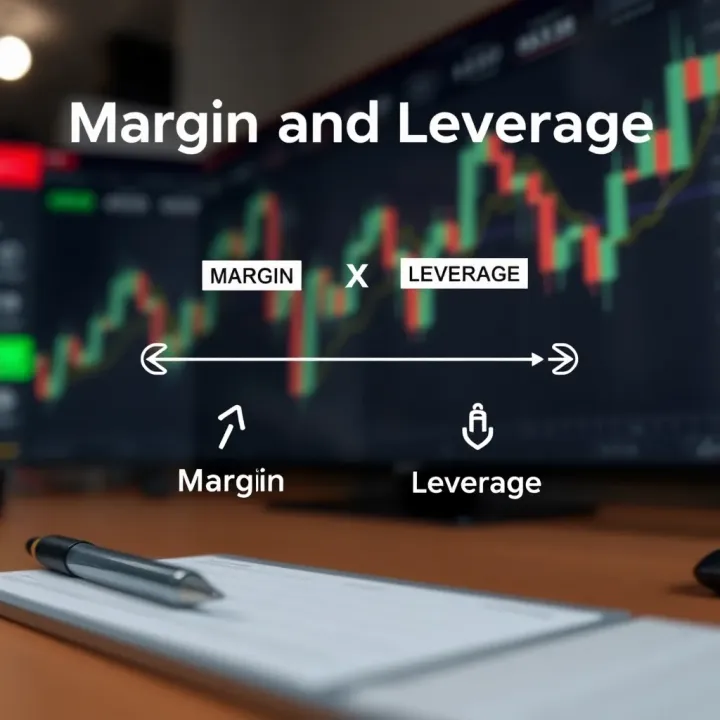
📊 Discover how margin works in forex trading, understand leverage and risk management to make smarter trading decisions. Stay informed and in control!
Based on 7 reviews