

Smart Trading in Nigeria's Financial Markets
📈 Discover how to trade smartly in Nigeria's financial markets by using tech tools, managing risks, and grasping local regulations—maximise your ₦ returns wisely today!
Edited By
Amelia Price
Buying gold in Nigeria doesn't have to drain your pocket if you know where to look. The cost of gold varies considerably depending on location, purity, and seller reliability. This guide will help traders, investors, and brokers pinpoint the best spots to find affordable gold without compromising quality.
In Nigeria, major gold markets spread across different states, but some stand out for their competitive pricing. For example, local markets in Jos, Plateau State, are well-known for their proximity to artisanal gold mining activities, often offering more attractive rates compared to Lagos or Abuja.

When purchasing gold, always verify the item's purity and authenticity to avoid counterfeit or substandard pieces. This is crucial to protect investments and maintain trust in the market.
Jos Main Market (Plateau State): This location benefits from access to nearby mining operations, allowing traders to secure fresh stock at lower costs.
Lagos Jewelry Market (Idumota and Balogun): Although usually pricier, Lagos markets offer high liquidity, and competitive haggling can still yield deals.
Kaduna Central Market: Known for affordable gold items, but buyers should be cautious and seek reputable sellers.
Gold pricing in Nigeria depends on several realities:
Purity Level: Pure gold (24-carat) commands higher prices, while 14 or 18-carat gold costs less due to alloying.
Market Location: Proximity to mining hubs generally means cheaper gold because of lower transportation and middleman costs.
Currency Fluctuations: The naira exchange rate influences import costs, especially for refined gold and jewellery.
Always request a purity certificate or stamp (e.g., 916 for 22-carat gold).
Use trusted assayers or government-approved testing centres for verification.
Avoid deals that look too good; scams are common in unregulated areas.
Compare prices across different markets before finalising purchases.
Understanding these variables helps you make informed decisions and secure gold at competitive rates across Nigeria's diverse markets.
Understanding where gold markets and hubs are located is key for anyone serious about buying gold affordably in Nigeria. Different regions offer varying prices, availability, and gold types, which can significantly influence your investment or trading decisions. Knowing which place fits your needs saves time and helps avoid dubious dealings.
Lagos hosts some of Nigeria's most vibrant gold markets, including areas like Balogun Market, which has a wide range of gold jewellery and bullion dealers. This city is the beating heart for gold trade, offering both wholesalers and retail customers a diverse selection. The sheer competitiveness amongst sellers often encourages better pricing.
When compared to other cities, Lagos prices tend to be slightly higher due to added costs like transportation, taxes, and operating expenses. However, the relatively stable supply chain and availability of authentic products compensate for this. Traders here benefit from transparent pricing, partly because Lagos is a financial hub where information flows quickly.
Lagos markets stand out for the variety of gold they offer. From finely crafted jewellery to bullion bars and coins, you'll find numerous options suited for both personal use and investment. This diversity is great for investors who want to diversify their portfolio without hopping between cities.
Kano has traditionally been a stronghold for trading gold, thanks to its strategic location along historic trade routes. Its long-standing mercantile culture means many buyers consider Kano a good place to source gold at competitive prices. The city's gold dealings date back decades, supported by trusted local networks.
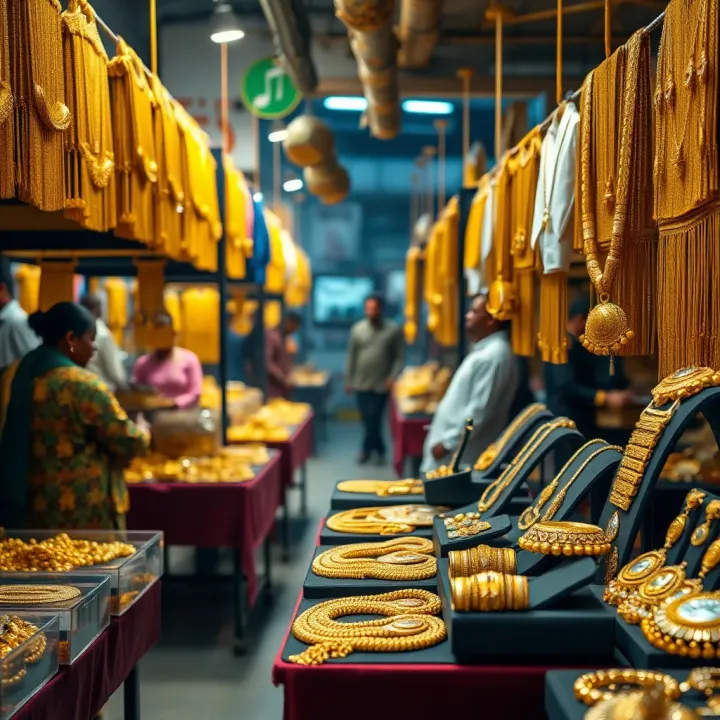
Northern Nigeria is home to several skilled goldsmiths and small dealers who offer crafted jewellery and small gold pieces tailored to local demand. For traders, these artisans often provide more personalised service and sometimes better bargaining power, especially when buying in bulk.
Still, prices in the North can fluctuate due to supply inconsistencies and regional security concerns. That said, for those willing to navigate these challenges, Kano and nearby towns may offer better price opportunities than the South, especially for raw and unpolished gold.
Nigeria's key gold mining states—such as Zamfara, Kebbi, and Niger—are where gold is extracted and often sold directly before entering the broader market. These areas present unique opportunities for buyers seeking lower prices, as middlemen are sometimes bypassed, reducing costs.
However, buying directly from miners is not without challenges. While you might get good rates, the risk of purchasing substandard gold or encountering security issues increases. Middlemen, despite their markup, often provide some degree of quality assurance and safer transactions.
Sourcing gold from mining communities requires caution. Buyers enjoy benefits like reduced prices and fresher stock but must also be prepared for negotiation difficulties, authenticity verification, and occasional logistical hurdles. Wise traders combine field visits with established contacts to minimise risks.
Knowing where to source gold and understanding local market dynamics are essential for securing genuine, affordable gold in Nigeria. Lagos offers variety and reliability, Kano presents historical depth and artisan contacts, while mining communities provide direct access, each with its own set of advantages and challenges.
Understanding what drives gold prices across Nigeria is key to making smart purchases. Several factors come into play, each shaping how much you pay depending on where and when you buy. For traders and investors aiming to get the best value, knowing these elements provides a strategic advantage.
The purity of gold, often measured in karats, directly affects its price. Pure gold or 24-karat commands the highest value because it contains the maximum amount of gold without impurities. Meanwhile, 18-karat or 14-karat gold, which includes other metals for durability, sells at lower rates. For example, jewellery purchased in Lagos markets may vary from 9-karat to 22-karat, impacting cost significantly. A 22-karat gold necklace will normally cost more than a 14-karat piece even if they weigh the same. Buyers must assess purity carefully, especially when dealing with smaller, local dealers who may not always test accurately.
The path gold takes from miner to your hands often involves many intermediaries: traders, dealers, refiners, and retailers. Each middleman adds a markup, which inflates the final price. For instance, buying gold directly from mining communities in states like Zamfara or Osun might be cheaper because it cuts out several steps. However, convenience, security, and certification usually improve when buying in major hubs like Lagos or Kano, albeit at a higher price due to the supply chain overhead. Traders should factor in these additional costs when comparing prices across regions and seek to minimise the middlemen layer where possible.
The naira’s value against the US dollar and other foreign currencies influences gold prices in Nigeria. Since gold is globally priced in dollars, naira depreciation makes gold more expensive locally. For example, during periods of high exchange rate volatility, prices in Nigerian markets often spike as sellers protect their margins. Demand also fluctuates based on seasons—festive periods and wedding seasons usually push prices upward due to higher buying interest. Smart buyers watch the foreign exchange situation and market moods closely, delaying purchase when naira weakens or demand surges.
Quick Tip: Always check purity certificates, compare prices factoring middlemen costs, and monitor the naira exchange trend before buying gold in Nigeria.
By grasping these factors, traders and investors sharpen their edge in navigating Nigeria’s diverse gold markets, securing better deals without compromising quality.
Knowing how to spot authentic gold is essential, especially in Nigeria where numerous sellers may offer substandard or fake products. Genuine gold doesn’t just hold value; it guarantees security for your investment. Understanding key indicators, recognising trusted dealers, and using certification tools all help you avoid costly mistakes.
Authentic gold usually exhibits specific physical traits. For example, 24-carat gold feels heavy and has a distinct yellow sheen absent in plated or fake pieces. A quick test is the magnet method—real gold isn’t magnetic, so if a magnet sticks, it’s likely fake or mixed metal. Another common test is the acid test, where different acid strengths reveal karat purity. For everyday buyers without lab tools, buying from reputable shops often provides more trust than random market stalls. Watch out for suspiciously light jewellery or weird colouring; these are common signs of gold mixed with cheap alloys.
Buying from established dealers in Lagos or Kano can safeguard against fraud. Big-name jewellers often carry hallmarked gold, assuring verified purity. Places like Lagos’s Balogun Market or Kano’s Kurmi Market have long-standing traders known for their reliability. Additionally, some miners and local bullion traders in Zamfara or Osun states sell gold directly, but this requires caution due to less formal regulation. Always ask for proper documentation and enquire about past client experiences. Reputable dealers value their name and usually offer return options if doubts arise post-purchase.
Modern technology gives buyers an edge. Portable electronic gold testers can measure purity quickly without damaging the jewellery. Also, check for certifications such as the Central Bank of Nigeria (CBN) approved assay or hallmarks from the Nigerian Goldsmiths Association. These marks certify that the gold has met minimum fineness standards. Some dealers also provide certificates of authenticity that include details of karat weight and seller information. Verifying these documents against known standards can prevent scams before spending your naira.
Genuine gold buying is about combining knowledge, trust, and tech verification. This approach lowers risk and improves your chances of securing affordable, real gold rather than costly fakes.
By recognising authentic gold features, purchasing from trusted sources, and using available technology alongside valid certifications, you position yourself well to find genuine, affordable gold in Nigeria’s diverse market.
Navigating Nigeria's gold markets successfully requires more than just knowing where to buy; skilled negotiation and careful timing play big roles in securing affordable, genuine gold. This section outlines practical steps to negotiate well, when to buy, and crucial safeguards against scams.
Gold prices in Nigeria can shift notably depending on local demand and external factors. For instance, during festive seasons like Sallah and Christmas, demand surges as buyers purchase jewellery and gifts, pushing prices higher. Conversely, periods right after these seasons often see price drops as dealers reduce stock.
Additionally, global gold price trends affect local rates. There are times when the international price dips quietly—those moments offer windows to buy at more reasonable rates if you act fast. For example, savvy traders keep an eye on announcements from the Central Bank of Nigeria (CBN) and international markets to time purchases.
Haggling remains the norm, especially in physical marketplaces like Lagos's Oju Olokun or Kano's Sabon Gari markets. Successful negotiators come prepared, knowing the current market price per gram and the purity levels offered. Being upfront about your budget can sometimes prompt dealers to offer discounts, especially for bulk purchases.
Building relationships with trusted dealers often leads to better prices over time. For instance, repeat buyers might get access to exclusive deals or informal price cuts in appreciation of their loyalty. Also, negotiating on the spot is often more effective than phone or online haggling, where trust issues can complicate talks.
Unfortunately, the gold trade in Nigeria is not without its risks. Fake gold products—often plated alloys or brass made to look authentic—can easily dupe uninformed buyers. Always insist on proper certifications such as hallmark stamps and, where possible, use professional testing services.
Beware of middlemen who inflate prices unnecessarily; direct dealings with goldsmiths or authorised dealers reduce this risk. Cash transactions should be handled carefully—using POS terminals or bank transfers where possible adds a layer of security.
Always verify the dealer’s credentials, ask for proof of purchase or mining, and don't rush decisions. Trustworthy dealers often welcome verification rather than shy away from it.
Understanding timing, sharpening your negotiation approach, and staying vigilant against scams empowers you to secure quality gold at fair prices. Nigerian gold markets reward those who approach them with knowledge and care—this can make a notable difference in what you pay and receive.
📈 Discover how to trade smartly in Nigeria's financial markets by using tech tools, managing risks, and grasping local regulations—maximise your ₦ returns wisely today!

📊 Explore detailed XAUUSD analysis for Nigerian traders & investors—covering gold price factors, market trends, technical tools, risk tips, and global impacts 🌍💰
🔐 Master your Deriv login with easy steps tailored for Nigerian traders 🇳🇬. Learn account setup, security tips, and solve common hiccups effortlessly. 📈💡

Discover how Nigerian traders can pick the best global trading platform 🌍 with insights on fees, security, features, and local regulations for smoother trades 📈.
Based on 6 reviews