
Best Trading Platforms in Nigeria: A Practical Guide
Find the best trading platform in Nigeria! Explore security, costs, types, and regulations to pick the perfect fit for your trading style 📊🇳🇬
Edited By
Sophie Hughes
Online trading platforms have reshaped how Nigerians engage with financial markets. Instead of relying solely on traditional brokers or banks, investors now access stocks, forex, cryptocurrencies, and other assets with just a few taps on their smartphones. This shift has opened up investment opportunities to a wider audience, including retail traders and small-scale investors.
However, navigating these platforms requires understanding their features, risks, and the Nigerian regulatory environment to make sound decisions. Not all platforms are created equal; some offer advanced tools and robust security, while others may lack transparency or fall short on customer support.

When dealing with online trading, your choice of platform can mean the difference between steady profits and unexpected losses.
User Interface & Experience: Platforms like GTI Securities and ProInvestor offer intuitive interfaces suitable for beginners and experts alike. A cluttered or overly complex interface can lead to costly errors.
Asset Variety: Depending on your trading focus, ensure the platform lists assets you trust. Nigerian investors commonly trade equities on the Nigerian Exchange Group (NGX), as well as forex pairs and commodities.
Security Measures: Check for features like two-factor authentication, encrypted transactions, and regulatory licences. Platforms under the oversight of the Securities and Exchange Commission (SEC) Nigeria typically meet basic security standards.
Cost Structure: Watch for hidden fees, such as withdrawal charges or inactivity penalties. Platforms with transparent commissions like Stanbic IBTC Stockbrokers help you plan your costs effectively.
Customer Support: Fast, reliable support is vital, especially when managing time-sensitive trades.
The SEC Nigeria regulates equities and derivatives trading, ensuring investor protection and market integrity. For forex and commodities, the Nigeria Deposit Insurance Corporation (NDIC) and Central Bank of Nigeria (CBN) provide supplementary oversight. Understanding which bodies regulate your chosen platform adds a safety layer.
Before committing funds, consider:
Testing demo accounts to familiarise yourself with the platform.
Reading user reviews and feedback on Nigerian investment forums.
Confirming the platform’s regulatory status.
Approaching online trading platforms with clear knowledge helps avoid the common pitfalls many Nigerian investors face, such as scams or unsuitable trading conditions. Next sections will detail asset types available, security concerns, and practical steps to trade confidently.
Online trading platforms have reshaped how Nigerians engage with financial markets. Grasping what these platforms are and how they work helps investors avoid common pitfalls and tap into opportunities effectively. Whether you're trading stocks listed on the Nigerian Exchange (NGX) or dabbling in forex and commodities, understanding the core functions of online platforms is vital.
At their simplest, trading platforms are software applications that allow users to buy and sell assets like stocks, currencies, or commodities remotely. They act as the digital bridge connecting individual traders with markets that were once accessible only through brokers or physical exchanges. For example, platforms like GTI Securities or Meristem Stockbrokers provide Nigerian investors with direct access to NGX-listed equities and other instruments. The main purpose is to simplify trading, making it faster and accessible 24/7 compared to traditional methods.
These platforms also serve as hubs for important information: real-time price updates, market news, and analysis tools that help users make informed decisions. Some platforms go further by offering educational resources, helping new traders master basics like order types and risk management.
Traditional trading often involves agents or brokers acting as middlemen, placing orders on behalf of clients via phone or in person. This method can be slow, prone to delays, and sometimes costly due to commissions and fees. In contrast, online platforms let traders execute transactions instantly themselves, often with lower costs and fewer intermediaries. For example, a Nigerian investor using an app like Chaka can buy shares within seconds, avoiding hours of calls or paperwork.
Besides speed, online platforms provide greater transparency. You see live price changes, track your portfolio instantly, and adjust orders without waiting for broker confirmation. Accessibility is another key advantage. Rather than travelling to a brokerage office, you can trade from your phone while on Lagos traffic or at your local bukateria. Plus, many platforms accept local payment options and allow quick funding or withdrawal in naira, smoothing the entire process.
Understanding these differences helps Nigerian traders pick platforms suited to their needs and avoid hidden costs that traditional methods might mask.
In summary, knowing the purpose and advantages of online trading platforms arms you with the right mindset to navigate Nigeria's growing digital investment landscape confidently. This foundation also highlights why these platforms keep growing in popularity, especially among youth and retail investors aiming to build wealth with ₦10,000 or ₦1 million alike.
Choosing the right online trading platform in Nigeria can make a significant difference to your investment outcomes. The features offered often determine your ease of use, the variety of opportunities you access, and how well you manage risks and cost. Let’s break down the key elements to focus on when evaluating these platforms.
The platform's user interface (UI) should be straightforward and easy to navigate, especially for new traders. Think of it like Lagos traffic during rush hour; if the route is complicated and confusing, you'll likely lose time or get stuck. A clean, intuitive design helps you place trades quickly and track your portfolio without unnecessary delays. Also, check if the platform supports both desktop and mobile access. Mobile trading apps, like those from Kuda or OPay, bring flexibility — especially in Nigeria where many users rely on smartphones. Fast loading speed and minimal downtime are also worth considering to avoid missing market opportunities.
A platform with a broad selection of assets lets you diversify your portfolio and explore new markets. In Nigeria, you might look for access to stocks listed on the Nigerian Exchange (NGX), forex pairs involving the naira and major currencies, commodities like crude oil futures, and even cryptocurrencies such as Bitcoin or Ethereum. Platforms like Bamboo or Chaka offer access to both local and foreign stocks, helping you spread risk. As an example, a trader interested in both the Nigerian banking sector and tech stocks on the New York Stock Exchange (NYSE) would want a platform that handles this variety seamlessly.
Costs vary widely among platforms and can eat into your profits if not managed properly. While some platforms charge a flat fee per trade, others apply a percentage commission or have monthly maintenance charges. For instance, some brokers in Nigeria charge between 0.3% and 1% per transaction on NGX stocks. Additionally, watch out for hidden fees like withdrawal charges or inactivity penalties. Choosing a platform with transparent, competitive fees can improve your net returns significantly.
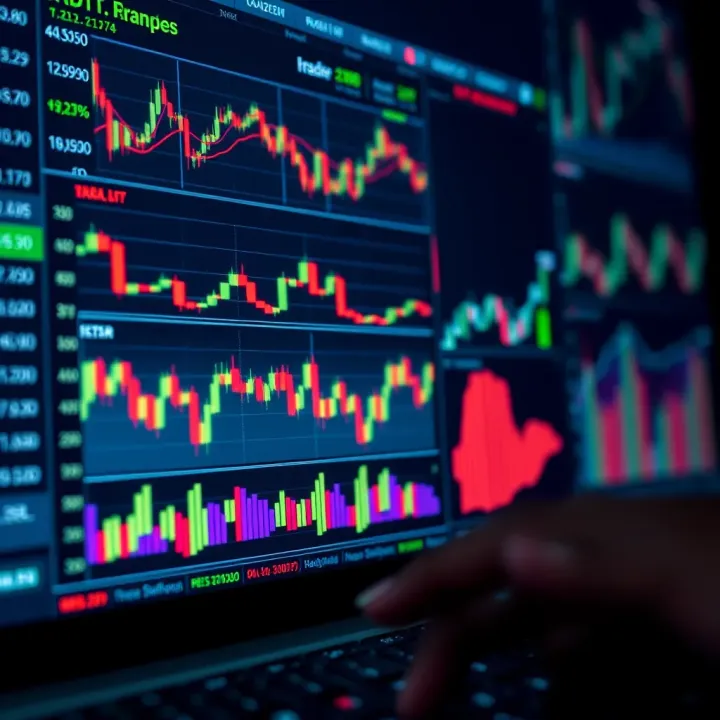
Data-driven decisions bring more success in trading than guesswork. The best platforms provide research tools like live charts, historical price data, technical indicators, and market news updates. These tools help you track trends and make informed moves. For instance, a forex trader could use indicators like Moving Averages or RSI directly on the platform to time entries and exits. Some platforms collaborate with research providers or offer expert analysis for clients, which is valuable for beginners and seasoned traders alike.
Reliable customer service is essential when you encounter issues or have questions. Look for platforms that provide multiple contact options — phone, email, live chat — and respond promptly. Also, check if the platform offers educational content such as webinars, tutorials, or articles tailored to Nigerian market conditions. This can be a vital resource, especially given the rapid pace of market changes and regulatory updates here.
A solid combination of these features ensures that you trade confidently, access diverse markets, manage costs effectively, and continue learning along the way. Don't settle for platforms that leave you stranded during critical moments.
In summary, when selecting an online trading platform, consider how user-friendly it feels, the range of assets you can trade, the fees involved, the quality of analysis tools available, and the level of customer support. These aspects together set the stage for a rewarding trading experience in Nigeria’s growing digital market.
Choosing the right type of asset to trade is a key step when navigating online trading platforms in Nigeria. Different assets come with varying risks, liquidity, and potential returns. Understanding what's available helps traders match their investment style and goals with suitable opportunities.
Stocks are the bread and butter for many Nigerian investors. The Nigerian Exchange Group (NGX) lists a variety of equities from industries like banking, oil and gas, consumer goods, and telecommunications. For example, shares of companies like GTBank, Dangote Cement, and MTN Nigeria are actively traded. These equities provide ownership stakes in firms, allowing investors to benefit from capital gains and dividends. But equities can fluctuate with market sentiment, economic conditions, and company performance, so solid research is essential.
Foreign exchange (Forex) trading on Nigerian platforms mainly involves currency pairs such as USD/NGN, GBP/USD, and EUR/USD. Since the naira often experiences volatility due to macroeconomic factors and CBN policies, forex trading attracts those looking to profit from currency movements. The forex market offers high liquidity and runs 24/5, which suits traders who prefer flexible hours. Still, it carries risks tied to geopolitical events and monetary policy changes.
Commodities like gold, oil, and agricultural products have long been staples for Nigerian investors. Online platforms now make it easier to trade these without physically handling them. Gold, for instance, serves as a hedge against inflation in Nigeria, where naira depreciation is common. Meanwhile, cryptocurrencies such as Bitcoin and Ethereum have gained popularity, especially among younger traders. Despite their volatility, Nigerians use crypto for both speculative trading and as an alternative store of value due to naira fluctuations.
Contract for Differences (CFDs) and other derivatives allow traders to speculate on price movements of assets without owning them outright. Nigerian platforms offering CFDs enable exposure to stocks, commodities, indices, or forex with leverage. This can magnify profits but also losses, making risk management vital. Derivatives can be complex and suit more experienced traders who understand margin calls and market swings.
Understanding the types of assets available is not just about variety but aligning them with your risk appetite and financial goals. Start by focusing on one or two asset classes before diversifying your portfolio.
In the Nigerian trading context, these asset choices reflect both local markets like the NGX and global influences through forex and crypto. Having this knowledge puts you in a better position to trade with confidence and minimise surprises along the way.
Security and compliance form the backbone of successful online trading, especially in Nigeria where digital scams and regulatory changes often disrupt the market. Without proper safeguards and adherence to regulations, traders risk losing hard-earned ₦ investments to fraud or facing legal complications. This section breaks down what you need to know to trade safely and stay within the law.
The Nigerian Securities and Exchange Commission (SEC) is the primary regulator for online trading platforms. It sets rules to protect investors and ensure transparency in the market. For instance, platforms must be registered and licensed by SEC before offering services to Nigerians. Failure to comply often leads to hefty fines or shutdowns.
The Central Bank of Nigeria (CBN) also influences trading through policies on currency controls and payment systems. Traders should understand that forex trading and cryptocurrency, while popular, are treated differently under Nigerian law. The CBN has issued warnings against unregulated crypto trading, urging investors to use recognised platforms only.
Knowing the regulations helps you avoid platforms operating illegally — which may lack proper security or steal your funds. Always verify a platform’s registration status on official SEC or CBN listings.
A secure online trading platform should prioritise protecting your data and funds. First, look for platforms that provide two-factor authentication (2FA) as a minimum security layer. This means beyond just a password, you’ll need a second verification like a code sent to your phone.
Encrypted transactions and Secure Socket Layer (SSL) certificates are other fundamental safeguards. These prevent cybercriminals from intercepting your personal and financial information.
Besides tech features, platforms should be transparent about their compliance with Nigerian regulations and offer clear customer support channels. For example, GTBank’s online trading service provides easy access to complaint resolution via their customer care.
Online scams can come in many forms — fake trading platforms, phishing emails claiming to be your broker, or promises of guaranteed high returns. Stay vigilant by following these:
Verify platform credentials: Confirm the platform is registered with SEC and has a good reputation among Nigerian traders.
Avoid unsolicited offers: Be wary of social media or WhatsApp messages promising quick riches through online trading.
Use official apps and websites: Stick to downloading apps from trusted sources like official app stores.
Regularly monitor your accounts: Check your trading and bank accounts often to spot unauthorized transactions early.
Remember, no legitimate trading platform can guarantee profits or pressure you to deposit funds immediately.
Staying alert and working with platforms that meet regulatory standards drastically reduces your risk of falling victim to fraud. Taking these steps seriously protects not just your money but your peace of mind while navigating Nigeria’s online trading world.
Choosing the right online trading platform in Nigeria can make or break your trading experience. The platform you pick should align with your investment objectives, trading style, and comfort level with digital tools. Without careful selection, you might face unnecessary fees, limited access to desired assets, or security risks. Let’s break down the main factors to consider.
Understanding your goals and style is the first step. Are you aiming for long-term growth by investing in Nigerian stocks on the NGX, or do you prefer short-term forex trading to capitalise on currency fluctuations? A buy-and-hold investor may prioritise platforms offering easy access to stocks and dividend information, while a day trader might need sophisticated charting tools and fast trade execution.
For example, if you want to save for retirement, platforms with low fees and solid research resources will be beneficial. However, if you want to trade crypto or CFDs, look for platforms that support these assets and provide real-time updates. Knowing your risk tolerance and availability to monitor markets regularly also shapes the kind of platform to choose.
A platform’s reputation gives insight into its reliability and service quality. Check Nigerian financial forums, app stores, and trusted review sites for user feedback. Pay attention to complaints about withdrawal delays, hidden fees, or poor customer support.
For instance, platforms like GTI Securities or Meristem Online have established positive reputations locally, with many traders praising their ease of use and compliance with Nigerian regulations. Avoid platforms with a history of regulatory issues or frequent customer complaints. Confirm whether the platform is registered with the Securities and Exchange Commission (SEC) Nigeria, enhancing your safety.
Demo accounts are invaluable for getting a feel of the platform without risking real money. Use these trial periods to navigate the interface, try out order types, and test the speed of trade executions.
A practical approach is to simulate trades based on current market conditions. This hands-on practice helps identify whether the platform suits your trading habits and if you can easily access tools like technical indicators or local payment methods.
Trying multiple platforms’ demos also reveals which one feels most intuitive and matches your skill level. A few hours of practice can save you from costly mistakes once you trade live.
Selecting an online trading platform tailored to your goals and style reduces frustration and increases your chances of success. Test, review, and compare before committing your ₦ investment.
By focusing on these key points—investment goals, platform reputation, and demo testing—you put yourself in a strong position to find an online trading platform that works effectively for you in Nigeria’s dynamic market.
Success on online trading platforms in Nigeria doesn't happen by chance. It requires strategic planning, discipline, and awareness of market nuances. Nigerian investors who arm themselves with practical tips can protect their capital and increase the chance of consistent gains in a market that can be volatile.
Having sufficient capital is the baseline for meaningful trading. For example, if you start trading stocks on the Nigerian Exchange (NGX) with only ₦10,000, your capacity to diversify and absorb losses is limited. Most seasoned traders recommend beginning with at least ₦50,000 to ₦100,000, depending on the asset class. However, more critical than the amount is risk management.
Risk management protects you from wiping out your funds in a single bad trade. Setting stop-loss orders—a tool available on many platforms—helps automatically sell assets if prices drop beyond a set point. Also, spreading investments across various assets like equities, forex, and commodities lessens your exposure to sudden shocks. Active risk assessment should be a daily habit, especially with the naira’s volatility and fluctuating fuel costs impacting broader markets.
Markets move fast, and staying updated separates successful traders from the rest. The Nigerian financial markets are affected by local factors such as Central Bank of Nigeria (CBN) policies, global oil prices, and political developments like electoral cycles. Using platform-provided market news, webinars, and alerts keeps you informed.
Joining investment communities, subscribing to newsletters from organisations like the Nigerian Stock Exchange (NGX), or following credible financial media such as BusinessDay or Nairametrics sharpens your understanding. Remember, what worked last year may not work next year as market dynamics change, so continuous skill upgrading is essential.
Nigeria’s bustling mobile economy makes mobile trading crucial. Platforms with responsive mobile apps let you trade anywhere, even during Lagos traffic jams or when power supply is erratic. Mobile apps from platforms like Access Bank or GTBank support quick transactions and portfolio checks.
Local payment methods such as USSD codes, bank transfers, and payment gateways like Paystack or Flutterwave simplify funding your trading account. Avoid platforms that rely heavily on international payment methods alone, as currency exchange delays and extra fees reduce your trading speed and profits. Look for NAIRA-friendly options since timely deposits and withdrawals influence your ability to respond to market moves.
Practical success in online trading requires more than luck — proper capital, risk controls, ongoing learning, and efficient tools all work together to enhance your chances of making gains in Nigeria’s financial markets.
By integrating these tips, Nigerian investors can confidently navigate online trading platforms, protecting their ₦ investments while leveraging opportunities across asset classes and markets.
Find the best trading platform in Nigeria! Explore security, costs, types, and regulations to pick the perfect fit for your trading style 📊🇳🇬
Discover how Nigerian traders can pick the best global trading platform 🌍 with insights on fees, security, features, and local regulations for smoother trades 📈.
Explore CFD trading in Nigeria: learn how to trade asset price changes without ownership, understand risks, regulatory tips, and safe starting strategies 📈🇳🇬
📊 Discover how to pick the best online trading platform in Nigeria 🇳🇬. Compare features, fees, security, and user experience to trade confidently.
Based on 9 reviews