
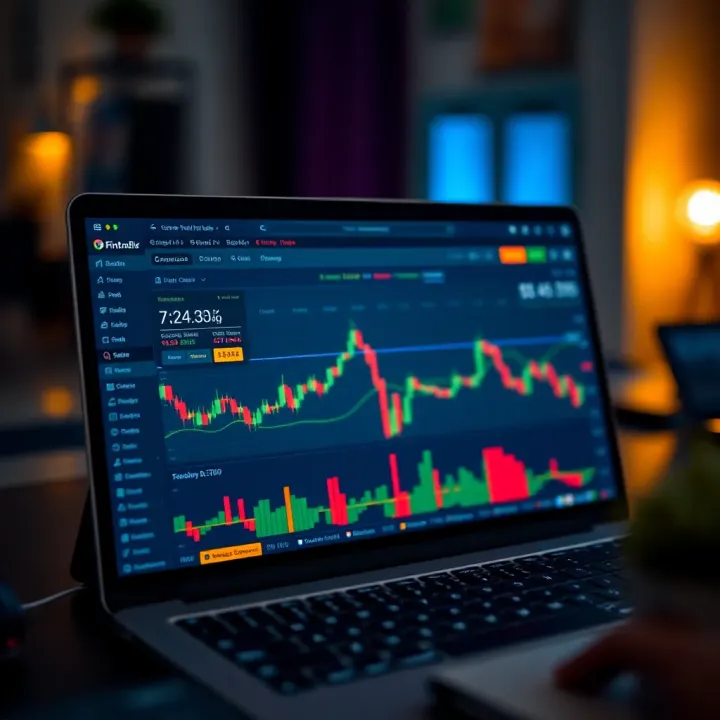
How to Choose the Best Online Trading Platform in Nigeria
📊 Discover how to pick the best online trading platform in Nigeria 🇳🇬. Compare features, fees, security, and user experience to trade confidently.
Edited By
Matthew Collins
Online trading in Nigeria has grown fast, attracting many who want to turn the internet into a money-making platform. Whether you are looking at stocks on the Nigerian Exchange (NGX), Forex dealings, cryptocurrencies like Bitcoin, or trading goods on platforms such as Jumia Nigeria or Konga, the opportunity is vast but comes with its own challenges.
Understanding who an online trader is can help shape your approach. An online trader actively buys and sells financial assets or goods using digital platforms, aiming to make a profit by exploiting price movements or market demand. In Nigeria, this could be a retail investor trading stocks from Lagos or an entrepreneur selling artisan products nationwide via online marketplaces.

Getting started requires choosing the right platform suited for your trade. For stock trading, reputable brokers linked to NGX like Stanbic IBTC or Meristem Securities offer online accounts with access to market data and order placement. Forex trading often uses global platforms like MetaTrader or local licensed brokers under the Securities and Exchange Commission (SEC) Nigeria’s supervision.
Cryptocurrency trading, despite its volatility, is handled through digital currency exchanges such as Binance, Luno, or local services like Yellow Card Nigeria. Meanwhile, goods trading involves e-commerce platforms and social media marketplaces, where logistics and payment systems, including Paystack or Flutterwave, are crucial.
Online trading in Nigeria demands not just knowledge of markets but also careful risk management and awareness of local financial realities such as naira fluctuations and power supply issues.
Before you dive in, consider these key steps to succeed:
Verify platform legitimacy: Check for SEC registration or CBN guidelines to avoid scams.
Build a trading plan: Define your goals, risk tolerance, and preferred markets.
Start small: Use minimal capital to learn platform operations and market behaviour.
Keep educating yourself: Follow Nigerian market trends, read reports, and join trader groups.
Manage risks actively: Use stop-loss orders, diversify trades, and avoid emotional decisions.
This practical guide aims to equip you with the tools and insights to navigate online trading in Nigeria confidently. With discipline and a clear understanding of the platforms, market rules, and local economic factors, online trading can become a profitable venture, not just a gamble.
Online trading has rapidly become an essential part of Nigeria’s financial landscape. Knowing how it works and its impact can help you navigate the market better, spot opportunities, and avoid common pitfalls. For example, individuals using platforms like Kuda to buy stocks or speculate on forex rely heavily on understanding the trading ecosystem to make informed choices.
Online traders come in various forms. First, individuals who trade for personal investment or income represent a growing group. These traders might focus on building a portfolio for long-term gains or day trade to take advantage of market swings. Businesses use online trading to manage risk, hedge currency exposure, or diversify investments across different asset classes. Speculators, on the other hand, seek short-term profits by exploiting price volatility, often in markets like forex or cryptocurrencies.
The markets available to online traders in Nigeria cover a broad range. Stocks on the Nigerian Exchange (NGX) provide opportunities in equities of local companies. Forex trading allows individuals to buy and sell foreign currencies, benefiting from fluctuations against the naira. Cryptocurrencies like Bitcoin and Ethereum have drawn attention due to their high volatility and potential returns, despite regulatory uncertainties. Finally, goods trading through online platforms lets traders engage in e-commerce or commodity exchanges.
A key difference between online and traditional trading lies in accessibility and speed. Online trading usually requires just a smartphone or computer with an internet connection, making it accessible anywhere in Nigeria. Traditional trading often involved face-to-face interactions, brokers, or physical exchanges, limiting speed and convenience. This online shift cuts costs, accelerates transactions, and breaks barriers associated with physical presence.
The surge in internet access and smartphone ownership has been a big driver of online trading growth. Increasing broadband penetration, especially in urban centres like Lagos and Abuja, brings more Nigerians into digital markets. Affordable smartphones let many participate in trading activities that were once out of reach, broadening the investor base beyond Lagos elites to middle-class youths across states.
Several platforms power this expansion. Kuda and Piggyvest provide not just trading but savings and investment services suited to Nigerian traders. OPay bridges payments for trading activities, while FXTM offers forex services tailored for Nigerians. Binance, a global crypto exchange, has built a strong Nigerian user base due to its intuitive app and local currency support. These platforms blend convenience and security to encourage more people to trade online.
Fintech and digital payment systems have also transformed how Nigerians handle trading funds. Instead of relying on cash or bank branches, traders make swift transactions using USSD codes, mobile wallets, or bank transfers directly linked to trading accounts. This ease improves liquidity management and reduces delays, helping traders react faster to market movements. However, keeping an eye on naira volatility remains important as it can affect real returns.
Understanding the nuts and bolts of online trading in Nigeria — who trades, what markets they access, and which platforms they use — is the first step towards trading with confidence and success.
Understanding the platforms and tools available is critical for anyone serious about online trading in Nigeria. These resources shape how traders access markets, execute trades, and manage their funds securely. Choosing the right platform and integrating reliable payment solutions can significantly influence trading success and efficiency.
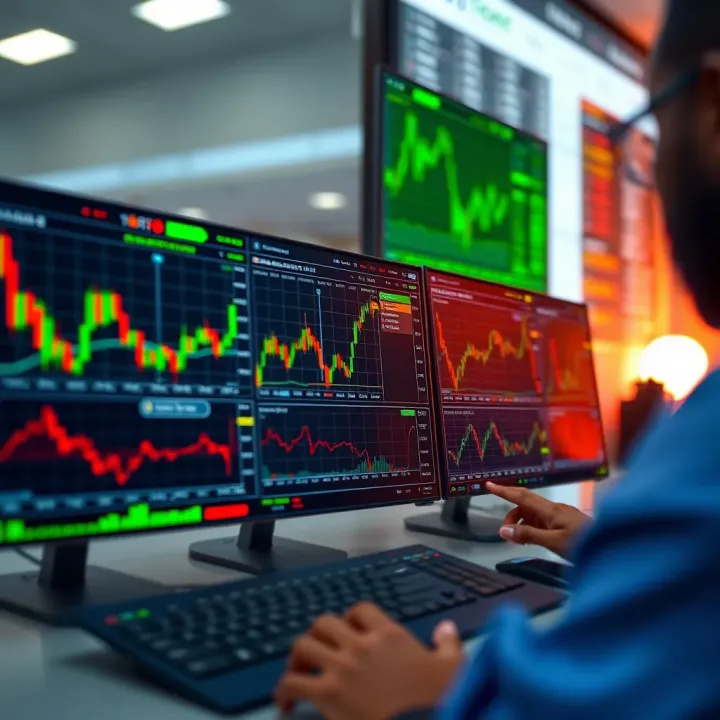
Nigeria’s stock trading scene has become more accessible with the Nigeria Exchange Group (NGX) digitising services. Platforms like NGX's own digital app allow you to buy and sell shares from your phone without physically visiting a brokerage. This convenience is a big plus especially for traders outside Lagos or Abuja where most brokers are concentrated. Apps like GTI Securities and Chaka also offer simple interfaces to access NGX-listed equities and ETFs. While trading, these platforms provide real-time price updates, performance charts, and news tailored to Nigerian markets.
Forex trading remains popular among Nigerians seeking quick returns. Platforms like FXTM, HotForex, and OctaFX offer accounts tailored for Nigerian traders, often accepting naira deposits through local banks or fintech wallets. These brokers comply with local regulations and provide customer support in Nigerian time zones. Such services usually include education tailored to local macroeconomic developments such as Central Bank of Nigeria rates or political events that influence forex markets. Using these platforms, you can trade currency pairs, including USD/NGN, leveraging local knowledge while having global market access.
Cryptocurrency trading is booming, with exchanges like Binance, Quidax, and Luno gaining ground. These platforms allow Nigerian traders to buy and sell cryptocurrencies such as Bitcoin, Ethereum, and USDT using naira. Wallet security features and local payment integration via bank transfers or fintech apps make transactions smoother. However, traders should choose exchanges with proper compliance to Nigerian regulations and good customer service to handle any technical issues or fund recovery.
The Bank Verification Number (BVN) is essential for confirming the identity of traders and reducing fraud in transactions. Many trading platforms require BVN for account opening and verification. USSD codes offer a quick, data-free way to transfer funds or pay for trading services via mobile phones, useful in Nigeria’s often unstable data environment. Bank transfers, especially instant ones between local accounts, remain the most common method for settling trades, dissolving delays, and minimising errors.
Fintech platforms like Paystack, Flutterwave, and OPay have simplified fund movement for traders. With instant payment processing and integration with banks, these apps enable quicker deposits and withdrawals. They also provide transaction histories and alerts, helping traders manage their accounts better, monitor spending on trades, and react swiftly to market moves. Apps like Kuda and PalmPay offer wallet services that bridge the gap between traditional banking and online trading.
The naira’s fluctuating value poses real risks for Nigerian traders, especially those dealing in forex or cryptocurrencies. Platforms that allow holding funds in stablecoins or foreign currencies help hedge against sudden naira depreciation. Additionally, some trading apps incorporate currency exchange rate alerts and auto-conversion features, helping traders know when to convert or hold. Staying informed about Central Bank of Nigeria (CBN) policies on foreign exchange is vital to navigating these risks effectively.
Getting familiar with these platforms and payment tools sets the foundation for smooth trading operations. Nigerian traders who adapt fast to local fintech innovations gain an edge in managing transactions, capitalising on market opportunities, and protecting investments from unfavourable market swings.
Starting your online trading journey in Nigeria requires careful preparation, especially regarding documentation, registration, and building solid knowledge. These early steps set the foundation for long-term success and help you avoid common pitfalls.
A valid National Identification Number (NIN) and Bank Verification Number (BVN) are essential for verifying your identity when opening trading accounts. Nigerian regulators require these to prevent fraud and ensure transparency. Without them, platforms will refuse account creation, so securing your NIN and linking it to your BVN first is practical.
For stock or forex trading, registering with the Nigerian Exchange Group (NGX) or an authorised forex platform is mandatory. The NGX registration opens doors to Nigerian stocks and bonds, while forex platforms like FXTM operate under the Central Bank of Nigeria’s guidelines. Registration confirms your legitimacy and ensures access to customer protections under Nigerian laws.
Compliance with SEC Nigeria and the Central Bank of Nigeria (CBN) regulations is crucial. These agencies regulate market activities, enforce licensing of brokers and platforms, and oversee trade conduct. Choosing platforms licensed by SEC and adhering to CBN’s exchange rate guidelines safeguards you from scams and illegal trading practices.
Understanding the basics of trading starts with learning how to read price charts and market indicators. These tools reveal trends, support and resistance levels, and volume changes, helping you decide when to enter or exit trades. Many Nigerian traders find charting through apps like Investing.com or the NGX digital portal useful.
Keeping up with Nigerian economic indicators is vital because local news, inflation rates, CBN monetary policy changes, and political events impact market movement. For instance, fluctuations in the naira exchange rate often influence stock prices and forex markets. Nigerian financial news platforms and analysts provide timely insights on these developments.
Starting with demo accounts before trading with real money helps you practice strategies risk-free. Most platforms, including NGX mobile app or Binance for crypto, offer virtual accounts. Practising here allows you to understand order execution and market behaviour without risking ₦5,000 or ₦50,000 prematurely.
Before investing your hard-earned naira, build your foundation with proper documentation and solid understanding. This approach will protect your capital and increase your chances of making consistent gains in Nigeria's online trading ecosystem.
By following these steps carefully, Nigerian traders can begin confidently and position themselves for sustainable success online.
In Nigeria’s online trading scene, managing risks and steering clear of scams is not just advisable — it's vital. The rapid growth of digital trading platforms, from forex to cryptocurrencies, has opened doors for many, but it has also attracted fraudsters. Without a clear grasp of potential risks, traders can lose significant funds, sometimes in moments. Understanding these dangers and putting practical steps in place safeguards your investments and builds your confidence to trade wisely.
Scams and fraud patterns in cryptocurrencies and forex
Cryptocurrency and forex trading are popular in Nigeria, but both markets have attracted many scams. Fraudsters often promise “guaranteed” high returns or insider tips. You might get approached on social media or WhatsApp with schemes demanding upfront deposits or wallet access. These scams can quickly drain your funds since cryptocurrencies are irreversible and forex trades can incur heavy losses without proper knowledge. It’s crucial to verify the platform’s credibility and avoid deals that sound too good to be true.
Understanding price manipulation and pump-and-dump schemes
Price manipulation remains a common risk in online trading, especially in less regulated markets like certain cryptocurrencies. Pump-and-dump schemes involve artificially inflating the price of a coin or stock through false hype, then dumping it at a profit, leaving late investors with losses. Nigerian traders should watch out for coordinated hype on Telegram groups or social media and always check trading volume and news sources. Falling prey to such tactics can wipe out your savings fast.
Risks of inadequate research and emotional trading
Many traders jump in without sufficient research or let emotions dictate decisions. Reacting to market swings with panic sells or impulsive buys often leads to losses. For example, if naira volatility spikes or an ember months sell-off happens, emotional decisions can erode capital. Successful Nigerian traders take time to study charts, monitor economic indicators like CBN policies, and set clear plans. Avoid trading based on gossip or FOMO (fear of missing out).
Checking licence status of platforms with SEC Nigeria
Before registering on any trading platform, confirm its licence status with the Securities and Exchange Commission (SEC) Nigeria. Licensed platforms must meet regulatory standards for security and transparency. For instance, platforms like FXTM and certain brokers are recognised by SEC Nigeria. Trading on unlicensed platforms increases the risk of fraud and fund loss — so take ten minutes to check online or call SEC.
Using two-factor authentication and secure passwords
Cybersecurity basics can save you from hacking risks. Enable two-factor authentication (2FA) on all your trading accounts, which adds a second verification step beyond your password. Use strong, unique passwords combining letters, numbers, and symbols. Avoid common choices like your date of birth or phone number. Nigerian traders have lost millions to account breaches that could have been prevented by these simple security measures.
Diversifying investments and setting loss limits
Putting all your money in one currency or stock is risky, especially with naira’s fluctuations. Diversify your portfolio across asset classes — some forex, some stocks on the NGX, or a bit of cryptocurrency on Binance. Also, always define your loss limit for each trade, using stop-loss orders where possible. Managing your exposure in this way protects your capital from sudden market shocks and helps you trade another day.
Protecting your investments is more than a checklist — it is the foundation of your trading career. Take each step seriously, and you will avoid common pitfalls and keep your capital safe in Nigeria’s fast-evolving online trading environment.
Success in online trading does not just come from making a single good trade. It demands consistent effort, sharp discipline, and ongoing learning. Optimising your trading practices means setting routines, reviewing your performances, and adapting to local market trends to keep your edge. This approach reduces costly mistakes and boosts your ability to spot profitable opportunities within Nigeria’s dynamic financial landscape.
Tracking market open and close times is fundamental for Nigerian traders due to the global nature of markets. For instance, while the Nigerian Stock Exchange (NGX) operates between 9:30 am and 2:30 pm WAT, forex markets run nearly 24 hours, overlapping with London and New York sessions. Knowing these hours helps you time your trades better and avoid unnecessary losses caused by illiquid market moments.
A trading journal is a practical tool. It lets you record every trade’s details—entry points, exit points, strategy used, and emotional state during the trade. Reviewing this journal regularly reveals patterns in your wins and losses. One Nigerian trader might discover he tends to lose money when trading late during ember months, a period known for increased market volatility. Such insights support wiser decisions in the future.
Adapting your trading to Nigerian market holidays and ember months adds another layer of preparedness. Economic activities slow during public holidays like Sallah and Christmas, often reducing market volumes and increasing price swings. Wise traders anticipate these changes, adjusting risk levels or taking a break. Ember months, with their ember fever and higher consumer spending, sometimes affect stock prices in sectors like retail and commodities, presenting unique opportunities or risks.
Joining Nigerian trading communities and forums connects you with peers facing similar challenges and successes. Platforms like Nairametrics Trader Forum or dedicated WhatsApp groups provide instant updates, tips, and a support system. You hear firsthand about platform glitches, emerging scams, or regulatory changes—information that might not yet circulate in formal news outlets.
Attending webinars and local workshops organised by Nigerian fintech firms or trading educators brings you up to date with current tools and techniques. For example, GTBank and FXTM occasionally hold sessions on using their platforms or understanding CBN policies affecting forex trading. Such events sharpen your skills and expand your professional network.
Following trusted Nigerian economic analysts and platforms offers daily insights grounded in local realities. Analysts on Channels TV, BusinessDay, or reports from Nigerian Stock Exchange often interpret data in ways directly relevant to your trading decisions. Rather than relying solely on global advice, this focus helps you grasp how naira fluctuations, CBN interest rates, or fiscal policies might move your chosen markets.
Developing strong habits and deep local knowledge enhances your chance of success and shields you against Nigeria-specific market surprises. Optimising your trading is an ongoing, active effort—never a one-time fix.
By building a routine, staying informed, and engaging with the trading community, you put yourself in a better position to thrive in Nigeria’s growing online trading environment.
📊 Discover how to pick the best online trading platform in Nigeria 🇳🇬. Compare features, fees, security, and user experience to trade confidently.
📈 Discover how to choose the best online trading app in Nigeria! Learn about key features, security, and platforms for a smooth trading experience.
Learn how Nigerians engage in online forex trading 🇳🇬, avoid scams, pick reliable platforms, and apply practical strategies to trade foreign currencies securely 📈💹.
Discover practical ways to earn ₦ from home in Nigeria 💻. Learn freelance gigs, content creation, e-commerce tips, and smart investing platforms to grow your online income.
Based on 13 reviews