

Best Trading Platforms in Nigeria: A Practical Guide
Find the best trading platform in Nigeria! Explore security, costs, types, and regulations to pick the perfect fit for your trading style 📊🇳🇬
Edited By
David Reynolds
Copy trading platforms have gained traction among Nigerian investors looking to tap into global financial markets without the hassle of analysing charts or following economic news daily. These platforms enable you to automatically mirror the trades made by seasoned traders, creating a sort of 'follow the leader' approach to investing.
Imagine you're interested in forex or stock markets but lack the time or expertise to manage your investments actively. Instead of blindly buying shares or currency pairs, you can connect your account to a copy trading platform and replicate trades from top-performing Nigerian or international traders. This method opens access to professional strategies while you just set your risk levels and budget.

In Nigeria, where many investors juggle multiple income sources or side hustles, copy trading can be a practical way to grow their portfolio without demanding full-time attention. Platforms like eToro, ZuluTrade, and Naga allow users to pick traders based on performance metrics like win rates, average returns, and risk scores—giving insight rather than guesswork.
Remember, copy trading is not a shortcut to guaranteed profits; risks remain, especially in volatile markets. It's vital to choose traders carefully and start with amounts you can afford to lose.
Here are some key features you should know about copy trading platforms:
Transparency: Access detailed histories of traders’ performances before deciding who to follow.
Diversification: Follow multiple traders to spread risk across different strategies and markets.
Automation: Trades copy automatically, removing the need for constant monitoring.
Customisation: Set your own limits on investment size and stop-loss to control exposure.
For Nigerian investors, it's wise to use platforms that accept deposits in Naira or popular payment methods like Paystack, Flutterwave, or direct bank transfers. Also, consider local regulatory oversight and check if the platform complies with Nigeria’s financial rules to avoid scams.
In the following sections, we will break down how these platforms work, how to choose the right trader, manage risks, and navigate the local regulatory terrain effectively.
Understanding what copy trading platforms are and how they function is central for Nigerian investors looking to tap into global financial markets without needing deep expertise. These platforms help investors replicate trades made by seasoned traders, essentially allowing beginners to benefit from the skills and insights of more experienced market players.
Copy trading, also called social trading, is a straightforward idea: you follow a trader with a strong track record, and your account automatically executes the same trades in real time. This way, you don’t have to spend hours analysing charts or financial reports. Instead, your investment moves in sync with the expert’s strategy.
The practical relevance here is quite clear. For instance, a Lagos-based investor with a full-time job can allocate funds to mirror a forex trader located in London. As the trader opens or closes positions, the investor’s account mirrors these moves proportionally. It’s like having a front row seat without needing to be the one calling the shots.
Trades get mirrored through sophisticated algorithms built into the platform. When the lead trader initiates a buy or sell order, the system replicates this order on all follower accounts, adjusted to their individual capital. So if the expert risks 5% of their capital on a trade, your account will apply that percentage to your funds, ensuring proportional exposure.
This mechanism is practical because it maintains consistent strategy execution across many users without manual intervention. It also means your portfolio’s performance aligns closely with the trader you trust to follow, without constant attention on your part.
The role of experienced traders or signal providers is pivotal. These traders usually have publicly visible performance history, giving followers insight into their past returns, risk levels, and trading style. Investors often choose signal providers based on transparency and consistency rather than promises of unrealistic profits.
For example, a Nigerian investor might pick a trader specialising in emerging markets or forex pairs involving the naira or dollar, aligning with their preferred exposure. The signal provider’s reputation and methodology often guide the follower’s trust and decision to commit funds.
Forex and currency pairs are among the most popular assets on copy trading platforms. This market allows traders to speculate on currency fluctuations—like USD/NGN or EUR/USD. Nigerian investors find forex trading appealing because of its 24-hour nature and the ability to start with modest amounts. Copy trading enables access to forex markets without needing technical expertise.
Stocks and equities represent company shares worldwide, including on the New York Stock Exchange or the Nigerian Stock Exchange (NGX). Investors can follow traders focusing on sectors familiar to them, such as tech or consumer goods. Copy trading can unlock exposure to these markets if direct investment proves complicated due to account or capital constraints.
Cryptocurrency offers diverse opportunities on many platforms, with popular coins like Bitcoin, Ethereum, and emerging altcoins. Nigerian investors often find crypto appealing due to its high volatility and rapid price movements, which some traders exploit for profits. Copy trading here allows you to participate without getting bogged down by complex wallets or exchanges.
Other markets include commodities and indices such as crude oil, gold, and major stock indices like the S&P 500 or FTSE 100. Given Nigeria’s link to oil prices, following commodities traders may interest investors wanting exposure to those global price trends indirectly.
Copy trading platforms open doors to various asset classes, allowing Nigerian investors to diversify beyond local markets. This diversity, combined with expert-led trading and automated execution, makes these platforms attractive for those seeking growth without deep market involvement.
Copy trading platforms offer Nigerian investors a unique chance to engage with financial markets without needing deep expertise. They simplify the trading process by letting users mimic the moves of seasoned traders, which is especially useful for those new to investing or with limited time. This approach opens doors to strategies that would otherwise require years of study or professional advice.
One of the main advantages for Nigerian investors is the ability to tap into expert strategies without mastering complex market analysis. For instance, a young Lagos-based trader with little experience in forex can follow a professional trader’s portfolio diversified across currency pairs. This means the novice investor benefits from the expert’s analysis and decision-making indirectly, reducing the learning curve and potential costly mistakes. It removes the barrier of needing to understand technical charts, economic indicators, or fundamental analysis, yet still gives access to potentially profitable trades.
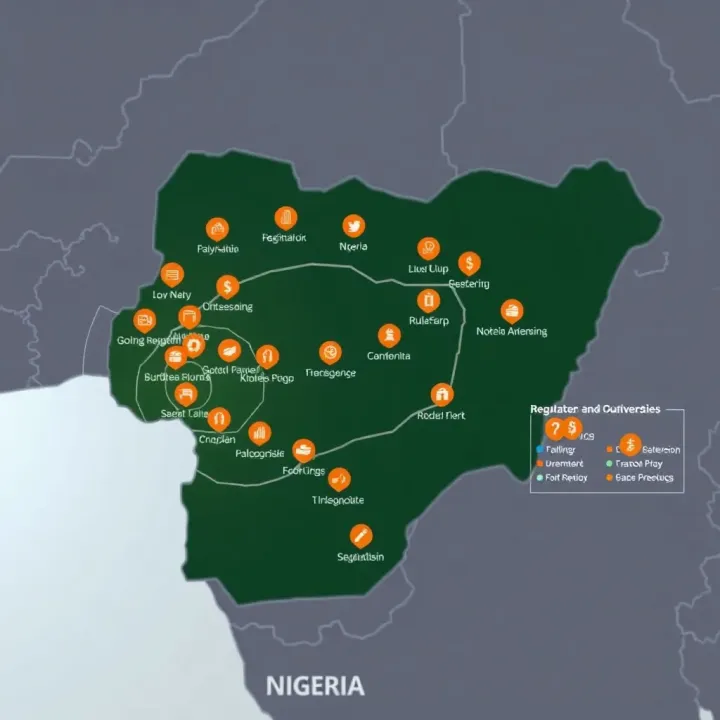
Many Nigerians juggle multiple responsibilities, making daily market monitoring difficult. Copy trading platforms address this by automating trade execution based on the actions of followed traders. For example, a university graduate working full-time in Abuja might not have hours to study markets, but through copy trading, they can manage investments during breaks or in the evening with just a few clicks. The platforms’ friendly interfaces and mobile app availability further boost convenience, allowing users to monitor performance and adjust their following preferences effortlessly.
Diversification is a key principle in investing to spread risks, and copy trading makes this easier and affordable. Nigerian investors can follow several traders with different styles and different asset focuses—such as one focusing on Nigerian stocks on the NGX, another trading forex pairs, and another exploring cryptocurrency. This mix reduces exposure to single-market shocks and balances potential losses with gains across varied instruments. By allocating funds among several traders, investors benefit from a broader portfolio without managing each asset individually.
Starting small is particularly attractive for retail investors in Nigeria, where capital can often be limited. Copy trading platforms generally allow users to begin with modest amounts, sometimes as little as ₦10,000 or less, depending on the platform and trader minimums. This lowers the entry barrier and creates room for trial and error without risking large sums. It encourages participation from a wider pool, including those earning average salaries, and helps them gradually build assets without upfront significant capital.
Copy trading offers Nigerian investors a practical and accessible pathway into financial markets, blending expertise with simplicity, diversifying risk, and requiring low initial funds.
By understanding these benefits, Nigerian investors can consider copy trading platforms as a valuable tool to improve their portfolio strategies and financial growth prospects.
Copy trading offers an easier way for Nigerian investors to access the financial markets, but it’s not without its downsides. Understanding the risks and challenges helps you avoid costly mistakes and safeguards your investments. Here, we break down the key concerns you should watch for.
Even though you’re copying trades from experienced investors, copy trading doesn’t remove market risks. Prices of forex pairs, stocks, or cryptocurrencies can fall unexpectedly, causing losses. For instance, if a copied trader holds a position on the Nigerian Naira against the US dollar and the naira suddenly weakens due to policy shifts or fuel scarcity, losses can mount fast. The lesson is clear: no strategy guarantees profits, and losses may sometimes be magnified if the market is volatile or illiquid.
Copy trading success depends heavily on the traders you select to follow. Unfortunately, not all signal providers are trustworthy or open about their strategy and past performance. Some may present overly optimistic returns without showing drawdowns or negative trades. It’s crucial to check historical stats over several months and confirm consistency, not just headline profits. For example, platforms like eToro and ZuluTrade provide extensive trader performance data, which aids your decision. Beware of blindly following traders due to hype or social proof alone.
Security is vital when dealing with copy trading platforms. Nigerian investors must verify if the platform is regulated by credible authorities and secures users’ data and funds. Some platforms may lack adequate encryption or offer weak account protection, risking hacking or fraud. For example, using platforms regulated by recognised bodies like the Securities and Exchange Commission (SEC) Nigeria or the Financial Conduct Authority (FCA) internationally provides better safeguards. Always enable two-factor authentication and avoid sharing login details.
You may be surprised by the fees involved in copy trading. Apart from platform commissions, some charge spreads on trades, withdrawal fees, or subscription costs. These charges can eat into your profits, especially if you start with small capital. For example, a 1% monthly subscription plus a 0.1% spread on trades may reduce gains significantly over time. Nigerian investors should carefully review fee schedules and ask specific questions before funding accounts. Avoid platforms with unclear or complicated cost structures.
Being alert to these risks and challenges is the first step to trading wisely. Thorough research and cautious participation protect your funds and increase chances of success in the Nigerian trading scene.
Understanding the regulatory and legal environment is essential for Nigerian investors who want to engage in copy trading. Given the growing interest in fintech and online investment platforms, being aware of the rules helps protect your money and ensures compliance with Nigerian laws. For instance, without knowing which bodies oversee trading activities or the legal obligations involved, you could run into avoidable issues like blocked withdrawals or penalties.
The SEC is Nigeria’s main regulator for capital markets, including securities and investment platforms. It ensures that businesses providing copy trading services operate transparently and fairly. If a copy trading platform offers stocks or equities, it should be registered with the SEC. This registration confirms that the platform follows market rules and provides necessary disclosures to protect investors.
For Nigerian traders, dealing with SEC-regulated firms means there are layers of oversight, such as financial audits and conduct checks, reducing risks of scams or mismanagement.
The CBN oversees banking and foreign exchange matters that can affect copy trading, especially when transactions involve foreign currencies. For example, if you fund a copy trading account with dollars or withdraw profits in foreign exchange, CBN’s rules on forex restrictions and repatriation apply.
While the CBN does not directly regulate copy trading, any payment or withdrawal through Nigerian banks falls under its watch. This means platforms and users must adhere to currency control policies to avoid violating forex laws.
Apart from SEC and CBN, agencies like the Nigerian Financial Intelligence Unit (NFIU) and the Nigerian Communications Commission (NCC) play roles in the fintech space. The NFIU monitors suspicious financial activities to prevent money laundering, which copy trading platforms must guard against.
The NCC ensures online platforms comply with communication and data regulations, impacting how traders' data is stored and protected.
Nigerian forex regulations require that all foreign currency transactions go through authorised dealers. If you invest in platforms based outside Nigeria, you must ensure your deposits and withdrawals comply with CBN’s rules. For example, funding a copy trading account directly with foreign currency without using authorised channels could lead to your funds being blocked.
Understanding these rules avoids legal headaches and ensures smooth capital movement.
Profits gained from copy trading attract tax under Nigerian law. The Federal Inland Revenue Service (FIRS) expects individuals and companies to declare income from investments, including gains from copy trading.
While formal tax guidance on copy trading is still evolving, investors should keep records of their trades and profits for proper tax reporting to avoid penalties during tax audits.
As fintech innovation grows, Nigeria has started strengthening consumer protection laws to safeguard users from fraud or unfair charges. Agencies like the Consumer Protection Council and the SEC require copy trading platforms to clearly outline fees, risks, and terms.
Choosing platforms that operate transparently and comply with these protections reduces chances of getting stuck with hidden costs or unfair contract terms.
Navigating regulations is not just about following rules but about safeguarding your investments and maintaining trust in the growing Nigerian fintech ecosystem.
By understanding the legal and regulatory framework around copy trading in Nigeria, you position yourself to invest smarter and avoid common pitfalls.
Choosing the right copy trading platform is essential for Nigerian investors who want to participate confidently in financial markets. A well-designed platform not only simplifies the trading experience but also protects capital, ensures transparency, and complies with local regulations. Given the variety of platforms available, understanding what to prioritise can save you from pitfalls and enhance your chances of success.
User interface and ease of navigation: An intuitive user interface makes all the difference, especially for new traders. A platform that is cluttered or confusing can lead to costly mistakes like copying the wrong trade or missing alerts. Nigerian investors benefit when platforms offer clear dashboards, straightforward menus, and tools that work well on mobile devices since many trade using smartphones. For example, platforms like MT4 and MT5 are popular partly due to their clean design and usability.
Transparency and trader performance data: It's vital that a platform provides detailed, easily accessible data on the traders you might follow. This means not just showing annual returns, but also statistics on maximum drawdown (biggest losses), trade frequency, and risk levels. Transparency helps you make informed decisions by comparing traders’ styles and histories. Without this, you might blindly trust a trader who had a lucky streak but takes excessive risks.
Security measures and regulatory compliance: Security isn’t just about passwords; it extends to protecting your funds and personal information. A reliable platform should use encryption, two-factor authentication, and segregate client funds. Nigerian investors should prioritise platforms compliant with Nigerian laws and regulations, supervised by bodies like the Securities and Exchange Commission (SEC) or Central Bank of Nigeria (CBN). This compliance reassures you that the platform operates under legal protections and standards.
Local fintech solutions offering copy trading: Nigerian fintechs have been stepping up with innovative trading products tailored to local needs. Platforms may integrate with options like Quickteller or Paystack for seamless payments and permit trading in Naira without conversion hurdles. Although still developing in copy trading, local apps can sometimes provide a better user experience and easier access to customer support, important when navigating markets during ember months or election seasons.
International platforms with Nigerian user access: Popular global platforms such as eToro, ZuluTrade, and Pepperstone allow Nigerians to open accounts, often with features designed for emerging markets. These platforms offer a wider choice of assets and more advanced copy trading tools. However, access to local payment gateways and Naira withdrawals may be limited, requiring use of forex or third-party services.
Payment and withdrawal options in Naira: A platform that supports deposits and withdrawals directly in ₦ is generally preferable for Nigerian investors. This cuts down costs related to currency conversion and delays when transferring funds back to local banks. Look for platforms partnering with trusted Nigerian payment providers to facilitate smooth top-ups and speedy cash-out. Smooth payment processing is especially necessary during periods of naira volatility.
Starting with small amounts: Rather than risking large sums upfront, begin by copying trades with small capital to understand the platform’s flows and strategies better. Starting small limits losses while you gain familiarity, reduces pressure during market swings, and fits well with the constrained budgets many Nigerian investors manage.
Monitoring performance regularly: Even though copy trading is mostly hands-off, actively checking trader performance helps you spot declines, unusual behaviour, or market changes that could affect your investments. Many platforms offer notifications if a trader you follow changes strategy or hits significant losses. For instance, during global economic shocks or naira depreciation, timely monitoring can prevent avoidable losses.
Knowing when to stop or change the trader followed: Blind loyalty to a single trader can be costly. Set clear exit rules — for example, if a trader loses more than 15% of the invested capital or consistently underperforms over a set period. Platforms usually allow switching followers instantly. Being flexible and decisive protects your funds and lets you explore better strategies aligning with shifting market conditions.
Picking the right platform and managing your copy trading journey carefully really makes a big difference in growing your investments while keeping risks in check.
By focusing on these practical considerations, Nigerian investors can navigate copy trading platforms with confidence, optimising both safety and returns in their trading activities.
Find the best trading platform in Nigeria! Explore security, costs, types, and regulations to pick the perfect fit for your trading style 📊🇳🇬

📱 Learn how pocket brokers let Nigerian investors trade stocks easily via mobile apps. Discover services, tech, regulations, and tips for success in Nigeria’s market!

📊 Master trading charts to boost your investments in Nigeria! Learn key chart types, patterns, and indicators to make smart moves in the local market. ₦

Explore derivative trading in Nigeria 📈 Learn how to manage risk, diversify portfolios, and navigate the market with practical tips for Nigerian investors. ₦
Based on 13 reviews