

Understanding Trading Charts for Nigerian Investors
📊 Master trading charts to boost your investments in Nigeria! Learn key chart types, patterns, and indicators to make smart moves in the local market. ₦
Edited By
Charlotte Green
Choosing the right trading platform is one of the most practical steps Nigerian investors must take to grow their portfolios securely. With the rise of fintech and digital trading options, many platforms promise spectacular returns, but not all are reliable. In fact, scams and fraudulent websites remain a significant challenge for both new and seasoned investors. So, knowing how to pick a legit trading platform is not just advice—it’s a necessity.
When you trade on a trustworthy platform, you gain access to transparent fees, prompt fund withdrawals, and clear regulatory compliance. Platforms like GTBank’s trading portal, Bamboo, and Trove offer such dependability, while international options like eToro and Interactive Brokers also provide access to global markets with high security standards.
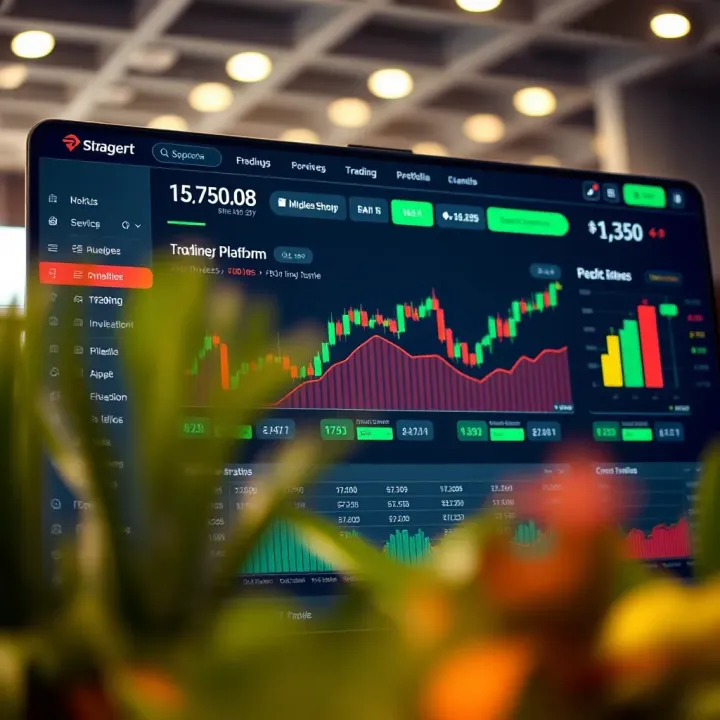
Be wary: A flashy interface or aggressive marketing doesn’t guarantee safety. Always check if the platform is regulated by recognised authorities, such as the Nigerian Securities and Exchange Commission (SEC) or reputable international bodies.
Here are some straightforward pointers to identify legit trading platforms:
Regulatory Compliance: Confirm the platform is registered with SEC Nigeria or equivalent.
User Reviews: Look at verified user feedback across independent sites.
Security Measures: Ensure the platform uses encryption and two-factor authentication.
Transparent Fee Structure: Beware of hidden charges or unclear commission rates.
Ease of Funding: Check if it supports reliable deposit and withdrawal methods like bank transfers or Nigerian payment systems.
By following these criteria, investors reduce the risk of falling for scams or wasting funds on unreliable schemes. Understanding the features of reliable platforms will help you invest confidently, whether trading equities, forex, or cryptocurrencies.
Next, we’ll examine specific platforms trusted by Nigerian investors and the practical features they offer for effective portfolio management. Keep your ₦ safe by knowing exactly where and how to invest without second chances.
Choosing a legitimate trading platform matters deeply for Nigerian investors. It ensures your funds stay safe, transactions proceed smoothly, and you avoid falling into scam traps lurking online. Grasping what makes a platform legitimate also helps you trade confidently—knowing you’re dealing with a company recognised by regulatory authorities and committed to proper security.
The Securities and Exchange Commission (SEC) Nigeria acts as the watchdog for capital markets in the country. Before you invest, confirm that the platform is registered with the SEC; this means it operates under Nigerian law and follows rules designed to protect investors. For example, platforms like Chaka and Trove list their SEC registration openly, giving Nigerian traders confidence.
Besides legal compliance, SEC’s oversight often requires platforms to submit regular reports and maintain financial transparency. This reduces chances of fraud and mismanagement, which are sadly common in shady schemes.
While SEC Nigeria regulates platforms within the country, many international platforms accept Nigerian users. These companies often hold licences from respected global regulators like the Financial Conduct Authority (FCA) in the UK or the US Securities and Exchange Commission. Such backing means these platforms meet high standards in safety and fairness, reassuring Nigerian investors venturing into global markets.
Take eToro, for example, which holds licences from multiple regulators worldwide. Even if it operates remotely, this ensures more oversight and tighter consumer protection, unlike some unregistered platforms.
Before placing your money, always verify the platform’s licences. This can usually be done by visiting official regulator websites or checking publicly available registries. Beware of platforms with fake or expired licences—some scammers display worthless certificates to fool users.
A practical tip: ask for licence numbers and cross-check. Also, look for disclaimers about regulatory compliance on the platform’s homepage. Legit platforms won’t hide this info.
Strong encryption protocols are non-negotiable for any legit trading platform. They protect your login credentials and financial details from hackers. Nigerian investors should look for Transport Layer Security (TLS) encryption—an upgraded protocol similar to the padlock icon you see in secure websites.
Also, platforms with two-factor authentication (2FA) add an extra shield. This means even if someone steals your password, they’ll need a second code from your phone or email, making unauthorised access highly unlikely.
A trustworthy platform separates client funds from the company’s operational money. This segregation means your deposits aren’t mixed with the firm’s daily expenses, which safeguards your money if the platform faces financial trouble.
Some platforms also provide insurance or participate in investor compensation schemes. While this protection is more common internationally, Nigerian users should still inquire—if a platform can’t clarify how it guards funds, it’s a red flag.
Your personal data should always remain confidential. Legit platforms have clear privacy policies explaining how they collect, store, and use your information according to data protection laws.

Look out for platforms compliant with Nigeria’s Data Protection Regulation (NDPR) or equivalent standards. Poor data handling can lead to identity theft or financial loss. Also, be cautious if a platform asks for unnecessary personal details beyond usual KYC (Know Your Customer) norms.
Always remember, a trading platform’s legitimacy goes beyond flashy apps or promises of quick profits. It lies in solid regulation, strong security, and respect for your data. Verify licences, insist on encryption, and understand their fund protection policies before trusting your hard-earned ₦.
When choosing a trading platform in Nigeria, certain features separate genuine options from mere showpieces. These key aspects impact how easily you can trade, manage your funds, and access support. Understanding these features saves you stress and protects your investments, especially in a market with many emerging platforms.
A good trading platform must be straightforward for both beginners and seasoned traders. Beginners often get overwhelmed if the design is cluttered or the functions are hidden behind jargon. For example, a simple dashboard where you can place orders, view portfolio performance, and monitor real-time prices without jumps between multiple pages improves efficiency. Seasoned traders benefit from shortcuts, alerts, and charting tools integrated within the interface. This balance helps everyone trade confidently without wasting time.
Mobile accessibility is a must-have considering Nigeria's internet landscape. Many traders rely on smartphones due to limited access to desktop computers or unstable power supply. Platforms like Bamboo and Chaka offer mobile apps optimised for low bandwidth, which significantly reduces lag or drop-offs during trading hours. Features such as offline caching or session persistence help users pick up where they left off even during spotty network coverage.
Supporting deposits and withdrawals in naira simplifies the trading process significantly. When you can fund your account with local currency, it avoids costly currency conversion fees and delays. Nigerian investors find this practical, as it aligns with how they earn and plan their money. For instance, platforms allowing direct naira funding from GTBank or Access Bank accounts encourage more frequent and flexible trading.
Integration with local payment methods like USSD codes or bank transfers is crucial. Since many Nigerians still rely on USSD—especially those without smartphones—platforms integrating these services provide wider accessibility. A trading platform that supports paying through USSD codes or direct bank transfers means investors can top up, trade, or withdraw without needing third-party apps or international cards. This inclusion enhances user convenience, especially outside Lagos or Abuja where fintech adoption varies.
Access to responsive Nigerian customer service matters because it reduces frustration when technical issues or questions arise. Platforms that have local phone lines, WhatsApp support, or quick email response times build trust and help traders resolve matters fast. For example, Chaka and Trove provide customer service teams familiar with Nigerian market conditions and payment systems, which speeds resolution.
Educational resources like tutorials, webinars, and market insights empower traders to make informed decisions. Trading isn’t just about clicking buttons; understanding market trends, risk management, and investment strategies improves outcomes. Platforms offering in-app tutorials or daily market reports tailored to Nigerian equities or forex make learning continuous and practical. This support is especially valuable for new investors eager to improve without paying for expensive courses.
Choosing a reputable platform isn’t just about licences; user experience, financial convenience, and localised support play big roles in your investment success.
When it comes to investing, choosing the right trading platform can make a big difference in your experience and results. Nigerian investors face unique challenges including currency fluctuations, internet reliability, and local regulations. Reviewing popular legit trading platforms helps you navigate these issues by spotlighting services tailored to Nigerian conditions and highlighting their strengths and weaknesses. This approach ensures you find a platform that fits your needs without falling for scams or clunky interfaces.
Homegrown platforms like Chaka, Trove, and Bamboo have carved out a solid reputation among Nigerian traders. These platforms focus on making the markets accessible with easy account funding in naira and support for local banks. For instance, Trove offers fractional shares of U.S. stocks, which allows investors to buy a sliver of big companies without spending a fortune upfront. Bamboo, on the other hand, provides a simple app interface and relatively low transaction fees, making it attractive for beginners.
Nigerian platforms understand the pain points investors face here, including intermittent internet and the need to fund accounts through USSD or bank transfers. However, they do have downsides. These platforms might have fewer international assets compared to global brokers, and sometimes withdrawal processes can take longer because of banking delays. Still, their focus on local needs and direct integration with Nigerian financial systems often outweighs these downsides for many users.
On the international front, platforms like eToro and Interactive Brokers offer extensive global markets, from forex to commodities and stocks across multiple countries. These platforms come with advanced trading tools suitable for experienced investors looking to diversify beyond Nigerian and U.S. stocks. eToro’s social trading feature also lets users watch what seasoned traders are doing, which can be helpful when building confidence.
Compliance with Nigerian regulations is a key consideration. Most respected international brokers do not have specific licences from Nigerian authorities but comply with top global regulators like the SEC in the U.S. or FCA in the UK. Nigerian users can open accounts, but they must ensure the platform supports naira funding or easy currency conversion to avoid high forex fees. Ease of use varies; many international platforms can feel overwhelming for beginners due to complex interfaces and multiple asset classes. That said, these platforms usually have robust customer support and extensive educational resources.
Choosing between local and international platforms depends largely on your investment goals—whether you prioritise local accessibility and naira transactions or seek broader global exposure with advanced trading tools.
By understanding the key features and limitations of both Nigerian-based and international platforms, investors are better equipped to make informed decisions and avoid pitfalls. This knowledge is essential for protecting your ₦ and building a resilient investment portfolio in today’s dynamic market.
Investing through trading platforms offers exciting opportunities, but the risk of scams remains a real threat, especially for Nigerian investors navigating local and international options. Recognising how to spot fraudulent platforms is key to protecting your funds and building wealth without falling into traps. This section lays out practical warning signs and verification steps that help you steer clear of scams.
Any trading platform that guarantees high profits with little or no risk should raise red flags immediately. Legitimate investing always involves some degree of risk; there are no surefire ways to make money without potential losses. Scammers exploit this by advertising unrealistically high returns to lure investors quickly. For example, a platform promising a fixed 20% monthly return regardless of market conditions is probably too good to be true.
Such unrealistic claims are designed to pressure investors into depositing large sums or recruiting others. Trustworthy platforms focus on education and transparency rather than fast gains.
Trustworthy trading platforms readily provide verifiable licence numbers and clear contact addresses. They usually display registration with the Securities and Exchange Commission (SEC) Nigeria or relevant global regulators. When a platform hides such details or lists unverifiable licences, it signals something shady.
For instance, a website without any physical office address or only an anonymous email for contact should discourage you from investing. Some scammers even invent fake regulatory bodies; always confirm licence details through official SEC Nigeria records.
Pushy sales tactics designed to rush your investment are common in scams. If representatives insist you must fund your account immediately or face missing out on "exclusive deals," that’s a warning. Legitimate brokers and platforms allow you to take time, ask questions, and verify details at your own pace.
Be wary when you get constant calls or messages urging you to deposit more money, even when you express hesitation. Genuine platforms encourage informed decisions, not rushed deposits.
Before committing your money, always confirm the platform’s registration and compliance status with the SEC Nigeria. The commission maintains up-to-date listings of licensed broker-dealers and investment platforms. Checking there ensures you don’t transact with unregulated entities.
Also, international platforms catering to Nigerian investors should be verified with their home regulators (like the FCA in the UK or SEC in the US). Confirming this helps avoid platforms that operate illegally.
One of the most practical ways to assess a platform is by going through reviews and user experiences. Focus on detailed feedback on deposit and withdrawal processes, customer support, and platform reliability. However, beware of fake positive reviews published to boost scam sites.
Look for reviews on trusted Nigerian forums or platforms where seasoned investors share actual experiences. This social proof offers insight into possible pitfalls or strengths before you invest.
A hands-on approach can reveal a platform's legitimacy. Start by making a small deposit and attempting a withdrawal to see if the process works smoothly. Scammers often allow deposits but complicate or deny withdrawals.
If you notice delays without proper communication, excessive fees, or unexplained account freezes, these are signals to reconsider. Real platforms handle transactions transparently and swiftly, especially with local payment options like bank transfers or USSD payments.
Staying vigilant protects your investment against fraud. Follow these steps closely and never rush into signing up. Your money deserves platforms that value security, transparency, and your peace of mind.
Trading in Nigerian markets, like anywhere else, carries risks. Protecting your investments while aiming for growth demands careful strategies. These tips ensure you don't just dive into trading blindly but build a foundation that can withstand market swings and scams.
It’s tempting to put all your eggs in one basket when you spot a seemingly sure winner, but starting small limits your exposure to losses, especially if you’re new. For instance, investing ₦50,000 across a mix of stocks, government bonds, and mutual funds provides a cushion if one asset dips. Diversification spreads your risk and improves your chances of steady gains. In Nigeria, where market volatility can be high due to external shocks or local policy changes, diversification is even more important.
Your trading account is your gateway to significant financial transactions. Using strong, unique passwords reduces the risk of being hacked, especially since many scams target weak credentials. Combine uppercase, lowercase letters, numbers, and symbols in your password. Plus, most legitimate platforms support Two-Factor Authentication (2FA). This extra security step sends a code to your phone or email whenever you log in, adding a safeguard against unauthorised access. For Nigerian traders, securing your login is vital especially when using public internet spots or shared devices.
Markets in Nigeria react swiftly to economic data, political news, and new regulations from bodies like the Central Bank of Nigeria (CBN) or the Securities and Exchange Commission (SEC). Staying updated helps you adjust your trading strategy before a law change or policy impacts market conditions. For example, when recent CBN policies tightened forex access, currency traders had to rethink strategies quickly. Use credible sources like financial news platforms, SEC Nigeria releases, or reports from Nigerian banks to stay ahead. This mindfulness helps avoid surprises and guides smarter trade decisions.
Vigilance and discipline in trading aren't just buzzwords; they form the backbone that safeguards your investment journey. Every ₦ you invest deserves you to be cautious and well-informed.
By adopting these practices, Nigerian investors can better manage risk and build a resilient portfolio even amid market uncertainties.
📊 Master trading charts to boost your investments in Nigeria! Learn key chart types, patterns, and indicators to make smart moves in the local market. ₦

Explore derivative trading in Nigeria 📈 Learn how to manage risk, diversify portfolios, and navigate the market with practical tips for Nigerian investors. ₦
Discover how Nigerian traders can pick the best global trading platform 🌍 with insights on fees, security, features, and local regulations for smoother trades 📈.
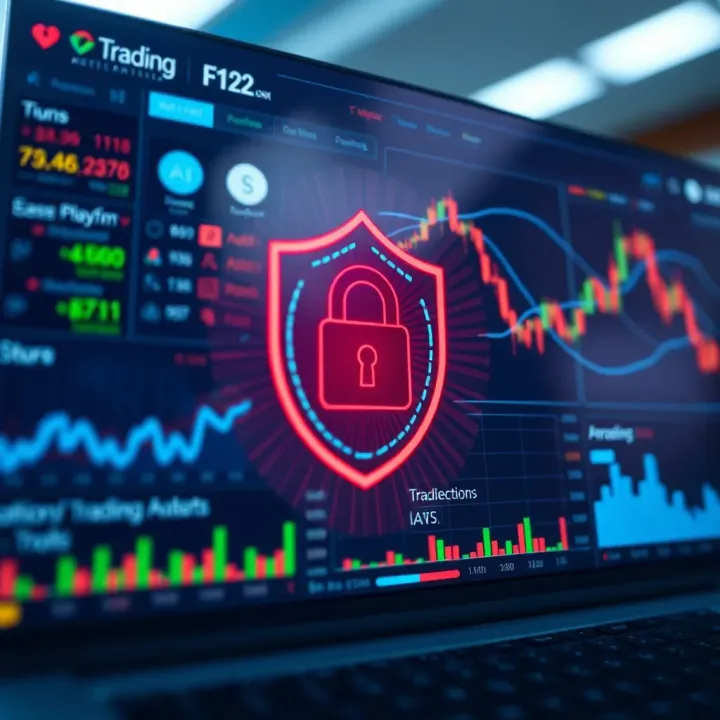
Find the best trading platform in Nigeria! Explore security, costs, types, and regulations to pick the perfect fit for your trading style 📊🇳🇬
Based on 5 reviews